Symbols
What Is the Symbol for Honesty? Meaning Guide
Discover the true symbol for honesty, from the feather of Maat to white light, the unicorn and more, with meanings across cultures…
 KnowMastery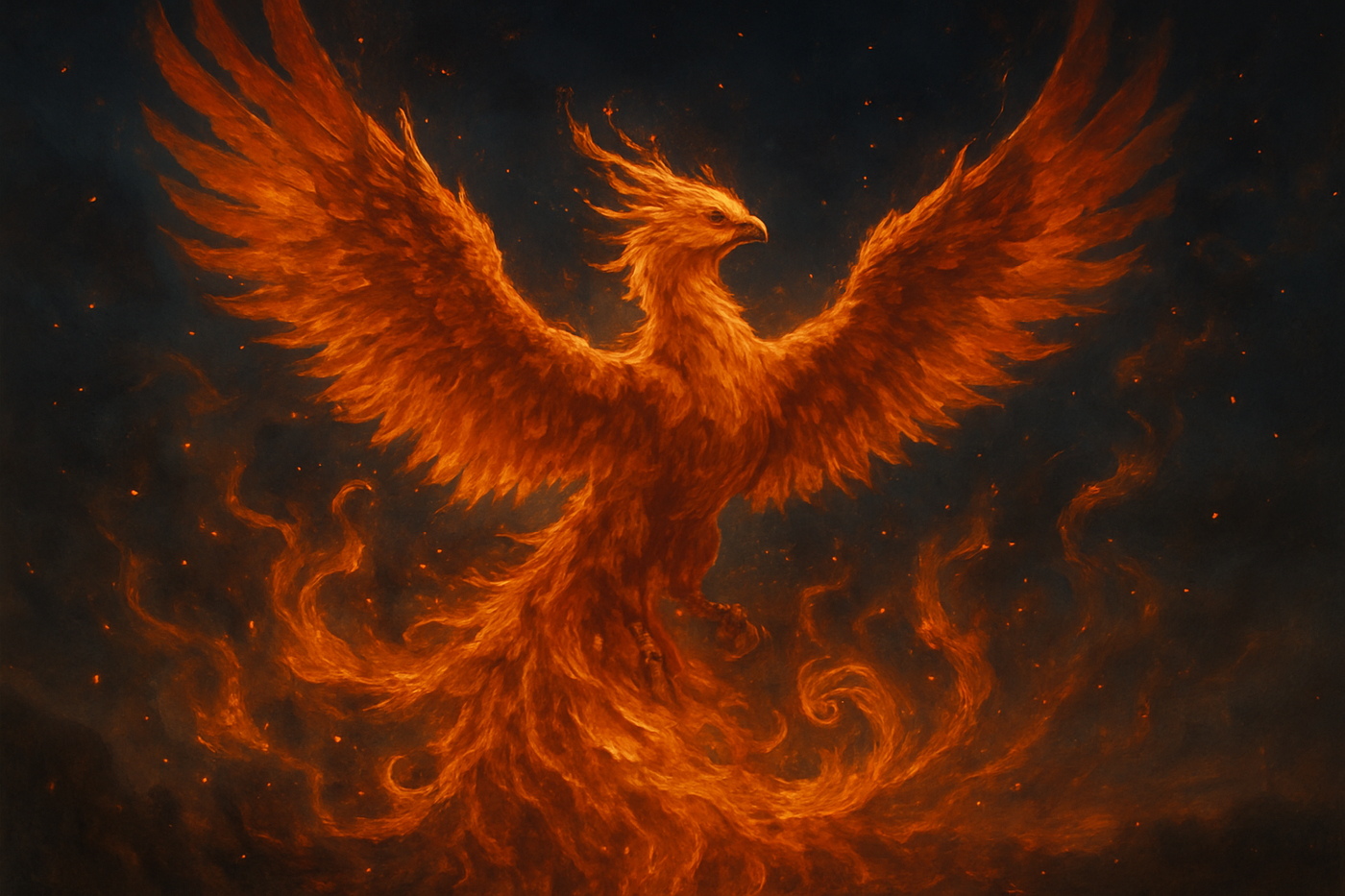
The phoenix is a mythical bird said to burst into flame at the end of its life and rise renewed from its own ashes, making it one of the most enduring symbols of rebirth, transformation, and immortality in world mythology. Ancient Egyptians linked it to the sun god Ra, the Greeks tied it to cyclical time, and modern culture uses it as shorthand for anyone who survives destruction and comes back stronger. At its core, the phoenix represents the belief that endings are never final — they are simply the fire that clears the ground for something new.
Think of the last time your world felt like it was burning down — a job lost, a heart broken, a version of yourself you had to let go of. There was ash. There was silence. And then, slowly, something in you began to stir again.
That quiet stirring is what the phoenix has meant to humans for thousands of years. Long before self-help books talked about "rising from the ashes," priests in Heliopolis and poets in ancient Greece were already telling stories about a bird that refused to let death be the end of the story.
The phoenix is universally recognized as a symbol of rebirth, renewal, resilience, and the cyclical nature of life. Unlike symbols of simple survival, the phoenix doesn't avoid destruction — it embraces it, understanding that transformation requires the old self to be completely consumed before a new one can emerge.
This layered meaning is why the phoenix appears in everything from ancient temple carvings to modern tattoos, corporate logos, and self-help language about "rising from the ashes."
While the English word "phoenix" comes from Greek, the underlying myth appears — in remarkably similar form — across several ancient civilizations, each adding its own cultural flavor to the symbol.
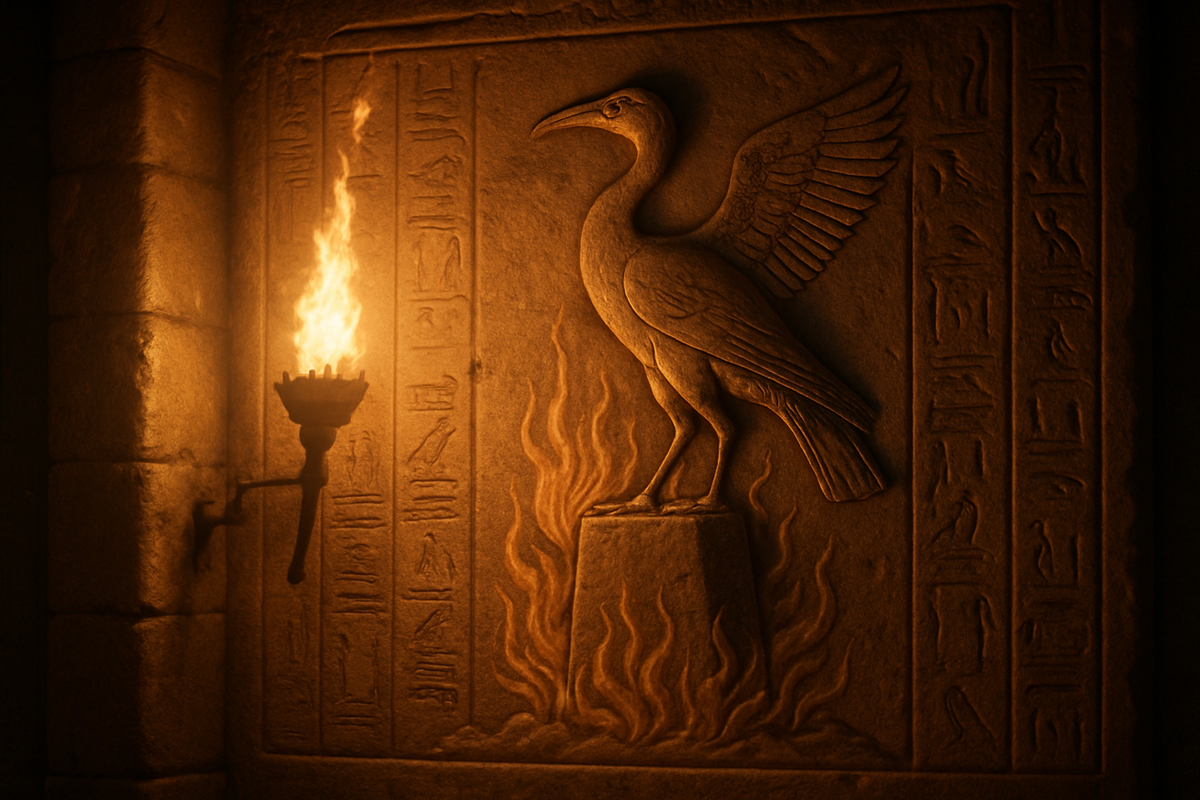
The earliest known ancestor of the phoenix is the Bennu bird of ancient Egypt, worshipped in Heliopolis as a manifestation of the sun god Ra and the god Osiris. The Bennu was described as a heron-like bird that self-created from a fire that burned atop the sacred benben stone. It was closely tied to the flooding of the Nile and the rising of the star Sirius, linking the bird's rebirth to the yearly renewal of Egyptian agricultural life.
The Greek historian Herodotus, writing around 450 BCE, described a bird from Arabia that lived for 500 years before building a nest of cinnamon and myrrh, setting it ablaze, and being consumed by the flames — only for a new phoenix to emerge from the ashes and carry its predecessor's remains to the Temple of the Sun at Heliopolis. This version cemented the fire-and-ashes cycle that still defines the phoenix today.
In Chinese tradition, the Fenghuang is often mistranslated as "phoenix," but its symbolism is subtly different — representing harmony, virtue, and the union of yin and yang rather than literal death and fiery rebirth. Paired with the dragon as an imperial symbol, the Fenghuang embodies balance between feminine and masculine energies, a concept explored further in our guide to yin yang meaning.
Persian mythology offers the Simurgh, a benevolent, ancient bird of wisdom and healing found in the epic Shahnameh. Unlike the Greek phoenix, the Simurgh doesn't die and resurrect in fire, but it shares the phoenix's role as a bridge between earth and the divine, often depicted nesting atop the Tree of Knowledge — a motif that echoes the cosmic symbolism found in our piece on the Tree of Life.
In Slavic folklore, the glowing Zhar-ptitsa, or Firebird, appears in tales like those collected for Stravinsky's ballet, representing both a blessing and a curse to whoever captures it — a reminder that transformative power always demands something in return.
| Mythical Bird | Culture | Core Symbolism | Associated Element |
|---|---|---|---|
| Bennu | Ancient Egypt | Solar rebirth, self-creation | Sun / Fire |
| Phoenix | Ancient Greece | Cyclical death and resurrection | Fire / Ash |
| Fenghuang | China | Harmony, virtue, yin-yang balance | Wind / Fire |
| Simurgh | Persia | Wisdom, healing, divine guidance | Sky / Spirit |
| Zhar-ptitsa (Firebird) | Slavic folklore | Beauty, danger, transformative gift | Fire / Light |
In spiritual practice, the phoenix is rarely treated as just a myth — it's used as a working symbol for inner transformation. Many practitioners of energy work and manifestation see the phoenix as a representation of the soul's ability to shed an old identity entirely rather than simply patch over old wounds.
Spiritually, the phoenix is associated with:
People who feel called to phoenix symbolism are often standing at a genuine threshold — the end of a marriage, career, belief system, or health crisis — where the old self genuinely cannot continue forward unchanged.
Dreaming of a phoenix is generally considered a powerful, positive omen, though the details matter. Much like interpreting the woven symbolism of a dream catcher, phoenix dreams reward attention to specific imagery rather than a single blanket meaning.
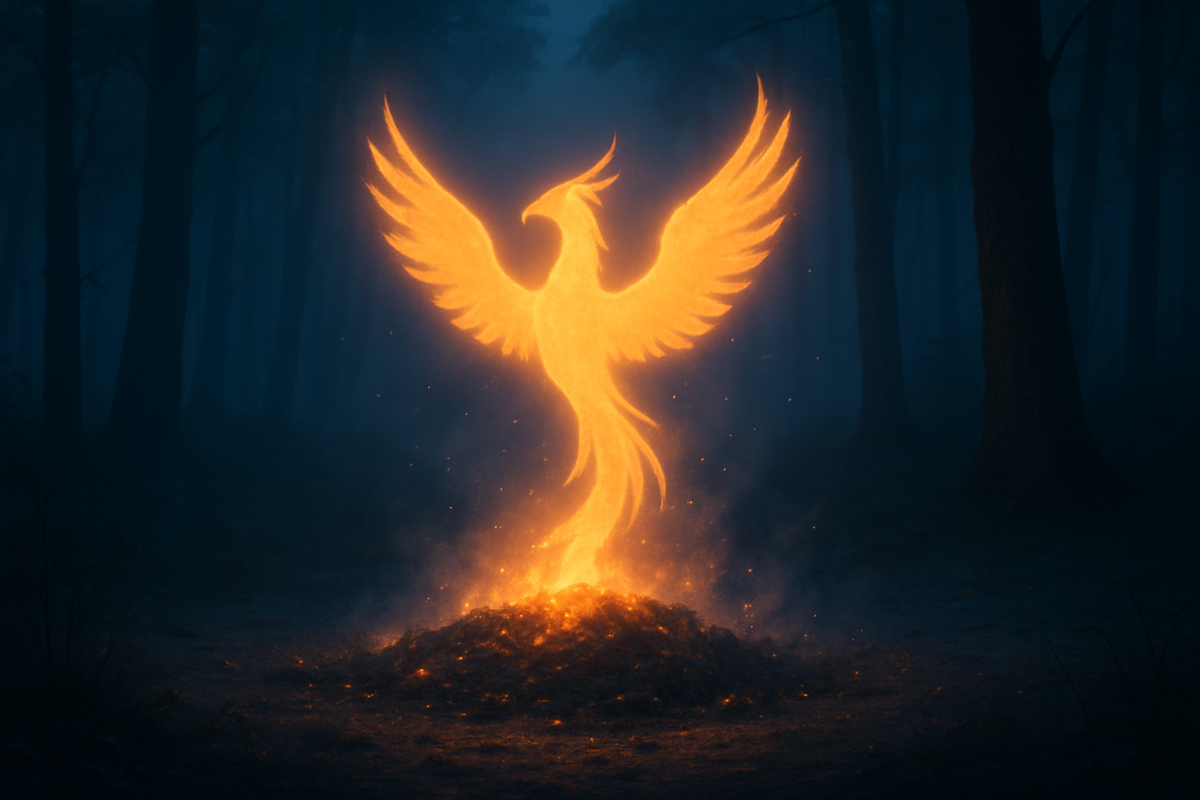
The phoenix remains one of the most requested tattoo designs worldwide, and its popularity isn't just aesthetic. People choose phoenix imagery to mark survival of illness, addiction recovery, divorce, grief, or any chapter that required them to "start over." Color choices carry meaning too: red and orange phoenixes emphasize raw transformation and passion, while blue or purple versions lean toward emotional and spiritual healing rather than fiery struggle.
Beyond tattoos, the phoenix shows up in:
You don't need to believe in a literal bird to use the phoenix as a personal tool for transformation. Here's how people intentionally invite phoenix symbolism into real change:
Spiritually, the phoenix symbolizes the death of an old identity and the birth of a renewed one, often linked to purification through fire, karmic release, and resilience after hardship. It's widely used as a symbol of hope that even total loss can lead to meaningful transformation.
Yes, in many traditions, particularly Chinese culture, phoenix-like birds such as the Fenghuang are considered auspicious symbols of good fortune, virtue, and harmony. In Western contexts it's less about luck and more about guaranteed renewal after difficulty.
The Egyptian Bennu is the earlier, original myth tied to the sun god Ra and the Nile's yearly flooding, symbolizing solar and agricultural renewal. The Greek phoenix, popularized by Herodotus, added the now-famous 500-year lifecycle and the dramatic self-immolation and rebirth from ashes.
Dreaming of a phoenix generally signals that you're undergoing or about to undergo a major personal transformation, often after a period of struggle. The specific action in the dream — burning, rising, or flying — points to which stage of that transformation you're currently experiencing.
Discover the true symbol for honesty, from the feather of Maat to white light, the unicorn and more, with meanings across cultures…
Discover the lily flower's meaning—purity, rebirth, and devotion—plus color symbolism, dream meanings, and how to use it with inte…
Discover the lotus flower's meaning across Hinduism, Buddhism & Egypt—purity, enlightenment, rebirth—plus colors, dreams, and how …