Crystal & Stones
Iolite Meaning: Healing Properties, Chakra & Zodiac Guide
Discover Iolite's meaning, healing properties, chakra and zodiac connections, plus care tips for this blue-violet 'Viking Compass'…
 KnowMastery
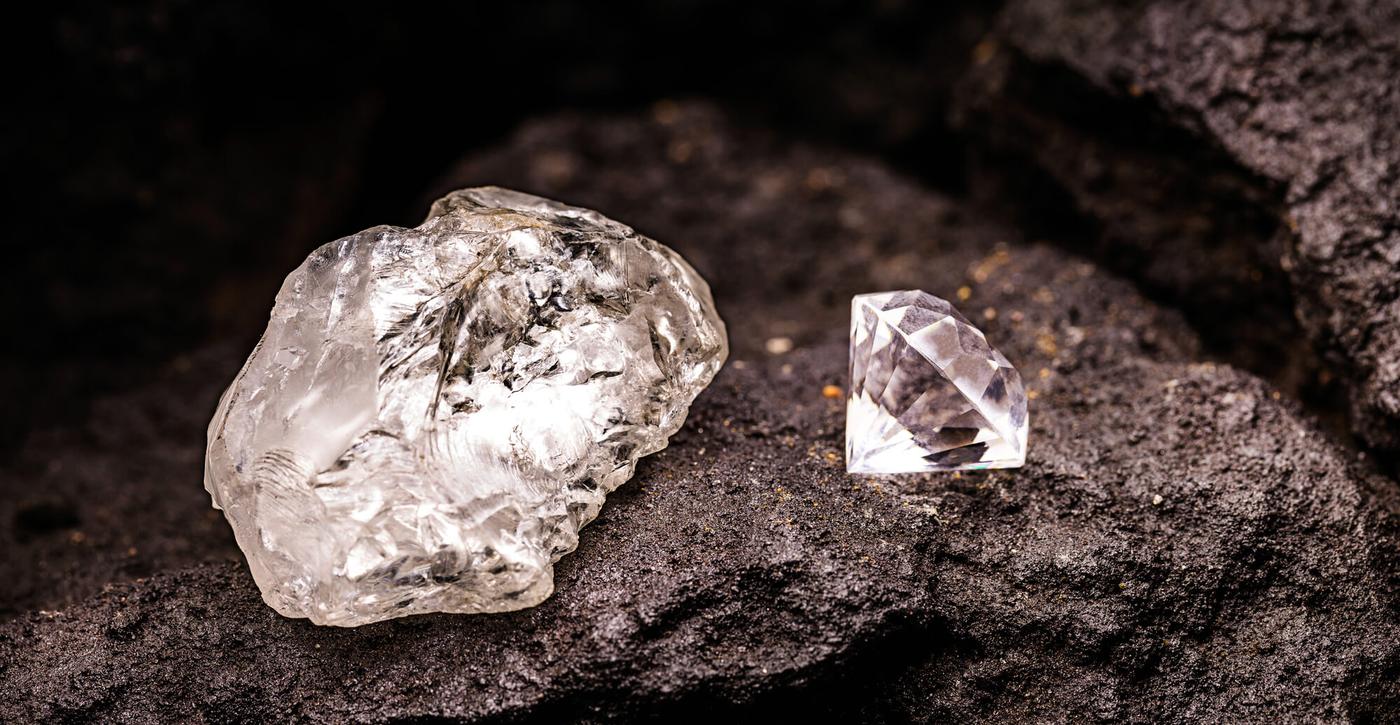
Diamond is the official birthstone for April, prized as a symbol of eternal love, strength, purity, and clarity. Unlike most birthstones, diamond is typically colorless or near-colorless, though it also occurs naturally in yellow, blue, pink, and brown hues. Valued for both its unmatched hardness and its romantic symbolism, diamond has been the go-to gemstone for engagement rings and 60th or 75th wedding anniversary gifts for generations.
Diamonds have captivated people for millennia – not only for their brilliant sparkle and unrivaled physical durability, but for the meaning attached to them. They're linked with purity, innocence, eternity, and courage, qualities believed to reinforce family harmony and lasting commitment between loved ones.
| Aspect | Details |
|---|---|
| Birthstone Month | April |
| Hardness (Mohs Scale) | 10 – the hardest known natural material |
| Primary Colors | Colorless/white (most common), also yellow, blue, pink, brown, and black |
| Zodiac Association | Aries (March 21–April 19) and Taurus (April 20–May 20) |
| Alternative Stones | White sapphire, rock crystal (Herkimer diamond) |
| Anniversary Use | 60th and 75th wedding anniversaries |
A diamond's symbolism is rooted in its indestructibility. For centuries it has represented eternal love, strength, invincibility, purity, and courage – qualities that made it the natural choice for engagement rings and heirloom jewelry. The word "diamond" itself comes from the Greek adamas, meaning "unbreakable" or "untamed," reflecting the stone's reputation as a symbol of unyielding bonds.
As a birthstone, diamond is also believed to carry a gentler meaning: balance, clarity, and abundance for the wearer. Many people born in April choose diamond jewelry not just for its beauty but as a personal talisman thought to clarify thinking and attract prosperity.
Most diamonds formed more than a billion years ago, with some reaching ages of up to 3.5 billion years, at depths of more than 100 miles below Earth's surface. Volcanic eruptions eventually carried them upward through a rock called kimberlite, depositing them closer to the surface where they could later be mined.
India is the earliest known source of diamond mining, with the industry believed to have originated between the 7th and 5th centuries BCE. The Romans and Greeks advanced their own legends, believing diamonds were splinters of fallen stars or tears shed by the gods. Hindu tradition held that diamonds formed when lightning struck rock.
Diamonds have adorned crowns, swords, ceremonial emblems, and royal jewelry throughout history. Today, major diamond mining operations span Australia, Africa, Russia, and Canada, supplying the global jewelry market.
Because April spans both Aries (March 21–April 19) and Taurus (April 20–May 20), diamond is closely tied to both signs' personalities. Aries individuals are known for boldness, leadership, and determination – traits mirrored in the diamond's strength and brilliance. You can explore more about these fiery traits and complementary stones in our guide to Aries crystals and stones.
Taurus, on the other hand, values stability, loyalty, and lasting beauty – qualities that align naturally with a gemstone famous for being nearly indestructible. For those born right on the cusp of March and April, it's also worth exploring Pisces crystals and stones, since Pisces season overlaps with the final days before April begins.
A diamond's quality and value are determined by four key factors known as the 4Cs: Carat, Cut, Color, and Clarity.
When shopping for diamond jewelry, buyers should weigh these four factors against personal style, budget, and the setting the stone will be placed in.
Diamond ranks a full 10 on the Mohs hardness scale, making it the hardest naturally occurring material on Earth and exceptionally resistant to scratching – a major reason it's so well suited to everyday jewelry like engagement rings. Diamond typically forms roughly 150-200 km beneath Earth's surface in the mantle.
Diamonds reach the surface through volcanic kimberlite pipes, a process that can take the stone on a journey of hundreds of millions of years before it's ever mined, cut, and polished.
While diamond is the primary and most widely recognized April birthstone, a couple of alternative stones are also associated with the month for those seeking different price points or aesthetics.
Those drawn to clear, light-amplifying stones may also enjoy comparing diamond to amethyst, another widely loved birthstone known for its calming purple hue and spiritual associations, or exploring the stones tied to neighboring signs in our guide to Gemini crystals and stones.
Diamonds are a perennial favorite in jewelry design thanks to their brilliance, durability, and versatility. They pair beautifully with any metal – white gold, yellow gold, rose gold, or platinum – and their hardness makes them suitable for rings, necklaces, bracelets, and earrings that endure daily wear.
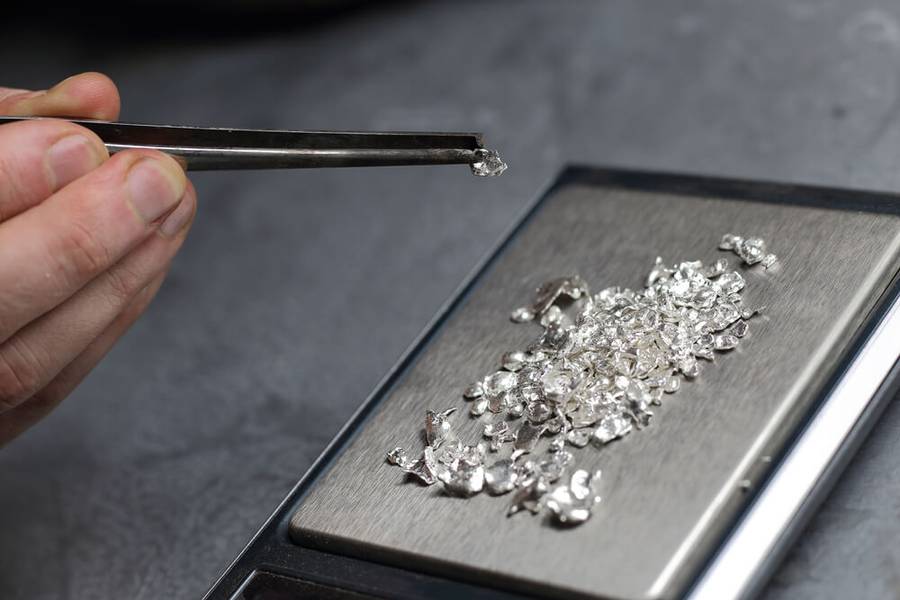
Thanks to its neutral color, a diamond pairs easily with nearly any other gemstone, making it a flexible choice across design styles. The classic solitaire remains the most iconic way to showcase a single diamond, while modern designs increasingly favor clusters, pavé settings, and halo arrangements that maximize sparkle.
Although diamonds are extremely hard, they still require regular care to keep their sparkle. Clean diamond jewelry by soaking it in warm water mixed with a few drops of mild dish soap, then gently scrubbing with a soft-bristled toothbrush to loosen buildup around the setting.
Rinse thoroughly under warm running water and dry with a lint-free cloth. Avoid wearing diamond jewelry during rough manual work or when using harsh chemicals, and store diamond pieces separately from other jewelry to prevent them from scratching softer stones and metals.
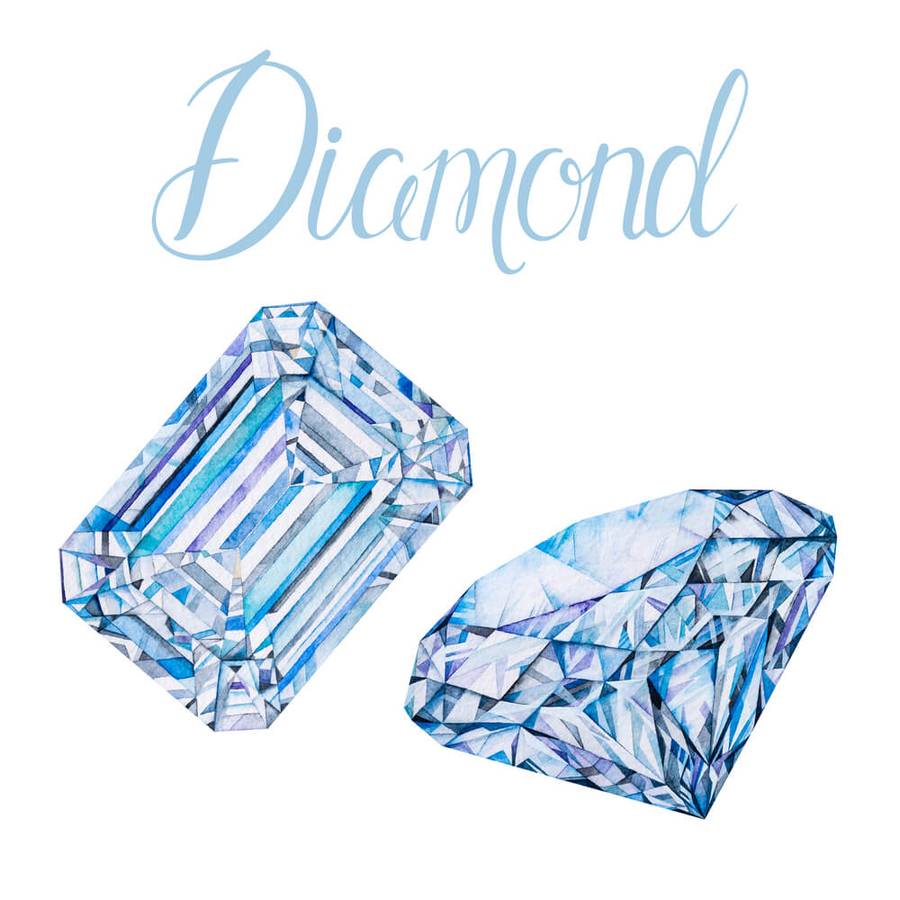
Diamonds are believed to amplify the energy – positive or negative – of the person wearing them. Beyond symbolizing wealth, power, and status, many believe diamonds support spiritual growth, helping the wearer access clearer thinking and openness to new possibilities. They're also thought to enhance courage, creativity, and imagination.
Emotionally, diamonds have long been tied to love, loyalty, and commitment, which is why they remain the overwhelming favorite for engagement rings. For the wearer, a diamond can serve as a lasting personal reminder of a promise, a relationship, or an important milestone.
When selecting a diamond piece, revisit the 4Cs – carat, cut, color, and clarity – and weigh them against your budget and priorities. A well-cut smaller diamond will often sparkle more convincingly than a larger, poorly cut stone.
Beyond the stone itself, consider how the setting and metal complement the wearer's personal style and lifestyle. A diamond piece should feel like more than a status symbol – ideally it reflects personal meaning, whether that's love, resilience, or a milestone worth marking.
April's birthstone offers something few other gems can match: a pairing of extraordinary physical durability with centuries of emotional and cultural weight. Whether you choose a classic colorless diamond, explore a budget-friendly white sapphire, or lean into the quartz-based Herkimer diamond, the April birthstone family gives wearers options rooted in the same core values – clarity, strength, and enduring love. For anyone born in April, that combination of toughness and meaning makes diamond jewelry a fitting, lifelong companion rather than just a seasonal accessory.
Diamond, the April birthstone, is most commonly colorless or white, which is also the most popular and valuable shade for jewelry. However, diamonds also occur naturally in yellow, brown, blue, pink, and even black, with colored "fancy" diamonds often prized for their rarity.
Diamond is the primary and most widely recognized April birthstone, but white sapphire and rock crystal (Herkimer diamond) are sometimes used as alternatives. These alternatives offer similar clarity and sparkle at different price points, making them popular substitutes for diamond engagement and birthstone jewelry.
Diamond is most closely linked to Aries (March 21–April 19) and Taurus (April 20–May 20), since both signs fall within April. Its strength and brilliance are said to resonate with Aries' boldness and Taurus' love of lasting beauty and stability.
Having diamond as your birthstone is traditionally associated with eternal love, strength, purity, and courage. Many also believe it brings balance, clarity, and abundance to the wearer, making it a popular choice for personal talismans as well as jewelry.
Soak the ring in warm water with a few drops of mild dish soap, then gently scrub around the setting with a soft toothbrush. Rinse under warm running water and dry with a lint-free cloth, and avoid wearing it during rough work or exposure to harsh chemicals.
Yes – diamond's rating of 10 on the Mohs hardness scale makes it the most scratch-resistant gemstone available, which is why it's a favorite for engagement rings and other jewelry worn daily. Just be sure to store it separately from softer stones and clean it periodically to maintain its sparkle.
Discover Iolite's meaning, healing properties, chakra and zodiac connections, plus care tips for this blue-violet 'Viking Compass'…
Discover malachite's meaning, healing properties, and uses, from ancient Egyptian eye paint to modern crystal healing and protecti…
Turquoise meaning explained: its throat chakra healing, protective history in Egypt, Persia & Navajo culture, and how to use it to…