Crystal & Stones
Iolite Meaning: Healing Properties, Chakra & Zodiac Guide
Discover Iolite's meaning, healing properties, chakra and zodiac connections, plus care tips for this blue-violet 'Viking Compass'…
 KnowMastery
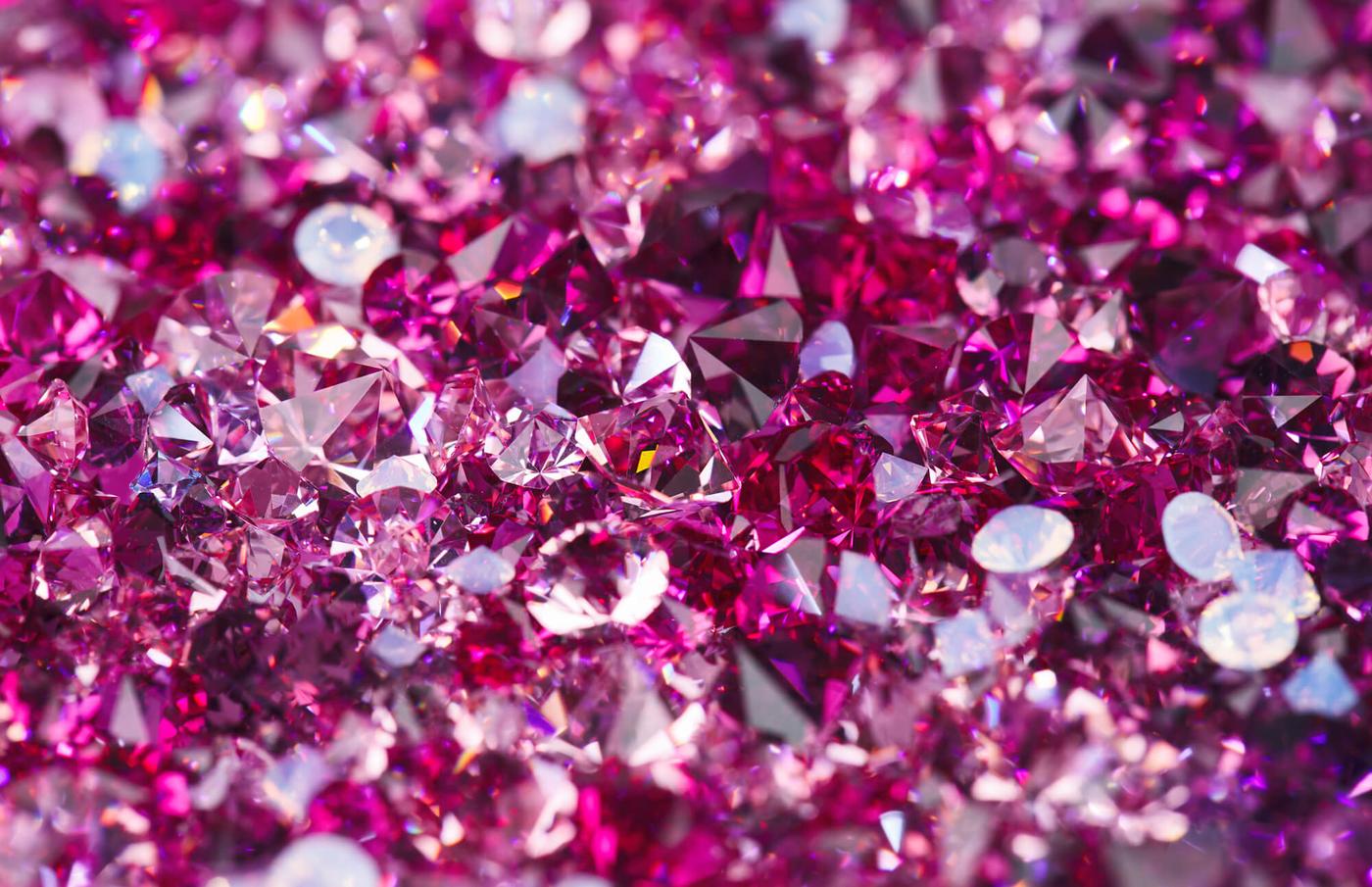
The July birthstone is ruby, a red corundum gemstone that symbolizes passion, courage, and protection. Treasured since antiquity for its "pigeon's blood" red hue, ruby ranks among the most precious gemstones in the world and has long been called the "king of precious stones." People born in July are traditionally connected to this fiery red crystal, said to bring vitality, luck, and emotional strength to its wearer.
| ASPECT | DETAILS |
|---|---|
| Birthstone Month | July |
| Birthstone | Ruby |
| Symbolism | Love, Passion, Courage, Emotion |
| Origins | Historically mined in Myanmar, but found in countries as diverse as Thailand, Cambodia, India, Afghanistan, and Brazil. |
| Mythologies and Beliefs | It has been associated with love, health and wisdom. Many believe that it brings luck to the wearer. |
| Physical Characteristics | Ruby is scored at 9 on the Mohs hardness scale, making it suitable for all sorts of gemstone jewelry. Its color varies between deep pink and blood-red. |
| Use in Jewelry | Rubies are used in all kinds of jewelry pieces, including rings, necklaces, bracelets, and earrings, thanks to their vibrant color and hardness that ensures long-lasting shine. |
| Choosing a Birthstone | Ruby is the birthstone of July, a gemstone of fire and passion. With eternal beauty and a timeless history, it remains a favorite choice for symbolic jewelry. |
The ruby comes from the same origin as the sapphire, being a corundum mineral. What changes is its coloration — ruby derives its striking red color from chromium impurities in its composition. Its name comes from the Latin word for red, ‘ruber’.
Rubies have been treasured since ancient times — Sanskrit texts called the stone ratnaraj, or "king of precious stones" — but gemologists generally regard the Mogok Valley in Myanmar (Burma) as the gem's most important historic source. Having been found all over the world through the ages, today some of the finest rubies come from Thailand, Madagascar, and Myanmar, prized for their pigeon's blood red color.
Many cultures considered rubies sacred. Indians believed rubies allowed one to live peacefully even among enemies. The Chinese placed them under building foundations to ensure future wealth and good fortune.
The mythological meaning of ruby has carried across many ancient cultures, representing love, health, wisdom, and wealth. Ancient legends often associated the gem with power and protection. Warriors are said to have implanted rubies under their skin to gain valor in battle, while others believed the gem warded off disaster and sickness.
In the modern world, rubies represent passion and life force. They are closely tied to deep love and courage, with many believing that wearing this crystal channels exhilarating energy into the wearer.
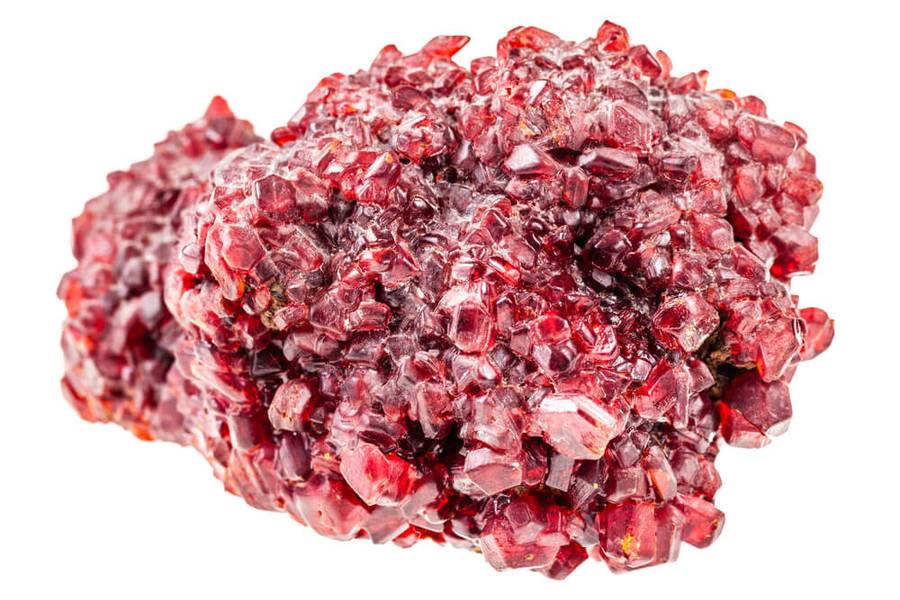
Rubies are assessed using the same four characteristics as most gemstones: color, cut, clarity, and carat weight. Of these, color is the most central factor in determining a ruby's worth. The most desirable shade is an intense, pure red with just a hint of blue — known in the trade as ‘pigeon’s blood.’
Clarity is the second most important factor for ruby. It is rare to find a ruby entirely free of inclusions, but unlike many other gemstones, inclusions don't significantly diminish ruby's value unless they compromise transparency or sit directly beneath the table facet.
As a variety of corundum, ruby is one of the hardest natural gemstones on earth, scoring 9 on the Mohs scale — second only to diamond, which is the only gemstone that ranks harder at 10. This exceptional hardness is what makes ruby so resistant to scratching and such a popular choice for rings and other daily-wear jewelry, reinforcing its reputation as July's enduring and resilient birthstone.
Another fascinating trait of ruby is its fluorescence, which can give the stone a fire-like glow under ultraviolet light. Some rubies display asterism — a silky, star-like sheen visible in cabochon (dome) cuts. Gem enthusiasts exploring other birthstones with strong metaphysical reputations may also appreciate the properties of amethyst crystals, another gemstone prized for both beauty and symbolism.
Rubies are highly versatile in jewelry design thanks to their durability and vibrant color, suiting both everyday wear and special occasions. From ornate vintage designs to sleek modern styles, rubies can take center stage in a piece or play a supporting role alongside diamonds or other colored gemstones. Common applications include rings, necklaces, bracelets, and earrings.
While roughly a third of rubies are cut in an oval shape, cushion cut remains the most common. Because ruby is so hard and durable, it can be shaped into virtually any cut — round, emerald, pear, marquise, and more are all widely available.
Although rubies are among the hardest gemstones, they still require proper care to maintain their brilliance. Avoid wearing ruby jewelry during physically demanding activities to prevent knocks and scratches, and steer clear of sudden temperature changes, which can cause fractures in the stone.
Routine cleaning is simple: use warm water with mild soap, and gently scrub away dirt and oils with a soft-bristle brush. Rinse thoroughly and dry with a soft cloth. For deeper cleaning or to restore shine on older pieces, consult a professional jeweler.
The radiant ruby serves as the birthstone for people born in July. As a symbol of passion and courage, this gem is said to bring good luck to whoever wears or carries it. It isn't just a piece of elaborate jewelry, but also a talisman of protection and strength.
Rubies are generally associated with passion, life force, and vitality. In crystal-healing tradition, ruby is believed to stimulate the heart chakra, balance the emotions, and instill confidence — though this remains a spiritual belief rather than a scientifically proven effect. Many also believe ruby promotes clear thinking and concentration, clearing negative thoughts while stimulating the mind and sparking new ideas.
Ruby is further thought to help restore a person's lost zest for life during periods of feeling overwhelmed or disconnected, making it a popular stone for those seeking renewed emotional energy and drive.
Several gemstones share ruby's rich red tones, but they differ significantly in hardness, price, and identifying features. Use the table below to compare ruby against garnet, spinel, and red tourmaline.
| Stone | Hardness (Mohs) | Relative Price | How to Tell It Apart |
|---|---|---|---|
| Ruby | 9 | High to very high | Deep, saturated red with possible blue undertone ("pigeon's blood"); often has silk inclusions |
| Garnet | 6.5–7.5 | Low to moderate | Usually a browner or more orange-red tone; lacks ruby's fluorescence |
| Spinel | 7.5–8 | Moderate | Brighter, more single-toned red; no pleochroism (ruby shows color shift when tilted) |
| Red Tourmaline (Rubellite) | 7–7.5 | Moderate to high | Often pinkish-red with visible internal fractures; softer and less brilliant than ruby |
There is no doubt that ruby's intense red color, combined with its rich historical and symbolic connotations, makes it one of the most enduringly popular gemstones. Whether worn in a sleek modern design or displayed in a vintage-inspired setting, ruby remains a testament to style and passion treasured by anyone with birthdays falling in July. The gem's majestic beauty, paired with its hardness and durability, ensures that ruby jewelry is not only stunning but also symbolic of love and passion built to last a lifetime.
The ruby birthstone symbolizes passion, courage, and protection. It has long been associated with love, vitality, and strength, and is believed by many to bring good fortune and emotional confidence to its wearer.
Yes, many cultures consider ruby a lucky stone, believing it brings prosperity, protection from harm, and success to the wearer. Historically, it was even placed under building foundations in China to invite wealth and good fortune.
Ruby is most commonly associated with the zodiac signs Leo and Cancer. Leos are drawn to ruby's bold, fiery energy, while Cancers connect with its link to the heart chakra and emotional strength.
Genuine rubies typically show natural inclusions, a slight color shift when viewed from different angles (pleochroism), and a hardness that resists scratching with everyday materials. Lab-created or imitation rubies often appear too flawless or display an unnaturally uniform color, so professional gemological testing is the most reliable way to confirm authenticity.
Ruby is significantly harder than garnet, scoring 9 on the Mohs scale compared to garnet's 6.5–7.5, and ruby commands a much higher price due to its rarity and brilliance. Color is another key difference: ruby tends toward a deep, saturated red with a hint of blue, while garnet often leans browner or more orange-red.
Discover Iolite's meaning, healing properties, chakra and zodiac connections, plus care tips for this blue-violet 'Viking Compass'…
Discover malachite's meaning, healing properties, and uses, from ancient Egyptian eye paint to modern crystal healing and protecti…
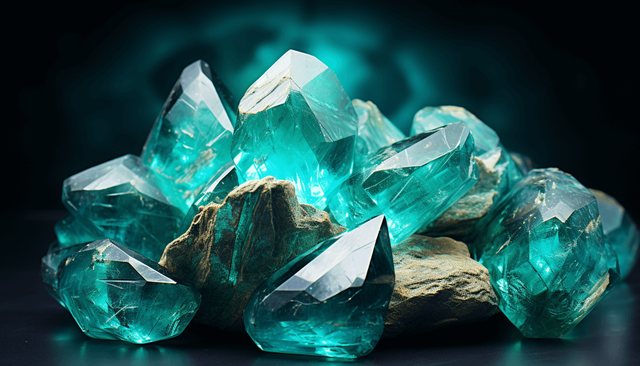
Discover Amazonite's meaning, healing properties, chakra ties, zodiac matches, and everyday uses — plus tips to spot genuine stone…