Crystal & Stones
Carnelian Meaning: Healing Properties & Spiritual Benefits
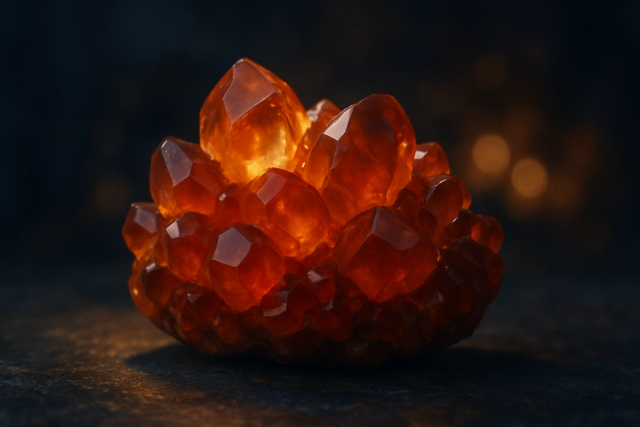
Discover Carnelian's meaning, healing properties, chakra benefits, zodiac matches, and history — plus care tips and FAQs.
 KnowMastery

June is one of the rare birthstone months with three official gems: pearl, alexandrite, and moonstone. Pearl symbolizes purity and innocence, alexandrite represents transformation and balance thanks to its dramatic color change, and moonstone embodies intuition and protection through its glowing inner light. Together, these three stones give June-born individuals an unusually rich range of options for meaningful jewelry.
| Aspect | Details |
|---|---|
| Birthstone Month | June |
| Birthstones | Pearl, Alexandrite and Moonstone |
| Symbolism | Pearl: Purity and Innocence; Alexandrite: Balance and Confidence; Moonstone: Protection, Abundance |
| Origins | Pearl: Produced by living organisms, mainly mollusks; Alexandrite: Discovered in Russia, now also found in Sri Lanka, East Africa and Brazil; Moonstone: Found worldwide, best quality from Sri Lanka |
| Mythology and Beliefs | Pearl: Signifies innocence, purity, and the moon; Alexandrite: Believed to bring luck, good fortune, and love; Moonstone: A sacred stone in India, often associated with lovers |
| Physical Properties | Pearl: 2.5 to 4.5 on the Mohs scale; Alexandrite: 8.5 on the Mohs scale, with dramatic color change; Moonstone: 6 on the Mohs scale, displays adularescence |
| Use in Jewelry | Pearl: Necklaces and earrings; Alexandrite: Rings, pendants, and statement pieces prized for color change; Moonstone: Cabochons, bohemian and vintage-style designs |
| Care and Maintenance | Pearl: Avoid chemicals, wipe with a soft cloth; Alexandrite: Generally durable, avoid harsh chemicals; Moonstone: Clean with soft cloth and mild soapy water, avoid ultrasonic or steam cleaning |
| Psychological and Emotional Significance | Pearl: Purity, honesty, calmness; Alexandrite: Emotional balance, self-esteem, creativity; Moonstone: Inner intuition, abundance, protection |
| Choosing a Birthstone | June offers three options: the classic beauty of pearl, the color-changing rarity of alexandrite, and the mysterious luster of moonstone |
Pearls have served as adornments for thousands of years. The ancient Egyptians, Romans, and Greeks highly treasured this precious gem. Pearls are one of the few gemstones on Earth that require no cutting or polishing before use, as they are formed naturally within an oyster or a clam.
Alexandrite was originally mined in Russia in the early 19th century and named after Tsar Alexander II. It was first found in emerald mines within the Ural Mountains. Today, additional material comes from Sri Lanka, East Africa, and Brazil, but fine-quality alexandrite remains extremely rare and expensive.
Moonstone became especially popular with Art Nouveau jewelers of the early 20th century. It occurs in many parts of the world, including Sri Lanka, Myanmar, India, Madagascar, Brazil, Australia, and the United States, with the finest specimens coming from Sri Lanka.
As June birthstones, pearl, alexandrite, and moonstone each carry mythology tied to purity, love, wealth, and tranquility, making the trio a uniquely layered gift for anyone born this month.
The mythology surrounding each of June's birthstones is quite distinct.
Pearls have long been associated with innocence, purity, and humility. Many ancient cultures linked pearls to the moon, believing they fell into the sea as teardrops, which gave the gem its enduring spiritual and emotional significance.
Alexandrite is often associated with balance and self-esteem because of its chameleon-like color shift. It is considered a stone of good luck, fortune, and love, and is also believed to strengthen intuition, creativity, and personal transformation.

Moonstone has been used in jewelry-making for centuries, and ancient civilizations were no exception. The Romans believed moonstone was formed from solidified moonlight, while both Greeks and Romans connected the gem to their lunar deities. In India, moonstone has long been associated with love and passion and is sometimes exchanged between lovers, though pearl remains the stone more traditionally tied to wedding gifts.
Because June bridges two zodiac signs, these meanings often overlap with astrological traditions. Readers born under Gemini may want to explore crystal stones for Gemini, while those born under Cancer can look into crystal stones for Cancer for stones that complement their birthstone.
Pearls come in shades of white, black, grey, pink, blue, and gold. The rarest overtone is rose (pink), while green, purple, or blue overtones are seen even less often.
Alexandrite is a variety of chrysoberyl whose color shifts from bluish-green in daylight to purplish-red under incandescent light. The value of an alexandrite gemstone depends largely on the strength and quality of this color change.
Moonstone can be colorless, gray, brown, yellow, green, or pink. Its most enticing feature is adularescence, a glowing shimmer that appears to float just beneath the surface of the stone.

As an organic gem, pearl has no carat-weight standard like most gemstones. Its size is directly related to how long it is left to grow inside the oyster. Pearl hardness varies depending on type and quality, typically ranging from 2.5 to 4.5 on the Mohs scale, making it one of the softer gemstones used in jewelry.
Alexandrite is a relatively hard gem, rating 8.5 on the Mohs scale, which makes it suitable for everyday wear. It is also pleochroic, meaning its color appears to shift depending on the angle and type of light under which it is viewed.
Moonstone rates 6 on the Mohs scale, making it relatively soft and prone to scratching if not handled carefully. Its signature glow comes from adularescence, a light-scattering effect produced by its layered, monoclinic crystal structure.
All three June birthstones appear across a wide variety of jewelry styles.
Pearls are most commonly used in necklaces and earrings, though they can be incorporated into nearly any jewelry design. They offer a classic look, whether worn alone or paired with other gemstones. Because pearls are soft and porous, they should always be put on after makeup, perfume, and hairspray have been applied.
Alexandrite works beautifully in rings, earrings, pendants, and bracelets. Its color-changing ability makes it a natural conversation piece. Because fine alexandrite is only available in limited quantities, expect to pay a premium for jewelry made with this gem.
Moonstone is usually cut as a cabochon, a shape that best showcases its adularescence. It is popular in necklaces, earrings, bracelets, and rings, and pairs especially well with bohemian and vintage-inspired designs thanks to its mystical, ethereal quality.
Pearls are fragile and must be handled carefully to preserve their luster. Store them separately from other jewelry so they don't get scratched, and clean them by wiping with a soft cloth, occasionally using mild soapy water when needed.
Alexandrite is durable enough to withstand most cleaning methods, including ultrasonic cleaners. That said, as with most gemstones, it's best to avoid harsh chemicals that could dull its surface over time.
Moonstone is somewhat fragile and should be handled carefully to prevent scratches or damage. Clean it with a soft cloth and mild soapy water, and strictly avoid ultrasonic or steam cleaning, which can damage its delicate internal structure.

Pearl is considered a gemstone of purity, truthfulness, and peacefulness. It is believed to influence faith, charitable instincts, and other grounding aspects of personality.
Alexandrite is said to help balance emotional states, boost self-esteem, and inspire imagination. It is often viewed as a stone of joy that strengthens one's ability to anticipate change and appreciate everyday beauty.
Moonstone is linked with inner intuition and is often described as symbolizing fertility and sensuality. In crystal-healing tradition, it is believed to offer protection during childbirth, pregnancy, or sea travel, though this remains a folk belief rather than a scientifically established effect.
With three very different gems to choose from, it helps to think about how and when you'll wear the stone:
The lore, beauty, and deep symbolism of pearl, alexandrite, and moonstone make all three precious stones a meaningful gift for anyone born in June. Timeless pearl, rare alexandrite, and mystical moonstone each express their charm, appeal, and allure in a distinct way, giving June-born individuals an unmatched range of birthstone options.
Alexandrite is by far the rarest of the three June birthstones. High-quality alexandrite with a strong color change is scarce worldwide, which is why fine specimens command significantly higher prices than comparable pearls or moonstones.
Alexandrite is also typically the most expensive June birthstone, especially in larger sizes with vivid color change. Pearl and moonstone prices vary widely based on quality, but both are generally far more affordable than fine alexandrite.
Yes, many designers combine all three June birthstones into a single piece, such as a pendant or ring, to celebrate the full range of the month's symbolism. Just keep hardness differences in mind, since pearl and moonstone are softer and need gentler care than alexandrite.
Both are relatively soft gems, but pearl (2.5–4.5 on the Mohs scale) and moonstone (6 on the Mohs scale) can both scratch or chip with rough handling. Moonstone is slightly more durable than pearl, making it a marginally better choice for rings or bracelets worn frequently, though neither is as practical as alexandrite for daily wear.
June spans two zodiac signs, Gemini (May 21–June 20) and Cancer (June 21–July 22), so pearl, alexandrite, and moonstone are associated with both. You can explore stone pairings for each sign in our guides to crystal stones for Gemini and crystal stones for Cancer.
No, there is no rule requiring you to pick only one. Since June officially has three recognized birthstones, you are free to wear pearl, alexandrite, and moonstone individually or together, depending on your personal style and budget.
Discover Carnelian's meaning, healing properties, chakra benefits, zodiac matches, and history — plus care tips and FAQs.
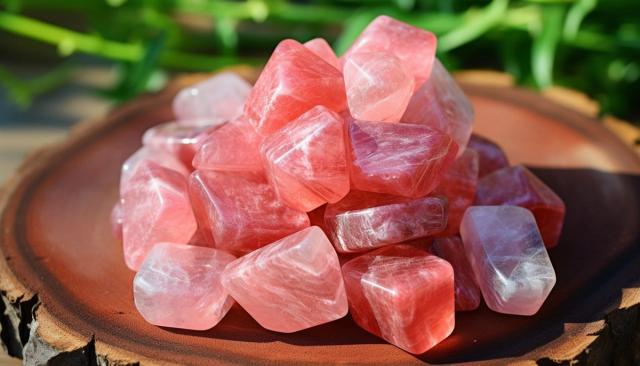
Is Cherry Quartz real or man-made glass? Discover its meaning, chakra uses, healing properties, zodiac links, and care tips.

Discover Jade's meaning, healing properties, chakra connections & spiritual uses. Learn to identify, cleanse, and choose authentic…