
Animal Symbolism
Otter Symbolism: Spiritual Meaning, Totem & Dream Guide
What do otters symbolize spiritually? Explore otter meaning in dreams, as a totem animal, and across Native American, Celtic & Asi…
 KnowMastery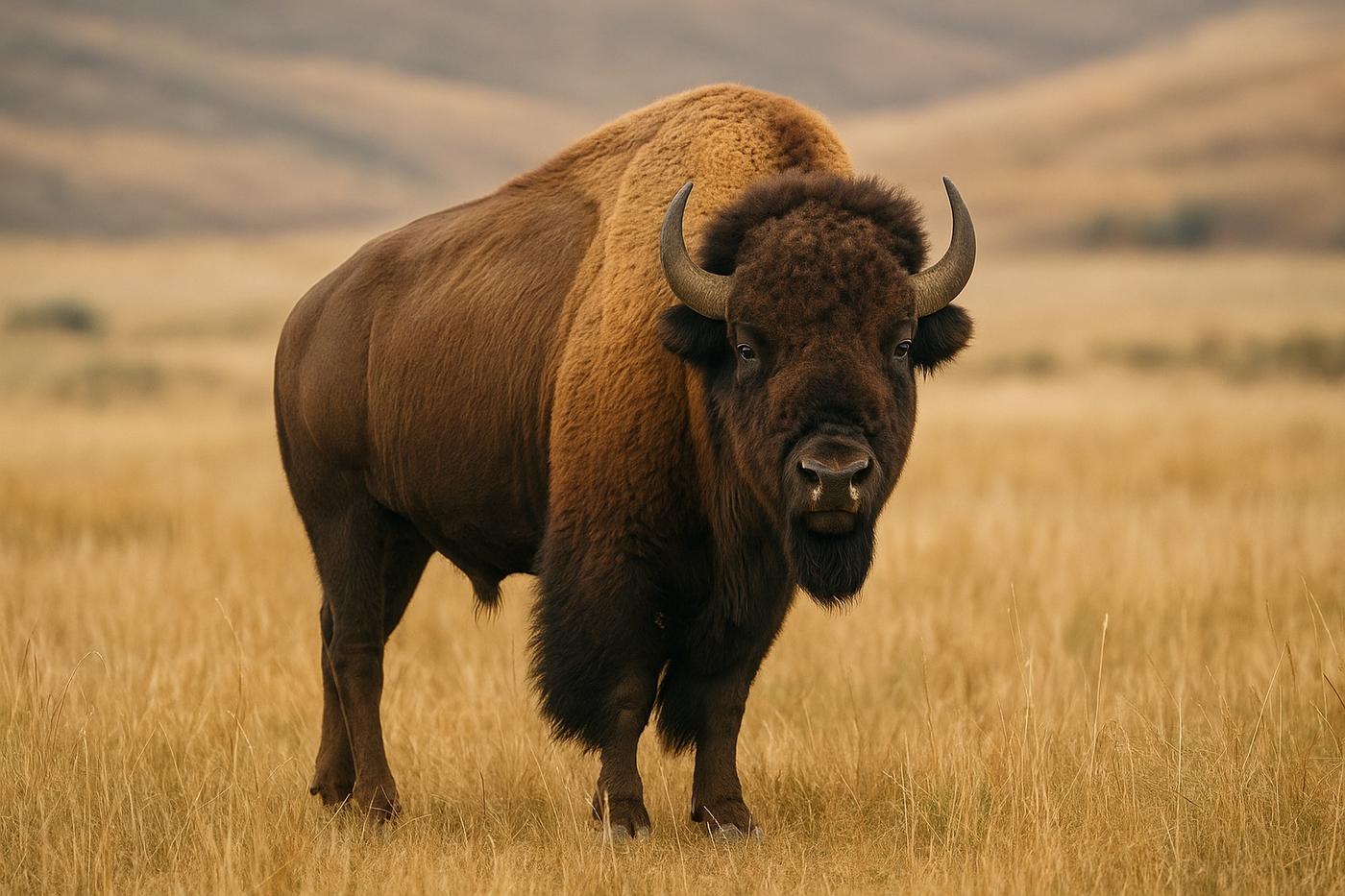
Bison symbolism meaning centers on strength, abundance, resilience, and sacred connection to the Earth. Across Indigenous traditions and modern spiritual practice, the bison represents provision without waste, quiet power, and the balance between giving and receiving — making it a totem of grounded gratitude and steady endurance.
You don't just see a bison—you feel it. The thunder of hooves across ancient plains. The silence of a creature that has seen the world shift and still stands tall. In many cultures, especially among Indigenous peoples of North America, the bison isn't just a powerful animal. It's a spiritual anchor, carrying deep lessons about abundance, humility, survival, and the delicate balance between giving and receiving.
When the energy of the bison shows up—whether in dreams, art, or intuition—it often carries a grounded message: Everything you need is already provided, but you must walk the path with humility and purpose.
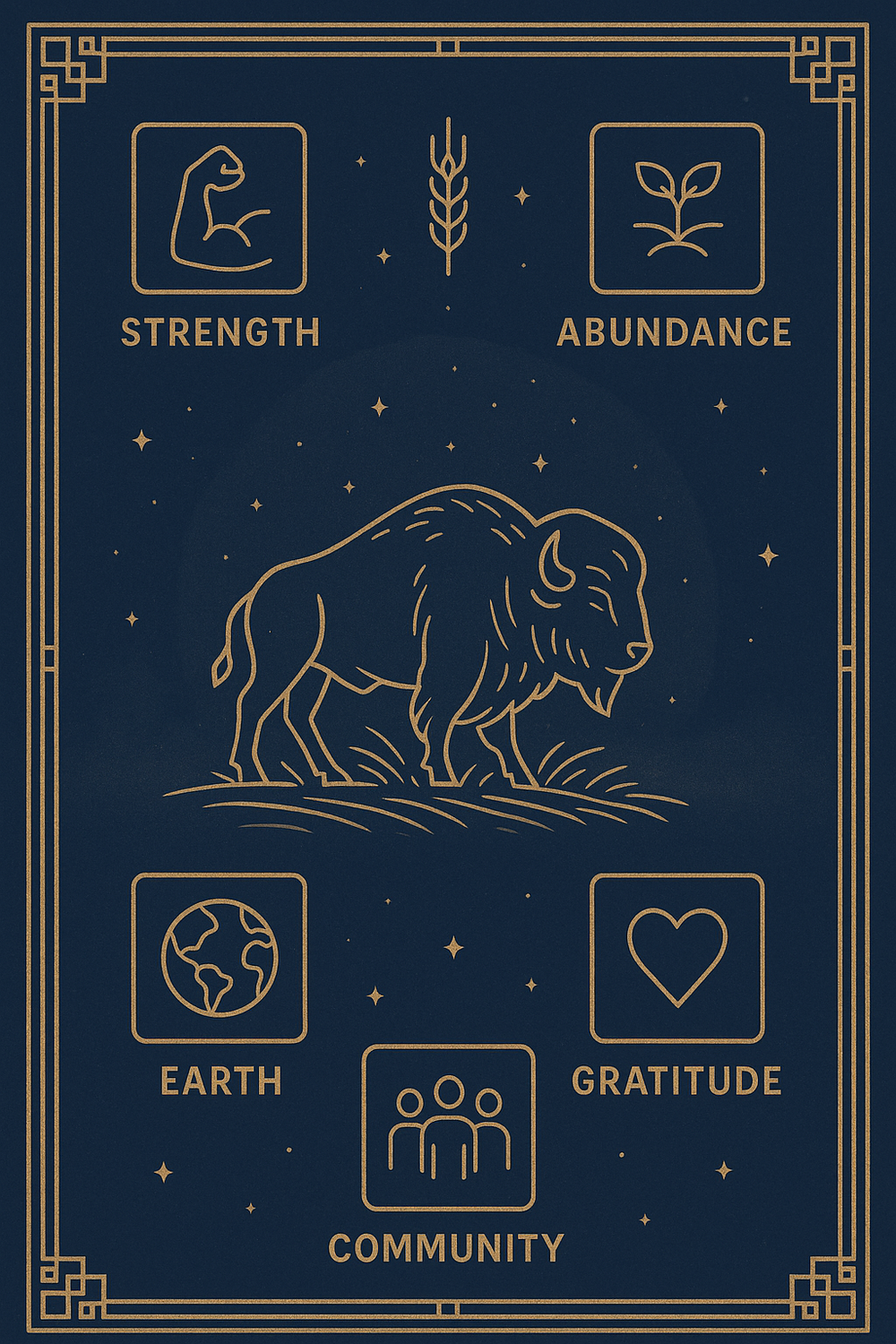
It's a symbol of surviving hardship without bitterness, of thriving in harsh conditions while staying true to one's nature. The bison doesn't rush—but it always moves forward.
One of the most common points of confusion in bison symbolism is the word itself. In everyday North American speech, "buffalo" and "bison" are used interchangeably, but they're technically two different animals with distinct lineages, habitats, and even symbolic weight.
| Feature | Bison | Buffalo |
|---|---|---|
| Scientific Family | Bovidae, genus Bison (Bison bison) | Bovidae, genus Bubalus (water buffalo) or Syncerus (Cape buffalo) |
| Native Region | North America and parts of Europe | Asia (water buffalo) and Africa (Cape buffalo) |
| Physical Traits | Large shoulder hump, shaggy mane, short curved horns | No pronounced shoulder hump, smoother coat, long sweeping horns |
| Symbolic Meaning | Abundance, sacred provision, resilience, communal survival | Strength, hard work, prosperity, family duty |
So when someone talks about the "buffalo nickel" or Buffalo Bill's famous hunts, they're actually referring to the American bison. The naming mix-up dates back centuries, likely from early European settlers who saw a resemblance to the buffalo they knew from Africa and Asia. Spiritually, though, it's the bison—not the true buffalo—that carries the sacred weight in Native American tradition.
At its core, the bison spiritual meaning is about sacred provision. Historically, bison sustained entire nations—providing food, clothing, shelter, and tools. Nothing was wasted. That reverence echoes today through the animal's spiritual symbolism:
When bison appears in your life, it's often asking: Are you walking your path with gratitude? Are you aware of the sacred balance between effort and trust?
If you carry the bison totem, you're someone who moves with steady purpose. You may not be loud, but your presence is unmistakable. You're likely the one people turn to in times of uncertainty—not because you know all the answers, but because you embody grounded strength.
Traits of the bison totem include:
Unlike solitary predators or sharp-eyed sky hunters like the hawk, the bison teaches us how to lead without dominance and give without depletion. Where hawk energy is sharp, focused, and individual, bison energy is patient, communal, and rooted. It's the spirit of collective survival and personal sovereignty at once.
While the totem represents a lifelong archetype, the bison spirit animal often shows up during a specific season of life—usually when you're being called to slow down, trust in provision, and stop forcing outcomes. If bison energy has entered your awareness lately, through dreams, sightings, or even repeated imagery, it's rarely a coincidence.
As a spirit animal, the bison tends to appear when:
Unlike the far-seeing, solitary wisdom of the owl spirit animal, bison spirit medicine works through the body and the land—through presence, not prophecy. Where owl asks you to see clearly, bison asks you to stand steady. Together, they represent two very different but complementary forms of spiritual guidance.
To many Native American tribes, the bison is not just an animal—it's a relative, a gift from the Creator. It plays a central role in spiritual stories, especially those tied to survival, ritual, and prophecy.
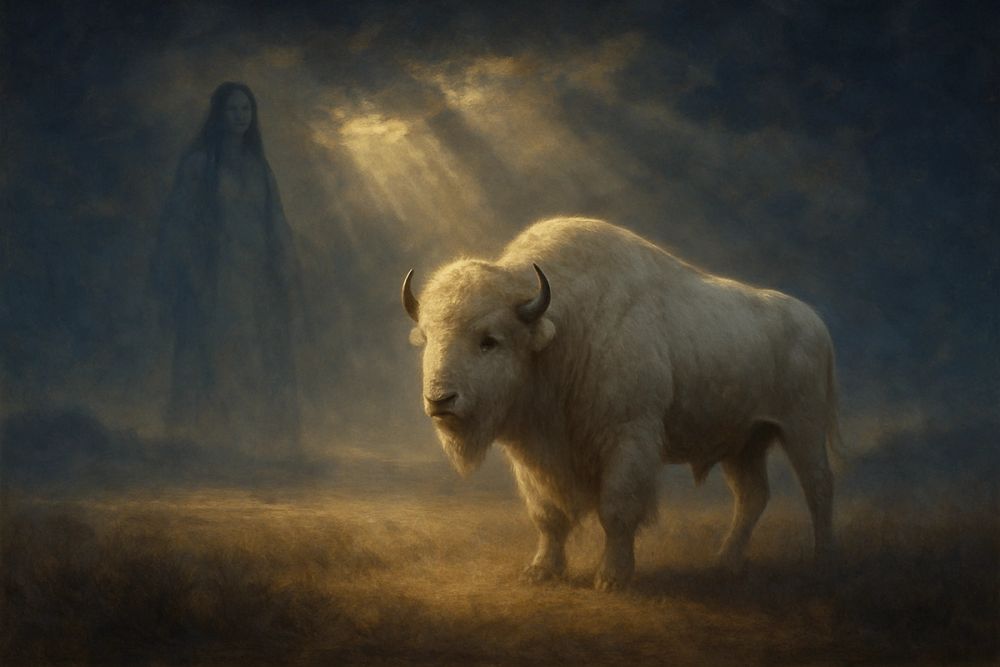
Among the Lakota and other Plains tribes, the arrival of the White Buffalo—a rare bison born with white fur—is considered a sacred sign. It fulfills the White Buffalo Calf Woman prophecy, signaling a time of renewal, healing, and sacred connection between humans and the Earth.
"To see the bison is to remember we are provided for, but we must act with honor."
The Sun Dance ceremony, one of the sacred rites of the Plains tribes, is built around endurance, sacrifice, and prayer, and among its symbolic elements — alongside the eagle and the sun itself — is the buffalo, long honored as central to Plains life. It's not just symbolic—it's ancestral memory woven into the bones of land and spirit.
The bison symbolism meaning can shift depending on color, form, and how the animal appears—whether in the wild, in art, or as a skeletal remnant. Here's a quick summary before the detailed breakdown below.
| Form | Core Symbolic Meaning |
|---|---|
| White Bison | Renewal, unity, and fulfillment of sacred prophecy |
| Black Bison | Mystery, introspection, and strength found in darkness |
| Painted/Artistic Bison | Storytelling, cultural memory, and passed-down teachings |
| Bison Skull | Sacrifice, reverence, and the sacred cycle of life and death |
A white bison is the rarest and most sacred variant, tied directly to the White Buffalo Calf Woman prophecy. It symbolizes renewal, unity among nations, and the fulfillment of spiritual promise. Seeing a white bison—literally or symbolically—is considered a sign of profound change and collective healing.
A black bison, whether in vision or imagery, often represents the unknown—mystery, introspection, and the quiet strength found in darkness or difficulty. It's a reminder that resilience doesn't always look bright; sometimes it looks like enduring silence before renewal.
In Indigenous ledger art, pottery, and modern illustration, a painted bison often symbolizes storytelling and cultural memory. Each mark or color choice can represent a specific teaching, historical event, or spiritual blessing passed down through generations—turning the image itself into a vessel of meaning.
A bison skull carries a different weight entirely—it speaks to sacrifice, reverence, and the sacred cycle of life and death. Far from morbid, skulls were (and still are) used ceremonially to honor the animal's spirit and give thanks for what it provided. It's a symbol of gratitude that outlives the physical form.
Beyond their sacred role in Indigenous tradition, bison have become powerful symbols of American heritage and national memory. But unlike many symbols of conquest or dominance, the bison represents something more ancient, more patient: survival with grace.
You've likely seen the bison on the Buffalo nickel, the Wyoming state flag, or the logo of the U.S. Department of the Interior. In 2016, this iconic animal was officially named the National Mammal of the United States—a recognition of its deep-rooted cultural and ecological significance.
But it's also a symbol of healing. After being driven to near-extinction in the 19th century, the bison has made a slow but inspiring comeback—thanks to tribal stewardship, conservationists, and public land protection.
"To restore the bison is to restore the relationship between land, people, and spirit."
In that sense, the bison symbolism today is also about redemption, resilience, and repairing broken cycles—both personal and collective.
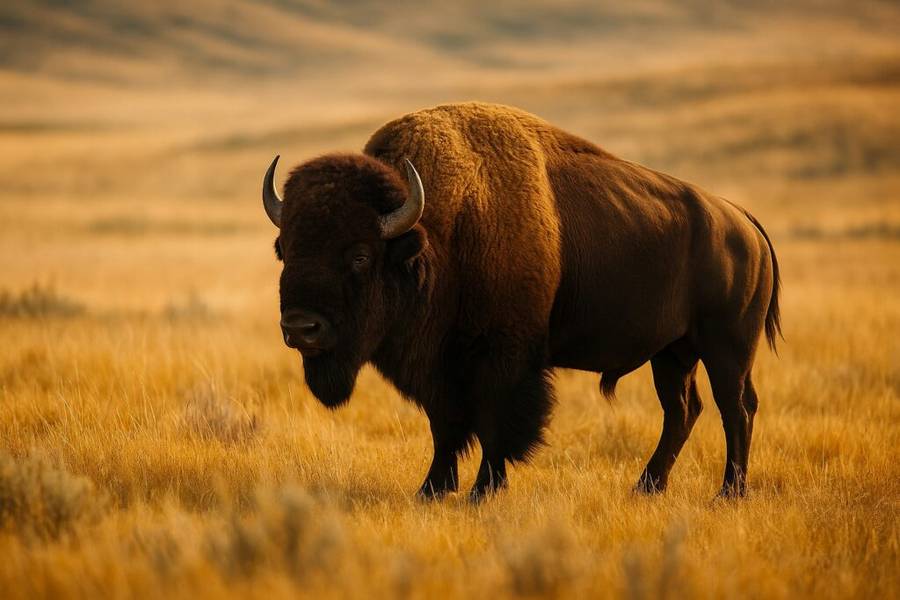
When a bison visits your dreams, it often carries a spiritual nudge. This isn't a random animal—it's an ancestral messenger.
If the bison is charging, it may reflect internal pressure building—perhaps it's time to release pent-up energy or take decisive action. If it's grazing calmly, that's an invitation to return to your roots, stay grounded, and let abundance come naturally.
Today, bison energy continues to evolve. It lives in the spiritual work of land-based healers, in the dreams of those reconnecting with the Earth, and in the stories of communities rebuilding from trauma with quiet strength.
Compared to sky messengers like the crow, who carries omens and transformation, or the swan, who embodies grace and devotion, the bison's medicine is earthbound and communal. It doesn't fly ahead to warn or glide with elegance—it walks beside you, steady and unshaken, reminding you that grounded presence is its own form of wisdom.
Whether you see the bison as a guide, a totem, or a personal reminder of resilience, its symbolism is not about force—it's about sacred presence. It teaches us that true abundance comes not from taking more, but from honoring what we already have.
The bison symbolizes abundance, endurance, sacred connection to the Earth, and spiritual gratitude. It invites you to slow down and walk with reverence, trusting that provision comes to those who honor the land and their community.
Yes, the bison functions as both. As a totem, it represents a lifelong archetype of strength in community, patience, and humility. As a spirit animal, it tends to arrive during specific seasons of transition, calling you toward grounding and trust.
Dreaming of a bison suggests you're reconnecting with your strength or being called to ground yourself. It often appears during times of life transition, healing, or when you need reassurance that stability is on its way.
Bison and buffalo are related but distinct animals. True buffalo (water buffalo and Cape buffalo) live in Asia and Africa, while the shaggy, humped animal native to North America is technically a bison—though "buffalo" is commonly used as a nickname for it in everyday American speech.
A bison tattoo typically symbolizes resilience, sacred abundance, and grounded strength. Many people choose it to honor Indigenous heritage, mark a personal season of rebuilding, or carry a permanent reminder to lead with humility rather than force.
The bison holds deep spiritual significance for many Plains tribes, including the Lakota, Blackfoot, Cheyenne, Crow, and Comanche. For these nations, the bison was historically a source of food, shelter, and tools, and it remains central to ceremonies like the Sun Dance and prophecies such as the White Buffalo Calf Woman story.
The bison symbolizes resilience, recovery, and national heritage. Once nearly extinct, it became the U.S. national mammal in 2016 as a symbol of restoration, unity, and the ongoing relationship between land, wildlife, and people.
What do otters symbolize spiritually? Explore otter meaning in dreams, as a totem animal, and across Native American, Celtic & Asi…
What does a peacock symbolize spiritually? Explore its meaning in dreams, feather colors, love, mythology, and everyday sightings.

Discover what penguins symbolize spiritually — totem meaning, dream interpretation, love/loyalty, tattoos and Christian symbolism …