
Symbols
Double Infinity: Delving into the Symbolism of Endless Possibilities
Table of Content Origins and Evolution of the Double Infinity Double Infinity in Math and Science Philosophical and Psychological …
 KnowMastery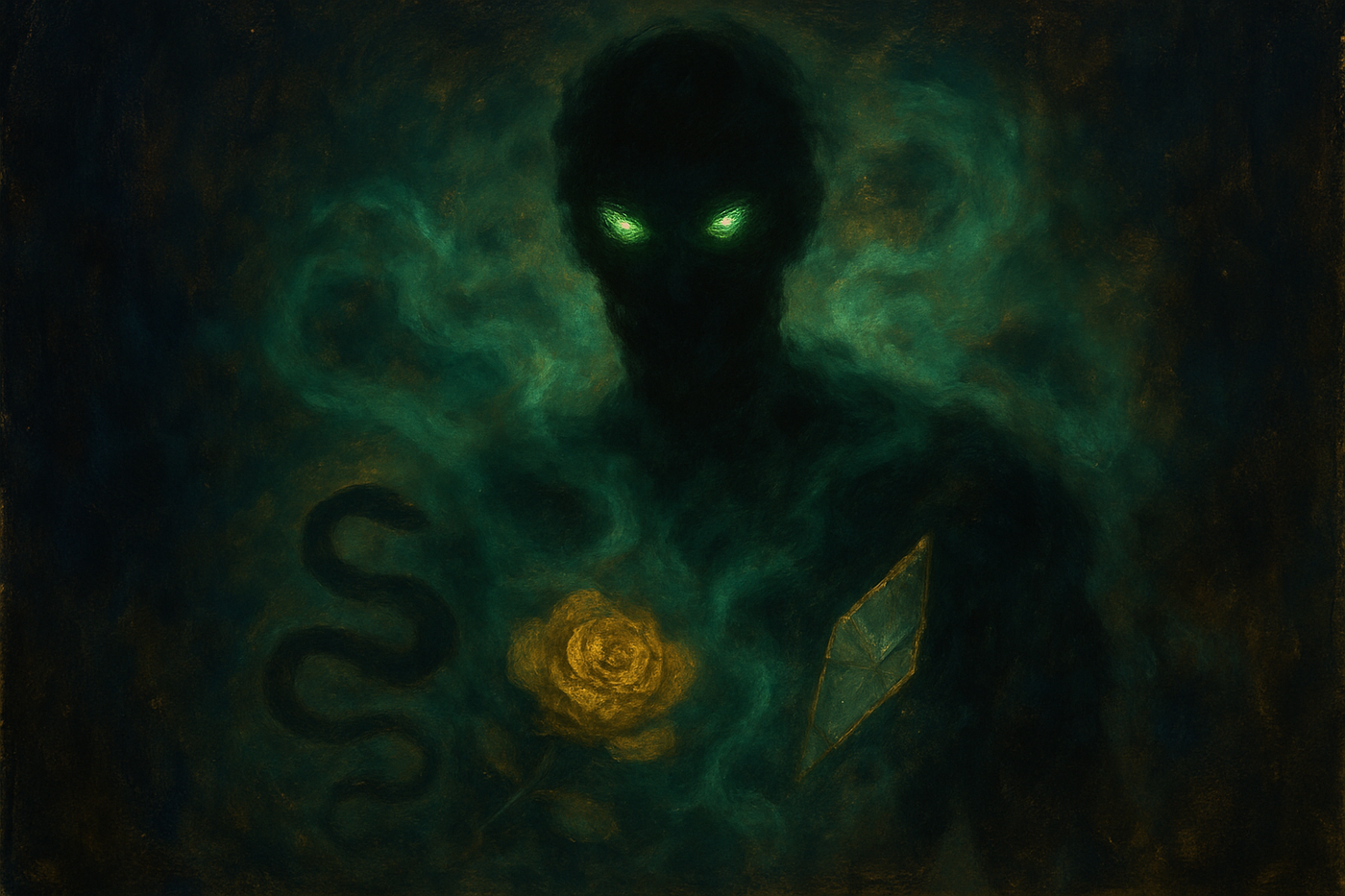
The most common symbols of jealousy are the yellow rose, the snake, the color green, the Evil Eye, and the multi-headed Hydra from Greek mythology. Cultures across history have also used marigolds, scorpions, broken mirrors, fire, and the devil to represent envy, resentment, and the fear of losing what we love. Below, we break down 24 of these symbols — grouped by flowers, animals, myth, objects, and color — so you can quickly find the meaning you're looking for.
Jealousy — the "green-eyed monster" Shakespeare wrote about so memorably — is one of the oldest and most tangled emotions in human experience. It blends envy, resentment, insecurity, and fear into a single, uncomfortable feeling. Because it's so universal, nearly every culture has invented images and creatures to give it a face. Let's take a closer look at how humans, across centuries and continents, have tried to capture this emotion in symbol form.
Jealousy can feel like an itch you can't quite locate. It's a complex emotion that flares up when a partner shows interest in someone else, when a colleague gets the promotion you wanted, or simply when we feel we're not enough. While it's often viewed negatively, jealousy is also one of the driving forces behind ambition and desire. It's a very human feeling — one that reveals both our vulnerabilities and the things we care about most.
Cultures around the world have long used symbols to express feelings, beliefs, and values that are difficult to put into plain words. Because jealousy is universal, it has accumulated its own rich set of symbols — mirrors of how societies understand this emotion and the damage it can do to relationships. From flowers and animals to myths and colors, each symbol tells its own version of the same very human story.
| # | Symbol | Category | Meaning |
|---|---|---|---|
| 1 | Hyacinth (Yellow) | Flower | Misfortune born from a jealous quarrel |
| 2 | Marigold | Flower | Grief and desolation over love |
| 3 | Yellow Rose | Flower | Unfaithfulness and jealousy |
| 4 | Himalayan Honeysuckle | Flower | Envy turned to bitterness |
| 5 | Fofo Plant | Flower | Resentment and envy |
| 6 | Thorn Bush | Flower | Pain jealousy can inflict |
| 7 | Dog | Animal | Possessiveness and guarding |
| 8 | Snake | Animal | Deception and calculated envy |
| 9 | Scorpion | Animal | Revenge and resentment |
| 10 | Vulture | Animal | Waiting for another's failure |
| 11 | Rat | Animal | Sneakiness and betrayal |
| 12 | Pthonus | Myth | Personification of jealousy itself |
| 13 | Hydra | Myth | Envy that multiplies unchecked |
| 14 | Leviathan | Myth | Overwhelming waves of envy |
| 15 | Green-Eyed Monster | Myth | Classic metaphor for jealousy |
| 16 | Broken Mirror | Object | Broken trust and envy |
| 17 | Evil Eye | Object | Malice, envy, and its warding-off |
| 18 | Spider Web | Object | Entrapment by jealousy |
| 19 | Dark Cloud | Object | Looming, impending jealousy |
| 20 | Dagger | Object | Harm caused by envy |
| 21 | Fire | Object | Consuming, all-devouring jealousy |
| 22 | Venom | Object | Poisonous thoughts and feelings |
| 23 | Green Color | Color | Universal color of envy |
| 24 | Devil | Color/Abstract | Temptation and resentment |
A walk through a garden can stir up powerful emotions. Flowers, with their bright colors and delicate petals, have always been messengers of feeling — and some have carried tales of jealousy for centuries. If you're curious how other plant-based symbols represent balance and interconnected life, see our guide to the Tree of Life before diving into these envy-tinged blooms.
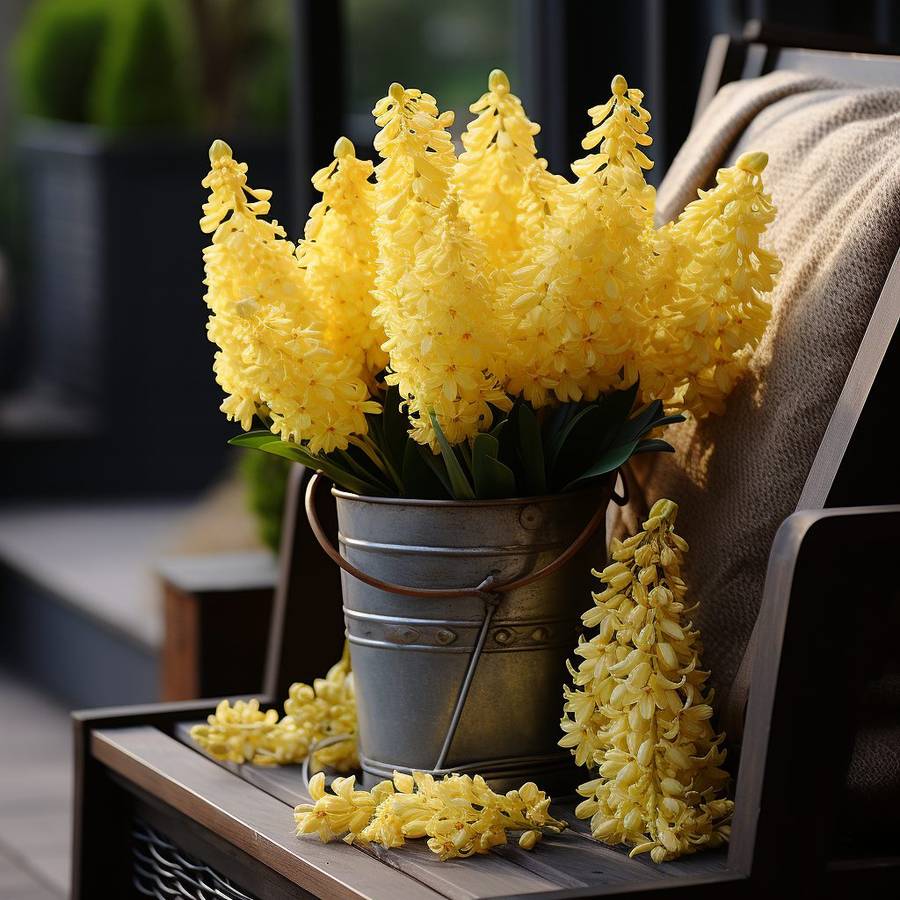
Imagine a flower so beautiful yet stained with tragedy. The yellow hyacinth is closely tied to misfortune and jealousy. According to legend, its bloody-hued stems grew from a jealous quarrel between two gods over Hyacinthus, a boy as beautiful as a blooming flower — a reminder that beauty and pain often intertwine.
Fiery marigolds look like sunlight trapped in petals, but behind that brilliance lies a story of desolation and grief. In several cultures, giving someone marigolds is a subtle way of signaling jealousy or discontent in a relationship — a beautiful yet bittersweet symbol of love's complexity.
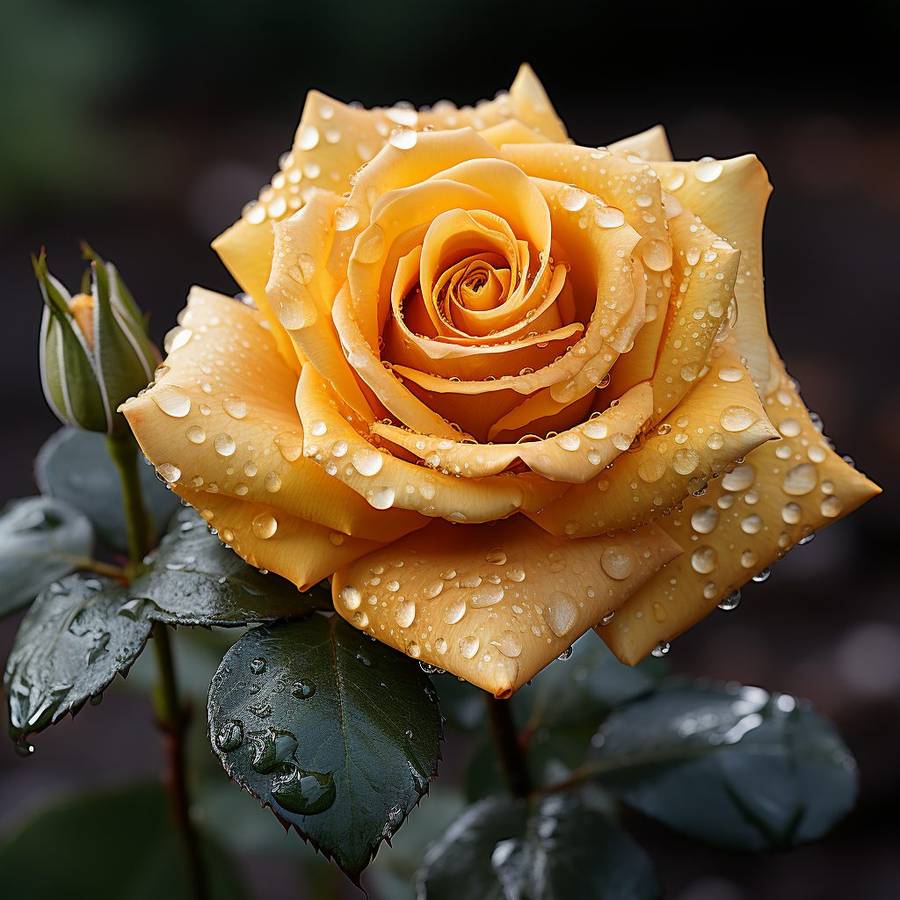
Roses classically symbolize love — but change the color, and the meaning shifts entirely. In some later floral traditions, yellow roses picked up an association with jealousy and infidelity, though the more established historical meaning assigned to yellow roses in Victorian flower language was friendship rather than betrayal. If someone hands you a bouquet of yellow roses, it might be worth asking what they really mean.
Nicknamed the "jealousy shrub," the Himalayan Honeysuckle wears its symbolism in its name. Its alluring berries and flowers might draw you in, but the plant is a reminder of how envy, left to fester, curdles into bitterness.
The unusual-looking Fofo plant is emblematic of resentment and envy in several cultures. It's proof that jealousy isn't just a human emotion — it's a theme woven deeply into the natural world, expressed in countless different forms.
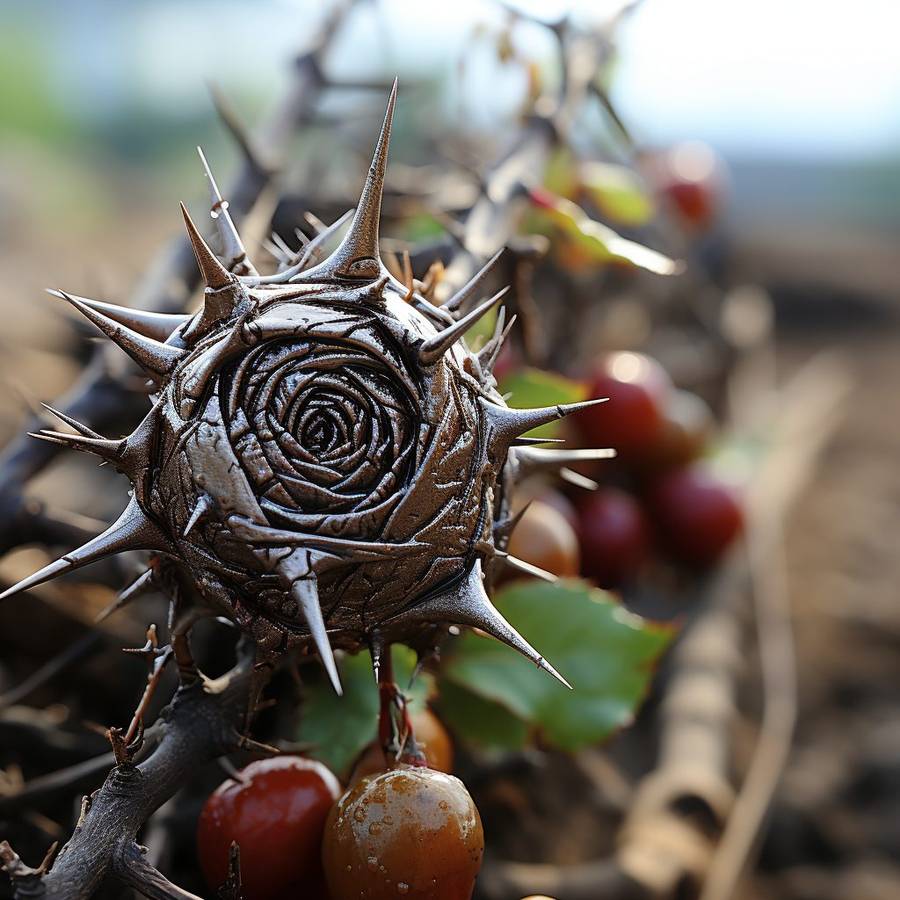
Ever been pricked by a thorn? That sharp, sudden sting is exactly what the thorn bush represents: the pain and discomfort jealousy can inflict. It's nature's own warning label — proceed with caution, because jealousy leaves marks.
Each flower in this garden tells its own tale of envy, proof that even nature captures the complexity of human emotion. Jealousy is natural in small doses — but it's just as important to tend the flowers of understanding and love.
Having wandered the garden of jealousy, it's time to step into the wild. Animals, driven by raw instinct, often mirror our own emotional behavior in the most primal ways — and several species have become lasting symbols of the green-eyed monster.

Ever watched a dog guard its favorite toy or growl when a stranger gets too close to its owner? That's canine jealousy in action. Dogs are naturally possessive thanks to their fierce loyalty, and their behavior essentially says, "This is mine — keep your distance."
The snake, silently slithering through the grass, has embodied deception and envy for millennia. Across ancient and modern stories alike, snakes are portrayed as calculating and envious, waiting patiently for the right moment to strike. Their hypnotic gaze is often read as a symbol of scheming intent — beware the green-eyed snake.
With a sting that lingers long after contact, scorpions are natural symbols of revenge and resentment. They embody the old saying that there's nothing quite like a creature scorned — a reminder that jealousy's sting can be just as dangerous as its bite.
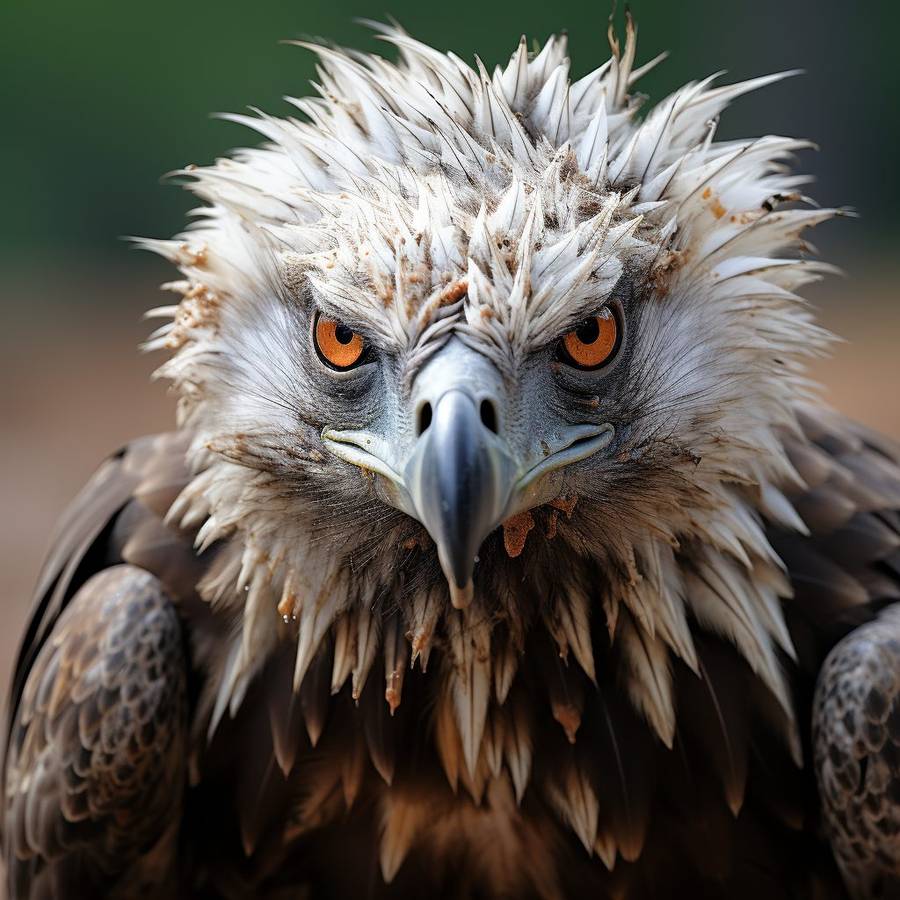
Circling patiently overhead, waiting for the right moment to swoop down — the vulture is the ultimate symbol of waiting for someone else's failure. Its behavior mirrors schadenfreude, the uncomfortable pleasure some people take in others' misfortune, and it's a stark reminder that jealousy can quietly root for another's downfall.
Quick, cautious, and always watching, rats have become symbols of sneakiness and betrayal. They represent the quiet whispers in the dark, waiting for the right opening to act on jealous instinct — nature's reminder that envy can hide in the smallest, least expected places.
From loyal dogs to calculating snakes, animals show us that jealousy isn't purely a human trait — it's woven into the instincts of the animal kingdom too. The lesson is the same across species: it's natural to feel envy occasionally, but it's what we do with that feeling that matters.
Now that we've covered plants and animals, let's dig into mythology, where jealousy has been personified and immortalized in some of humanity's oldest stories.
In ancient Greek mythology, Pthonus was the literal embodiment of jealousy and envy — a deity whose entire identity was built around the emotion. He was said to lurk in the shadows, whispering doubt and sowing discord wherever he went, an early and poignant reminder that unchecked jealousy can destroy us from within.
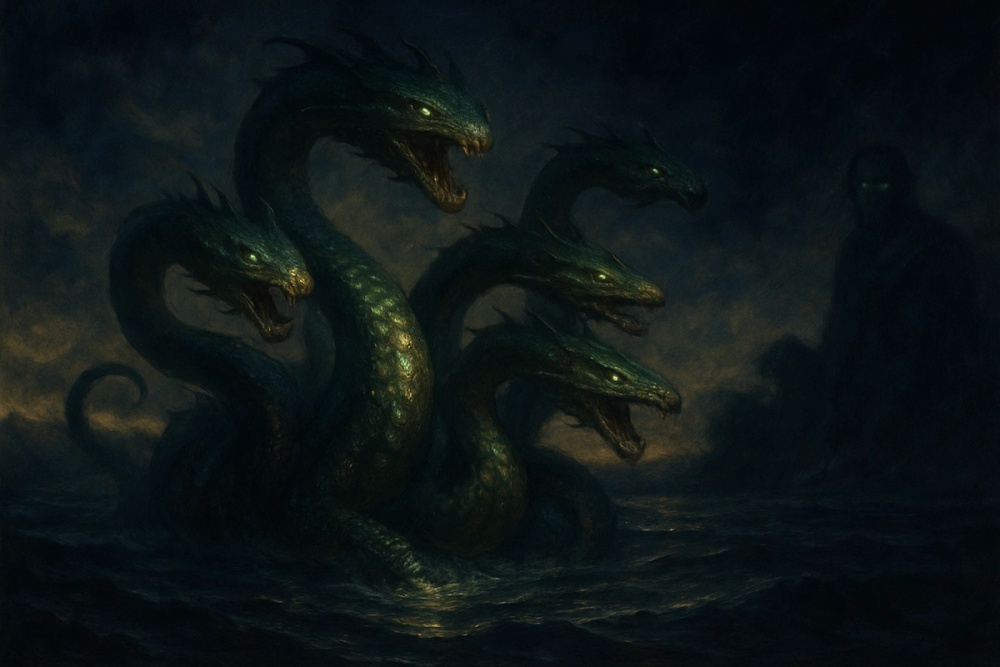
The Hydra, the many-headed serpent of Greek mythology, offers one of the most striking metaphors for envy: cut off one head, and two more grow in its place. Left unaddressed, jealousy behaves the same way — one envious thought can multiply into several. But as with the Hydra, the battle is winnable with the right strategy.
In later medieval Christian demonology—not the Bible itself—the sea monster Leviathan was paired with envy as one of the seven deadly sins, following Peter Binsfeld's 16th-century classification of demons. Like the Leviathan resting in the ocean's depths, jealousy can lie dormant within us — quiet, but never entirely gone.
The phrase is widely, though not certainly, credited to Shakespeare, who is believed to have coined 'green-eyed monster' in Othello after earlier writing of 'green-eyed jealousy' in The Merchant of Venice. It describes jealousy as a creature capable of taking over a person entirely, transforming them into someone almost unrecognizable — a vivid warning about what happens when the emotion is left unchecked.
These myths and legends serve as mirrors, reflecting our ongoing struggle with envy and reminding us of the value of self-awareness. The next time jealousy rears its head, these ancient stories offer a reminder to face it with courage and clarity rather than letting it take control.
Beyond flowers, animals, and myth, jealousy has also been captured in everyday objects and natural elements — powerful shorthand for an emotion that's often hard to name directly.
Beyond the superstition that breaking a mirror brings seven years of bad luck, the shattered glass also symbolizes broken trust and envy. Just as a mirror reflects an image back to us, trust reflects our faith in another person — and when envy cracks that trust, it shatters just as easily.
The Evil Eye is one of the most widely recognized symbols of malice and envy, often worn as an amulet believed to protect its wearer from envious or ill-intentioned gazes. For a deeper look at a related protective talisman, see our guide to the Hamsa hand, which is also used across cultures to guard against the Evil Eye and jealous intent.
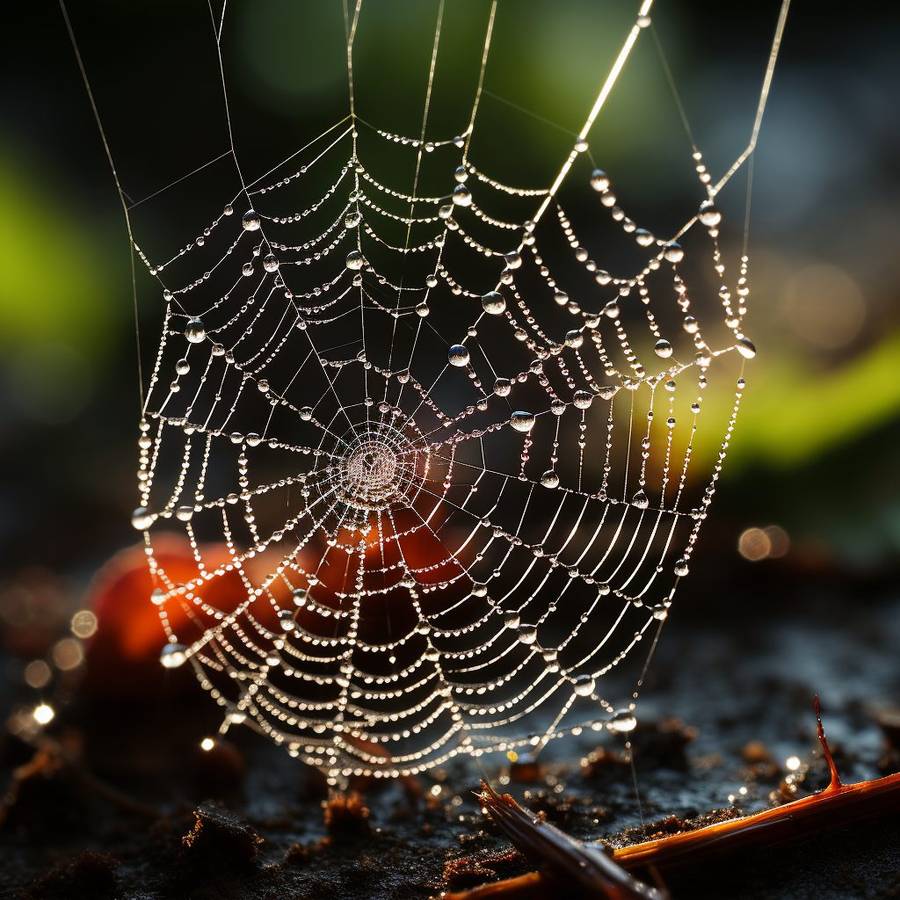
Like a spider snaring its prey, jealousy can trap us in a web of negativity. It's a sticky emotion — one that leaves us tangled the way an insect gets caught in silken threads. The next time you spot a web, let it remind you to break free from envy's grip.
A dark cloud on the horizon threatens a coming storm, much like looming jealousy casts a shadow over our happiness before it fully arrives. Every cloud has a silver lining, though — self-awareness is what lets us see through jealousy's fog and keep moving forward.
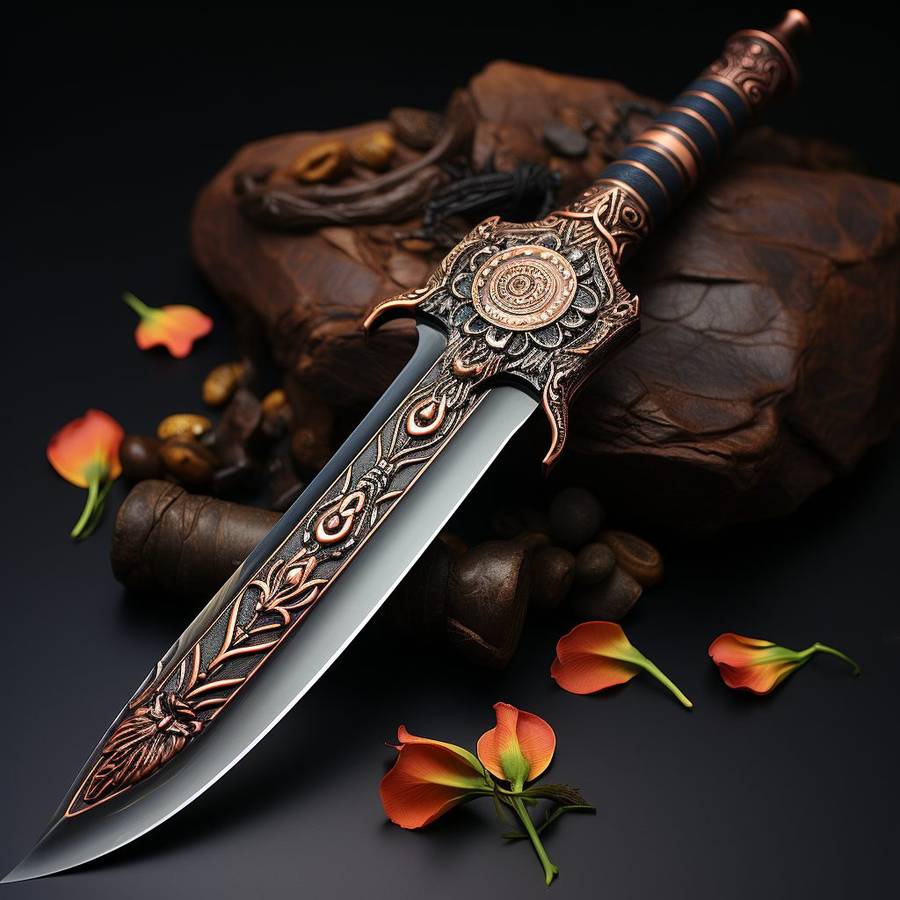
The sharp, menacing dagger has long symbolized harm and betrayal born from envy — a reminder of how far jealousy can push someone. As the old saying goes, it's not the dagger that's dangerous, but the hand that wields it. Controlling that hand is the real challenge.
Fire's scorching flames make it a fitting symbol for jealousy's consuming nature. Left unchecked, jealousy can eat away at our peace of mind just as fire devours everything in its path — but like fire, it can also be controlled and put to productive use.
Venom captures the toxic thoughts and feelings jealousy can inject into our minds. A single drop is sometimes enough to color our entire perspective with envy — but understanding ourselves and others acts as the antidote, neutralizing its effects before they spread.
Together, these objects and elements remind us that jealousy's power shouldn't be underestimated. Understanding these symbols — and what they warn us about — is often the first step toward keeping the green-eyed monster at bay.
Finally, let's look at the colors and abstract symbols most closely tied to jealousy — simple at a glance, but layered with meaning underneath.
Why do we say "green with envy"? In many cultures, green has become the default color for jealousy — a kind of emotional traffic signal warning "jealousy ahead." Some trace this to the sickly pallor envy can produce; others point to the green-eyed monster metaphor. Whatever the origin, green remains the go-to color for this emotion worldwide.
The devil, traditionally depicted with horns and a pitchfork, represents temptation and resentment — often imagined whispering jealous thoughts into someone's ear. For a broader look at how good-versus-evil imagery appears across faith traditions, see our guide to Catholic symbols. The devil represents the darker pull of human emotion, but the classic image of an angel on the other shoulder reminds us there's always a path toward compassion instead.
From flowers to mythological monsters, from everyday objects to a single color, these 24 symbols reveal just how deeply humans have grappled with jealousy across cultures and centuries. Left unchecked, jealousy behaves like fire — consuming everything nearby. But with self-awareness, it can instead be channeled toward growth.
Here's a quick recap of the five categories covered in this guide:
Jealousy is really just one half of a much bigger emotional equation — the opposite of the balance and harmony represented by symbols like the yin and yang. Recognizing jealousy for what it is, and consciously working toward equilibrium, is often the real path forward. The next time you spot a yellow rose or a flash of green, remember the deeper meaning behind it — and explore more of our symbolism guides to keep building your understanding of what these ancient signs are really telling us.
The most common symbols of betrayal are the snake, the rat, and the dagger. The snake represents calculated deception, the rat symbolizes sneaky, behind-the-scenes disloyalty, and the dagger represents the sudden harm that betrayal can cause, often driven by underlying jealousy.
The snake is the symbol most universally tied to deceit and deception. Across cultures and centuries, snakes have been portrayed as patient, calculating creatures that wait for the perfect moment to strike, making them a natural stand-in for hidden envy and dishonesty.
Jealousy and envy are related but not identical. Envy is wanting something someone else has, while jealousy is the fear of losing something you already possess — such as a relationship or status — to someone else, which is why many symbols on this list, like the yellow rose and the dog, overlap both meanings.
Green is the color most widely associated with jealousy, thanks in part to the phrase "green with envy" and Shakespeare's "green-eyed monster." Some trace the association to the pale, sickly complexion envy can cause, while others link it to older cultural beliefs about the color itself.
Table of Content Origins and Evolution of the Double Infinity Double Infinity in Math and Science Philosophical and Psychological …

What does an hourglass symbolize? Explore its meaning of time, mortality, balance and spiritual renewal — plus tattoo, dream and t…
Discover the lotus flower's meaning across Hinduism, Buddhism & Egypt—purity, enlightenment, rebirth—plus colors, dreams, and how …