Symbols
Duality: The Balance of Opposites
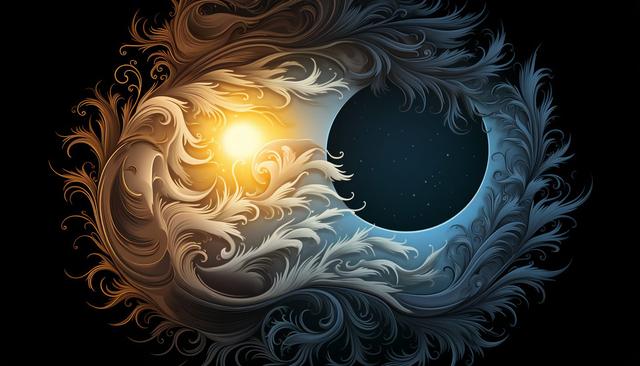
“There are two sides of every coin.” The age-old saying deciphers the meaning of duality, a concept as old as human thought. Duali…
 KnowMastery
 Death and rebirth symbols represent the universal pattern of ending, dissolution, and renewal found in tarot's Death card, myths like Osiris and Persephone, and natural cycles such as snakes shedding skin or seeds breaking open to grow. These symbols rarely point to physical death. Instead they mark a transition where an old identity, habit, or chapter ends so something new can take its place.
There is a reason the Death card makes beginners flinch when it turns up in a reading. Something in us recognizes the weight of that skeletal figure before we understand the message behind it. We have all felt a version of that ending: a relationship that closed, a job that disappeared, a version of ourselves we had to leave behind to keep growing.
And yet the same imagery that frightens us also shows up in the stories we tell our children. A caterpillar dissolves into liquid inside its chrysalis before it becomes a butterfly. A seed rots in the dark before it becomes a tree. Across tarot, myth, and the natural world, death is rarely the final word. It is the hinge the next chapter swings on.
In the Rider Waite Smith deck, the Death card shows a skeletal rider on a pale horse, moving past fallen kings and pleading figures while the sun rises between two towers in the background. The image goes back further than that deck. Fifteenth century Italian decks like the Visconti Sforza already carried a card labeled "La Morte," and readers have treated it the same way for over five hundred years: a signal that one phase is closing, not a prediction of literal death.
The card sits at position thirteen in the Major Arcana, a number already tied to endings and transformation in numerology, where thirteen reduces to four, the number of structure and foundation rebuilding itself. That number is not an accident of design. It reinforces the idea that something falls apart so a sturdier structure can take its place.
When Death appears reversed, it usually points to resistance. The person is clinging to a job, a relationship, or a self-image that has already died in every way except on paper. The reversed card asks a blunt question: what are you still holding onto that needs to be released?
Long before tarot existed, cultures built entire religious systems around the idea that death feeds life. Egypt and Greece give two of the clearest examples, though the same pattern shows up in Norse and Aztec sources too.
In Egyptian myth, Osiris is murdered and dismembered by his brother Set, then reassembled and revived by his wife Isis long enough to conceive their son Horus. Osiris then rules the underworld as judge of the dead. The Nile flood that renewed Egyptian farmland each year was read as Osiris's own body bringing life back to the land. Death here is not an exit from the system. It is the mechanism that keeps the system running.
Persephone's abduction by Hades and her annual return to her mother Demeter gave the Greeks a working explanation for winter and spring. Each year she descends into the underworld and the earth goes dormant. Each spring she returns and crops grow again. The myth turns the dying season into a rehearsal for renewal rather than a true ending, a pattern echoed in the Tree of Life traditions found in Norse, Kabbalistic, and Celtic cosmology, where roots die back and branches regrow in an endless loop.
The phoenix appears in Greek, Egyptian, and later Christian writing as a bird that burns itself to ash every few hundred years and rises from the remains. Unlike Osiris or Persephone, the phoenix carries no external rescuer. It destroys itself and rebuilds itself, making it one of the purest images of self-directed transformation in world mythology.
The ouroboros, a serpent or dragon eating its own tail, shows up first in Egyptian funerary texts like the Enigmatic Book of the Netherworld around 1400 BCE, where it coils around the sun god Ra during his nightly passage through death and back into daylight. Greek alchemists later adopted the image, and by the time it reached European alchemy manuscripts it stood for a cycle with no fixed starting point, where consuming and creating are the same motion. Unlike Osiris or Persephone, the ouroboros does not describe two separate states. It argues that death and rebirth were never actually separate to begin with.
Nature does not need myth to make its point. The biological world runs on the same pattern, and you can watch it happen.
Religious traditions frame death and rebirth differently depending on what they believe happens to the self afterward.
Christian iconography centers resurrection as a one-time, literal event tied to the crucifixion and empty tomb, and symbols such as the cross, the butterfly, and the phoenix appear throughout Catholic symbols as visual shorthand for that belief. Hindu and Buddhist traditions instead describe samsara, a repeating cycle of death and rebirth across many lifetimes, with the goal of eventually stepping off the wheel through enlightenment. Norse mythology takes a harsher view with Ragnarok, where the old gods die in a final battle so a renewed world can rise from the wreckage.
These traditions do not agree on mechanics, but they agree on structure: something has to end cleanly before something new can take hold. Partial endings tend to produce partial rebirths.
Dreaming of your own death is one of the most common anxiety dream themes people report, and it almost never predicts actual death. It usually surfaces during major life transitions such as a breakup, a move, a graduation, or a career change, when the subconscious is processing the end of one identity and the uncertain shape of the next.
Dreams of rebirth, being born, finding a baby, or emerging from water tend to follow close behind death dreams in the same sleep cycle, almost like the second half of the same message. If you track these dreams with any regularity, the same instinct that leads people to study a dream catcher for protection from disturbing imagery applies here: write the dream down immediately, note what changed in your waking life that week, and look for the pattern rather than a single frightening image.
These symbols are only useful if they change something. A few concrete ways to apply the pattern:
| Symbol | Origin | Core Meaning |
|---|---|---|
| Tarot Death card | Western esoteric tradition, 15th century Italy | End of a cycle, forced release of the old self |
| Phoenix | Greek and Egyptian myth | Self-caused destruction and self-caused renewal |
| Osiris | Ancient Egypt | Death as the engine of agricultural renewal |
| Persephone | Ancient Greece | Seasonal death and return explaining winter and spring |
| Ouroboros | Egyptian funerary texts, later Greek alchemy | A cycle with no fixed start or end point |
| Snake shedding skin | Mediterranean and global folklore | Healing through full release of the old form |
| Butterfly metamorphosis | Observed in nature worldwide | Complete dissolution before new form emerges |
The Death card almost always signals the end of a cycle rather than physical death. It points to a relationship, job, habit, or self-image that has run its course and needs to be released so something new can take shape.
Snakes shed their entire outer skin in one piece as they grow, revealing a fresh layer underneath. Ancient Greek culture read this as a literal image of dying to an old form and emerging renewed, which is why the serpent became tied to Asclepius and to healing as much as to danger.
These dreams usually appear during periods of major change, such as a breakup, job loss, or big move, and reflect your mind processing the end of one identity and the start of another. They are extremely common and rarely carry any literal warning about your health or safety.
The phoenix represents both at once. In Greek and Egyptian accounts, the bird burns itself to ash and then rises from those same ashes, making it one of the clearest mythological images of destruction and renewal happening as a single continuous act rather than two separate events.
“There are two sides of every coin.” The age-old saying deciphers the meaning of duality, a concept as old as human thought. Duali…
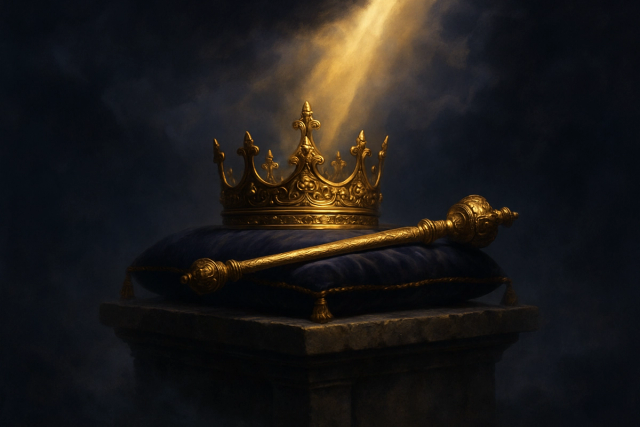
Discover 12 powerful leadership symbols—crowns, eagles, torches & more—and what they reveal about power, vision, and authority acr…
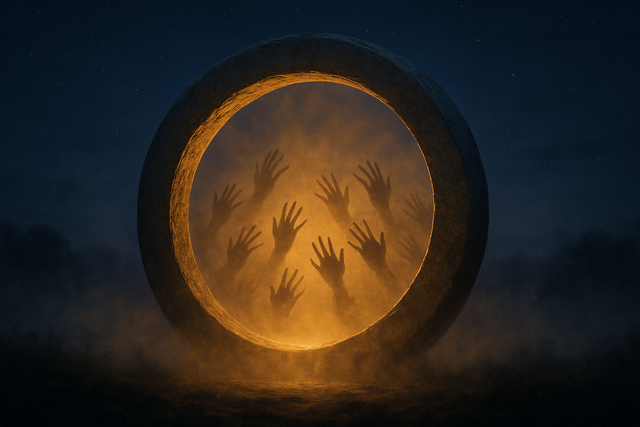
Discover 29 powerful symbols of unity — from the circle and Tudor Rose to the dove, Triquetra, and Chalcedony — and what each one …