Jewelry & Fashion
30 Types of Heels: The Complete Guide (Stiletto to Wedge)
30 heel types explained: stiletto, kitten, block, wedge & more. See heel heights, styling tips, and how to choose the right pair f…
 KnowMastery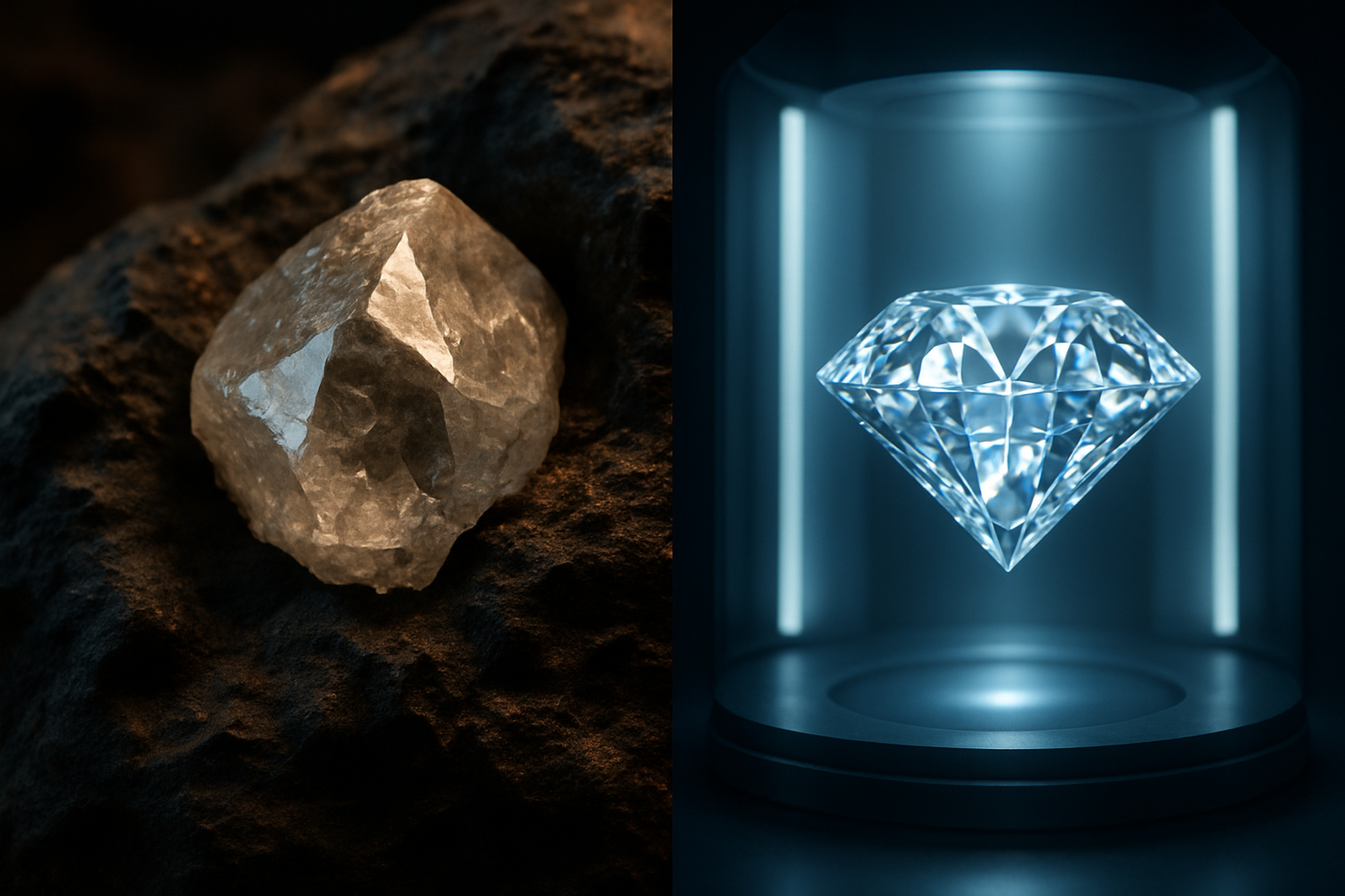
Lab-grown and natural diamonds are chemically, physically, and optically identical — both are pure crystallized carbon with the same hardness, fire, and brilliance. The difference is origin and time: natural diamonds form over 1 to 3 billion years deep in Earth's mantle, while lab-grown diamonds are created in weeks using high-pressure or vapor-deposition technology. That single distinction drives everything else — price (lab-grown typically costs 30-60% less), long-term resale value, and the emotional story a couple chooses to tell with their ring.
There is something almost sacred about holding a diamond that predates the dinosaurs, that traveled to the surface in a volcanic eruption called a kimberlite pipe, and waited millions of years just to catch the light on your finger. For generations, that ancient journey was the whole point of the gift — permanence, rarity, a promise as old as the planet itself.
But love stories are changing. A growing number of couples now stand in jewelry stores asking a different question: does the romance live in the rock, or in the ring? Choosing between a lab-grown and a natural diamond has become one of the most personal — and surprisingly philosophical — decisions in modern jewelry shopping.
Both types are 100% real diamond — not to be confused with imitations like cubic zirconia or moissanite, which are entirely different minerals. The Federal Trade Commission and the Gemological Institute of America (GIA) both classify lab-grown stones as genuine diamonds, simply grown in a controlled environment rather than mined from the ground.
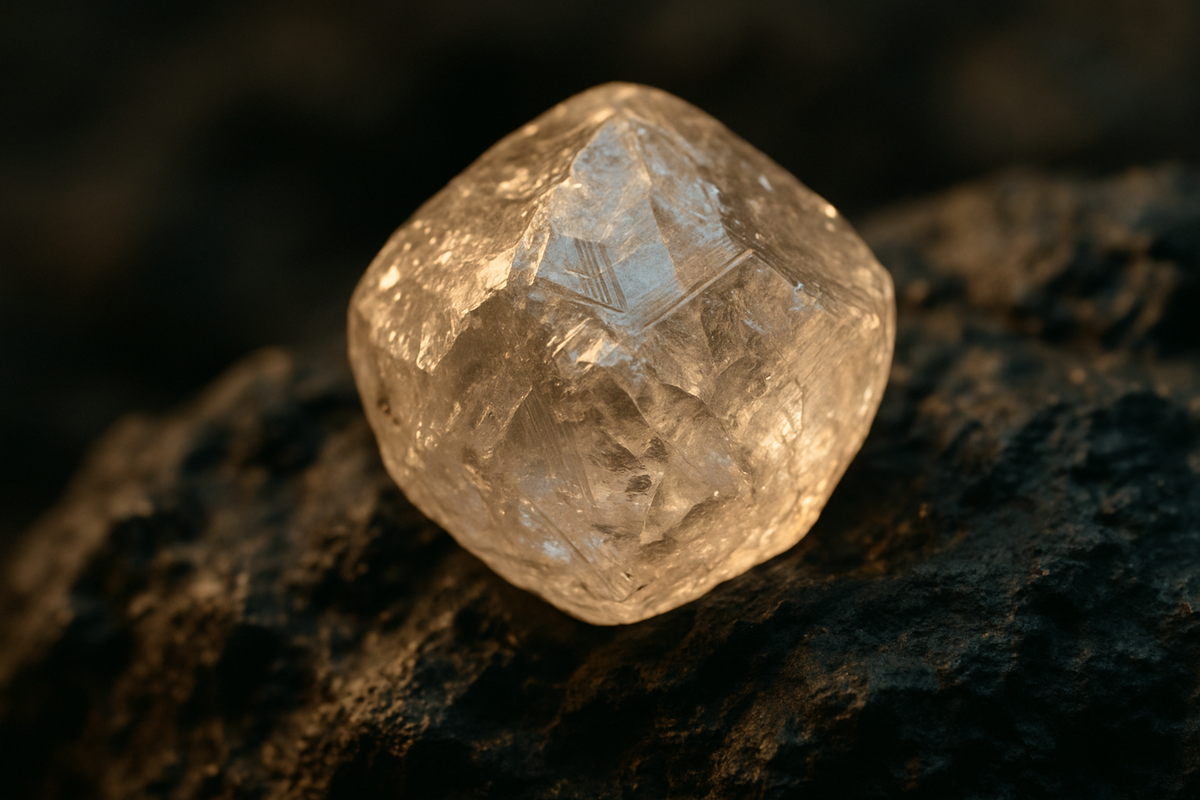
Natural diamonds crystallize roughly 100 to 150 miles below the Earth's surface, under immense heat and pressure, over the course of one to three billion years. Volcanic eruptions eventually carry them upward through kimberlite pipes, where miners in regions like Botswana, Russia, Canada, and South Africa extract the rough stones.
Lab-grown diamonds are produced using one of two methods:
Both methods take just weeks to produce a diamond that is atomically identical to one formed underground for a billion years.
| Category | Natural Diamond | Lab-Grown Diamond |
|---|---|---|
| Origin | Mined from the Earth, formed over billions of years | Grown in a lab in weeks to months |
| Chemical composition | Pure carbon crystal | Identical pure carbon crystal |
| Price | Higher, based on rarity and mining costs | 30-60% less than natural equivalents |
| Resale value | Holds value better over time | Depreciates faster; limited resale market |
| Environmental impact | Land disturbance, energy-intensive mining | Energy-intensive but no land excavation |
| Certification | GIA, AGS grading reports | GIA, IGI reports, clearly marked as lab-grown |
| Rarity | Naturally rare, finite supply | Effectively unlimited supply |
| Emotional symbolism | Ancient, geological, "forever" narrative | Modern, ethical, science-forward narrative |
Long before the 4Cs existed, diamonds carried mythological and metaphysical weight across very different civilizations. The choice between natural and lab-grown often echoes what people already understand about the deeper meaning of jewelry — the way we place a diamond, much like the significance behind the meaning of rings on each finger, reflects intention as much as aesthetics.
The word "diamond" comes from the Greek adamas, meaning unconquerable or indestructible. Ancient Greeks believed diamonds were splinters of fallen stars or tears wept by the gods, and the Roman historian Pliny the Elder recorded that warriors carried them into battle as talismans of courage and invincibility.
In ancient India, where diamonds were first mined over 2,000 years ago, the stones were believed to be splinters of lightning bolts, linked to Vajra, the thunderbolt weapon of the god Indra. Hindu texts described diamonds as symbols of indestructibility, and traditional Ayurvedic medicine even prescribed a preparation called vajra bhasma — powdered diamond ash believed to purify and strengthen the body.
In medieval Europe, diamonds were reserved almost exclusively for royalty and clergy, worn as protection against illness, poison, and evil. It wasn't until 1477, when Archduke Maximilian of Austria gave Mary of Burgundy a diamond ring, that the diamond engagement ring tradition began among European aristocracy — a custom that eventually trickled down to the middle classes centuries later, cemented by De Beers' famous 20th-century marketing campaigns.
Diamond is the official birthstone for April, and in Western metaphysical traditions it's associated with the crown chakra, believed to represent clarity, focus, and spiritual connection rather than physical protection. For many contemporary buyers, lab-grown diamonds carry their own updated symbolism — a commitment made without contributing to conflict mining or unnecessary land disturbance, representing a relationship built on transparency as much as permanence.
The 2000s brought global attention to "blood diamonds" — natural stones mined in conflict zones to fund armed violence, most notably during civil wars in Sierra Leone and Angola. The Kimberley Process Certification Scheme, established in 2003, was created to curb this trade, though critics argue it still has loopholes.
Lab-grown diamonds sidestep this issue entirely since no mining or armed conflict is involved in their production. However, they are not automatically "green": creating the intense heat and pressure required for HPHT or CVD methods consumes significant electricity, and their environmental footprint depends heavily on the energy source powering the lab.
There's no universally "correct" answer — only the right answer for your values, budget, and the story you want your jewelry to tell.
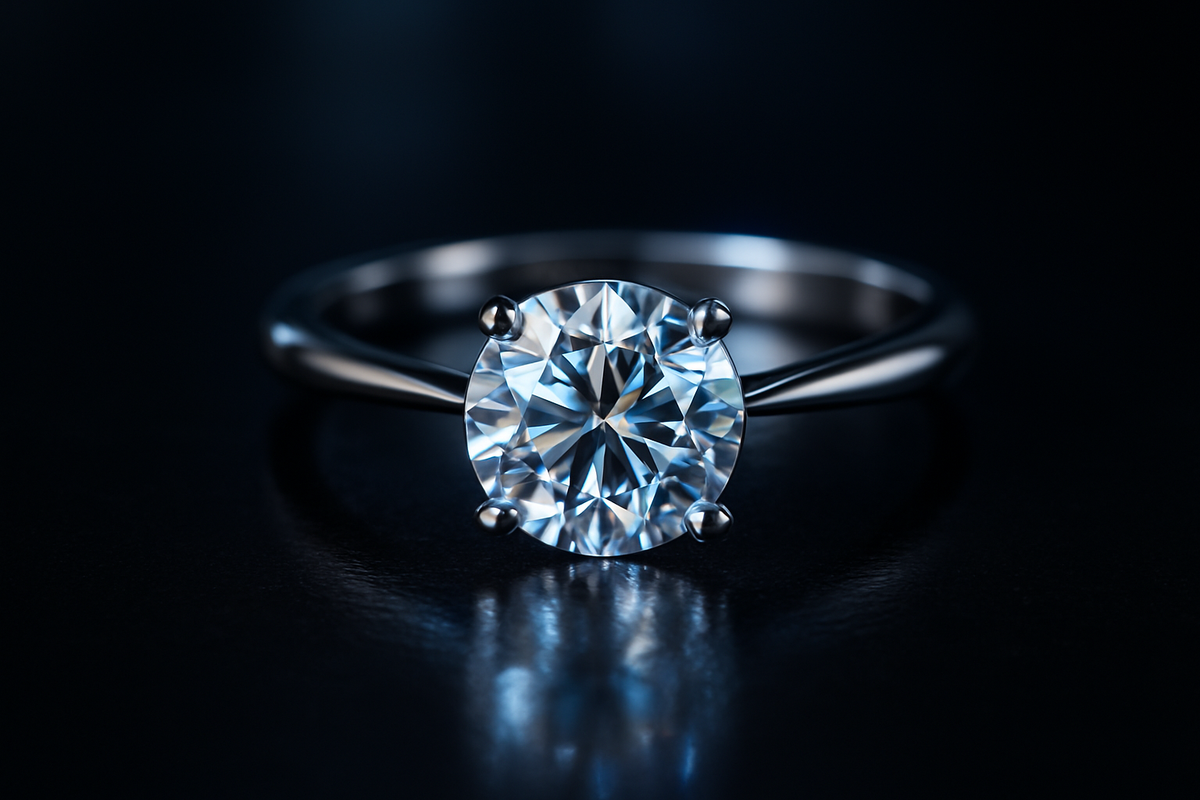
Whichever stone you choose, the setting matters just as much as the diamond itself. A brilliant lab-grown solitaire can look entirely different set in white gold versus platinum, and warmer stones often pair beautifully with the blush tones explored in our deep dive into rose gold. If the diamond is destined for a pinky ring rather than an engagement piece, it carries an entirely different symbolic weight worth understanding — see our guide to pinky ring meaning. And if you're shopping for diamond studs rather than a ring, make sure you understand the mechanics of the setting by reading about the different types of earring backs before you buy.
Regardless of which type you choose, always ask for a grading report from a reputable lab — GIA (Gemological Institute of America) or IGI (International Gemological Institute) are the gold standards. These reports disclose:
Reputable jewelers will never hesitate to provide this documentation, and a diamond without one — natural or lab-grown — should raise a red flag.
No — standard jeweler's loupes cannot distinguish them because the crystal structure is identical. Only specialized equipment, like GIA's DiamondCheck or spectroscopy tools that detect trace growth patterns, can definitively identify a diamond's origin.
Yes, lab-grown diamonds typically cost 30-60% less at purchase and depreciate faster on resale because their supply is essentially unlimited. Natural diamonds hold value better over time due to their finite, geologically determined rarity.
Yes — because they are chemically identical to natural diamonds, standard thermal or electrical conductivity diamond testers will register them as real diamonds. This is exactly why proper laboratory certification, not a handheld tester, is essential for verifying origin.
Absolutely — lab-grown diamonds offer the same brilliance, hardness, and durability as natural stones at a lower price point, allowing for a larger or higher-quality center stone. Many couples also appreciate the ethical transparency and lower environmental footprint associated with lab-grown options.
30 heel types explained: stiletto, kitten, block, wedge & more. See heel heights, styling tips, and how to choose the right pair f…
Discover every type of pearl—Akoya, Tahitian, South Sea, freshwater and more—plus their meanings, history, and how to choose the r…
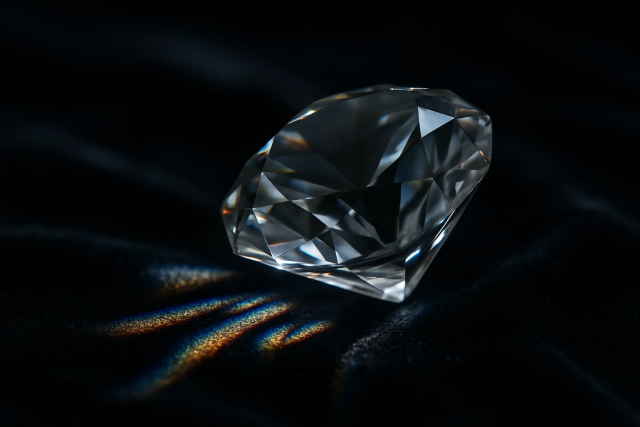
Cubic zirconia explained: what it's made of, how it compares to diamonds, its real history, and how to buy and care for it with co…