
Jewelry & Fashion
What Is Platinum? Properties, Value & Care Guide
Discover what platinum really is, why it costs more than gold, and how to keep it brilliant for a lifetime of wear.
 KnowMastery

A pinky ring is a ring worn on the little finger that historically signaled family lineage, authority, or professional membership through signet rings, and today also represents status, independence, or a purity and abstinence commitment. Its meaning shifts depending on culture, profession, and the wearer's personal intent, but the little finger has carried symbolic weight for centuries. Below, we break down its full history, what it signals on each hand, and how purity rings fit into the tradition.
Pinky rings have been used as signet rings for centuries, a practice traceable to ancient Rome and documented through the medieval, Victorian, and modern eras, rather than being specific to the 18th and 19th centuries. The ring would bear the family crest or initials, and be used to seal letters or important documents with a distinctive personal mark. Today, wearing a pinky ring can still signify a connection to one’s ancestry or personal heritage.
The world of fashion also caught onto the trend, with pinky rings becoming a chic accessory for both men and women. Pinky rings, particularly for men, have been associated with class and sophistication, and in some cases, membership in specific professional groups. Canadian engineers have a tradition of receiving a specially designed pinky ring, the Iron Ring, upon graduation, and in Canada geologists and geophysicists certified by Alberta's professional association receive a similar silver Earth Ring, rather than this being a U.S. geologists' custom.
The pinky ring, a distinct piece of jewelry, symbolizes individuality, personal style, and sometimes, social status. Its meaning can vary based on cultural background and personal interpretation, but it primarily serves as a unique tool for personal expression. This versatility makes the pinky ring a fascinating fashion statement across the globe.
In recent years, the pinky ring has seen a resurgence, thanks to the world of pop culture. A-list celebrities, high-profile personalities, and influential fashion icons have been spotted sporting this little accessory. The pinky ring has become more than just a fashion statement, it’s a reflection of personality, style, and even personal beliefs.
From Johnny Depp’s array of ornate rings to the sleek, minimalist bands worn by Rihanna, pinky rings are adding a touch of edge and individuality to the fashion game. In the hip-hop community, extravagant pinky rings often studded with diamonds, signify wealth and success. They’ve been popularized in lyrics, music videos, and red-carpet appearances, firmly establishing pinky rings as a symbol of prosperity and status.
Fashion trends aside, wearing a pinky ring is a personal choice that can hold different meanings for different people. It can be a declaration of independence, a symbol of a commitment to oneself, or even an accessory imbued with sentimental value.
Whether as an expression of identity, an affirmation of style, or a nod to tradition, the pinky ring continues to hold a unique charm. Its enduring appeal lies in its versatility – it can be as flamboyant or as subtle as the person wearing it. The meaning of the pinky ring is ultimately what you make of it.
The realm of jewelry has often been laden with gender norms and societal expectations. However, in the context of evolving trends and progressive outlooks, the pinky ring has come to symbolize the breakaway from traditional norms.
Contrary to the notion that rings, especially those with gems or decorative elements, are predominantly feminine, pinky rings have been embraced by all genders. The choice of design and style, from understated bands to flashy gem-studded pieces, allows wearers to reflect their individual taste and personality.
From the red carpet to the boardroom, we see a rising trend of men confidently adorning pinky rings. Celebrities like Brad Pitt and Prince Charles have been seen wearing pinky rings, contributing to their mainstream acceptance.
Likewise, women are not shying away from larger, more statement-making rings that were traditionally associated with masculinity. Celebrities such as Rihanna and Jennifer Aniston have been spotted sporting bold pinky rings, redefining norms and influencing trends.
The breaking of gender norms isn’t limited to the styles and designs of the rings. The meanings behind them have also transcended traditional views. For some, a pinky ring can be a symbol of self-love and commitment to oneself, regardless of one’s gender.
| Notable Personality | Style of Pinky Ring |
|---|---|
| Brad Pitt | Minimalist gold band |
| Prince Charles | Signet ring bearing the Prince of Wales’s feathers |
| Rihanna | Large, gem-studded pieces |
| Jennifer Aniston | Classic, gold pinky ring |
The significance of pinky rings can greatly vary based on the wearer’s personal interpretation and cultural context. Still, there are certain common interpretations when it comes to men and women wearing pinky rings. For a broader breakdown of how finger placement changes a ring's message, see our guide to the meaning of rings on each finger. Let’s break down the pinky specifically:
While these are common interpretations, it’s essential to remember that jewelry, including pinky rings, is a form of personal expression. The meaning of a pinky ring can vary from person to person, making it a unique and personal piece of jewelry.
Pinky rings carry numerous symbolic meanings and associations that go beyond their aesthetic appeal. Let’s dive into some of these deeper meanings:
| Ring Type | Typical Hand | Core Meaning |
|---|---|---|
| Signet Ring | Either hand, often left pinky | Family crest, heritage, authentication |
| Status / Hip-Hop Ring | Either hand | Wealth, success, confidence |
| Professional Ring (e.g., Iron Ring) | Right pinky | Membership, accomplishment, pride in a trade |
| Purity / Abstinence Ring | Pinky or ring finger | Commitment to chastity until marriage |
| Self-Love Ring | Either hand | Independence, self-worth, personal milestone |
A purity ring, sometimes called an abstinence ring, is a ring worn as a personal pledge to remain celibate until marriage. Unlike a traditional pinky ring, which is mostly about status, style, or heritage, a purity ring carries a specific moral or religious commitment behind it – and that is the key difference between the two.
The modern purity ring movement traces back largely to the "True Love Waits" campaign, launched in the United States in the early 1990s by Southern Baptist youth ministries. Teenagers and young adults who took the pledge were often given a simple ring to wear as a visible, daily reminder of their commitment to abstinence until marriage. The trend spread quickly through youth groups, churches, and eventually into mainstream pop culture, with several celebrities publicly discussing their own purity rings in the 2000s.
Purity rings are typically simple in design – a plain gold or silver band, sometimes engraved with a Bible verse, a cross, or a short phrase like "True Love Waits." They're most commonly worn on the pinky finger, though some wearers choose the ring finger instead, since both carry the quiet implication of "reserved" or "spoken for" in a non-romantic, values-based sense. The ring itself holds no magical power; its meaning comes entirely from the intention and commitment the wearer places on it.
It's worth noting that purity rings and abstinence rings are often used interchangeably, though "abstinence ring" is sometimes used in a broader, more secular context to describe a personal commitment to delaying sexual activity for health, personal, or relationship reasons – not necessarily a religious one. In both cases, the ring functions the same way: as a tangible, wearable reminder of a promise made to oneself.
Beyond their symbolic meanings, pinky rings are also a popular form of personal expression. They can be an extension of an individual’s style, personality, and personal narrative. Some choose pinky rings for their understated elegance, while others opt for bold, statement pieces that reflect their unique identity.
While the meaning and significance of pinky rings can vary greatly among individuals, they ultimately represent a unique blend of cultural symbolism, personal expression, and fashion.
Choosing the perfect pinky ring depends on personal style, preferences, and the symbolism you want your ring to convey. Here are some things to consider when picking out your ring:
Pinky rings have had their moments of glory in popular culture, sported by celebrities on the red carpet and in iconic film roles. Here are a few noteworthy mentions:
 Johnny Depp: Known for his eclectic style, Depp has often been seen wearing multiple rings, including pinky rings, in his public appearances and movie roles.
These cultural references further highlight the enduring popularity and diverse significance of pinky rings in our society.
In conclusion, the allure of pinky rings transcends time and culture. Their versatility and significance have ensured their place in history, from high society gatherings to the big screen. Despite the changing trends in jewelry, pinky rings have endured and continue to be a popular choice for those seeking a blend of style, symbolism, and individualism.
Whether it’s a symbol of power and influence, an assertion of one’s single status, a purity pledge, or a fashion statement to express personal style, a pinky ring can mean different things to different people. What remains constant is the ring’s ability to make a statement.
Wearing a pinky ring today does not strictly bind you to its traditional meanings. Instead, it offers you an opportunity to create your unique narrative and express your personality. From signet rings to dazzling diamonds to simple purity bands, the types and styles available are endless.
While the story of the pinky ring is far from over, one thing is clear. Its ability to adapt to changing times while retaining a sense of classic elegance ensures the pinky ring’s enduring allure, making it a fascinating accessory worthy of being part of your jewelry collection.
A purity ring is a ring worn as a personal pledge to remain abstinent until marriage, while a pinky ring is simply any ring worn on the little finger regardless of meaning. A purity ring is often worn on the pinky, which makes it a type of pinky ring, but not every pinky ring carries a purity commitment – most are worn purely for style, status, or heritage reasons.
Wearing an abstinence ring signals a personal commitment to delaying sexual activity, often until marriage, for religious, personal, or health-related reasons. It serves as a daily physical reminder of that promise rather than a fashion statement, and it's commonly worn on the pinky or ring finger.
The stereotype associated with pinky rings often varies by culture and context. In some cases, pinky rings are seen as symbols of power and status, often worn by those in high-ranking positions or the mafia in movies. On the other hand, pinky rings can also be a fashion statement without any significant stereotype attached.
Yes, you can definitely wear a pinky ring alone. The choice to pair it with other rings or wear it by itself depends entirely on personal style and preference.
The meaning of a pinky ring on the left hand can vary. For some, it is a sign of professional status, such as engineers in some countries. In other contexts, it could simply be a personal style choice without any specific meaning.
There is no strict rule for which hand a pinky ring should be worn on. It’s a matter of personal preference and the potential symbolic meaning that one associates with it.
Royal men often wear pinky rings, also known as signet rings, which bear the family crest or coat of arms. These rings were historically used to seal and authenticate documents and are seen as a symbol of family heritage and status.
Men’s pinky rings don’t have a specific name and are usually just referred to as "pinky rings." However, when they bear a family crest or insignia, they’re often called "signet rings."
Discover what platinum really is, why it costs more than gold, and how to keep it brilliant for a lifetime of wear.
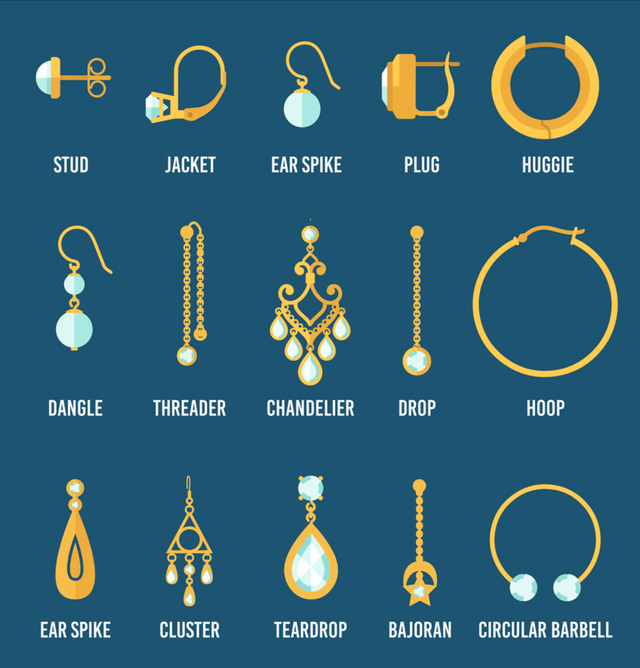
Earrings are a kind of jewelry indispensable in any collection of similar objects and have been worn by both women and men for tho…
Rose gold vs yellow gold: compare color, karats, durability, cost, and meaning to find the right metal and shade for your skin ton…