Symbols
Ancestor and Death-Rebirth Symbols for Samhain Altars
Ancestor and death-rebirth symbols that turn any Samhain altar into a doorway for honoring the dead and welcoming new cycles.
 KnowMastery
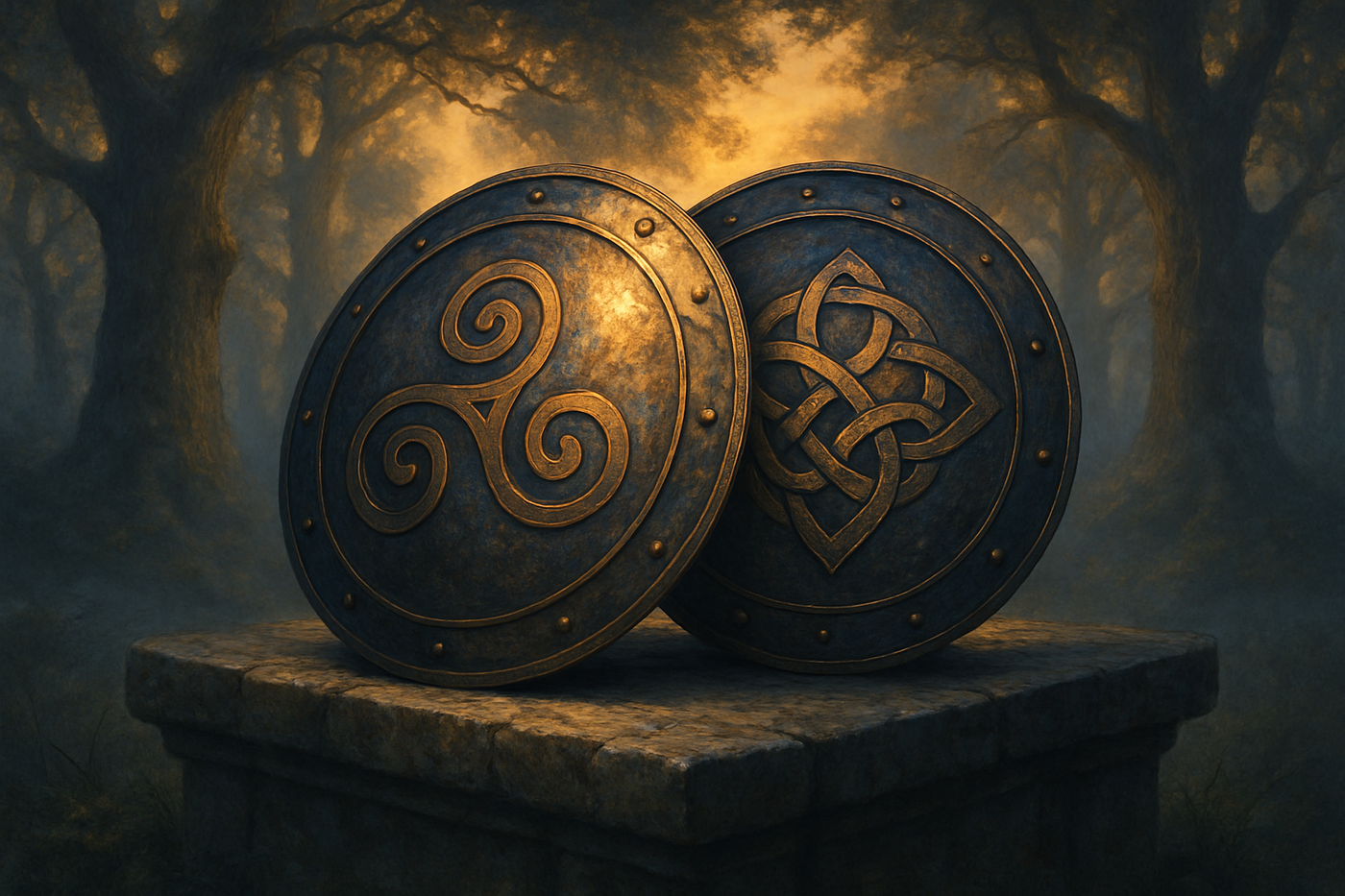
Symbols of brotherhood represent unity, loyalty, and shared bonds between people — forged through blood, ritual, battle, or belief. Common examples include the Triskelion, the Norse Valknut, the Welsh Serch Bythol, and the universal handshake. Found across ancient mythology, Celtic art, military history, and modern fraternities, these emblems distill brotherhood into visual shorthand for trust and shared purpose. Below are 19 of the most meaningful brotherhood symbols, where they come from, and what each one truly represents.
Brotherhood Symbols at a Glance:
| Symbol | Origin/Culture | Core Meaning |
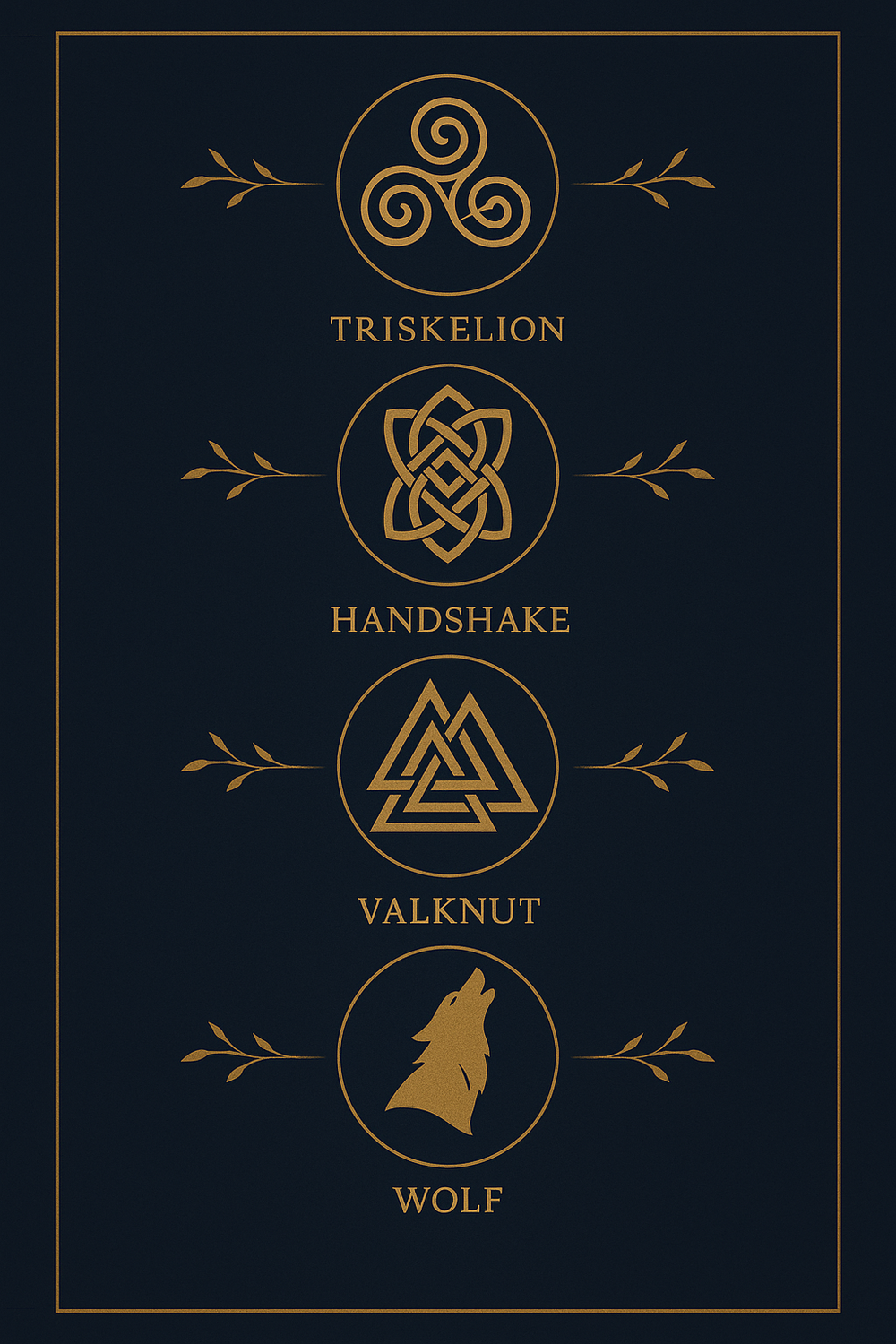
| Triskelion | Celtic and Greek traditions | Progress, unity, cyclical renewal |
| Tree of Life | Multiple ancient cultures | Interconnectedness and shared growth |
| Serch Bythol | Welsh tradition | Everlasting love and loyalty |
| Dara Knot | Celtic (Irish) tradition | Strength through connection |
| Salt | Ancient Near East and beyond | Purity, preservation, goodwill |
| Masonic Trowel | Freemasonry | Building strong, shared foundations |
| Skull and Bones | Secret societies | Secrecy bound by deep loyalty |
| Blood | Universal | Unbreakable, lifelong kinship |
| Shield and Sword | Medieval and heraldic tradition | Protection and shared honor |
| Gemini | Greco-Roman zodiac | Twin bond and duality |
| Handshake | Universal gesture | Trust and mutual agreement |
| Valknut | Norse mythology | Warriors' fate and shared valor |
| Pentagram | Ancient Greek and Pagan traditions | Unity and protection |
| Phi Gamma Delta | American fraternity system | Modern, organized brotherhood |
| The Triquetra | Celtic tradition | Eternal interconnectedness |
| Wolf | Global folklore | Pack loyalty and cooperation |
| Dioscuri | Greek mythology | Twin protectors and devotion |
| The Hopi Nakwach | Hopi (Native American) culture | Community unity |
| Cheetah | African wildlife symbolism | Cooperative speed and support |
These four brotherhood symbols come from Celtic and Welsh traditions, where knots, spirals, and interlocking shapes were used to express bonds that never break.
The Triskelion appears across several ancient cultures. Composed of three interlocked spirals or three bent human legs, it embodies forward momentum — a reminder to move ahead united in purpose.
Did You Know? The Triskelion also represents life, death, and rebirth, three states intertwined in a cycle of eternal progression.
The Tree of Life, often depicted with sprawling branches and deep roots, signifies the interconnectedness of all living things. Just as branches reach outward from a shared trunk, brotherhood grows from a common root into lasting, far-reaching connections.
The Serch Bythol is a Welsh emblem, usually shown as two interlinked circles. Much like the Claddagh ring's symbolism of loyalty and devotion, Serch Bythol stands for unity and togetherness that endures beyond any single moment.
The Dara Knot is a Celtic symbol made of interwoven lines that mirror the complex, beautiful tapestry of real relationships. It's a reminder that the bonds of brotherhood are as intricate and strong as the threads that weave people together.
Fun Fact: The Dara Knot is often used in jewelry and artwork, symbolizing a wearer's connection to Celtic roots and to the people who share that bond.
From shared meals to shared mystery, these brotherhood symbols span ancient ritual to secretive modern societies.

Salt is seen in many cultures as a pure essence — a symbol of preservation and friendship. Sharing salt with someone is a gesture of goodwill and brotherhood, a token signifying an unbreakable bond.
The Masonic Trowel is a Freemasonry tool symbolizing the building of strong foundations. Much like the ritual symbolism explored in religious and secret-society iconography, the trowel isn't about construction alone — it's a metaphor for building a community grounded in unity and mutual respect.
The Skull and Bones symbol is often associated with mystery and secrecy, but within brotherhood symbolism it represents bonds formed in unconventional, closely guarded ways — as deep and enigmatic as the symbol itself.
Blood represents life and the unbreakable ties that connect people across nearly every culture. Whether through birth or chosen brotherhood, the bonds signified by blood are profound, eternal, and unbreakable.

The Shield and Sword stand as guardians of brotherhood's sacred values — protection paired with the will to uphold it. Together they represent the strength and unity that brotherhood brings in moments of conflict or defense.
These brotherhood symbols reach from the night sky to the battlefield to the everyday handshake.
Gemini, the zodiac sign of the twins Castor and Pollux, embodies brotherhood and unity through celestial symbolism. It's a reminder that, like twin stars, we're rarely alone — a kindred spirit often accompanies the journey.
Did You Know? The Gemini symbol also signifies duality — a theme explored further through the concept of balance between opposing forces that still form a complete, unified whole.
The handshake transcends languages and cultures as a universal symbol of brotherhood and agreement. It embodies friendship, trust, and mutual respect — the foundation of many lasting bonds.
Fun Fact: The handshake is believed to have originated as a gesture of peace, proving that neither person was carrying a weapon.
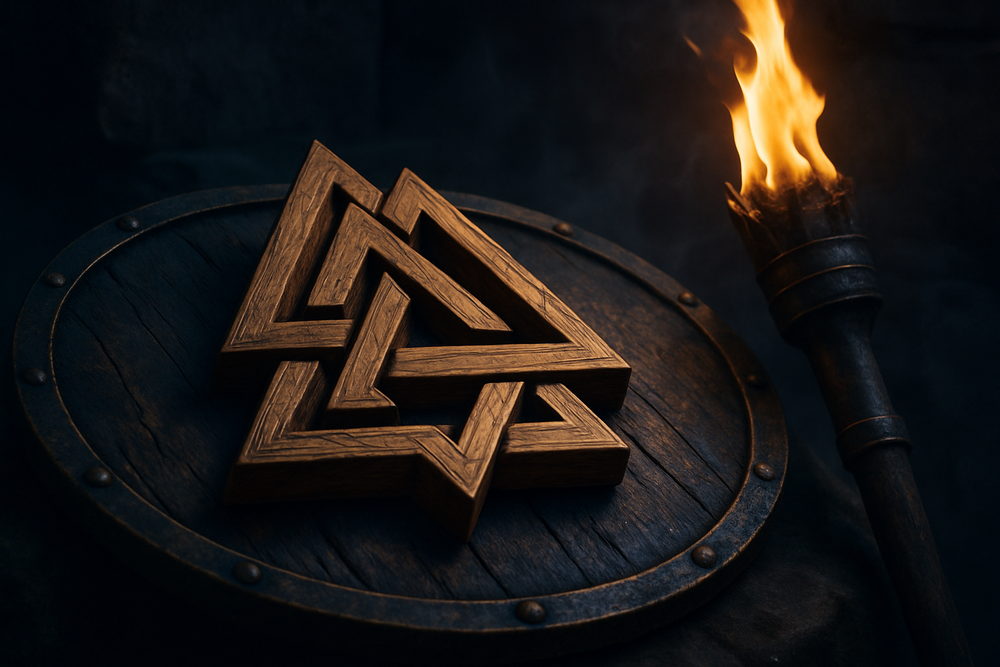
The Valknut consists of three interlocked triangles and, in many scholarly interpretations, is linked to fallen warriors and the Norse god Odin — though its exact meaning remains debated. It stands for fierce bonds forged in battle, symbolizing unity, protection, and shared valor among warriors.
These brotherhood symbols draw on ancient wisdom and spiritual tradition, pointing to bonds that exist on a higher plane.
The Pentagram has appeared across many cultures and spiritual paths as a symbol of unity and protection. It embodies brotherhood by bringing individuals together within a circle of trust and mutual respect.
Did You Know? The pentagram was used by ancient civilizations, including the Babylonians and the Pythagoreans, to symbolize different concepts of unity and harmony.
Phi Gamma Delta represents brotherhood as practiced in modern fraternity life. With its traditions and structure, it serves as a nurturing ground where friendship and brotherhood are cultivated over years.
Fun Fact: Phi Gamma Delta, also known as FIJI, places strong emphasis on leadership, scholarship, and personal development among its members.
The Triquetra is a Celtic knot symbolizing eternity and interconnectedness. Common in art and jewelry, it represents bonds of brotherhood that transcend time, weaving individuals together in lasting unity.
These brotherhood symbols come from nature and mythology, where raw, untamed bonds of loyalty play out among animals and gods alike.
The wolf embodies brotherhood through its pack mentality. Within a wolf pack, bonds are sacred, fostering unity, protection, and cooperation.
Did You Know? Wolves communicate with pack members through a complex language of vocalizations, body language, and scent, fostering deep understanding within the pack.
The Dioscuri are the divine twins of Greek mythology, Castor and Pollux, known for an unbreakable bond that symbolizes the deep connection between siblings and comrades alike.
The Hopi Nakwach is a revered Native American symbol, often depicted as interconnected figures representing bonds of brotherhood that unite entire communities.
Did You Know? The Hopi Nakwach symbol is often used in ceremonies and artwork to foster unity and interconnectedness within the community.

The cheetah closes out this list with speed and agility as symbols of cooperative brotherhood. Among cheetahs, speed isn't just a survival trait — it's part of the cooperation and mutual support that bonds them together.
These 19 brotherhood symbols span continents, centuries, and species — yet they all point to the same truth: unity and loyalty take many forms. Carrying their essence forward means recognizing these symbols in daily life and in the bonds we build with others.
As society evolves, symbols of brotherhood continue taking on new forms and meanings. Expect these symbols to keep resonating with universal values — unity, compassion, and mutual respect — fostering a sense of global brotherhood that transcends old boundaries.
Did You Know? Contemporary artists and thinkers continually create new symbols of brotherhood, reflecting the dynamic, inclusive nature of modern society.
Incorporating brotherhood symbols into daily life is a simple way to reinforce unity and camaraderie. Whether through jewelry, artwork, or personal ritual, these symbols serve as everyday reminders of the bonds that unite us.
One of the oldest and most widely recognized is the Triskelion, a three-spiraled Celtic and Greek symbol representing progress, unity, and the cyclical nature of life. Other ancient options include the Dara Knot and the Valknut, both tied to loyalty and shared fate.
The Triquetra is a Celtic knot representing eternity and interconnectedness, with three interlocking loops that have no beginning or end. In a brotherhood context, it symbolizes bonds that remain unbroken across time, weaving individuals into a single, continuous connection.
The Valknut carries both meanings — it's primarily associated with fallen Norse warriors and the god Odin, linking it to death and fate. Within that context, it also represents the fierce brotherhood forged among warriors who faced battle and death together, making unity and mortality two sides of the same symbol.
Brotherhood symbols like the handshake, Triquetra, or Tree of Life represent open, widely shared values of loyalty and unity. Secret society symbols, such as the Skull and Bones or the Masonic Trowel, carry similar themes of bonded loyalty but are wrapped in ritual secrecy meant only for initiated members.
You can incorporate these symbols through jewelry, artwork, or personal reflection practices. Wearing or displaying a symbol like the Triquetra or Claddagh-style design can serve as a daily reminder of loyalty and unity.
Yes — modern symbols of brotherhood continue to emerge as society evolves, often blending traditional meanings with contemporary design. Fraternity crests, team emblems, and even shared gestures on social media now carry similar weight to ancient knots and rituals.