Symbols
50+ Symbols of Kindness and Compassion (With Meanings)
Discover 50+ symbols of kindness and compassion — from the heart and dove to Guan Yin and the lotus — and what each one truly mean…
 KnowMastery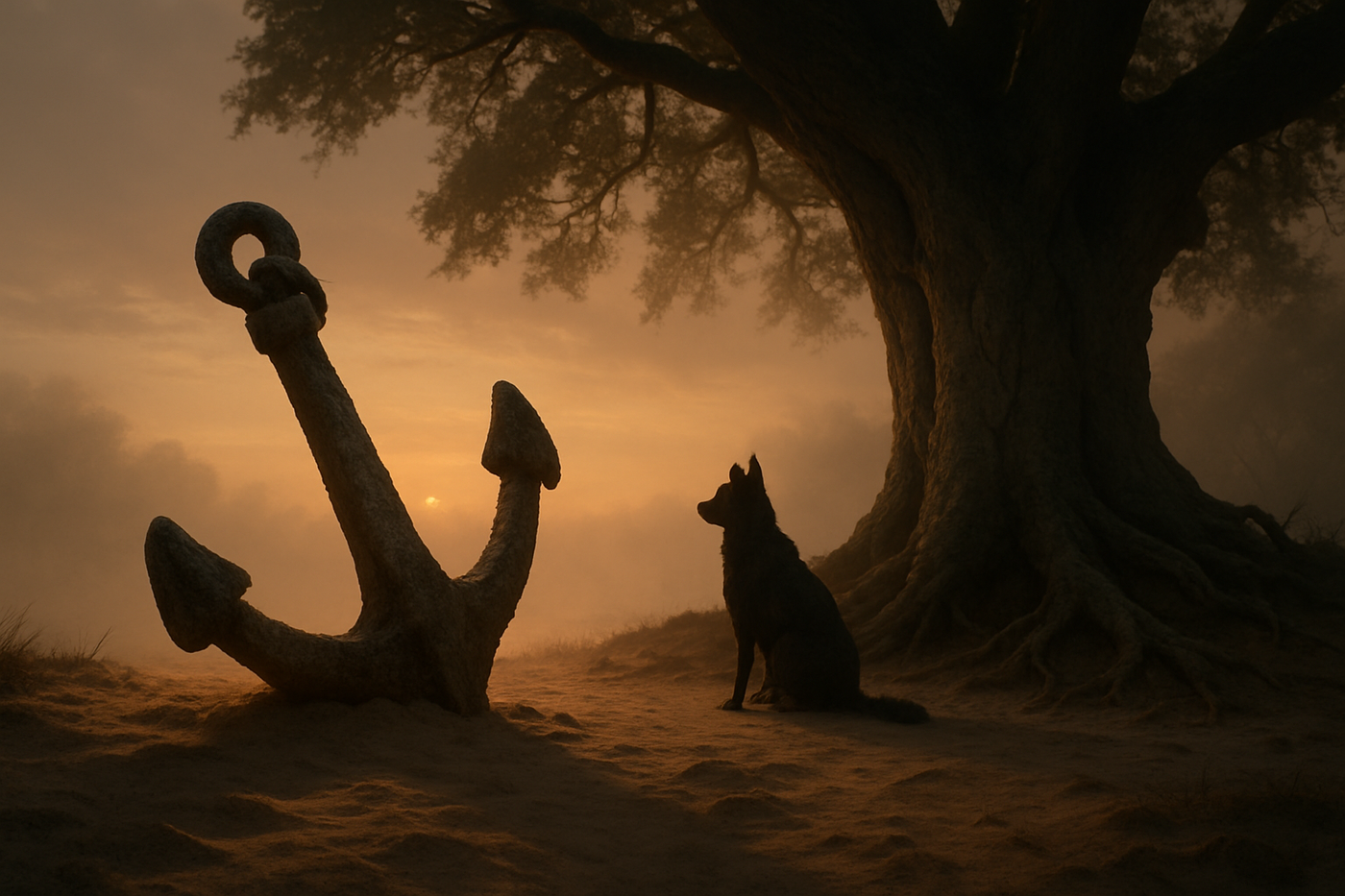
Symbols of loyalty are images, animals, plants and objects that stand in for a promise to stay. The dog, the anchor, the oak tree, the Claddagh ring and the Celtic knot are among the most common. Cultures rely on them because loyalty is hard to prove with words alone, so people turn to things that last, that return, or that cannot be undone. You'll find these symbols in wedding vows, military crests, family heraldry and tattoo designs, each one giving an invisible bond a shape you can see, wear or pass down.
Think of a dog sitting by a door long after its owner has left, ears up, waiting without knowing when the wait will end. Or a sailor's anchor tattoo, inked before a voyage that might never bring him home again. These aren't abstract ideas. They are promises given a shape so memory doesn't have to carry them alone.
That's what this article covers: the animals, plants, knots, rings and colors that cultures around the world have chosen to say "I will not leave" without saying a word.
At the core, a loyalty symbol represents constancy, a bond that holds steady through distance, hardship or temptation to break it. Symbols of love often focus on passion or attraction. Loyalty symbols emphasize endurance instead. They get chosen because they last, they return, or they resist being undone.
A few traits repeat across the objects and creatures chosen for this role:
In most spiritual frameworks, loyalty functions as a form of faith, not just to another person but to a path, a deity or one's own word. Roman religion had an actual goddess for this, Fides, who personified the sacred trust behind oaths and treaties. Breaking an oath sworn in her name was treated as an offense against the gods, not just a social failure.
In Hindu tradition, loyalty ties into dharma, the duty owed to one's role, whether as a spouse, a soldier or a student. The Mahabharata tells of King Yudhishthira refusing to enter heaven without the dog that had followed him through his final journey, a story often read as proof that dharma extends to the humble and the voiceless, not only to gods and kings. Zen Buddhist tradition in Japan carries a parallel idea through the bond between master and student, where loyalty to a teacher's lineage is treated as part of spiritual progress itself.
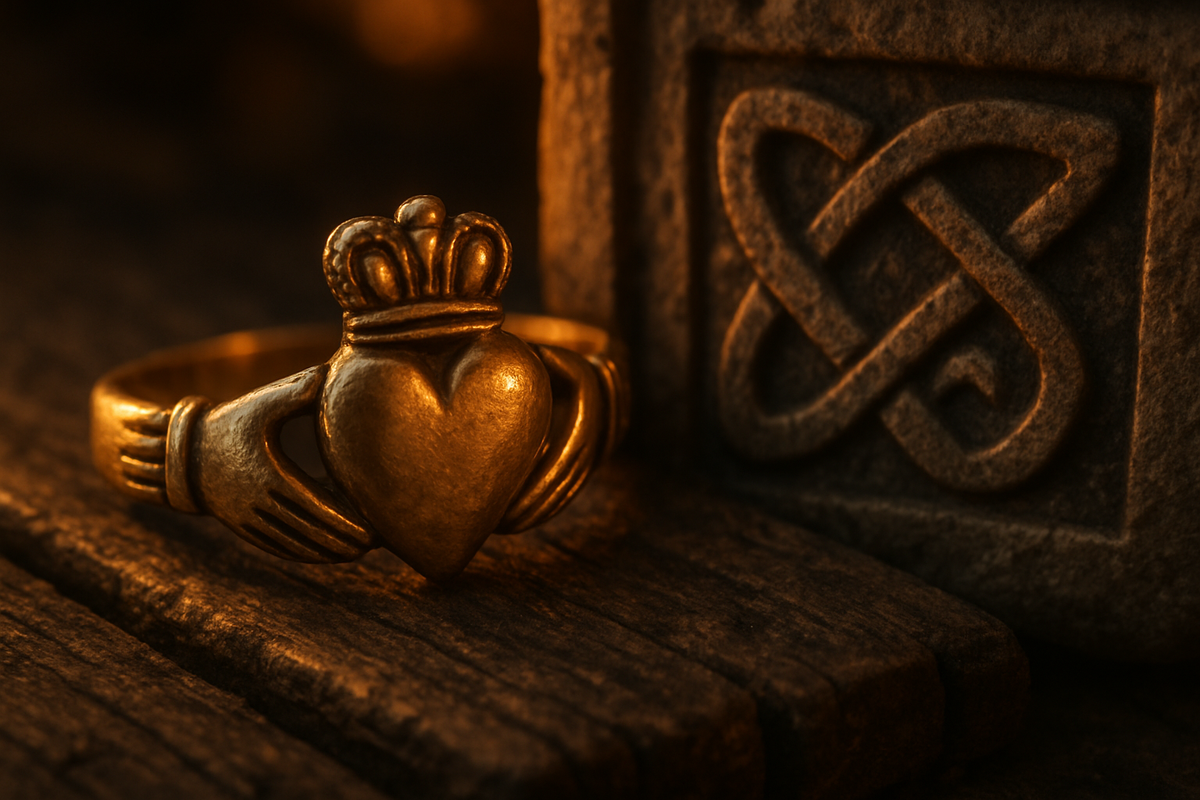
Celtic knotwork, with its interwoven lines and no visible beginning or end, appeared on manuscripts, crosses and jewelry to suggest a bond that cannot break because it has no loose end to pull. The Claddagh ring, which comes from a small fishing village near Galway, Ireland, built loyalty directly into its design: two hands holding a heart topped with a crown, standing for friendship, love and loyalty together. How the ring is worn, on which hand and which way the heart faces, traditionally signals whether the wearer's heart is taken or still free.
In Norse mythology, the wolves Geri and Freki sit at Odin's feet, loyal companions who receive his own share of meat while he lives on wine alone. Wolves in Norse culture weren't purely feared as they often are today. They were also honored as fierce, unwavering protectors of their pack, a trait warrior bands tried to emulate through wolf-skin cloaks and wolf names.
Japan's most famous loyalty story isn't myth but history: Hachiko, an Akita dog, walked to Shibuya Station every evening in the 1920s to greet his owner, and kept doing so for nine years after the man's sudden death. His bronze statue at the station is now a national symbol of chuko, or faithful devotion, and a common meeting spot precisely because of what it represents. In Chinese tradition, the mandarin duck is the classic emblem of marital loyalty, since these ducks are believed to mate for life and are given in pairs as wedding gifts.
Among the Lakota and Pawnee people of the Great Plains, the wolf and the dog both carry loyalty associations tied to their roles as camp guardians and hunting companions. Loyalty in these traditions is rarely separated from community obligation. A warrior's faithfulness to his people, his family and his word was treated as one unified virtue, not several separate ones.
Nature offers some of the clearest evidence people point to when explaining why they trust a particular animal or plant as a loyalty symbol.
| Symbol | Origin | What It Represents |
|---|---|---|
| Dog | Global, especially Japan and Europe | Faithfulness, protection, unconditional devotion |
| Wolf | Norse and Plains Indigenous traditions | Pack loyalty, guardianship, fierce commitment |
| Mandarin duck | China | Lifelong marital fidelity |
| Oak tree | Celtic and Greek traditions | Steadfastness, endurance through storms |
| Anchor | Maritime cultures, early Christianity | Stability, hope that holds firm |
| Claddagh ring | Ireland | Love, friendship and loyalty combined |
| Celtic knot | Ireland and Scotland | Unending bond with no beginning or end |
The anchor deserves particular mention. Sailors adopted it as a personal symbol because an anchor's whole job is to hold a ship steady against a current trying to drag it away, a fitting stand-in for staying put when everything around you says leave.
The oak tree earns its place for a similar reason. Its roots run deep enough to survive storms that topple younger trees, and ancient Celts and Greeks both treated it as sacred ground for oaths, since a promise made under an oak was thought to be witnessed by something older and steadier than either person making it. This idea connects to the tree of life, where roots and branches represent the ongoing connection between generations, family and place.
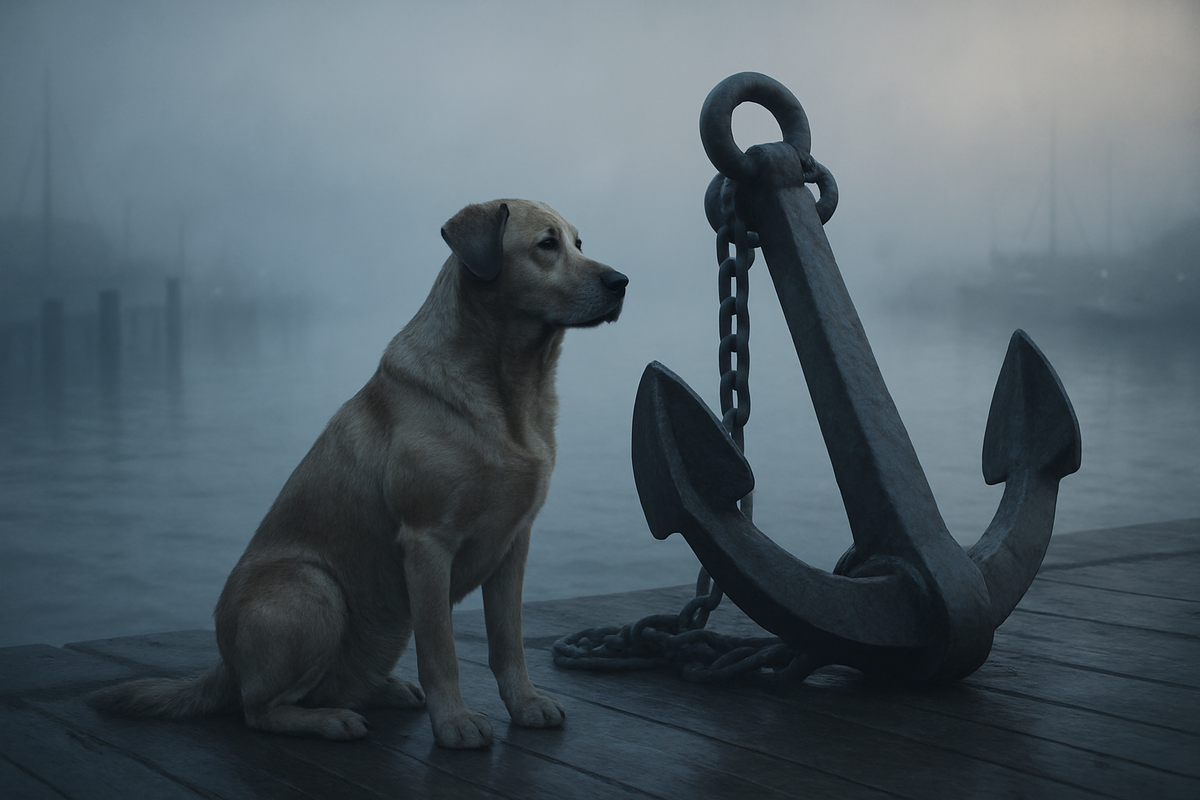
Medieval heraldry used specific animals on family crests to broadcast loyalty as a public claim, not a private feeling. A dog on a coat of arms, usually a greyhound or talbot hound, meant the family valued faithful service above other virtues. Chains, drawn linked rather than broken, appeared on crests to represent bonds of allegiance between a noble house and its sworn vassals.
Religious art relied on its own set of loyalty symbols. Early Christians paired the anchor with the cross to represent hope anchored firmly in faith, a visual code they used to identify each other during periods of persecution under Rome. Renaissance portraits sometimes placed a small dog at the feet of a married couple for the same reason, a painted promise of fidelity meant to outlast the sitters themselves.
Tattoo studios see loyalty symbols requested constantly, usually to mark a relationship, a friendship group or a personal code the wearer refuses to break. Here are the designs that come up most often:
Placement matters to many people choosing these designs. Wrist and inner forearm tattoos keep the symbol visible as a daily reminder, while ribcage or chest placements suit symbols tied to private, deeply personal loyalty rather than something meant to be shown off.
Dream interpreters typically read loyalty symbols as reflections of trust issues playing out below conscious awareness. Dreaming of a loyal dog often points to a relationship in your waking life that feels steady and safe, or a longing for exactly that kind of steadiness. An anchor appearing in a dream can suggest a need for grounding, especially if life currently feels unmoored. A broken chain or a snapped knot in a dream is frequently read as anxiety about a bond weakening, whether that bond is romantic, familial or professional.
If loyalty symbols keep showing up in your dreams, it can help to look at other dream symbolism for context, similar to how the dream catcher was traditionally used to filter out anxious or troubling dreams while letting peaceful ones through.
You don't need a tattoo to carry one of these symbols with you. Here are practical ways people work loyalty symbolism into daily life:
The point of any of these choices isn't the object itself but the intention behind wearing or displaying it. A symbol only carries weight if you remember what it stands for when you look at it.
The dog is the most widely recognized symbol of loyalty, referenced in cultures from ancient Greece to modern Japan, largely because of documented real-life stories like Hachiko, who waited for his deceased owner at a train station for nine years. Wolves come in as a close second, particularly in Norse and Plains Indigenous traditions, where pack loyalty is the focus rather than devotion to a single person.
The blue violet is one of the most common flowers associated with loyalty and faithfulness, appearing in Victorian flower language as a message of quiet, steady devotion. Forget-me-nots also carry a strong loyalty meaning, tied directly to their name and the idea of remembering someone even across long distances.
The Claddagh ring combines three symbols in one design: hands for friendship, a heart for love, and a crown for loyalty, making it a complete statement about a committed relationship. The direction the ring is worn traditionally indicates the wearer's relationship status, with the heart pointing toward the wearer once someone has claimed it.
Yes, the Celtic knot is widely used as a loyalty symbol because its interwoven lines have no visible start or end, suggesting a bond without a breaking point. It's a common choice for tattoos and rings meant to represent a family connection, a marriage or a lifelong friendship.
Discover 50+ symbols of kindness and compassion — from the heart and dove to Guan Yin and the lotus — and what each one truly mean…

Discover 49+ powerful self-love symbols — crystals, animals, flowers, and spiritual icons — and what each one means for building s…

“There are two sides of every coin.” The age-old saying deciphers the meaning of duality, a concept as old as human thought. Duali…