
Symbols
Leadership Symbols: 12 Icons of Power, Vision & Authority
Discover 12 powerful leadership symbols—crowns, eagles, torches & more—and what they reveal about power, vision, and authority acr…
 KnowMastery
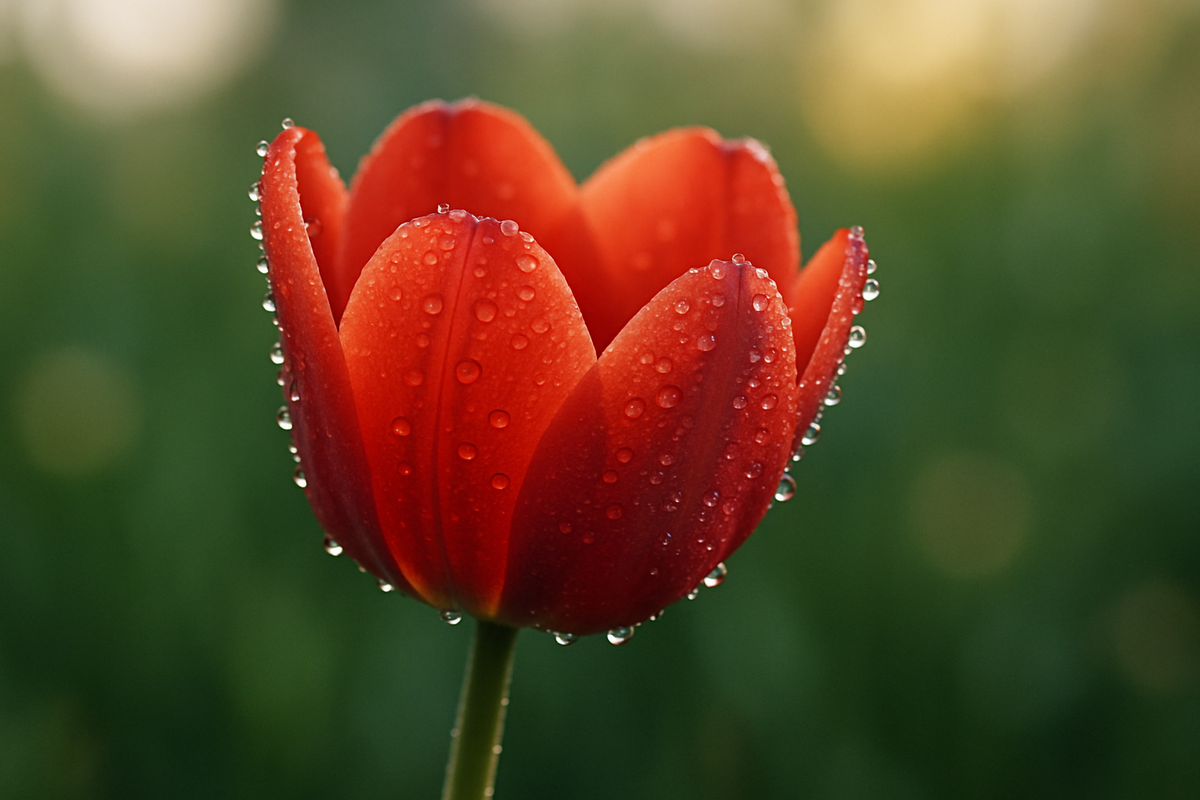
The tulip flower symbolizes honest, direct love along with new beginnings and the fleeting nature of beauty. Color changes the specific message: red stands for true love, yellow for cheerful friendship, purple for royalty and admiration, and white for forgiveness or a fresh start. Native to Central Asia and later cultivated across Persia, the Ottoman Empire, and the Netherlands, the tulip has carried meanings of passion, prosperity, and spiritual devotion for over a thousand years. Its cup-shaped bloom and short flowering season also make it a reminder that beauty rarely lasts, which is why tulips show up at weddings, funerals, and spring festivals alike.
There's a reason gardeners wait out an entire gray winter just to see one row of tulips break through the frozen soil. For a few short weeks the bulb gives everything it has, opening into color so bold it looks almost defiant, before the petals drop and the leaves die back to nothing. That short, intense life is exactly why the tulip has carried so much emotional weight across centuries and continents.
People have named empires after this flower, gone bankrupt buying its bulbs, and written poetry comparing it to the human heart. A flower that simple doesn't earn that kind of devotion by accident.
At its root, the tulip represents love that is honest and unguarded. Unlike the rose, which carries centuries of thorns and secrecy in its symbolism, the tulip has always stood for a love that is straightforward and generous. To give someone a tulip is to say "I am open with you," without the drama roses tend to carry.
The flower is also tied to spring and rebirth. It's one of the first plants to bloom after winter, pushing up through soil that still remembers frost. Because of this, the tulip has become shorthand for fresh starts, second chances, and the idea that dormant periods in life are temporary. It shares that symbolic ground with the tree of life, another image built around dying back and returning stronger.
Color changes the message a tulip sends almost as much as the flower's shape does. Much of this color code traces back to floriography, the Victorian habit of assigning specific meanings to flowers so people could send coded messages through a bouquet. Florists and gardeners still lean on the same associations today.
| Color | Symbolic Meaning | Common Use |
|---|---|---|
| Red | True love, deep passion, a declaration of the heart | Romantic gifts, anniversaries |
| Pink | Affection, caring, good wishes | Get well gifts, casual romance |
| Yellow | Cheerfulness, friendship | Congratulations, encouragement |
| White | Forgiveness, purity, new beginnings | Apologies, weddings, sympathy |
| Purple | Royalty, admiration, luxury | Formal gifts, expressions of respect |
| Orange | Energy, warmth, enthusiasm | Encouragement, new ventures |
| Deep maroon or black | Power, mystery, farewell | Dramatic arrangements, remembrance |
| Striped or variegated | Beautiful eyes, fascination with someone | Playful or flirtatious gifts |
| Blue (always dyed, never natural) | Trust, calm, wanting something rare | Novelty gifts, unique arrangements |
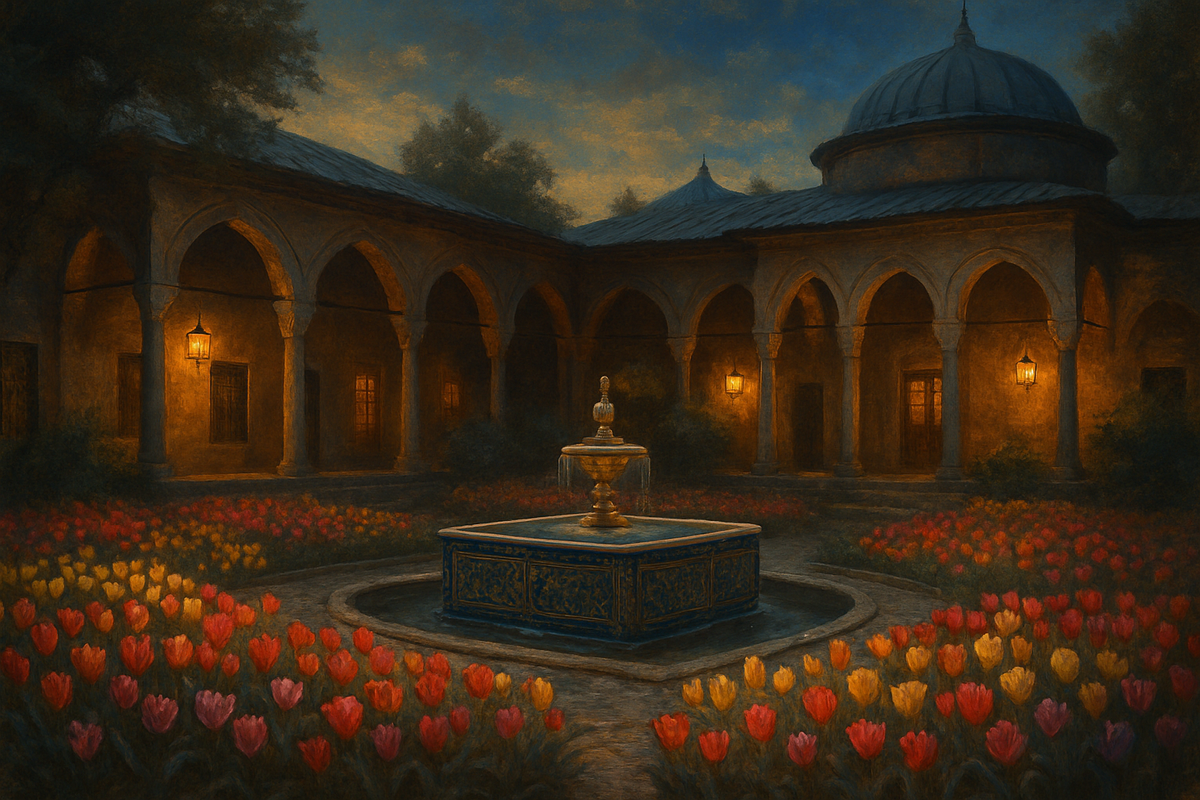
No civilization loved the tulip more than the Ottomans. During the early 1700s, a period historians call the Lale Devri, or Tulip Era, Sultan Ahmed III filled the gardens of Istanbul with imported bulbs and hosted nighttime parties where tortoises carrying candles wandered among the flowers. The tulip appeared on tiles, textiles, and manuscripts throughout the empire, and it carried a religious layer too: in Ottoman Turkish, the word for tulip, "lale," contains the same letters as the word "Allah" when written in Arabic script. Sufi mystics took this as proof that the flower itself pointed toward divine perfection, humility, and submission to God.
A century earlier, the Netherlands had its own tulip obsession, though it was less spiritual and more financial. Bulbs arrived in Holland in the late 1500s after the botanist Carolus Clusius planted a collection at Leiden University, and by 1636 a single Semper Augustus bulb, prized for its flame-streaked red and white petals, could sell for more than a skilled tradesman earned in a decade. The market collapsed in February 1637, wiping out fortunes overnight. Tulip mania is still taught in economics classes as one of the earliest recorded speculative bubbles, but the flower survived the scandal and became the Netherlands' most recognized export.
In Persian literature, poets like Hafez and Rumi used the tulip as an image of a burning, sacrificial heart, comparing its deep red color to blood spilled for love or faith. Ferdowsi's Shahnameh, the national epic of Iran, uses fields of red tulips to mark ground where warriors died in battle. That idea carried into modern Iran, where the red tulip became a symbol of those who died for their country, appearing on war memorials and murals well into the present day.
Spiritually, the tulip is read as an invitation to open the heart without fear. Its cup-shaped bloom faces upward, almost like open hands, and some people use that image in meditation as a reminder to receive love rather than guard against it. The flower's short bloom time also carries a lesson about impermanence: nothing beautiful is meant to last forever, and holding on too tightly only shortens the joy of it.
There's a duality built into the tulip too, one that echoes the push and pull described in yin yang philosophy. The same flower that represents passionate, fiery love in red also represents quiet forgiveness in white, showing that love and letting go are two sides of the same emotional coin. A white tulip in particular is often chosen the way people choose a purity ring, as a personal statement about starting over with a clean heart.
Dreaming about tulips is generally read as a good sign, tied to growth, romance, and things finally coming together after a slow period. The details of the dream tend to shift the meaning:
Once you understand what a tulip is actually saying, you can use it on purpose instead of picking whatever color looks nice at the store.
Whether you're giving a bouquet, planting a bed of bulbs, or just noticing tulips on your walk to work, the flower rewards a little attention. It was never meant to be background scenery. It was bred, fought over, and written into poetry because it says something true about how love opens and how quickly beauty can pass.
A tulip generally symbolizes honest, unguarded love along with new beginnings and spring renewal. The exact shade of meaning changes with the color of the flower, but the core idea across most cultures is love that is direct rather than complicated.
A red tulip means deep, sincere love, similar to a red rose, but without the associations of secrecy or forbidden romance that roses picked up in older European traditions. Tulips are generally read as a more straightforward, less theatrical way to express affection.
During the 1630s, rare tulip bulbs became so fashionable among wealthy Dutch buyers that prices rose to absurd levels, with a single bulb sometimes costing more than a house. When buyers stopped paying those inflated prices in February 1637, the market crashed almost overnight, an event historians now call tulip mania.
Dreaming about tulips usually points to growth, romance, or good news about to unfold, especially when the flowers are shown blooming. Wilted tulips in a dream tend to suggest a missed opportunity or a relationship that ended before it fully developed.
Discover 12 powerful leadership symbols—crowns, eagles, torches & more—and what they reveal about power, vision, and authority acr…
Life symbols have been a significant part of human culture and history, serving as visual representations of life’s essence and vi…
Discover the butterfly, phoenix, lotus and other symbols of positive change, their meanings across cultures, and how to use them i…