Spiritual
Heart Chakra (Anahata) Meaning: Signs, Symbols & How to Heal It
What is the heart chakra? Learn Anahata's meaning, signs it's blocked or overactive, its symbol, and proven ways to heal and open …
 KnowMastery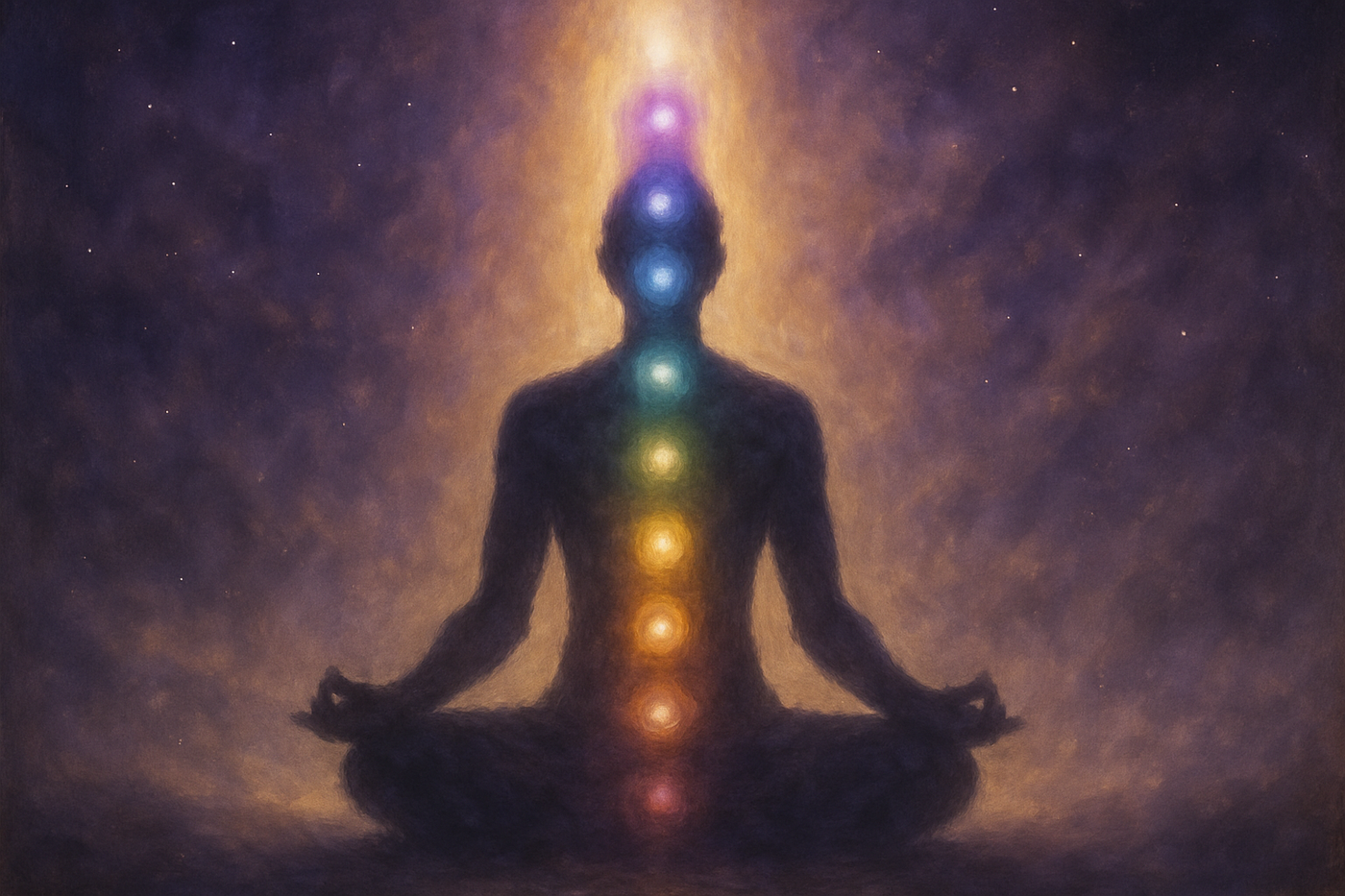
The 7 chakras are spinning wheels of energy believed to run along the spine, from the base of your body to the crown of your head. Rooted in ancient Hindu and tantric traditions, each chakra governs specific emotional, physical, and spiritual functions. In order, they are the Root, Sacral, Solar Plexus, Heart, Throat, Third Eye, and Crown chakras — moving from basic survival at the base to spiritual awareness at the crown. Each is linked to a color, an element, and a life theme, and when balanced, practitioners believe you experience physical vitality, emotional clarity, and a deep sense of inner peace.
Maybe you felt it before you had a name for it — that tight knot in your stomach before a big decision, or the sudden lightness in your chest after finally speaking a truth you'd been holding back. Ancient yogis mapped these sensations centuries ago, long before modern science had words like "nervous system" or "emotional regulation."
They called them chakras — wheels of light spinning quietly beneath the surface of everyday life, waiting to be noticed. This guide walks you through what they mean, where they came from, and how to begin working with them, even if you've never meditated a day in your life.
The word chakra comes from Sanskrit, meaning "wheel" or "disc." In yogic philosophy, chakras are subtle energy centers that receive, process, and distribute prana — the vital life force — as it travels through channels called nadis, much like a river system feeding smaller streams. There are said to be dozens of chakras in the human energy field, but seven major ones, aligned in a vertical line along the spine, form the primary system most commonly taught today.
Each chakra is associated with a color, an element, a specific location, and a set of psychological or spiritual themes. Think of them as a vertical ladder of consciousness: the lowest chakra deals with basic survival and safety, while the highest connects you to the divine or universal consciousness.
While the modern wellness industry often presents chakras as a single unified system, their history is layered and comes from several distinct traditions across centuries and continents.
The earliest written references to chakras appear in the Vedas and later tantric texts such as the Shat-Chakra-Nirupana, a 16th-century Sanskrit manuscript by Purnananda Yati. In this tradition, chakras are visualized as lotus flowers with varying numbers of petals, each linked to a specific seed sound, deity, and level of consciousness. The goal of tantric practice was to awaken kundalini energy — often depicted as a coiled serpent resting at the base of the spine — and guide it upward through each chakra toward spiritual liberation, or moksha.
Tibetan Buddhist traditions developed a parallel but distinct system, often referring to four or five main energy centers connected to subtle channels. These practices, found in texts like the Kalachakra Tantra, emphasize the transformation of ordinary consciousness into enlightened awareness through visualization, mantra recitation, and breathwork known as tummo, or inner-fire practice.
The seven-chakra, rainbow-colored system familiar to most Western readers was popularized largely in the 20th century, especially through theosophist Charles W. Leadbeater's 1927 book The Chakras. This version simplified and standardized the system, aligning each chakra with a color of the visible spectrum — a framework that, while not strictly ancient, has become the default teaching model in yoga studios and wellness spaces worldwide.
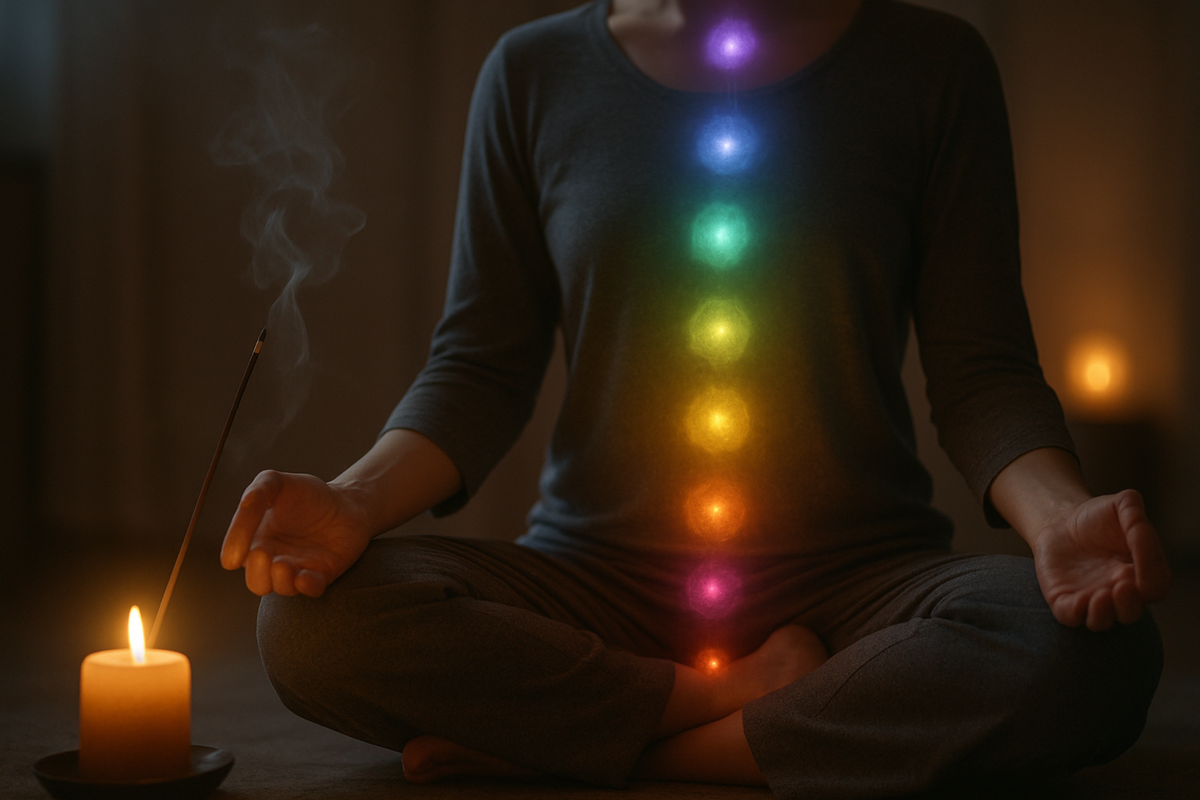
Here is a breakdown of each chakra, moving from the base of the spine to the crown of the head.
| Chakra | Sanskrit Name | Color | Location | Core Theme |
|---|---|---|---|---|
| Root | Muladhara | Red | Base of spine | Survival, safety, grounding |
| Sacral | Svadhisthana | Orange | Lower abdomen | Creativity, pleasure, emotion |
| Solar Plexus | Manipura | Yellow | Upper stomach | Confidence, willpower |
| Heart | Anahata | Green | Center of chest | Love, compassion, connection |
| Throat | Vishuddha | Blue | Throat | Communication, truth |
| Third Eye | Ajna | Indigo | Between eyebrows | Intuition, insight |
| Crown | Sahasrara | Violet/White | Top of head | Spiritual connection, enlightenment |
Governed by the element earth and the seed sound "LAM," the root chakra sits at the base of the spine and anchors your sense of physical safety, belonging, and trust in the world. When balanced, it feels like stability — the same calm, watchful steadiness often described in deer symbolism, an animal linked across Celtic and Native American traditions to gentleness and sure-footed awareness. When imbalanced, people often feel anxious, financially insecure, or disconnected from their bodies; simple fixes include walking barefoot, Mountain Pose, and repeating grounding affirmations like "I am safe."
Located just below the navel and ruled by the element water, this center governs creativity, sensuality, and emotional flow, with the seed sound "VAM." A balanced sacral chakra allows pleasure and feeling without guilt, while a blocked one often shows up as creative stagnation, emotional numbness, or difficulty with intimacy. Hip-opening yoga poses, dance, and creative journaling are traditional ways to restore its movement.
This is your inner fire — the seat of confidence, willpower, and personal identity, associated with the element fire and the sound "RAM." A balanced solar plexus helps you take action from self-trust rather than fear, while an imbalanced one can manifest as a need for control, low self-esteem, or digestive issues. Core-strengthening poses like Boat Pose and simple affirmations ("I am capable") are commonly used to rebuild this center.
Sitting at the midpoint of the system and ruled by the element air, the heart chakra bridges the physical lower chakras with the spiritual upper ones, resonating with the sound "YAM." It governs love, empathy, and connection — including the profound, magnetic pull many describe when exploring twin flame connections or the rare comfort of finding kindred spirits who feel instantly familiar. When blocked, jealousy, grief, and difficulty trusting others are common; heart-opening poses like Camel or Cobra, along with practices of forgiveness, help restore its flow.
Ruled by the element space and the sound "HAM," this center governs authentic self-expression and honest communication. A blocked throat chakra often shows up as difficulty setting boundaries, a fear of speaking your truth, or recurring throat tension and hoarseness. Singing, journaling, and Fish Pose are traditional practices for clearing this center.
Positioned between the eyebrows and associated with the element light, the third eye governs intuition, inner vision, and symbolic thinking — themes that also appear in practices like numerology, where numbers are believed to reveal hidden spiritual guidance. When balanced, this chakra sharpens perception and pattern recognition; when blocked, it can bring confusion, poor intuition, or persistent headaches. Meditation with the chant "OM" and reducing screen time are common ways to soften its overactivity or awaken its dormancy.
The crown chakra, resting at the top of the head, represents pure consciousness and connection to the divine, transcending a single element or sound. Many describe crown-chakra experiences as feelings of unity, timelessness, or profound peace, often reached through silent meditation, prayer, or contemplative stillness rather than active effort. Spiritual disconnection, cynicism, or existential emptiness are signs this center needs attention.
Dream imagery often mirrors chakra imbalances, acting as a kind of nightly diagnostic for the energy body. Falling dreams frequently point to a shaky root chakra and feelings of instability, while dreams of drowning or overwhelming water can reflect an unsettled sacral chakra. Public humiliation or failure dreams often trace back to a strained solar plexus, and recurring heartbreak or abandonment dreams may signal heart chakra grief still waiting to be processed.
Dreams of losing your voice or being unable to scream typically relate to a blocked throat chakra, while blurry vision or searching for something unseen can point to third eye confusion. Spiritual protection symbols that appear in dreams — much like the woven, web-like pattern of a dream catcher — are frequently associated with crown or third-eye activity, representing the mind's attempt to filter and process spiritual or subconscious information during sleep.
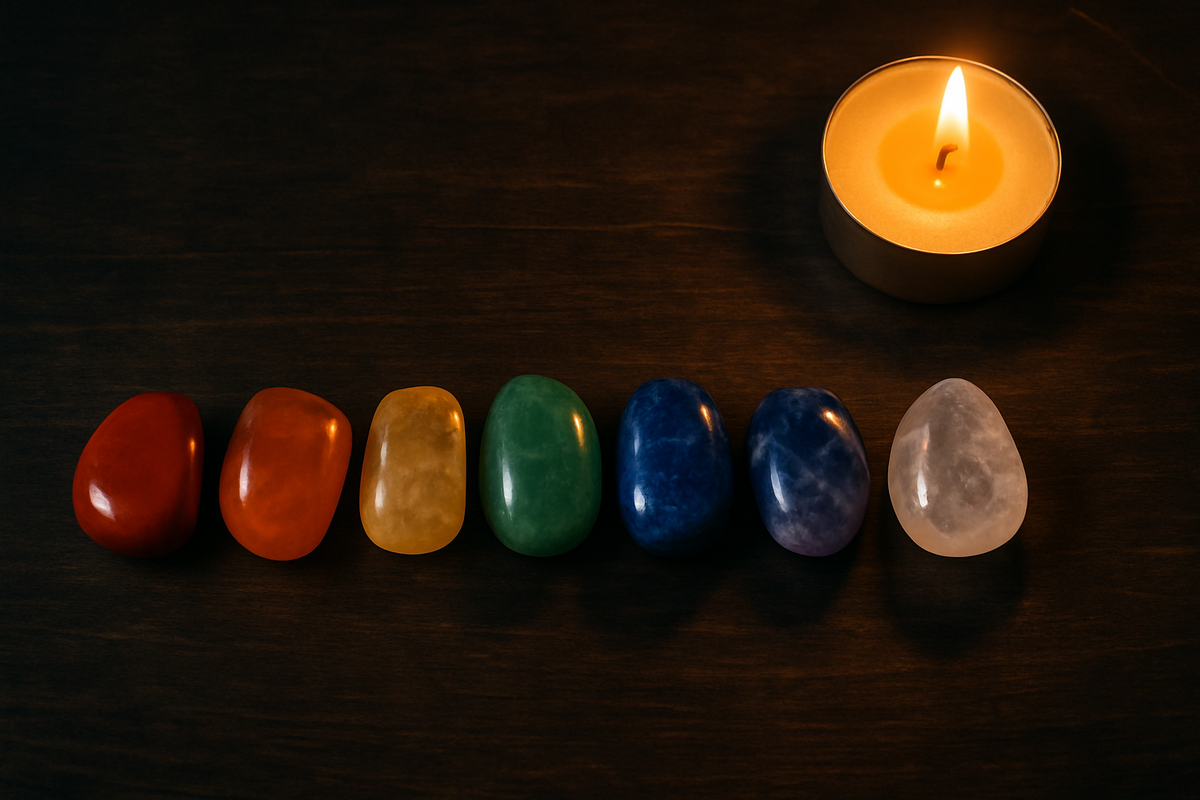
Chakra imbalances can show up as both physical and emotional symptoms. Common signs include:
You don't need years of yogic training to begin working with your chakra system. Try these accessible practices:
Balancing your chakras isn't a one-time fix; it's an ongoing relationship with your own energy, much like tending a garden that needs regular attention rather than a single big harvest. Start with the chakra that resonates most with your current struggles, and let the practice deepen naturally from there.
The seven chakras, from base to crown, are the Root (Muladhara), Sacral (Svadhisthana), Solar Plexus (Manipura), Heart (Anahata), Throat (Vishuddha), Third Eye (Ajna), and Crown (Sahasrara). Each builds on the one before it, moving from physical survival to spiritual awareness.
Blocked chakras often reveal themselves through recurring emotional patterns or physical symptoms tied to that chakra's location, such as throat tension when you struggle to speak up or stomach issues when your confidence feels low. Journaling about which life themes feel most difficult right now can help you pinpoint the affected center.
Chakras are a metaphysical concept rooted in yogic and tantric philosophy rather than a system verified by Western medical science. However, many people find the framework valuable as a symbolic tool for emotional reflection, mindfulness, and self-awareness, regardless of its scientific status.
Beginners often find the most success starting with simple breathwork and guided meditation focused on the root chakra before moving upward through the system. Consistency matters more than perfection — even five minutes of daily visualization can create noticeable shifts over time.
What is the heart chakra? Learn Anahata's meaning, signs it's blocked or overactive, its symbol, and proven ways to heal and open …

Discover what dreams about water really mean spiritually - from oceans to floods - and how to interpret their emotional and symbol…
Found a cardinal feather? Here's what it really means spiritually, from visiting loved ones to good luck, across cultures and drea…