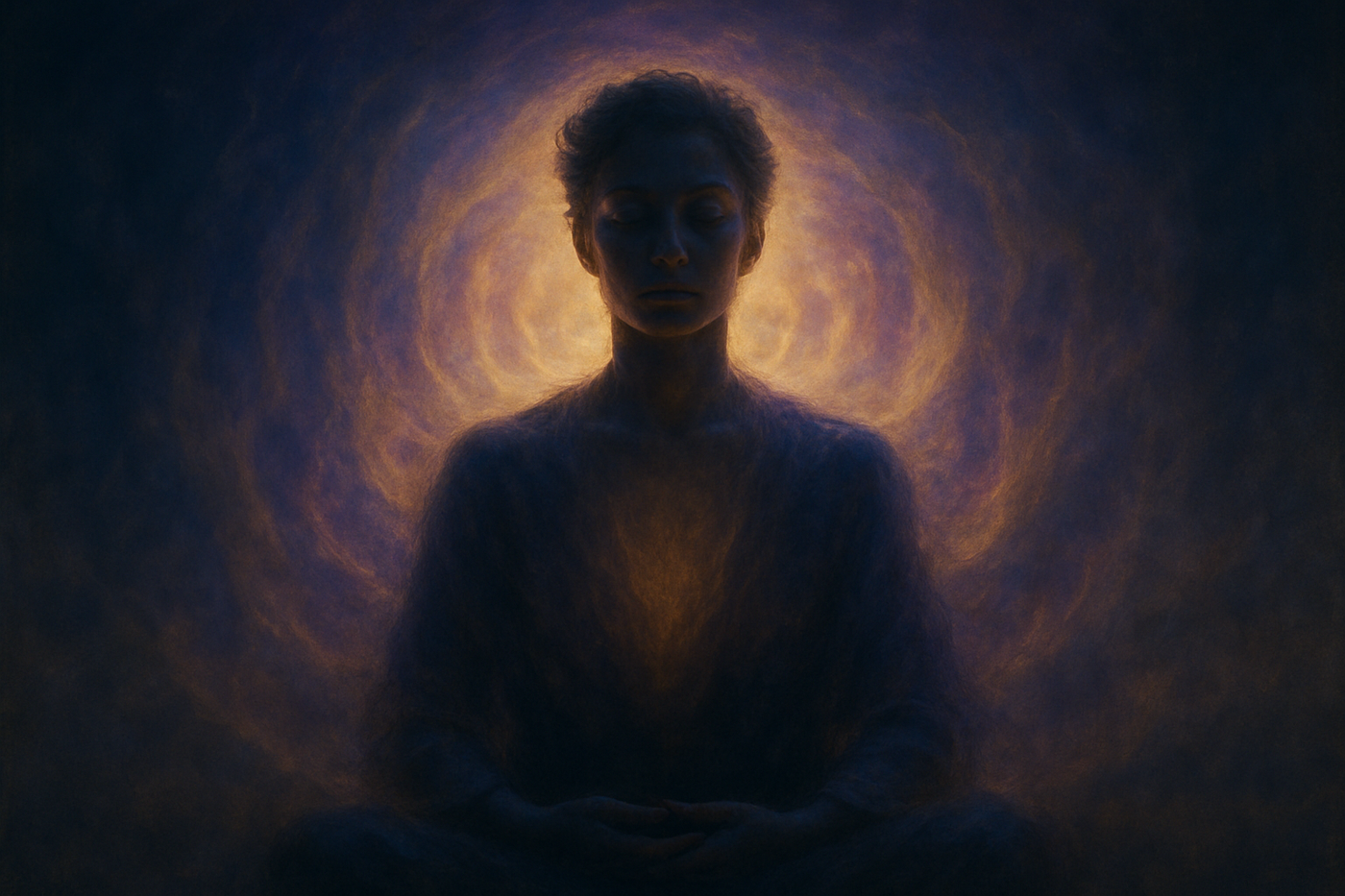
An aura is the invisible field of energy believed to surround every living being, radiating outward from the body in layers of light and color. Aura color meaning refers to the interpretation of these colors — each shade is thought to correspond to a specific emotional, mental, or spiritual state, from red (passion, drive) to violet (spiritual insight). Rooted in ancient metaphysical traditions, aura reading has become a popular way to explore personality, mood, and energetic well-being.
Aura Color Definition
In simple terms, an aura color is the dominant hue that a person's energy field is said to display at a given moment, and its meaning is the personality trait, emotion, or spiritual state that color is believed to represent. Aura colors are not fixed — they can shift with your mood, health, and life circumstances — which is why the same person may report seeing different colors on different days.
Quick Reference: Core Aura Colors at a Glance
- Red — passion, energy, and physical drive.
- Orange — creativity, joy, and emotional balance.
- Yellow — confidence, intellect, and optimism.
- Green — love, compassion, and healing.
- Blue — truth, communication, and calm.
- Violet/Indigo — intuition, spirituality, and insight.
In This Article
What Is an Aura?
The aura is believed to be the energetic vibration field that encircles all living things. The concept has been embraced by spiritual healers, energetics practitioners, and even modern-day wellness enthusiasts. Your aura is said to be in tune with your inner self, shining through with colors and patterns embedded in your emotions, thoughts, and spiritual alignment. These colors are dynamic, as they have a tendency to shift depending on one’s state of mind, life experiences, and energy levels.
The Significance of Aura Colors
Each color carries a meaning with it: about one’s personality, emotions, and even about the purpose of one’s life. Below are the most common aura colors, what they typically mean, and the traits often associated with each.
| Aura Color |
Meaning |
Associated Traits |
| Red |
It symbolizes passion, strength, and life. Often related to physical energy and determination. |
Ambitious, energetic, action-oriented, sometimes quick-tempered. |
| Orange |
Represents creativity, joy, emotional equilibrium. |
Warm, outgoing, emotionally expressive, creative. |
| Yellow |
The inseparable hue of confidence, intellect, and optimism. |
Intellectual, happy, analytical, inquisitive. |
| Green |
Reflects love, compassion, and healing energy. |
Nurturing, empathetic, emotionally stable, and grounded. |
| Blue |
It’s associated with communication, truth, and tranquility. |
Honest, intuitive, peaceful, and connected to their higher purpose. |
| Indigo (Purple) |
Spiritual awareness, intuition and psychic ability. |
Deep thinkers, spiritually attuned, insightful, and connected to higher consciousness. |
| Pink |
Representing the color of love and the sweetness of affection, as in a kind heart. |
Gentle, loving, compassionate, and artistic. |
| White |
Considered a pure, balanced aura reflecting spiritual enlightenment. |
Harmonious, spiritually advanced, balanced in mind, body, and spirit. |
| Black or Gray |
Indicates negative energy, unresolved issues, or blockages. |
May reflect emotional heaviness, fear, or the need for deep healing and release. |
How to See and Interpret Your Aura
If you are curious about the color of your aura and what it means, here are some techniques you can use to see and interpret your energy field:
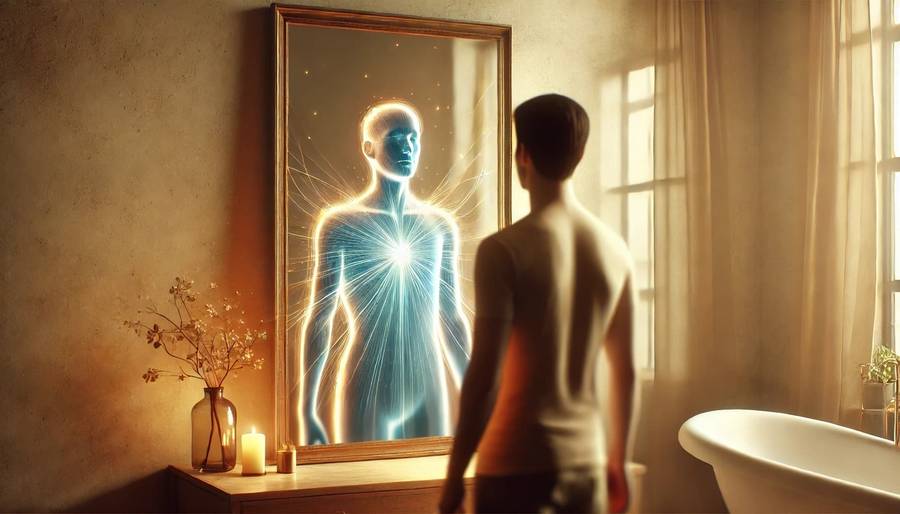
- Mirror Technique: Stand in front of a mirror in a dimly lit room. Focus on the space around your head and shoulders, relaxing your eyes slightly. Over time, you can develop the knack of perceiving a faintly glowing or colored radiation issuing from your body—that is your aura!
- Hand Observation: Hold your hand against a neutral background, like a white wall. Pay attention to the outline of your fingers. With practice, you may start to feel a thin light or energy around your hand.
- Meditation and Visualization: Meditation sharpens your sensitivity to energy fields. Sit in a quiet place, shut your eyes, and listen to your breathing. Visualize a glowing light surrounding your body, expanding outward. Notice if any color or sensation comes into your mind, as they may reflect your aura.
- Get a Professional Aura Reading: If self-observation tends to be difficult, an aura reader or healer can be sought out. In most cases, they use certain techniques or gadgets, such as aura photography, to identify your energy field.
The Connection Between Aura Colors and Chakras
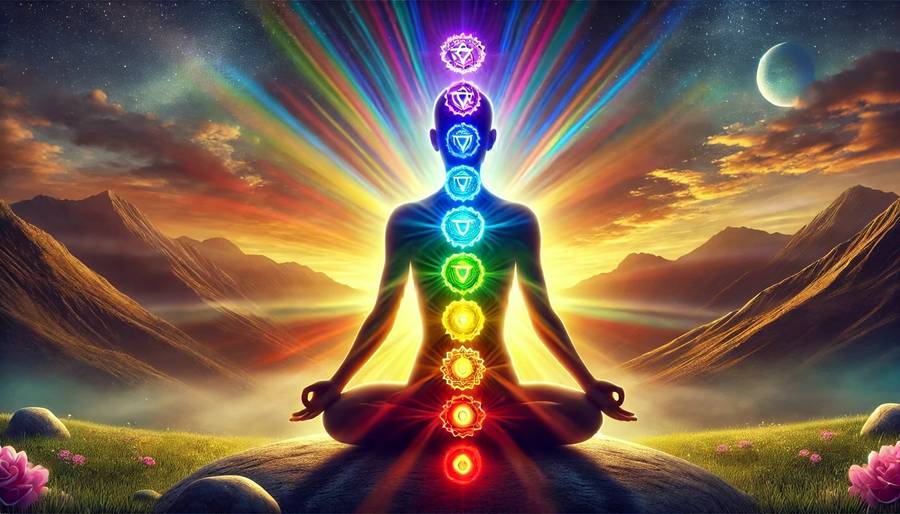
Aura colors often correspond to the seven chakras, those energy centers within your body. These chakras are part of a broader spiritual symbolism of energy flowing through living beings, and understanding them can deepen your knowledge of aura meanings.
| Chakra |
Color |
Location |
Meaning |
| Root Chakra |
Red |
Base of the spine |
Stability, security, and grounding. |
| Sacral Chakra |
Orange |
Below the navel |
Creativity, pleasure, and emotions. |
| Solar Plexus |
Yellow |
Stomach area |
Confidence, power, and self-esteem. |
| Heart Chakra |
Green/Pink |
Center of the chest |
Love, compassion, and healing. |
| Throat Chakra |
Blue |
Throat |
Communication and self-expression. |
| Third Eye Chakra |
Indigo |
Between the eyebrows |
Intuition and spiritual insight. |
| Crown Chakra |
Violet (or White) |
Top of the head |
Spiritual enlightenment and connection. |
How to Cleanse and Balance Your Aura
Your aura can be disrupted, for instance, by stress, other people’s negativity, or turmoil at an emotional level. It is good to cleanse it regularly and balance your energy field so that opposing forces of tension and calm stay in harmony.
- Energy Cleansing Techniques:
- Smudging: Clean negative energies by using sage, palo santo, or incense.
- Salt Baths: In many spiritual traditions, salt baths are believed to cleanse a person's aura, though this is a matter of belief rather than a demonstrated effect.
- Crystals: Wear them or meditate with cleansing crystals like selenite, clear quartz, or amethyst.
- Grounding Practices:
- Go for walks in nature, either on grass or dirt, and go barefoot.
- Grounding meditations: Practice them by imagining roots coming out of your body and deep into the earth.
- Affirmations: Positive affirmations can cleanse and align your aura. Examples include:
- “I release all negativity from my life, allowing positive things into it.”
- “My energy field is strong, vibrant, and balanced.”
- Energy Work: This may be in the form of realigning your energy with Reiki, acupuncture, or other forms of sound healing to make your aura balanced once again.
Rare and Unique Aura Colors
While most people experience the common aura colors like red, blue, and green, rarer colors reflect unique spiritual states or major life changes. These usually denote higher vibrations or specific patterns of energy.
| Rare Aura Color |
Meaning |
Traits/Significance |
| Gold |
Divine connection, enlightenment, and abundance. |
Reflects an individual who is spiritually advanced, generous, wise, and deeply connected to universal energy. |
| Silver |
Symbolizes intuition, mystery, and feminine energy. |
Associated with people who are extremely intuitive, creative, and even clairvoyant. |
| Rainbow |
A rare, multidimensional aura associated with spiritual awakening and healers. |
Multifaceted, adaptable, deeply connected to universal energy; often seen in people undergoing profound personal change. |
| Copper |
Grounding, practicality, and the balance between the physical and spiritual. |
Practical, resourceful, and deeply connected to the earth’s energy. |
| Turquoise |
Emotional balance, healing energy, and clear communication. |
Found in natural healers, highly empathetic people, and strong communicators. |
| Lavender |
Suggests a dream-like state, creativity, and deep connection to the subconscious. |
Highly imaginative, spiritually curious, and attuned to artistic pursuits. |
How Rare Aura Colors Appear
Rare colors of the aura usually appear when an individual is going through a milestone period of change, such as a spiritual awakening, career change, or a major emotional breakthrough. They don’t typically stick with a person once they return to their usual, normal energy balance.
Advanced Techniques to Interpret Your Aura
Following are some advanced techniques that will help you go deeper than the basics of identifying and interpreting aura colors:
- Aura Photography: Modern technology has made it possible to visualize auras with specialized photography. Aura cameras use biofeedback sensors to translate physiological signals into colors that manufacturers say reflect a person's aura, though the technique has not produced scientifically reproducible results.
- How It Works: The cameras measure electromagnetic energy emitted by the body and color it according to intensity and frequency.
- What It Reveals: The aura photograph shows your present state, including energy imbalances or blockages within certain areas of the field.
- Meditation to Develop Aura Sensitivity: Advanced meditative practices heighten your perceptions and analysis of auras.
- Third-Eye Activation: This meditation process focuses on the space between the eyebrows to increase intuitive insight.
- Colors: Close your eyes and visualize a radiant ball of light in the color of your choice. Gradually allow it to expand and extend out, enveloping your body.
- Ask for Guidance: Hold an intention during meditation to gain understanding of the colors and patterns in your aura.
- Analyze Shifts Over Time: Observe changes in your aura colors with different emotional states, life events, or after energy work. Keep a journal about patterns, triggers, or recurring colors.
How Your Lifestyle Affects Your Aura
Your energy field is not static; it mirrors your habits, environment, and relationships. Here’s how lifestyle factors can influence your aura:
- Diet and Nutrition:
- High-Vibration Foods: Fresh fruits, vegetables, and whole grain foods keep your body fresh and make your aura strong and bright.
- Energy-Draining Foods: Processed foods, sugars, and chemicals in a person’s diet can create a less vibrant or murky color in one’s field.
- Emotional Health: Gratitude, joy, and love expand the aura and amplify brighter colors like green, yellow, and pink. Negative feelings, such as anger or fear, can shrink your aura to darker or muddier colors like gray or black.
- Physical Activity:
- Movement, especially yoga, tai chi, or dancing, provides energy and frees your body from energetic congestion.
- Exercise increases vitality, which is often seen in bright colors such as red or orange within your aura.
- Relationships: Positive relationships and connections nourish your energy field, and the colors often become more vibrant—for example, green may strengthen for compassion, and blue for communication. Toxic or draining relationships can cause energy leaks, which may show up in the aura as gray or dark patches.
- Spiritual Practices: Activities like prayer, meditation, or energy healing raise your vibration and foster colors like violet, gold, or white. Neglecting spiritual self-care may weaken your aura, making it less vibrant or balanced.
Aura Imbalances and What They Mean
Sometimes, your aura can become imbalanced, which usually reflects unresolved issues or further areas for growth. Here’s what to watch for and how to address it:
| Type of Imbalance |
Signs in the Aura |
What It Indicates |
How to Fix It |
| Energy Blockages |
Dark patches or muted colors. |
Stress, emotional traumas, and unresolved shocks. |
Energy healing, meditation, or journaling to allow emotional release. |
| Overactive Energy |
Extremely bright or intense colors. |
Hyperactivity, overstimulation, high stress. |
Grounding exercises: walking in nature or deep breathing. |
| Weak Aura Field |
Dim or faint aura. |
Fatigue, burnout, a lack of self-care. |
Rest, hydration, and nourishing activities that help regain lost energy. |
| Fragmented Energy |
Incoherent or dispersed patterns. |
Lack of concentration, indecision, or disorder. |
Yoga, mindfulness, or set routines for centering practices. |
Strengthening and Protecting Your Aura
Maintaining a healthy, strong aura supports a person’s general well-being. Here are practical tips for strengthening and protecting your energy field, along with protection crystals and symbols that are traditionally believed to guard against negative energy:
- Daily Energy Cleansing Rituals:
- Morning Routine: Visualize golden light around the body every morning to create a protective shield.
- Evening Cleanse: Lie down before bed and visualize cleansing the aura by washing away negative energy acquired throughout the day.
- Using Crystals for Aura Protection:
- Black Tourmaline: In crystal-healing tradition, black tourmaline is believed to absorb and ground negative energy, though this effect has no scientific support.
- Clear Quartz: Amplifies positivity, enhances general aura strength.
- Amethyst: Enhances spiritual growth and protection against energetic interference.
- Limit Exposure to Negative Environments: Try not to spend too much time around people or in environments that drain you. Learn to set boundaries and take good care of your well-being.
- Regular Energy Work:
- Schedule regular Reiki or energy healing sessions to keep your aura in balance.
- Attend sound baths or guided meditations to harmonize your energy.
Reading Auras of Others
How to Read Other People’s Auras
Reading another person’s aura requires practice, patience, and a focused, open mind. A step-by-step technique to develop the sensitivity that tunes you into another person's energy field is as follows:
- Observe Their Energy Physically: Aura reading starts with observation. To key in to another person’s energy, try the following:
- Step 1: Choose the Right Environment: Choose a neutral, well-lit space free of distractions. A plain background—such as a white or light-colored wall—makes it easier to see subtle patterns of energy.
- Step 2: Loosen Up and Concentrate Your Sight: Soften your gaze and look into the space just above and around the person’s shoulders and head. Avoid staring directly, as this will strain your eyes.
- Step 3: Look for the Glow: As you relax, you can begin to visualize a soft glow or haze around the person. Note any specific colors, shapes, or areas of brightness that impress you.
Attune to Their Emotional Energy
Beyond the visual cues, you can feel the energy someone is emitting by noticing your own feelings and physical responses when around them.
- Ask Yourself:
- Do you feel calm, uplifted, or energized around them?
- Do they make you feel heavy, drained, or uneasy?
These sensations can reflect the vibrational quality of their aura. For example, a bright harmonious aura tends to uplift, while a murky or dark one feels unsettling.
Guided Exercise Practice
If naturally viewing an aura is tricky, try these guided practices:
- Utilize Peripheral Vision: Standing three to four feet away from the subject, focus on the face. Keep the shoulders and upper body in your peripheral vision; you might see a faint energy field around them.
- Aura Pairing: Practice with a friend who’s open to energy work. Take turns observing each other and share what you see or feel.
Tools That Can Help Your Aura Reading Develop
While natural perception is ideal, these tools can enhance your practice:
- Aura Photography: Document a person's aura using a biofeedback camera.
- Pendulums: Swing a pendulum near the person’s energy field to detect subtle shifts.
- Crystal Sensing: Hold crystals like clear quartz or selenite to amplify your sensitivity to energy.
The Science of Aura and Energy Fields
While most explanations of auras border on the spiritual, modern science offers interesting perspectives on energy fields emitted by and surrounding living creatures. Here is what research says:
- The Human Biofield: Scientists refer to the aura as the human biofield, an electromagnetic field created by the body.
- Heart and Brain Energy: The heart creates an electromagnetic field that can be detected several feet away, while the brain's electrical signals can be measured using EEG.
- Research at the HeartMath Institute: According to research from the HeartMath Institute, positive emotions tend to produce smoother, more coherent heart rhythm patterns, while negative emotions are linked to more erratic, incoherent ones.
- Kirlian Photography: Kirlian photography captures real electric corona discharges from living organisms, and some practitioners believe these images visualize a person's energy field, though controlled studies attribute the patterns to moisture, pressure, and conductivity rather than a biofield.
- This method has been used to visualize the energy radiating from plants, humans, and even inanimate objects.
- While it is not a direct image of the aura, many believe it offers a glimpse into the energetic blueprint of the body.
- Quantum Energy and Auras: In quantum physics, everything in the universe is made up of vibrating energy. An aura could be interpreted as the energetic frequency of the body resonating with its environment.
- Resonance and Frequency: People with "bright" auras are said to vibrate at a higher frequency, radiating positivity outward and attracting similar energy in return.
- Energy Exchange: When people interact, their energy fields are said to overlap, creating a dynamic exchange that may affect both individuals.
Incorporating Aura Insights into Daily Life
Understanding aura colors and their meanings can change the way you approach relationships, personal growth, and even decision-making. Here’s how to apply this knowledge in practical ways:
- Strengthen Your Relationships: Use aura insights to better understand and connect with others:
- Compatibility Identification: Observe the aura of someone you spend time with to identify whether their energy resonates with yours.
- Empathy and Support: Recognize when someone’s aura seems murky or dim, which may mean they need emotional support or healing.
- Make Energy-Based Decisions: Aura awareness can guide major life decisions:
- Career Choices: A bright, expansive aura after an interview or workday may indicate a good match for the role.
- Relationships: A relationship that continually dulls your aura is one you may need to reevaluate.
- Improve Personal Growth: Observe changes in your aura as an indication of personal growth:
- Spiritual Practices: Regular meditation, affirmations, and gratitude journaling can help raise the frequency of your aura.
- Energy Awareness: Observe your aura at different times of day or with changes in your emotional state to spot patterns that need attention.
- Create an Energetically Balanced Environment: Your aura is much affected by your surroundings.
- Clear and Purify: Cleanse your environment with sage, incense, or sound vibrations to release stagnant energy.
- Connect with Nature: Place plants, crystals, or natural materials in your personal space to support groundedness and vibrancy.
Why Understanding Aura Colors Matters
Learning about aura colors is not only a spiritual curiosity but also a tool for self-discovery, deeper connections, and balanced living. By interpreting the messages your aura sends, you gain access to a richer understanding of your emotions, relationships, and purpose.
- Your Aura Reflects You: Every color, shift, and pattern in your aura is a key to understanding what is going on with you emotionally, mentally, and spiritually.
- Awareness Is Empowerment: Being aware of your aura can help protect against negative energies, nurture positive energy, and support healing when needed.
- Energy is universal; the concept of the aura connects all of us, encouraging greater empathy and harmony.
Final Thoughts
Your aura is dynamic, ever-changing with your current feelings, thoughts, and experiences. Learning to read it and caring for that energy field can unlock deeper layers of self-understanding and spiritual growth. Whether you're watching your own aura, helping others identify their energy patterns, or simply exploring the metaphysical, understanding aura colors invites you into a life filled with balance, insight, and vibrancy.
FAQ
What does my aura color mean?
Your aura color reflects your current emotional, mental, and spiritual state, and each hue is tied to a general meaning — for example, red suggests passion and drive, while blue points to calm and honest communication. Because auras shift with mood and energy levels, your dominant color can change from day to day or even hour to hour.
What is the rarest aura color?
Rainbow and gold are generally considered the rarest aura colors, often associated with spiritual awakening, healing gifts, or a profound life transformation. These colors tend to appear temporarily during major turning points rather than as a person's permanent baseline.
Can your aura color change?
Yes, aura colors are believed to be fluid and can shift based on your mood, health, relationships, and spiritual practices. A stressful period might dim or darken your aura, while meditation, gratitude, or positive relationships can brighten and expand it again.
What is the most common aura color?
Blue and green are often cited as the most common aura colors, reflecting traits like calm communication, empathy, and emotional stability that are widespread in everyday personalities. Red and yellow are also frequently reported, especially among people with high energy or strong ambition.
How do I find out my aura color?
You can try self-observation techniques like the mirror method, hand observation, or meditation and visualization described earlier in this article, or seek a professional aura reading using aura photography. With practice, many people learn to sense recurring colors or patterns that point to their dominant aura.

 KnowMastery