Symbols
Lotus Flower Meaning: Purity, Enlightenment & Rebirth
Discover the lotus flower's meaning across Hinduism, Buddhism & Egypt—purity, enlightenment, rebirth—plus colors, dreams, and how …
 KnowMastery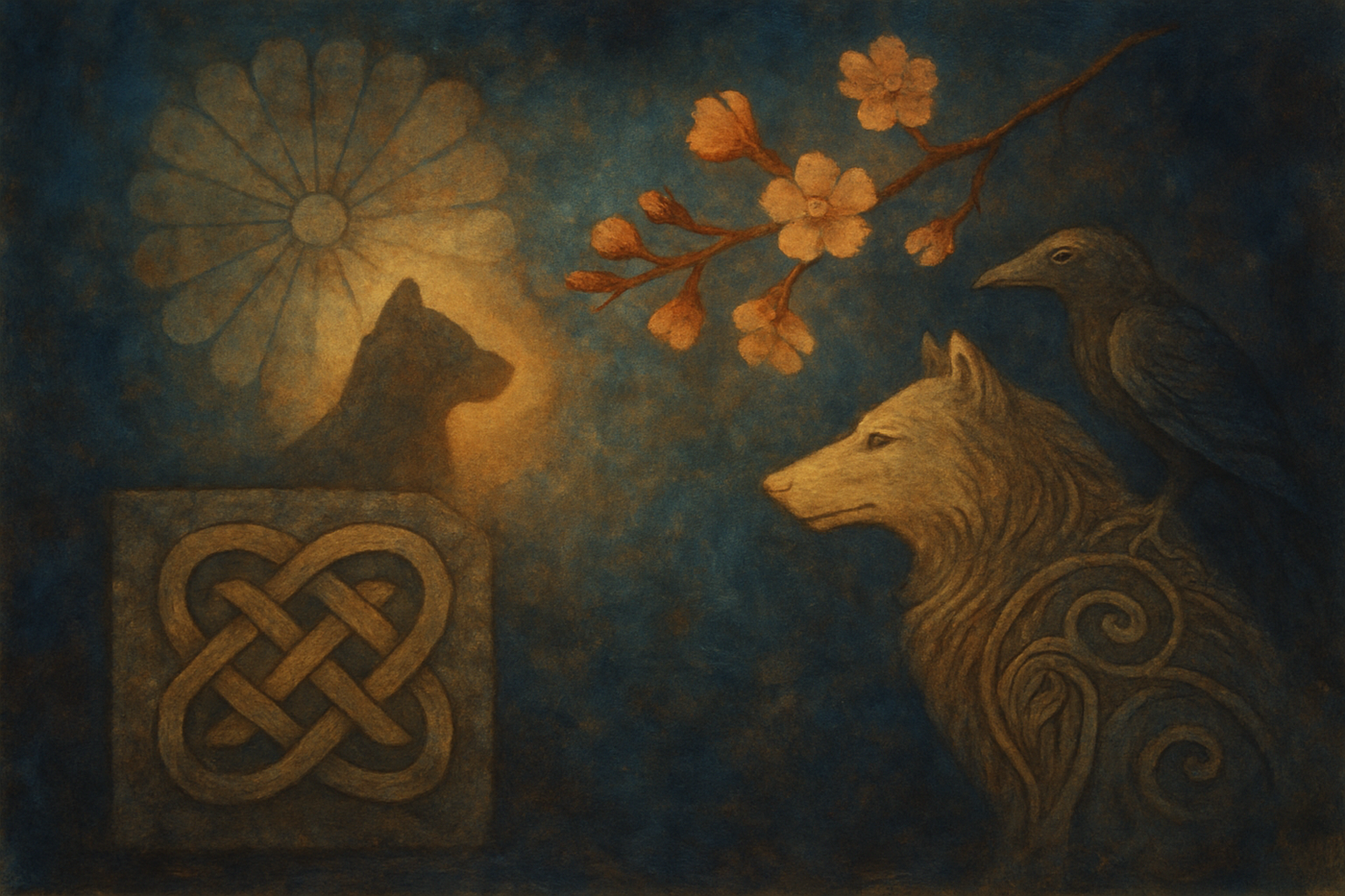
The symbol of loyalty most widely recognized across cultures is the faithful dog, closely followed by the wolf, the endless knot, and the dragon-phoenix pair. Japan's Hachiko statue, Celtic knotwork rings, Norse wolf and raven imagery, and the Chinese dragon-phoenix duo all point to the same idea: a bond that holds even when no one is watching. Each symbol grew out of a specific story or code of honor, not a vague sentiment, and each still shows up in jewelry, tattoos and home decor today.
There is a reason loyalty needed a symbol at all. Words break, promises get forgotten in the noise of daily life, but a carved knot on a ring or a dog statue outside a train station does not waver. People needed something permanent to point to when they wanted to say, without speaking, that a bond would hold.
That need shows up across continents and centuries in strikingly similar ways. A farmer in ancient China and a warrior in Viking-age Norway never met, yet both reached for an animal or a knot to explain the same feeling: I will not leave you.
Before diving into any single culture, it helps to see the pattern across all of them. A handful of animals show up again and again as shorthand for faithfulness, each tied to a specific behavior people actually observed:
Loyalty was never just a private feeling in the ancient world. It held together armies, marriages, trade routes and entire clans. A symbol made that invisible commitment visible, something you could tattoo on skin, carve into a doorway, or hand to a spouse as a ring. It also gave people a shared language for trust before written contracts were common. In early Ireland, tradition holds that oaths sworn aloud over sacred metal objects, such as bell shrines and croziers, were treated as legally binding under the customs later recorded in Brehon law.
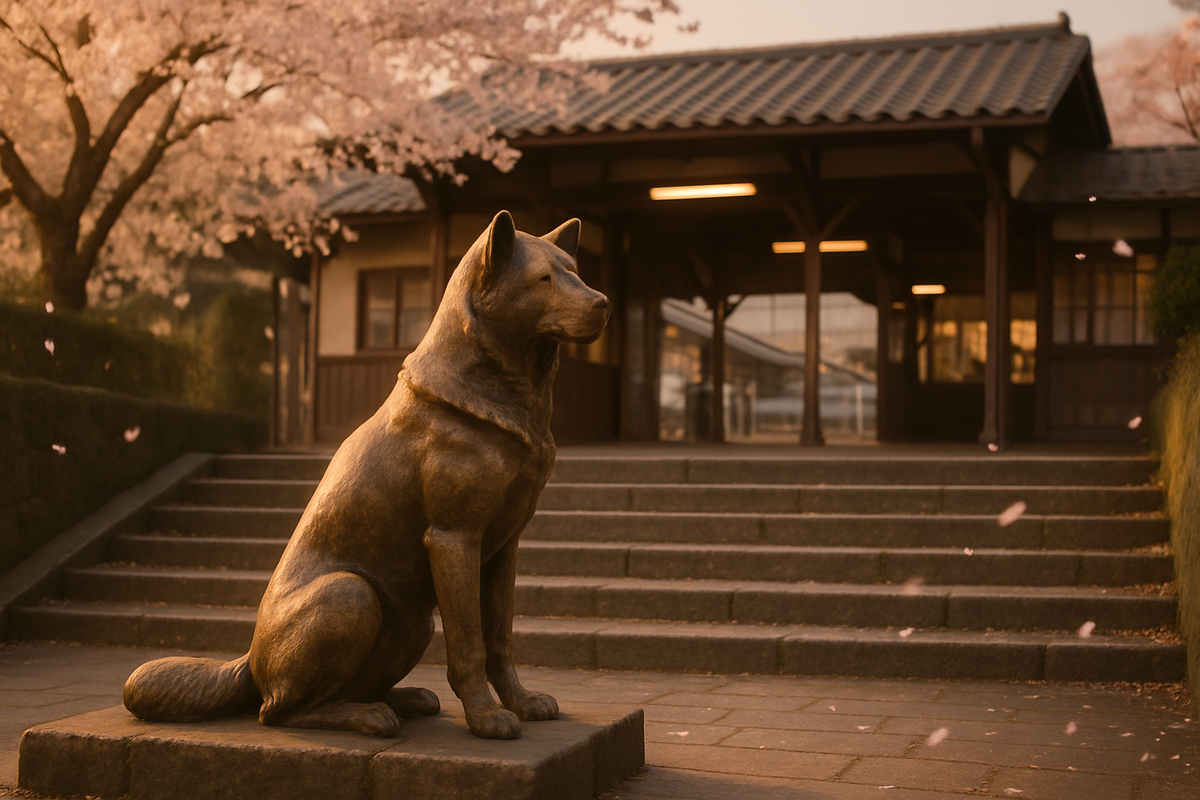
Japan's loyalty symbolism grew directly out of bushido, the samurai code that placed devotion to one's lord above personal safety. Loyalty here was not soft sentiment, it was duty.
Chinese loyalty symbolism leans heavily on stories from history and literature, where oaths between people mattered as much as loyalty to rulers or heaven.
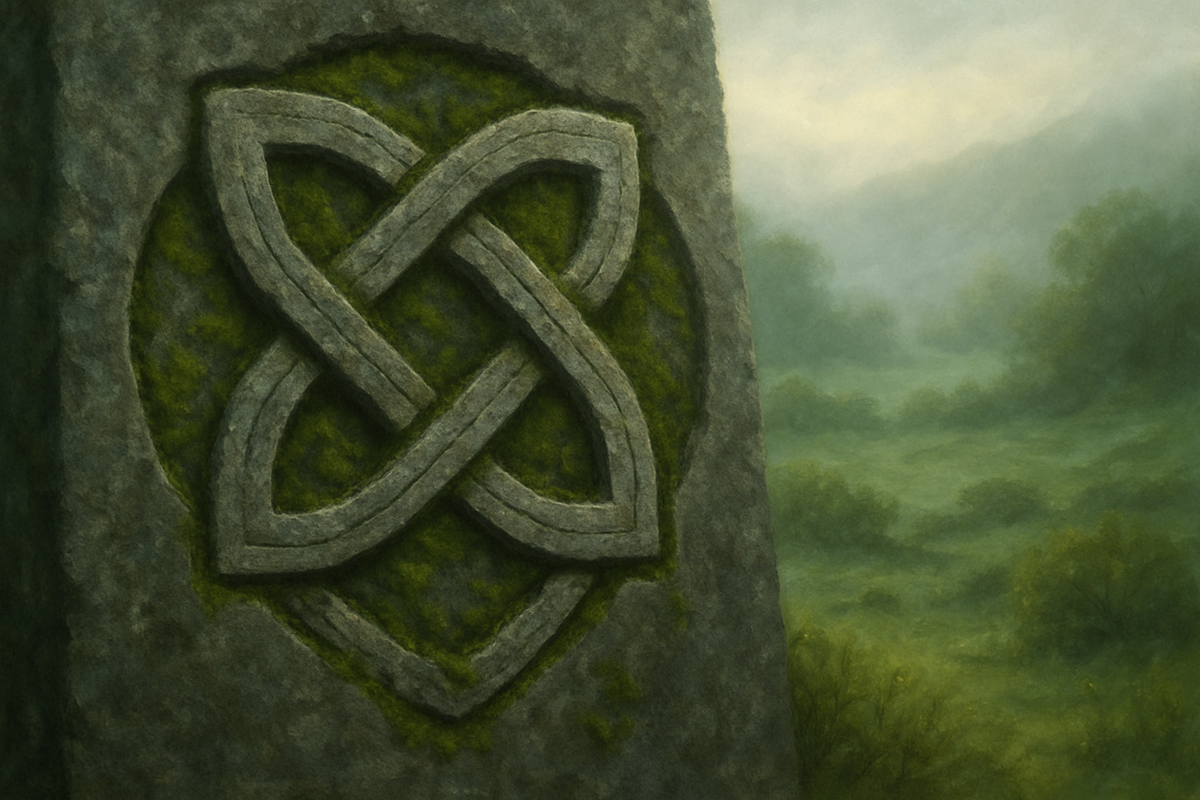
Celtic culture expressed loyalty through knotwork, an art form built on lines that never end, which made it a natural fit for describing bonds that were meant to last forever.
Norse culture built loyalty into its mythology and its social rituals alike, from the gods' own companions to the oath-swearing ceremonies of ordinary warriors.
| Culture | Primary Symbol | Core Meaning | Common Use |
|---|---|---|---|
| Japanese | Faithful dog (Hachiko), chrysanthemum | Devotion to a person or emperor, even after death | Statues, family crests, storytelling |
| Chinese | Peach tree oath, dragon and phoenix | Sworn brotherhood and balanced partnership | Literature, wedding art, jade gifts |
| Celtic | Endless knot, Claddagh | Bonds without beginning or end | Rings, jewelry, wedding vows |
| Viking/Norse | Wolves, ravens, Valknut | Loyalty through battle and beyond death | Shields, oath ceremonies, tattoos |
Beyond history, these symbols carry meaning in personal spiritual practice and in dreams. A dog appearing in a dream is commonly read as a message about trustworthy people already in your life, or a nudge to examine whether you are being loyal enough to someone yourself. Knotwork symbols, whether Celtic or otherwise, tend to surface in dreams during periods of decision-making about a relationship, often reflecting a subconscious question about whether a bond can hold. Wolves in dreams, drawing on the same pack instinct the Celts and Vikings both respected, are frequently tied to feelings about family loyalty or a group you belong to. A raven in a dream, following the Norse pattern set by Huginn and Muninn, is sometimes interpreted as a message arriving from someone far away who still holds you in mind. For a broader look at how animal and object imagery shifts meaning once it enters the dream state, our guide to dream catcher meaning covers how protective symbols function while you sleep.
Wearing or displaying these symbols is treated less as decoration and more as a quiet vow. A Claddagh ring turned inward signals a heart already given, while a dragon and phoenix pendant is sometimes gifted at weddings in Chinese communities specifically to bless a marriage with lasting mutual loyalty. A jade bracelet passed from a parent to a child carries the same idea: the object outlasts the giver, so the loyalty it represents is meant to as well.
You do not need Viking ancestry or Japanese heritage to draw meaning from these symbols, but it helps to choose one with a story that actually resonates rather than picking whatever looks good in a shop window.
Whichever symbol you choose, treat it the way the original cultures did: as a marker of a bond that already exists, not a substitute for building one.
There is no single universal symbol, but the faithful dog, the wolf, the Celtic endless knot and the Chinese dragon-phoenix pair are the most widely recognized. Each represents loyalty through a different lens, personal devotion, pack instinct, unbroken bonds, or balanced partnership, but all point to the same core idea of a promise that holds.
The dog is Japan's clearest symbol of loyalty, largely because of Hachiko, an Akita who waited at a Tokyo train station for his owner every day for nine years after the owner's death. His statue at Shibuya Station is still a national symbol of devotion.
The peach tree oath from the Romance of the Three Kingdoms is the most famous literary symbol, representing sworn brotherhood between friends. The dragon and phoenix pair is the more common symbol for loyalty between partners in marriage.
The Celtic endless knot, sometimes called the love knot, represents loyalty because it has no beginning or end. The Claddagh ring, showing hands, a heart and a crown, is the best known everyday symbol combining loyalty with love and friendship.
Yes, the Vikings associated loyalty with wolves and ravens, drawn from the myths of Odin's companions Geri, Freki, Huginn and Muninn. Oaths of loyalty were also sworn over a shared drinking horn during ceremonies among warriors and chieftains.
In Japan, kamon, or family crests, marked which household a person belonged to and served as a visible pledge of loyalty passed down through generations. In China, the peach tree oath performs a similar role for chosen family, symbolizing brothers who commit to each other as strongly as blood relatives.
The Celtic endless knot is often read as a symbol of unity as much as loyalty, since its unbroken line suggests two paths joined into one that cannot be separated. The Claddagh ring carries the same dual meaning, with its clasped hands representing unity and its crowned heart representing loyalty within that union.
Discover the lotus flower's meaning across Hinduism, Buddhism & Egypt—purity, enlightenment, rebirth—plus colors, dreams, and how …

Discover what a rainbow truly symbolizes—hope, divine promise, and spiritual transformation—across mythology, dreams, and modern c…
The Healing Power of Forgiveness Symbols In a world often marred by conflict and discord, the symbols of forgiveness stand as beac…