
Symbols
Symbolism of Change: What Represents Transformation
Discover the butterfly, phoenix, lotus and other symbols of change across cultures, plus their spiritual meaning and how to use th…
 KnowMastery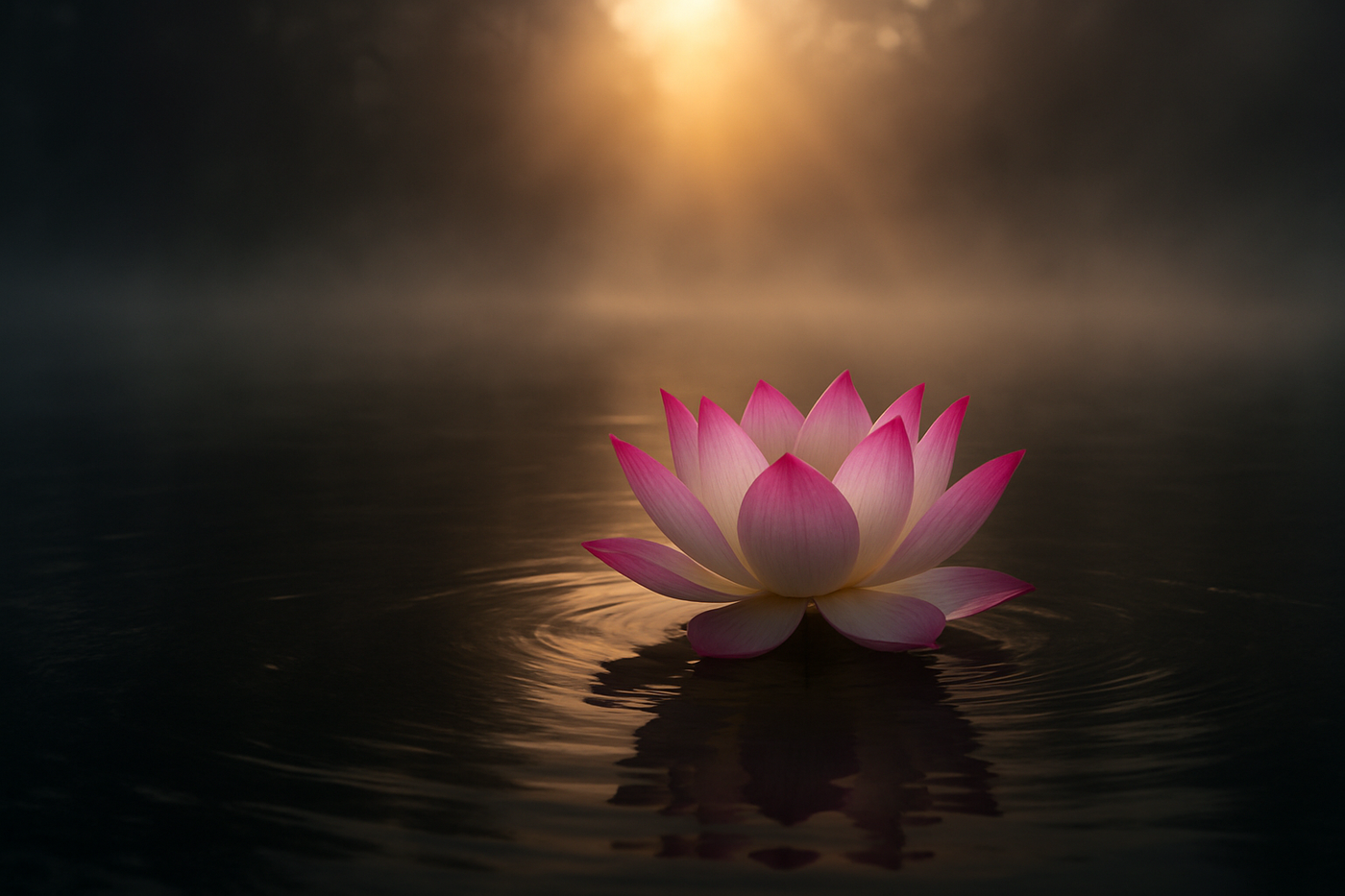
The lotus flower symbolizes purity, spiritual enlightenment, and rebirth because it rises unstained from murky water to bloom pristine each morning. Revered in Hinduism, Buddhism, and ancient Egyptian religion, the lotus represents the soul's journey from darkness and struggle into wisdom and awakening. Its habit of closing at night and reopening at dawn also made it an ancient symbol of resurrection and the eternal cycle of life, a meaning still carried today in meditation, art, and jewelry.
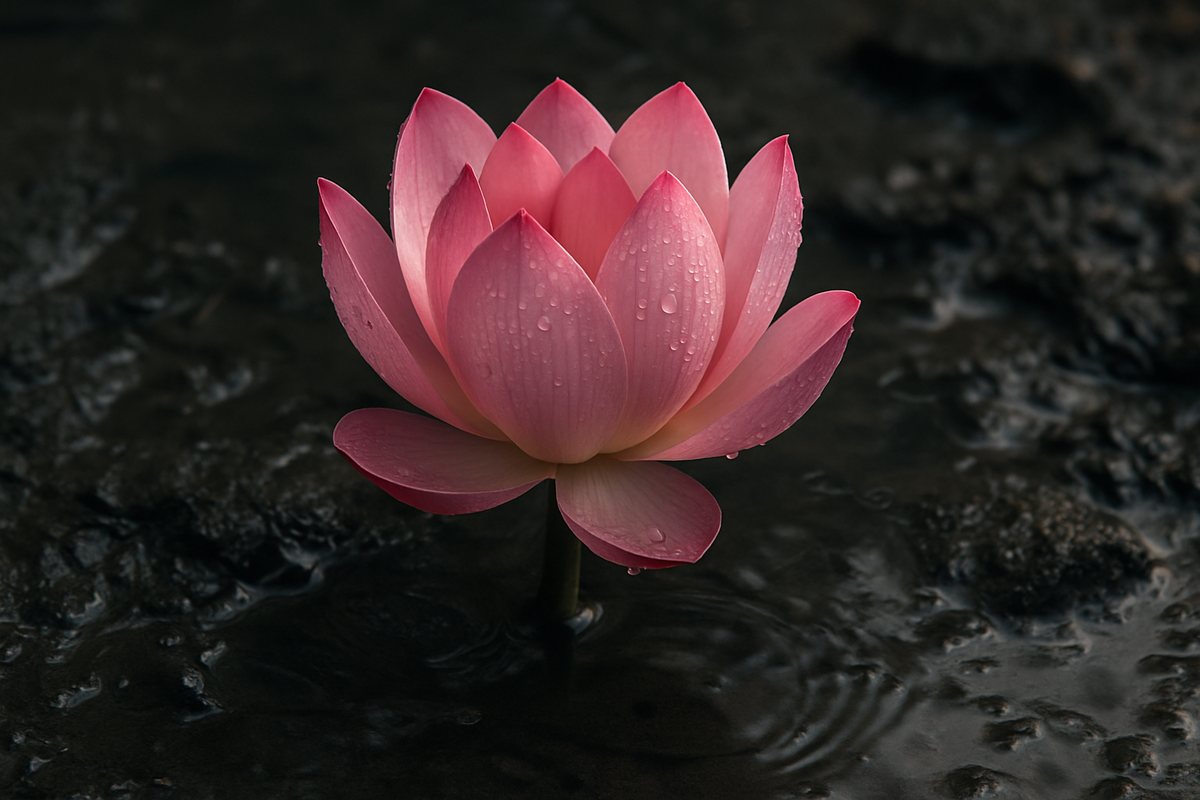
There is something quietly astonishing about a flower that grows from black, silty mud yet opens each morning without a single speck of dirt on its petals. No wonder ancient priests, yogis, and poets stopped to stare.
Maybe you've felt like that mud yourself — weighed down by grief, doubt, or a season that just won't lift. The lotus doesn't ask you to escape the mud. It asks you to grow through it.
That single image — beauty rising from darkness — is why the lotus has bloomed across temples, tattoos, meditation halls, and sacred texts for over three thousand years.
At its heart, the lotus carries three interlocking meanings that appear in nearly every tradition that reveres it:
Because the plant needs murky, nutrient-rich mud to grow at all, it also teaches that struggle and hardship are not obstacles to spiritual growth — they are the very soil that makes it possible. This idea resonates with other transformation symbols, such as the Tree of Life, which likewise represents growth, connection, and continuity through the seasons of existence.
In Hindu tradition, the lotus (padma) is inseparable from divinity itself.
The goddess Lakshmi, deity of prosperity and beauty, is almost always depicted seated or standing on an open lotus, signifying spiritual wealth alongside material abundance. Brahma, the creator god, is said to have emerged from a lotus growing out of Vishnu's navel, linking the flower directly to the origin of the universe. Hindu texts frequently use the phrase "lotus-eyed" or "lotus-hearted" to describe someone of exceptional purity and grace, a compliment still used in classical Indian poetry today.
The lotus also maps onto the human body through the chakra system. Each of the seven energy centers is visualized as a lotus with a specific number of petals — the crown chakra, or sahasrara, is imagined as a thousand-petaled lotus blooming at the top of the head, representing full spiritual realization. Yoga practitioners often visualize this unfolding lotus during meditation as a way of tracking their own progress toward stillness and insight.
Buddhism arguably places the lotus at the very center of its visual and philosophical vocabulary.
The Buddha himself is frequently depicted seated on a lotus throne, and Buddhist scripture repeatedly returns to the image of the flower rising through muddy water toward sunlight as the perfect metaphor for enlightenment achieved despite — and because of — suffering (dukkha). The Lotus Sutra, one of the most influential Mahayana texts, uses the flower's name directly in its title to signal the purity of the teaching within.
The color of the lotus in Buddhist art is never accidental; each shade carries its own layer of meaning:
| Lotus Color | Buddhist / Symbolic Meaning |
|---|---|
| White Lotus | Total spiritual perfection, mental purity, and Bodhi (awakening) |
| Pink Lotus | The supreme lotus, often linked directly to Buddha himself |
| Red Lotus | Compassion, the heart, love, and passion |
| Blue Lotus | Wisdom, knowledge, and victory of intellect over the senses |
| Purple Lotus | Mysticism, esoteric practice, and spiritual awakening |
In Tibetan Buddhism, the mantra "Om Mani Padme Hum" translates roughly to "the jewel is in the lotus," symbolizing the enlightened mind hidden within every being, waiting to unfold like the flower's petals. Practitioners chant it as a daily reminder that awakening is not something to acquire from outside, but something already present, waiting to bloom.
Long before Buddhism or Hinduism took shape, the ancient Egyptians revered the blue lotus (technically a water lily, Nymphaea caerulea) as a symbol of the sun, creation, and rebirth. The flower closes each evening and sinks below the water, then reemerges and reopens at sunrise — a daily performance the Egyptians read as a metaphor for the sun god Ra's journey through the underworld and his triumphant return each dawn.
The Egyptian creation myth of Heliopolis describes a giant lotus rising from the primordial waters of Nun, from which the sun itself was born. Because of this, lotus motifs appear on temple columns, funerary art, and tomb paintings throughout the Nile Valley, symbolizing resurrection and the promise of life after death — a theme that echoes the way other ancient cultures encoded eternity into symbols, much like the interlocking forms explored in Yin Yang Explained: The Balance of Life's Forces.
While Hinduism, Buddhism, and Egyptian religion offer the richest lotus mythology, the flower's symbolism has traveled further:
Dreaming of a lotus is generally considered a deeply positive omen. A lotus blooming in still water often suggests you are emerging from a difficult emotional period with newfound clarity or peace. If the flower appears closed or wilted, it may reflect feelings of untapped potential or spiritual stagnation that you sense but haven't yet addressed.
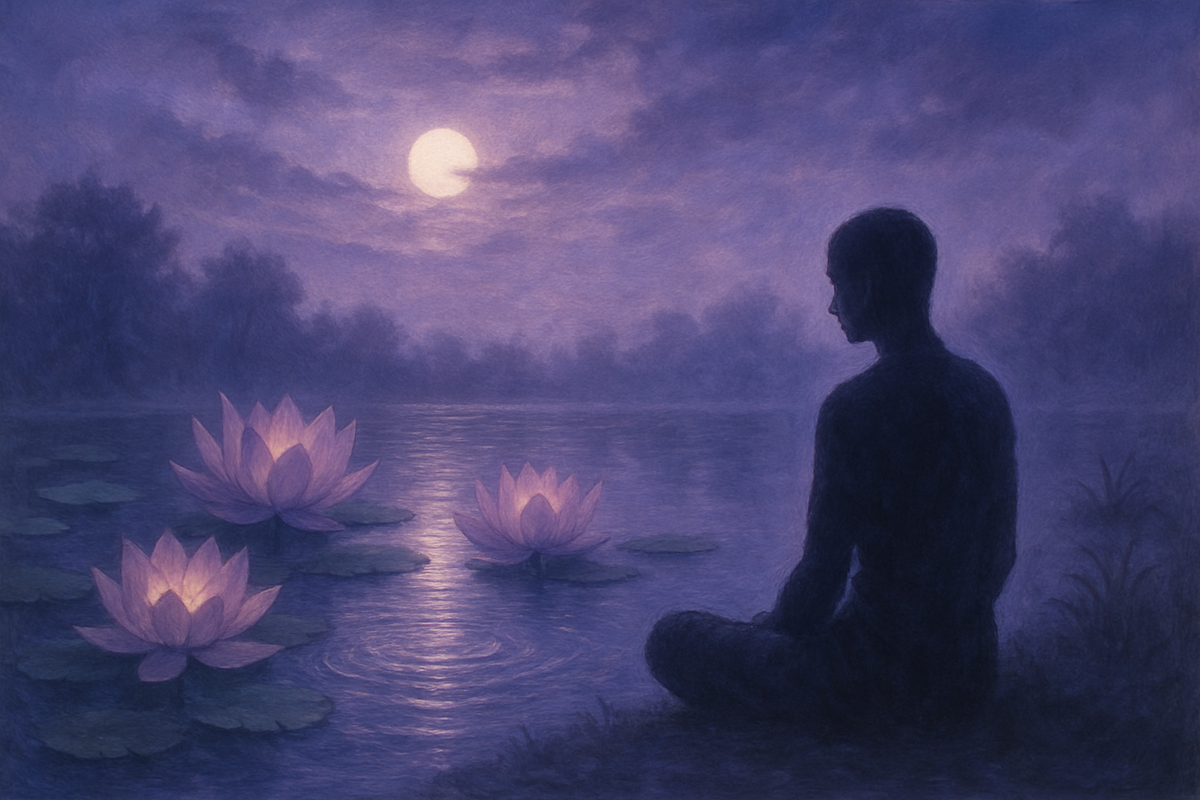
You don't need to be a monk or a devotee of any particular faith to draw meaning from the lotus. Here are practical ways people incorporate its symbolism:
Whichever way you choose to engage with it, the lotus offers a gentle but firm philosophy: your circumstances do not define your capacity for growth. Just as a Hamsa hand is worn for protection and blessing, a lotus can be carried, worn, or simply remembered as a quiet vow to keep rising toward the light.
Spiritually, the lotus symbolizes purity, enlightenment, and rebirth because it grows from muddy water yet blooms perfectly clean each day. Across Hinduism and Buddhism it represents the soul's ability to rise above suffering and attachment to reach spiritual awakening.
A white lotus generally represents complete spiritual perfection and mental purity, often associated with enlightened beings in Buddhist art. A pink lotus is considered the supreme lotus, frequently linked directly to the historical Buddha, symbolizing the highest devotion and awakened state.
The lotus needs nutrient-rich mud at the bottom of ponds and lakes to anchor its roots and draw nourishment, yet its long stem carries the flower above the waterline where it blooms untouched by the dirt below. This biological fact became a powerful spiritual metaphor for rising above hardship without being corrupted by it.
Dreaming of a blooming lotus typically signals emotional healing, clarity, or a spiritual breakthrough after a difficult period. A closed or wilted lotus in a dream may point to unrealized potential or a part of yourself still waiting to awaken.
Discover the butterfly, phoenix, lotus and other symbols of change across cultures, plus their spiritual meaning and how to use th…
Discover 49+ powerful self-love symbols — crystals, animals, flowers, and spiritual icons — and what each one means for building s…
What does the crescent moon mean? Explore its spiritual symbolism, mythology, dream meaning, necklace significance, and rituals fo…