Symbols
Wishbone Meaning & Symbolism: History, Luck & Traditions
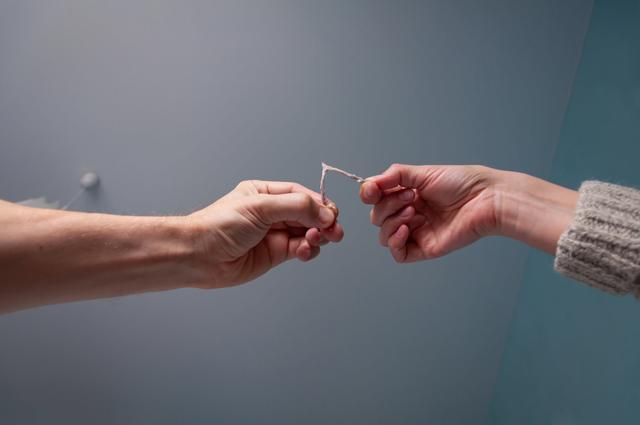
What does a wishbone symbolize? Explore its Etruscan origins, Thanksgiving ritual, global traditions, and the real meaning behind …
 KnowMastery
 Dreaming of cicadas usually points to a period of personal transformation, one that has been building out of sight for a long time before it finally breaks through. The cicada spends years buried underground as a nymph before emerging to sing and mate in the open air, so the dream often signals that something in your waking life is finally ready to surface. The sound of cicadas in a dream usually relates to a message you need to speak out loud. Swarms point to a bigger change moving through your life, not just a personal one.
There is something almost unsettling about a cicada dream. You wake up with that buzzing still in your ears, unsure for a moment whether it was real. The sound, dry and relentless, has a way of lodging itself in the body before the mind catches up.
People who dream of cicadas often describe the same feeling: something has been waiting a long time to happen, and the waiting is nearly over. The dream rarely feels random. It tends to show up right when old patterns are cracking open, whether that means leaving a job, ending a relationship, or simply outgrowing who you used to be.
Cicadas spend most of their lives underground as nymphs, feeding quietly on root sap for anywhere from two to seventeen years depending on the species. Then, almost overnight, they dig their way out, shed their old exoskeleton, and spend a few weeks above ground singing, mating, and dying. That life cycle is the key to nearly every dream interpretation tied to this insect.
In a spiritual reading, cicadas in dreams often work the same way a tree of life symbol does: they mark a passage between one state of being and another. The nymph stage represents a kind of gestation, a stretch of time where growth happens unseen. The emergence marks the moment that gestation ends and a new form steps forward.
The cicada's song in a dream can also be read as a cue to trust instinct over logic. The insect does not reason its way to the surface, it simply knows when the time has come. A dream built around cicada song works the same way: it is a nudge to trust timing you cannot fully explain, the same instinct that makes people trust the protective pull of a dream catcher hung above a bed.
There is also a numerical angle worth noting. Periodical cicadas emerge in strict cycles of thirteen or seventeen years, both prime numbers. A seventeen-year cycle rarely lines up with the shorter two or five-year cycles of predators and parasites, which is likely why the species settled on prime-numbered emergences in the first place. Readers interested in number patterns in dreams can find more in our guide to numerology and life path numbers.
In Greek mythology, Tithonus was granted immortality by Zeus at the request of Eos, goddess of dawn, but no one asked for eternal youth alongside it. Tithonus aged forever without dying, and in some versions of the myth Eos turned him into a cicada, a creature that could sing without end even as his body withered. The story shaped Greek views of the cicada as a symbol of both the beauty and the burden of a voice that never stops.
Jade cicada carvings have been placed in the mouths of the dead in Chinese burial practice since at least the Han dynasty, roughly two thousand years ago. The custom rested on the belief that the cicada's cycle, burial, transformation, emergence, modeled the soul's own journey after death. A cicada dream in this tradition was never something to fear. It suggested the dreamer was moving through a necessary stage toward renewal rather than loss.
Japanese literature and haiku, including work by Matsuo Basho, use the cicada's short, loud adult life as a symbol of mono no aware, the bittersweet awareness that beauty is tied to its own impermanence. A cicada dream read through this lens becomes less about fear of death and more about appreciating a season, a relationship, or an opportunity precisely because it will not last.
Among the Hopi, the cicada appears alongside the flute player figure Kokopelli in some regional stories, tied to fertility, music, and the return of warmth after winter. Cicada emergence was read as a seasonal sign tied to planting rather than a purely personal omen. That connects the insect to the rhythm of the land itself, not just one dreamer's life.
The details of a cicada dream change the reading considerably. A single cicada singing on a branch carries a different tone than a swarm covering a car, or finding an empty shell on a windowsill. The table below breaks down frequent scenarios.
| Dream Scenario | Likely Meaning |
|---|---|
| Hearing cicada song without seeing them | A message or truth is ready to be spoken, even if you have been avoiding it |
| Finding an empty cicada shell | You have already outgrown an old identity, relationship, or job, even if you have not admitted it yet |
| A swarm of cicadas | Large-scale change affecting your family, workplace, or community, not just you personally |
| A cicada landing on your body | A personal truth or talent is asking to be expressed directly, not hidden |
| Killing or being afraid of a cicada | Resistance to a change you know is coming, often tied to fear of visibility |
| A dead cicada | The end of a phase that has already served its purpose, often read positively |
| Cicadas emerging from the ground | Something long hidden, a secret, ambition, or feeling, is about to surface |
A cicada dream is usually less about the insect itself and more about timing. Before dismissing it as strange background noise from the day, it helps to sit with a few questions.
Dream symbols like this work best as prompts for reflection, not fixed predictions. The same way an anchor can mean stability to one person and restriction to another, a cicada dream takes its final meaning from the life of the person dreaming it.
Dreaming of cicada song usually points to a message, truth, or talent that is ready to come out after being held back. It often shows up during periods when you are weighing whether to speak up about something important.
Most cultural readings treat cicada dreams as positive, since the insect's cycle centers on rebirth and transformation rather than decay. Chinese burial customs placed jade cicadas with the dead specifically because the symbol was tied to renewal, not loss.
A swarm typically signals change that affects more than just you, such as a shift happening across a family, workplace, or community. This reading comes from the real biology of periodical cicadas, which emerge in massive broods rather than alone.
Recurring cicada dreams often show up when a long, slow process in your life, personal growth, a career shift, or healing from something old, is close to finishing. The repetition is usually your mind underlining that the waiting period is almost over.
What does a wishbone symbolize? Explore its Etruscan origins, Thanksgiving ritual, global traditions, and the real meaning behind …

Discover lavender's true meaning—serenity, grace, and calm—through history, spirituality, dream symbolism, and practical rituals.
Explore the top symbols and animals for loyalty, from anchors and Claddagh rings to wolves, plus tattoo ideas and meanings across …