Symbols
Peony Flower Meaning: Symbolism, Colors & Birth Flower Guide
Peony flower meaning explained: romance, honor, wealth, birth month, anniversary symbolism, dream meanings, and a full color guide…
 KnowMastery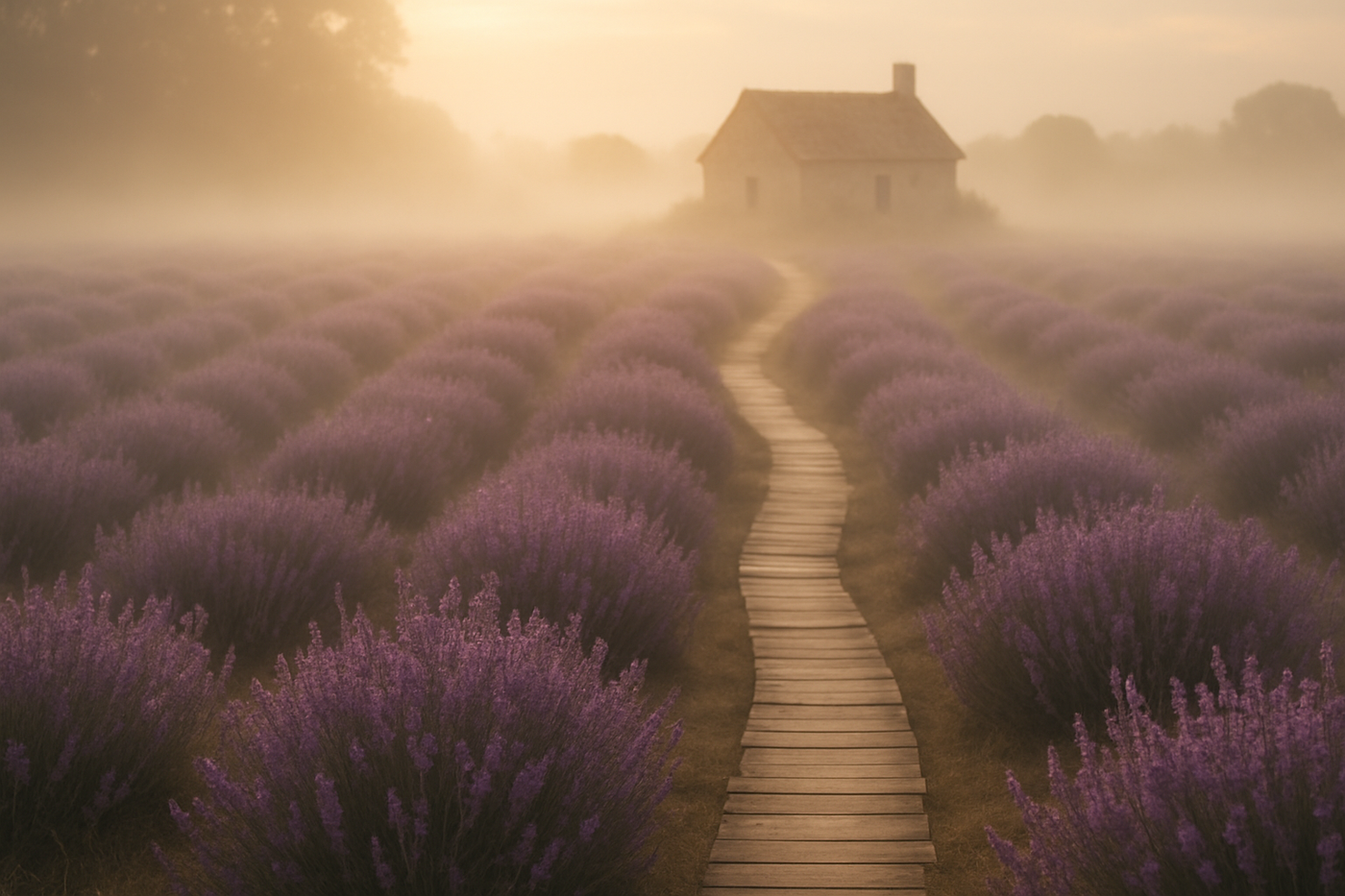
Lavender symbolizes serenity, grace, purity, and calm devotion. Across cultures, this soft violet flower has been prized for its ability to soothe the nervous system, purify sacred spaces, and represent quiet elegance. Sitting on the color wheel between passionate red and peaceful blue, lavender is a near-universal emblem of gentle emotional balance, spiritual refinement, and tranquil love.
There's a reason we reach for lavender when life feels loud. Something about its hazy purple fields and quiet fragrance seems to slow time itself—as if the flower remembers a stillness we've forgotten how to hold.
Maybe it's a grandmother's linen closet, sachets tucked between sheets. Maybe it's the last thing you smelled before falling asleep during a stressful week. Lavender doesn't shout for attention. It simply exists, softly insistent, asking us to breathe a little slower and stand a little taller.
Lavender's symbolism draws from three sources: its color, its scent, and its long history as a healing herb. Together, these create a meaning that is both spiritual and deeply practical.
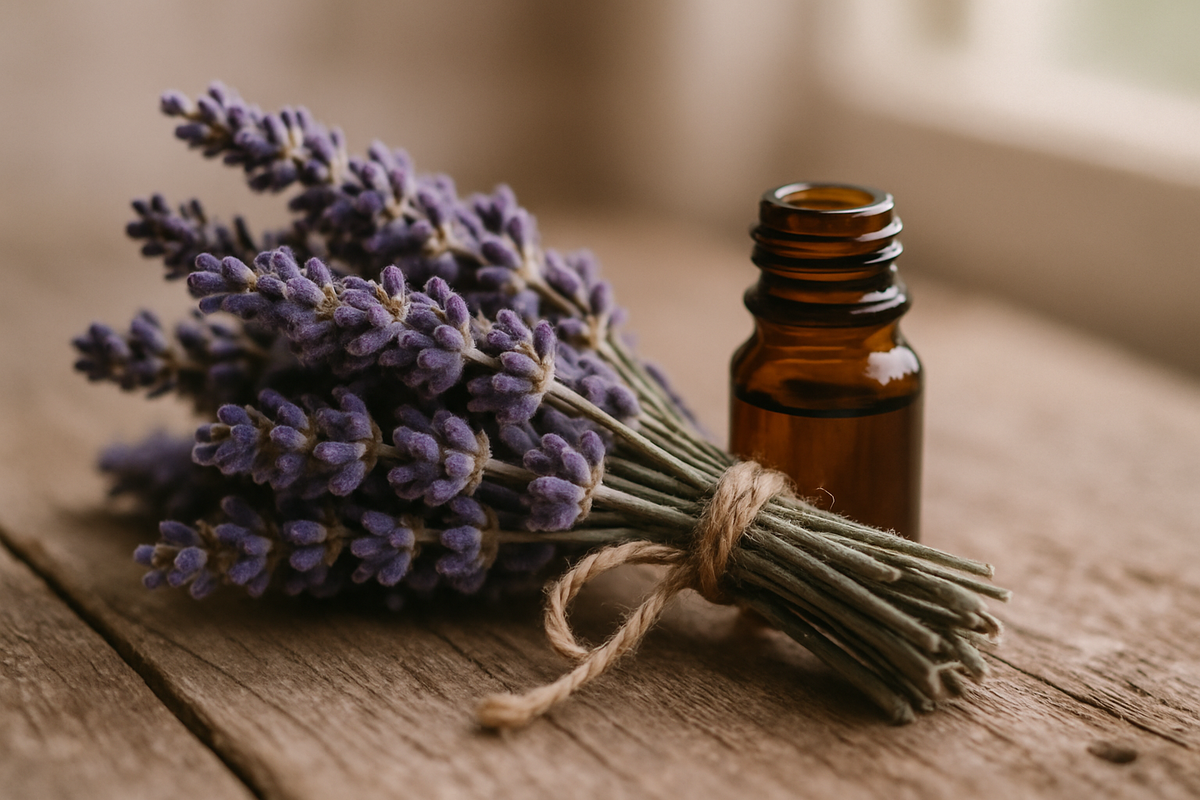
The name "lavender" likely derives from the Latin lavare, meaning "to wash." Roman citizens infused their bathwater with lavender to cleanse both body and spirit, associating the herb with purification long before it became a symbol of romance. In ancient Egypt, lavender was used in the mummification process and as a perfume for royalty—archaeologists have found traces of lavender oil in tombs dating back over 3,000 years, suggesting it was believed to accompany the soul into the afterlife.
In Persian and Arabic medicine, lavender—known in Unani texts as ustukhuddus—was prescribed to calm the nervous system and ease melancholy, a use that traveled along trade routes into North Africa and Andalusian Spain. In Ayurvedic practice, lavender oil is considered cooling and sattvic, believed to pacify excess Pitta and Vata energy, and is still added to oils used for head massage and calming baths in India today. These traditions developed independently of European herbalism, yet arrived at the same conclusion: lavender restores balance to an overstimulated mind.
During the Middle Ages, lavender was one of the herbs stuffed into "plague masks" worn by physicians, who believed its scent could ward off disease-carrying miasmas. Monasteries across France and England cultivated lavender gardens for both medicinal remedies and to symbolize the disciplined, contemplative life of prayer. This is where lavender's dual identity as both a practical remedy and a spiritual symbol truly took root.
In the strict social codes of the Victorian era, flowers carried coded messages when spoken words were considered improper. Lavender, given in a bouquet, signaled devotion and a cautious, thoughtful kind of love—affection that had been carefully considered rather than impulsively declared. Some interpretations also tied it to distrust, a reminder that even gentle symbols can carry double meanings depending on context.
In spiritual and metaphysical traditions, lavender is considered a bridge between the physical and etheric worlds. Practitioners of energy work often use dried lavender or its essential oil to:
Much like the protective symbolism found in a dream catcher, lavender has historically been treated as a guardian against troubled sleep, tucked into pillows or hung above beds in European folk traditions to keep negative energy at bay.
Dreaming of lavender fields or the scent of lavender is generally considered a positive omen. Dream analysts commonly interpret it as follows:
| Dream Scenario | Possible Meaning |
|---|---|
| Walking through a lavender field | A period of peace approaching after stress or conflict |
| Smelling lavender without seeing it | Intuition trying to guide you toward calmer decisions |
| Receiving lavender as a gift | Someone in your life offers quiet, steady support |
| Wilted or dying lavender | Neglected self-care or fading peace of mind |
| Harvesting lavender | Reward for patience; grace earned through effort |
Lavender is often confused with other purple hues, but its symbolism is distinctly gentler. Understanding these differences clarifies why lavender feels so different from deep violet or royal purple.
| Color | Core Symbolism | Common Association |
|---|---|---|
| Lavender | Calm, grace, gentle devotion | Serenity, self-care, soft femininity |
| Violet | Spirituality, mysticism | Higher consciousness, magic |
| Royal Purple | Power, luxury, nobility | Wealth, authority, ambition |
| Lilac | Youthful innocence, first love | Spring, renewal, tenderness |
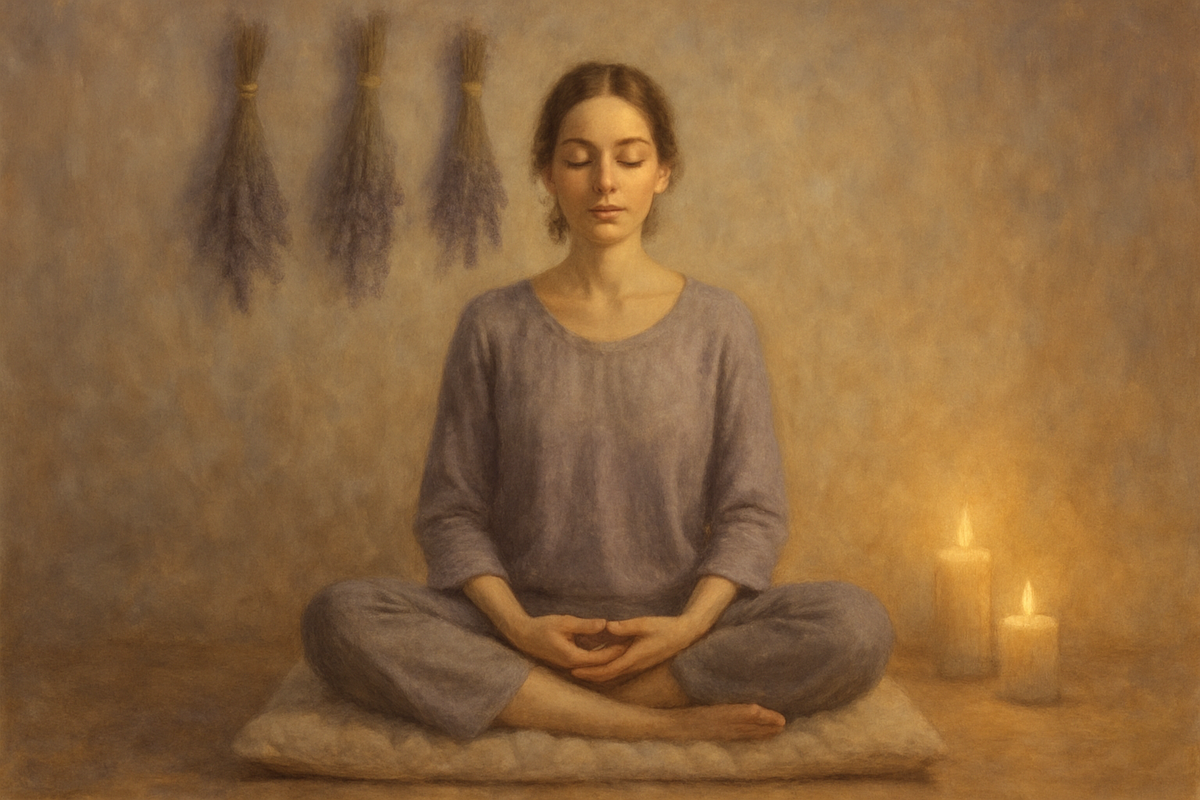
Today, lavender's calming reputation has made it a staple of the wellness industry—found in essential oils, teas, bath salts, and candles marketed specifically for stress relief and better sleep. Aromatherapy studies have shown that inhaling lavender essential oil can measurably lower cortisol levels and reduce heart rate, lending scientific backing to a symbolism that folk traditions understood intuitively for centuries.
The color has also become associated with LGBTQ+ pride history, particularly the "Lavender Menace" phrase from 1970s feminist movements, later reclaimed as a symbol of solidarity and visibility. It shows how a single flower's meaning can absorb new cultural weight over time while still retaining its core association with quiet, resilient identity.
If lavender's meaning resonates with you, there are simple, grounded ways to invite its energy into your routine:
Just as the Tree of Life carries different meanings across the cultures that adopted it, lavender's symbolism has been reinterpreted globally. In Japan, the lavender fields of Hokkaido became a symbol of post-war economic renewal during the 1950s and 60s, tying the flower to resilience and rebirth after hardship. In France, particularly the Provence region, lavender is inseparable from regional identity itself—an emblem of rural simplicity, slow living, and generational tradition passed down through lavender-growing families for centuries.
This layered symbolism echoes the way other emblems, like the balance found in yin and yang, hold both universal and culturally specific meanings simultaneously. Lavender is at once a personal, intimate symbol of self-care and a broader cultural marker of heritage and place—proof that a single plant can mean something slightly different in every hand that holds it.
Lavender endures as a symbol precisely because its message is one we constantly need to hear: slow down, breathe, and trust that grace doesn't require noise. Whether you encounter it in a dream, a garden, or a small glass bottle of essential oil on your nightstand, lavender's quiet purple presence continues to whisper the same ancient promise—calm is always within reach.
Spiritually, lavender represents purification, intuition, and a connection to higher consciousness. It is often used in meditation and energy-cleansing practices to calm the mind and open spiritual awareness, similar to how sage or incense is used in cleansing rituals.
Dreaming of lavender is generally a positive sign, often indicating approaching peace, emotional healing, or supportive relationships. The specific meaning shifts depending on context, such as whether the lavender is thriving, wilted, or given to you as a gift.
Yes, but a specific kind of love. In Victorian flower language, lavender represented cautious, loyal devotion rather than passionate romance—affection built on trust and consistency rather than intensity.
Lavender contains natural compounds like linalool that studies have shown can lower cortisol and reduce anxiety when inhaled. This measurable effect reinforces centuries of folk tradition that already associated lavender with peaceful rest and emotional balance, from Roman bathhouses to modern pillow sprays.
Peony flower meaning explained: romance, honor, wealth, birth month, anniversary symbolism, dream meanings, and a full color guide…
Discover what a rainbow truly symbolizes—hope, divine promise, and spiritual transformation—across mythology, dreams, and modern c…

What does a spiral symbolize? Explore its meaning in growth, spirituality, dreams, tattoos, and ancient cultures worldwide.