Know

Iolite Meaning: An Introduction
Iolite is a blue-violet gemstone — a variety of the mineral cordierite — prized for its pleochroism, the rare optical ability to show different colors depending on the viewing angle. Nicknamed "Water Sapphire" and the "Vikings' Compass," Iolite has been valued for centuries as an affordable alternative to sapphire and tanzanite, as a third-eye and intuition stone in crystal healing, and for its striking shift from deep indigo-blue to pale violet-gray. This guide covers everything people search for around this stone: Iolite meaning, Iolite healing properties, Iolite benefits, chakra and zodiac associations, and how to care for it.
Whether you landed here wondering about Iolite's spiritual meaning, its metaphysical healing properties, or simply what makes it a good everyday gemstone, the sections below are organized so you can jump straight to the answer you need.
Iolite At a Glance
| Attribute | Details |
|---|---|
| Meaning | Vision, intuition, and inner truth |
| Chakra | Third Eye Chakra |
| Zodiac Sign | Libra |
| Hardness | 7 - 7.5 on the Mohs scale |
| Origin | India, Sri Lanka, Madagascar, Brazil |
| Birthstone Status | Not an official modern birthstone |
| Nickname | Water Sapphire, Vikings' Compass |
What Does Iolite Mean? The Pleochroic Effect
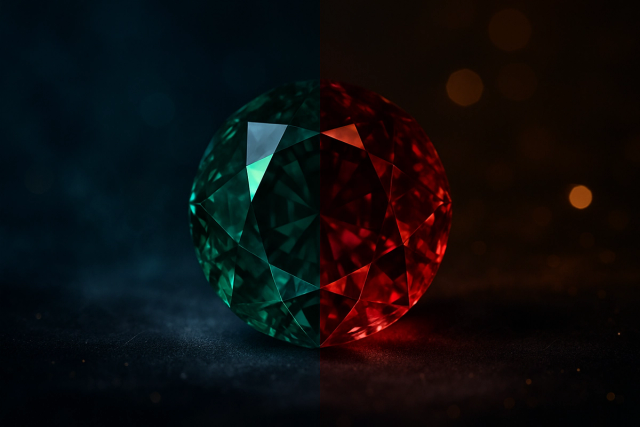
The name "Iolite" comes from the Greek word ios, meaning violet. Its defining trait is pleochroism, a unique optical phenomenon in which the gemstone appears to change color when viewed from different angles — typically shifting between dark blue-violet and nearly transparent gray. This single feature is what separates Iolite from almost every other blue gemstone on the market and is the reason it earned its seafaring nickname.
Key Locations for Mining Iolite
The most significant iolite deposits are found in India, Sri Lanka, and Madagascar. Other sources include Australia and Brazil, with smaller artisanal deposits emerging in parts of Africa in recent years.
Comparison of Iolite with Other Blue Gemstones
| Gemstone | Color Range | Mohs Hardness |
|---|---|---|
| Iolite | Blue-Violet | 7-7.5 |
| Sapphire | Various shades of Blue | 9 |
| Tanzanite | Blue to Violet | 6-7 |
| Topaz | Light Blue to Deep Blue | 8 |
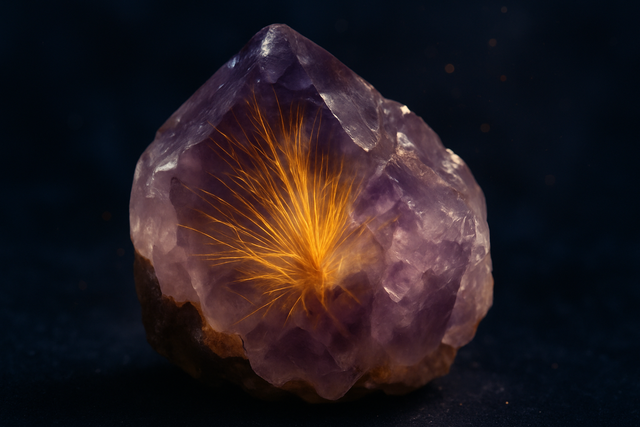
As seen in the table, Iolite's uniqueness lies in its pleochroic effects and mid-range hardness, making it a distinct choice among blue gemstones. Shoppers drawn to its violet hue often also look at amethyst crystals for comparison, since both stones share a purple-toned family resemblance but differ considerably in price, hardness, and optical behavior.
Legend holds that Viking navigators used thin slices of Iolite as glare-reducing, polarizing "sunstones" to locate the sun's position on overcast days, relying on the stone's pleochroic shift to read the sky even through cloud cover — though historians have never conclusively confirmed the tale.
Historical Significance of Iolite
Ancient Uses and Importance
One of the most fascinating aspects of Iolite is its ancient use by Viking explorers. According to a popular legend, Viking navigators used thin slices of iolite as glare-reducing, polarizing filters to help locate the sun on cloudy days, though historians have not confirmed the tale. This technique allowed them to find the exact location of the sun, which aided in navigating their voyages.
Myths and Folklore Associated with Iolite
In folklore, Iolite is often referred to as the shaman's stone and is believed to be strongly linked to the spirit world. It is said to enhance one's intuitive abilities and aid in spiritual journeys. Additionally, this gemstone has been associated with unlocking creativity and aiding the wearer in self-discovery.
Fun Fact:
Iolite's nickname, "Vikings' Compass," comes directly from its seafaring legend — but jewelers today use the same name mostly as a marketing nod to the stone's history rather than an indication of any navigational use in modern jewelry.
Healing and Metaphysical Properties of Iolite

Physical and Emotional Healing Aspects
Iolite is reputed to have several healing properties, both physical and emotional. Physically, it is said to help in improving eyesight and memory. In crystal-healing tradition, iolite is sometimes believed to support the body's natural detoxification processes, including the liver, though this is a traditional belief with no scientific evidence behind it. Emotionally, Iolite is often used to help balance mood swings and combat the debilitating effects of emotional addiction. It is frequently recommended for artists and creatives as it is thought to stimulate vision and imagination.
Alignment of Chakras and Spiritual Growth with Iolite
Iolite has long been associated with the Third Eye chakra, and it is believed to enhance psychic abilities and deepen intuition. It is often used in meditation to help open the third eye and facilitate a clearer channel for spiritual communication. The stone is also said to encourage spiritual growth by helping individuals to understand and accept their true selves. Because this intuitive, water-like energy resonates so strongly with the water signs, many crystal practitioners pair Iolite with stones recommended on the Pisces crystals and stones guide, and those exploring sensitivity and emotional intuition often cross-reference the crystal stones for Cancer list as well.
Chakras That Benefit from Iolite
| Chakra | Benefits |
|---|---|
| Third Eye Chakra | Enhances intuition, promotes insight, and fosters emotional balance. |
| Throat Chakra | Improves communication and self-expression, helps in articulating thoughts clearly. |
Gemologists grade Iolite's quality largely by how strong and distinct its pleochroism is: the finest stones flash a deep sapphire-blue from one angle and shift to a soft violet-gray or honey tone from another, and this "strong pleochroism" — not size — is usually what drives the biggest price jumps between commercial and fine-quality Iolite.
Gemological Aspects of Iolite
Chemical Composition and Mohs Hardness
The chemical composition of Iolite is primarily Mg2Al3(Si5AlO18). It belongs to the cyclosilicate mineral class, often occurring in schist and gneiss. Its Mohs hardness ranges from 7 to 7.5, making it a relatively durable stone suitable for various types of jewelry.
| Attribute | Description |
|---|---|
| Chemical Composition | Mg2Al3(Si5AlO18) |
| Mohs Hardness | 7 to 7.5 |
Methods to Authenticate Genuine Iolite
Determining the authenticity of Iolite involves a series of tests, which can include microscopic examination, refractive index testing, and specific gravity testing. The pleochroic effect, where the stone appears to change colors when viewed from different angles, is a distinctive feature that can help in authenticating a genuine Iolite, since glass and synthetic imitations are optically single-colored and cannot replicate this shift convincingly. However, it's always advisable to seek certification from a reputable gemological lab for assured authenticity.
Iolite rarely appears in large statement jewelry because sizable, deeply colored rough is uncommon; instead it's most often faceted into smaller accent stones for rings, earrings, and pendants, where its pleochroic flash is easiest to appreciate up close.
Iolite in Meditation and Spirituality
Uses in Meditation Practices
Iolite is often referred to as the "Vision Stone," making it a popular choice for meditation practices. The calming energies of Iolite help deepen meditative states, enabling a clearer understanding of one's inner self. It is said to help in dissolving fear and uncertainty, allowing one to gain a more focused and confident outlook.
Spiritual Significance and Enhancement
Iolite resonates with the third eye chakra, known for insight, intuition, and spiritual awareness. It is believed to facilitate a powerful spiritual journey, enhancing intuitive abilities and aiding in astral travel, including shamanic journeying and the symbolic retrieval of insight from past experiences. The stone's calming energy also helps balance emotions, paving the way for spiritual growth.
Fun Fact: Iolite is often used in shamanic ceremonies to enhance spiritual vision and allow better communication with the spiritual realm.
Zodiac and Birthstone Affinity of Iolite
Zodiac Signs Compatible with Iolite
Iolite is most strongly associated with the zodiac sign Libra, and it's a regular recommendation on crystal lists for that sign because Libra is ruled by balance and fairness — qualities mirrored in Iolite's own reputation for emotional equilibrium and clear-headed decision-making. The stone's tranquil nature and influence on intuitive capabilities also make it a popular pick for Sagittarius and Taurus, whose explorative and grounding natures respectively pair well with Iolite's calming, vision-enhancing energy.
Is Iolite a Birthstone for Any Month?
According to modern or historical birthstone charts, Iolite is not traditionally considered a birthstone for any specific month. However, due to its calming and balancing properties, it makes a thoughtful gift for anyone seeking spiritual growth or emotional balance, irrespective of their birth month.
Caring for Your Iolite Stone
Cleaning and Maintenance of Iolite
Proper care ensures that your Iolite gemstone maintains its luster and value. It's essential to clean the stone with mild soap and lukewarm water. Avoid using harsh chemicals or abrasive materials as they can damage the surface. Use a soft cloth or a gentle toothbrush to clean the stone, then rinse thoroughly and pat dry.
Note: Always remove your Iolite jewelry before engaging in activities that may expose the stone to chemicals or physical damage, like swimming or heavy lifting.Tips for Storing and Handling
- Store your Iolite separately from other stones to prevent scratches. A soft, padded jewelry box is ideal for this.
- Avoid exposing the stone to extreme temperatures as it could alter the color and structural integrity.
- If your Iolite stone is set in a ring or pendant, handle it by the metal setting rather than the gemstone to reduce the risk of oil or dirt buildup.
- When traveling, make use of a protective pouch or separate compartment to keep your Iolite stone safe.
Iolite vs. Other Gemstones

Key Differences and Similarities with Other Stones
Iolite is often compared to other blue gemstones like sapphire, tanzanite, and aquamarine. While they may appear similar in color, their chemical compositions, hardness, and optical effects differ. Iolite's unique pleochroic effect sets it apart from these other blue gemstones.
| Property | Iolite | Sapphire | Tanzanite | Aquamarine |
|---|---|---|---|---|
| Color | Blue to Violet | Blue | Blue to Violet | Blue to Green |
| Hardness (Mohs Scale) | 7-7.5 | 9 | 6.5-7 | 7.5-8 |
| Pleochroism | Yes | No | Yes | No |
When to Choose Iolite Over Other Options
Iolite is an excellent choice for those looking for a less expensive alternative to sapphire or tanzanite. It's ideal for individuals who appreciate the stone's unique ability to change color when viewed from different angles. If you're interested in metaphysical properties, Iolite's reputation for aiding in spiritual growth and healing may be particularly appealing.
Gemstones that Complement Iolite
Iolite pairs well with lighter stones like moonstone, opal, and rose quartz. These combinations can enhance the metaphysical properties and aesthetic appeal of jewelry pieces. When set in silver or white gold, the bluish tones of Iolite stand out even more.
Pro Tip: Always consider the setting and design when pairing Iolite with other gemstones to ensure they complement each other effectively.Trade and Economic Aspects of Iolite
Market Value and Demand for Iolite
Iolite remains a somewhat lesser-known gemstone, but its appeal is on the rise, especially among collectors and aficionados of unique gemological properties. Its more affordable pricing compared to sapphires and tanzanites makes it a favored choice for both jewelry and metaphysical uses. Iolite is generally considered an affordable gemstone, often marketed as a lower-cost alternative to tanzanite or sapphire, though exact prices vary widely by dealer, quality, and market conditions rather than following one fixed per-carat range.
Significant Players in the Iolite Market
Although there are no mega-corporations singularly dominating the Iolite market, several smaller, specialized companies have made their mark. Miners and distributors in countries like India, Madagascar, and Brazil are significant contributors. Additionally, artisanal miners in Africa are increasingly bringing high-quality Iolite into the market.
Note: As always, it's crucial to verify the authenticity of the stone and the credibility of the seller when buying Iolite. Always ask for a certification from recognized gemological labs to ensure you're getting a genuine product.FAQ
What does Iolite mean spiritually?
Spiritually, Iolite is known as the "Vision Stone" and is tied to the Third Eye chakra, representing intuition, inner truth, and clarity of purpose. It's believed to help the wearer see past illusion, strengthen psychic awareness, and navigate emotional or spiritual uncertainty with a clearer sense of direction.
What is Iolite good for?
Iolite is primarily sought for its metaphysical reputation as an intuition and vision-enhancing stone, as well as for its affordability as a sapphire or tanzanite alternative in jewelry. It's also popular for meditation, since practitioners believe it helps calm the mind, open the third eye, and support emotional balance.
How can you tell real Iolite from glass or synthetic Iolite?
The surest test is pleochroism: genuine Iolite shifts noticeably between deep blue-violet and near-transparent gray depending on the angle, while glass or synthetic imitations stay one color no matter how you turn them. For certainty, a gemologist can confirm authenticity with refractive index and specific gravity testing, or you can request lab certification before purchase.
Does Iolite change color in different light?
Yes — Iolite's pleochroism means it can look deep indigo-blue in one light and softer violet-gray or even yellowish in another, especially when viewed from different crystal directions. This is distinct from true color-change gems like alexandrite, since Iolite's shift is driven by viewing angle and light direction rather than the light source's spectrum alone.
What is the benefit of an Iolite tumbled stone?
Tumbled iolite stones are often used in energy healing practices. They are believed to improve mental clarity, enhance intuition, and assist in spiritual growth, and their smooth, polished surface makes them comfortable to hold or carry.
Why is Iolite so expensive?
Iolite is actually relatively affordable compared to other blue gemstones like sapphire. However, top-quality iolite with deep, saturated color and good clarity can command noticeably higher prices, since rarity and strong pleochroism both drive demand.
Is Iolite a real stone?
Yes, iolite is a genuine natural gemstone. It is a variety of the mineral cordierite and is known for its pleochroic properties, displaying different colors when viewed from various angles.
Is Iolite rare?
Iolite is not considered extremely rare overall, but high-quality pieces with deep coloration, good clarity, and strong pleochroism are much less common, which is why they're more valued.
Is Iolite safe to wear every day?
Yes, iolite is safe to wear, though its 7 to 7.5 hardness is more moderate than sapphire's. It's best suited for items like earrings and pendants rather than everyday rings that face constant knocks and abrasion.
Did Vikings really use Iolite for navigation?
It's a long-standing legend that Viking navigators used thin slices of iolite as a polarizing filter to locate the sun's position on overcast days, taking advantage of its pleochroic properties. However, historians have not conclusively proven the tale, so it remains part folklore, part plausible maritime history.
Can Iolite be in the sun?
It's best to avoid prolonged exposure to direct sunlight, as it can gradually fade the color of the iolite over time.
Can you wear Iolite to sleep?
Some people believe that wearing iolite can enhance intuitive dreams and aid in spiritual connections while sleeping, but there's no scientific evidence to support this. If you do sleep in it, choose a smooth-set piece to avoid snagging or discomfort.
What planet is Iolite associated with?
In astrology, iolite is often associated with Saturn, a planet known for its qualities of discipline, structure, and limitation, which ties into Iolite's reputation for grounding scattered energy.
Which is better, Iolite or Amethyst?
Both iolite and amethyst have unique properties, so the "better" stone depends on what you're seeking. Amethyst is generally more widely recognized and valued for its calming properties, while iolite is appreciated specifically for its ability to enhance intuition, mental clarity, and its distinctive pleochroic color shift.
Can Libra wear Iolite?
Yes — though not a traditional birthstone, iolite is one of the most commonly recommended crystals for Libra, with many astrologers citing its ability to bring balance, fairness, and harmony to this air sign.
Is Iolite heat sensitive?
Iolite has moderate heat sensitivity, and extreme or sudden changes in temperature can cause the stone to crack, so caution is advised when cleaning or wearing it near heat sources.
Is Iolite magnetic?
No, iolite is not magnetic. Its magnetic susceptibility is very low, making it a poor candidate for magnetic therapy if that is a consideration.