Crystal & Stones
Sugilite: Discovering Its Physical & Spiritual Healing Meaning
Introduction: A Closer Look at Opalite Welcome, fellow gem enthusiast! Today, we’re diving into the enchanting world of Opalite. D…
 KnowMastery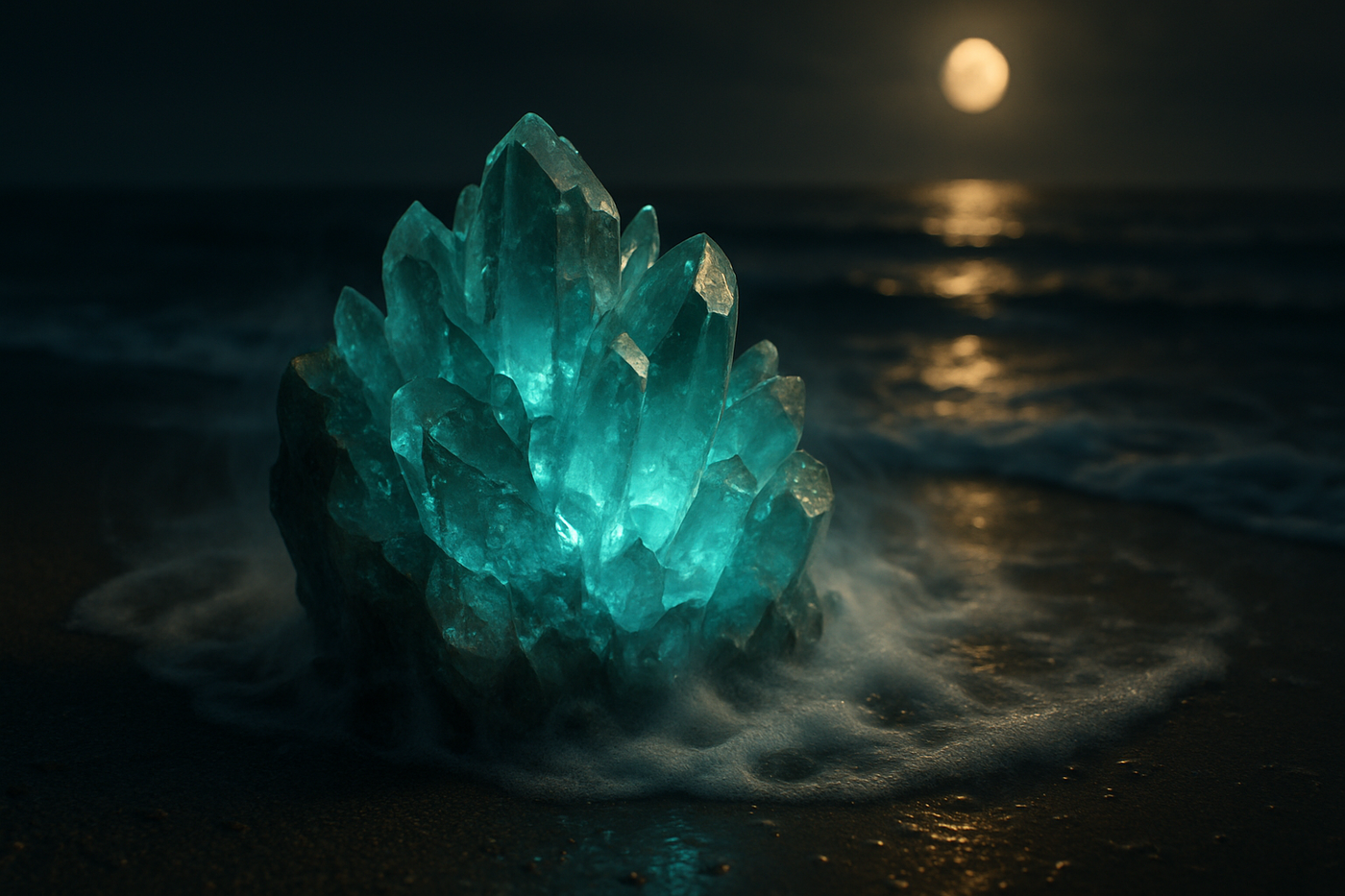
March has two official birthstones — Aquamarine and Bloodstone. Aquamarine is the modern, primary birthstone for the month, prized for its serene sea-blue color, while Bloodstone is the traditional alternative, valued for its deep green-and-red pattern. This guide focuses mainly on aquamarine — its meaning, colors, price, and care — while also explaining how it compares to bloodstone so you can choose the right March birthstone for your needs.
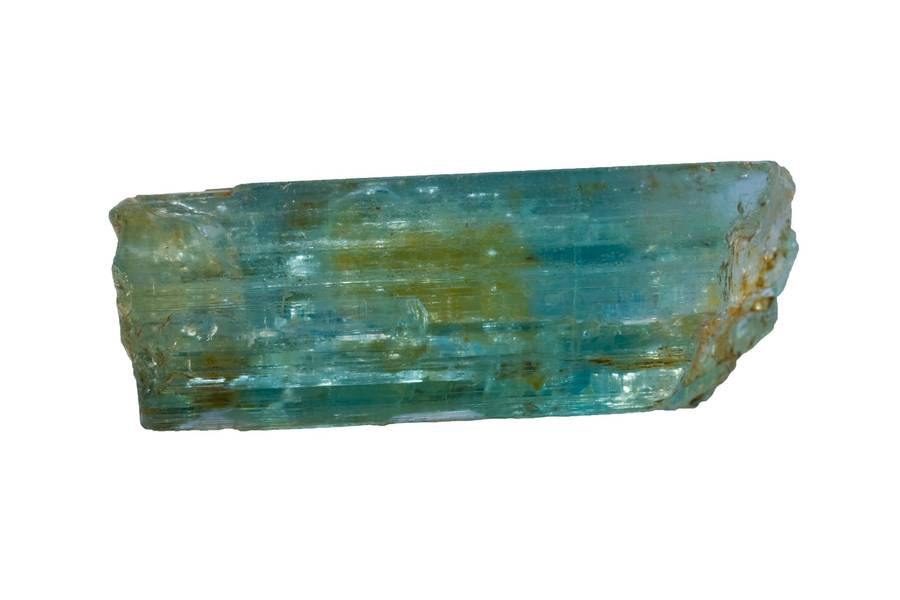
The name "aquamarine" comes from the Latin phrase aqua marina, meaning "water of the sea," a fitting description of the gem's tranquil blue hue. A variety of beryl, aquamarine ranges from nearly colorless to a deep, saturated blue, with rich sky-blue tones commanding the highest value.

For centuries, aquamarine has been associated with youth, health, hope, and fidelity. It is said to carry calming energies that lower stress and quiet the mind. Because of its close connection to the sea, aquamarine is also considered a stone of protection, especially for sailors and travelers.
Most modern jewelry stores focus on aquamarine, but bloodstone holds equal historical standing as March's traditional birthstone. Here's how the two compare at a glance:
| Attribute | Aquamarine | Bloodstone |
|---|---|---|
| Color | Pale to deep sky-blue, sometimes blue-green | Dark green with red or brown flecks (jasper-chalcedony) |
| Symbolic Meaning | Calm, clarity, courage, protection at sea | Strength, vitality, courage in battle, grounding |
| Zodiac Association | Pisces (also linked to Aries) | Aries and Pisces |
| Typical Price Range | $20–$500+ per carat depending on clarity and hue | Generally affordable, often under $10 per carat |
| Hardness (Mohs) | 7.5–8 | 6.5–7 |
Because aquamarine is more widely available in fine jewelry and offers a broader range of clarity and color grades, it has become the go-to modern choice — but bloodstone remains a meaningful, budget-friendly alternative for March-born buyers who prefer a bold, earthy stone.
As lovely as the stone itself is, the mythology surrounding aquamarine is equally captivating. It was once called "the treasure of mermaids" and used by sailors as a talisman of good luck, fearlessness, and protection. Ancient peoples believed it fell under the influence of the moon, an orb thought to hold powerful magnetic sway over the tides — and, by extension, the sea-colored gem. The Greeks and Romans regarded aquamarine as the sailor's gem, believed to ensure safe and prosperous passage across stormy waters.
Aquamarine is also known as a stone said to guarantee youth and eternal happiness. Its light blue tone evokes the calm of the sea and the quiet exhale of standing on the shore. Because it is thought to encourage peaceful thinking, quiet courage, and clear communication, aquamarine is considered an excellent meditation stone — ideal for people who want to express their thoughts and innermost feelings with confidence.
The stone is also believed to promote love and intelligence, and to bless its wearer with foresight, courage, and happiness.
| Attribute | Aquamarine |
|---|---|
| Natural Birthstone for the Month of | March |
| Color | Ranges from nearly colorless to deep blue; rich, sky-blue tones are most valued |
| Symbolism | Symbol of youth, health, hope, and fidelity; believed to carry calming energies that reduce stress and quiet the mind |
| Historical Importance | There is no clear historical record that ancient Egyptians, Sumerians, or Hebrews specifically prized aquamarine — one scholarly study notes the stone was likely unavailable to the ancient Israelites — while the Romans held a tradition that it could ward off illness, and the Greeks are known for carving it into engraved intaglios |
| Major Sources | Large deposits in Brazil, with smaller sources in Australia, parts of Africa, and the United States |
| Physical Properties | Member of the beryl family; rates 7.5 to 8 on the Mohs scale of hardness; forms in large crystals within igneous pegmatite rocks |
| In Jewelry | Used in a wide variety of styles and settings; often paired with white gold or platinum to accentuate its blue color, and sometimes set alongside diamonds |
| Care | Clean using a solution of lukewarm water and mild dish soap; avoid strong chemicals and intense heat |
| Psychological and Emotional Significance | Said to release anger and negativity, replacing them with mental peace and clarity; encourages spiritual growth, intuition, and awareness |
| Choosing Aquamarine Jewelry | Consider the size and cut of the stone, its color, the setting, and the overall design, along with the recipient's lifestyle and preferences |
Despite popular claims that aquamarine was treasured across every ancient civilization, historical and gemological evidence tells a more nuanced story. There is no clear documented record that ancient Egyptians, Sumerians, or Hebrews specifically prized aquamarine, and at least one scholarly study suggests the stone was unavailable to the ancient Israelites entirely. What is better documented is the Roman and Greek relationship with the gem: Romans believed aquamarine could cure ailments of the stomach, liver, jaw, and throat, and regarded it as a symbol of happiness and eternal youth. The Greeks, meanwhile, are known for carving aquamarine into detailed engraved intaglios, prizing it as a decorative and symbolic material rather than a medicinal one.
During the Middle Ages, aquamarine amulets were crafted to protect sailors and guarantee safe voyages across dangerous waters. It was also believed that if the figure of a frog was carved into an aquamarine, the stone could reconcile enemies and turn them into friends — an idea in keeping with the gem's broader reputation for harmony and peace.
Aquamarine is mined around the world today, with Brazil — particularly the Minas Gerais region — standing as the leading source, alongside notable deposits across parts of Africa and the United States, plus smaller occurrences in Australia and elsewhere.
This timeless allure, combined with its rich (if sometimes mythologized) history, makes aquamarine an irresistible birthstone choice for those born in March.
Color in aquamarine varies from a pale, almost colorless blue to a strong, vibrant blue-green or teal. The most prized shade is a deep, saturated aqua-blue, though the most commonly seen gems are the paler, lighter blue stones akin to a clear sky.
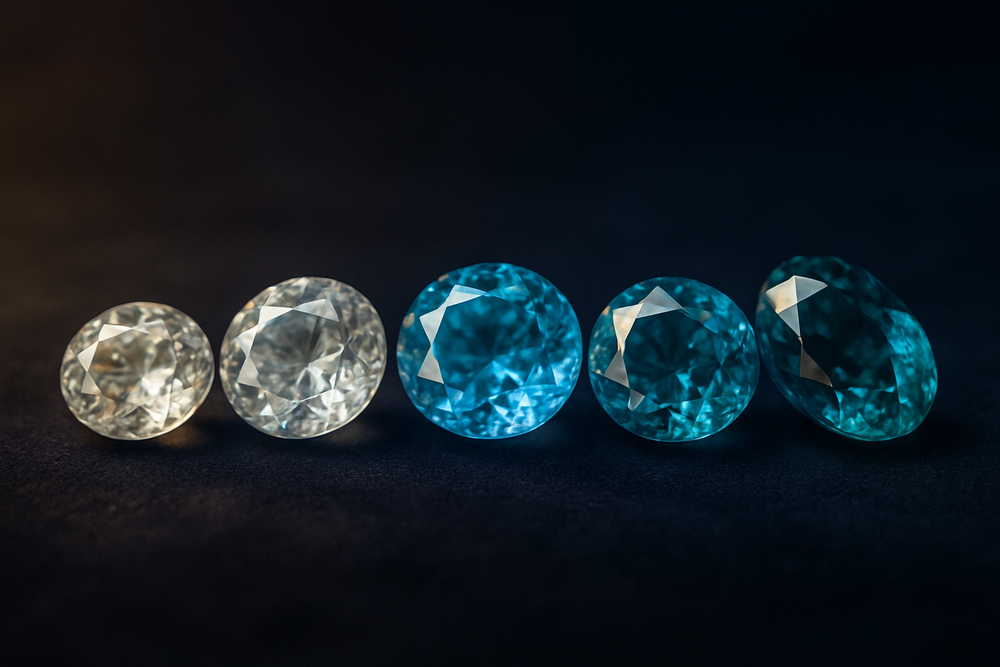
Color intensity and clarity are the most important criteria when evaluating an aquamarine's value, followed closely by carat size. Unlike many other gemstones, aquamarine is often found nearly flawless. The highest-quality stones should appear clear to the naked eye while displaying intense, even color saturation.
Aquamarine belongs to the beryl family, which also includes emerald and morganite. It scores 7.5 to 8 on the Mohs hardness scale, making it very hard and scratch-resistant — ideal for jewelry that's worn frequently.
The gem forms in igneous rocks called pegmatites, where exceptionally large crystals can develop. It's not unusual to find aquamarine crystals weighing several pounds. These rare, oversized crystals are sometimes cut into rectangular shapes to create large, dramatic statement pieces.
Aquamarine's calm, watery energy makes it a natural match for Pisces (February 19–March 20), the zodiac sign most closely associated with intuition, empathy, and emotional depth. Many crystal traditions pair aquamarine with Pisces specifically because both share themes of fluidity, compassion, and inner peace. If you're curious about other stones that resonate with this sign, explore our full guide to Pisces crystals and stones.
Because March also transitions into Aries (March 21–April 19), aquamarine holds relevance for late-March-born Aries individuals too, often serving as a grounding, calming counterbalance to Aries' fiery, energetic nature. For a deeper look at stones aligned with this sign, see our guide to Aries crystals and stones.
With its enchanting sea-blue color and superior clarity, aquamarine is a wonderful gem for fine jewelry. It's hard and durable enough to be cut into a wide range of shapes, from traditional round or oval cuts to more adventurous, complex designer cuts.
Thanks to its pastel color and transparency, aquamarine pairs well with both vintage and modern, formal or casual settings. It's most often set in white gold or platinum to enhance its cool blue tone, though it can also look striking against yellow or rose gold. It complements other gemstones beautifully, especially diamonds, which help highlight the deep blue of the aquamarine. If you enjoy layering gemstone tones, aquamarine also pairs surprisingly well with purple stones like amethyst for a cool-toned, contrasting palette.
Aquamarine is relatively easy to care for since the gemstone is hard enough to withstand most everyday wear. Cleaning requires only a mild dish soap solution mixed with lukewarm water; gently scrub with a soft toothbrush, rinse thoroughly, and dry with a soft cloth or let it air dry.
Avoid exposing aquamarine to harsh chemicals or high heat, as both can damage the gemstone. Store aquamarine jewelry separately in a soft cloth pouch to prevent it from scratching other pieces.
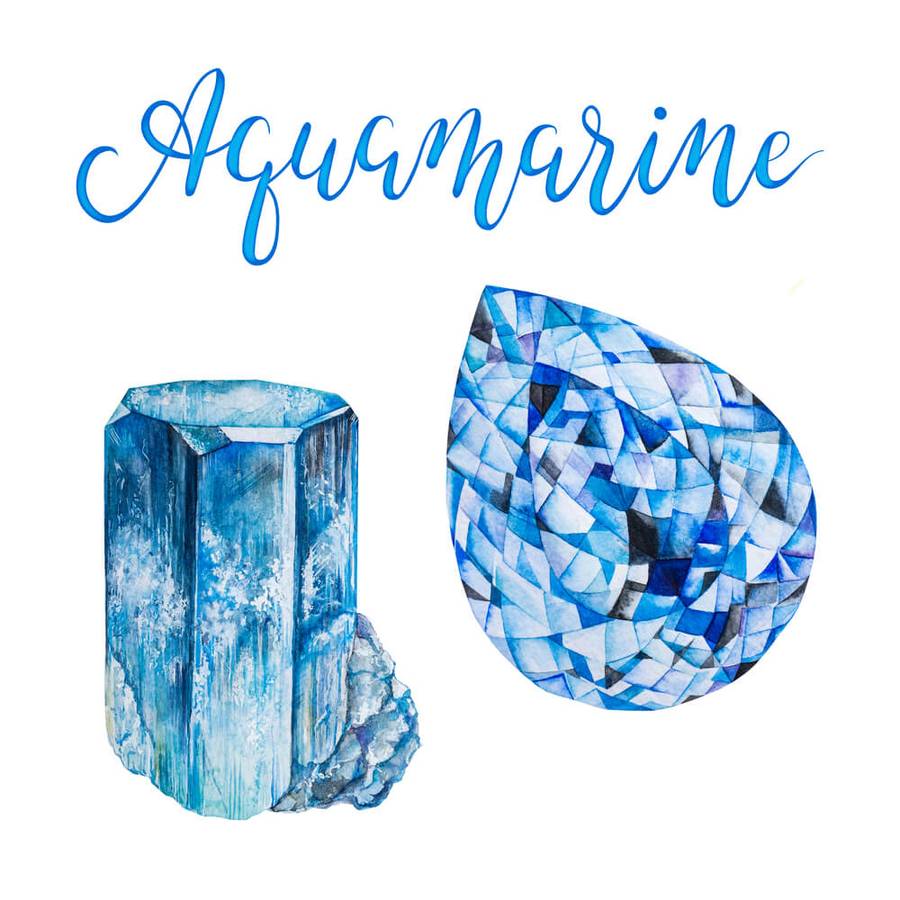
March, a month that mirrors spring's arrival with vibrant, refreshing energy, would feel incomplete without a stone like aquamarine. Its calming, soothing character reflects the rejuvenating energy of the season. Its virtues of courage, happiness, and youthfulness make it a motivational, optimistic gift for anyone celebrating a March birthday.
Aquamarine is said to help release anger and negativity, replacing them with mental peace and clarity. It's believed to stimulate tranquility and calm fears and phobias, and is often used to support spiritual growth, intuition, and awareness.
For emotional healing, aquamarine is thought to help those overwhelmed by responsibility find order and calm. It's also said to assist in understanding underlying emotional states like fear, and in interpreting the connection between feelings and thoughts. Fittingly, other ocean-born materials like mother of pearl share a similar association with emotional calm and protection, making them a natural complement to an aquamarine collection.
When selecting an aquamarine piece, keep the wearer's style and preferences in mind. Size, cut, and color are equally important — much of aquamarine's light blue color can be lost in a smaller stone, so larger stones tend to show more substantial, vivid color. Value increases with color intensity, and a well-cut aquamarine will reflect light evenly across its surface.
Finally, consider the setting and overall design. Is it practical for the person receiving it? Is it a style they'll love and wear often? These considerations all contribute to choosing the perfect aquamarine birthstone piece.
Aquamarine has remained a favorite gemstone for centuries thanks to its mesmerizing blue color and rich, if sometimes romanticized, history — making it one of the most popular choices for those born in March. Its symbolism and calming presence make it more than decoration; it's a reflective, meaningful gift. Whether set in a ring, pendant, or earrings, aquamarine remains an alluring jewel that speaks to the timeless beauty of the ocean — with bloodstone standing by as a striking traditional alternative for the same birth month.
March has two official birthstones: Aquamarine, the modern and most popular choice, and Bloodstone, the traditional alternative. Aquamarine is prized for its calming sea-blue color, while bloodstone is valued for its bold green-and-red pattern and grounding symbolism.
Aquamarine is most closely associated with Pisces (February 19–March 20), a sign known for intuition and emotional depth. It's also considered relevant to Aries (March 21–April 19), since aquamarine's calming energy can balance Aries' fiery nature.
Aquamarine prices vary widely, generally ranging from around $20 to $500+ per carat depending on color saturation, clarity, and carat size. Pale, commercial-grade stones are quite affordable, while deep, vivid blue aquamarines with excellent clarity can command premium prices.
Genuine aquamarine typically has natural inclusions, is noticeably harder than glass (7.5–8 on the Mohs scale versus around 5.5 for glass), and feels cooler to the touch for longer. If in doubt, a certified gemologist can confirm authenticity using refractive index testing.
Aquamarine is believed to promote calm, clarity, and courage, making it popular for meditation, stress relief, and emotional healing. It's also traditionally associated with the throat chakra, supporting clear, confident communication.
Yes — aquamarine's hardness of 7.5 to 8 on the Mohs scale makes it durable enough for daily wear in rings, earrings, and necklaces. Just avoid exposing it to harsh chemicals, extreme heat, or hard knocks that could chip the stone.
Introduction: A Closer Look at Opalite Welcome, fellow gem enthusiast! Today, we’re diving into the enchanting world of Opalite. D…
Table of Content 1. What is Apophyllite? 2. Apophyllite: History, Culture, Mythology, and Folklore 3. Benefits of Apophyllite and …
Table of Content Discovering Cherry Quartz The Backstory of Cherry Quartz Benefits of Cherry Quartz Gemologist’s Handbook Spiritua…