Symbols
Om Symbol Meaning: The Sacred Sound of the Universe
Discover what the Om symbol truly means—its Hindu, Buddhist, and Jain roots, dream symbolism, and how to use it in daily life.
 KnowMastery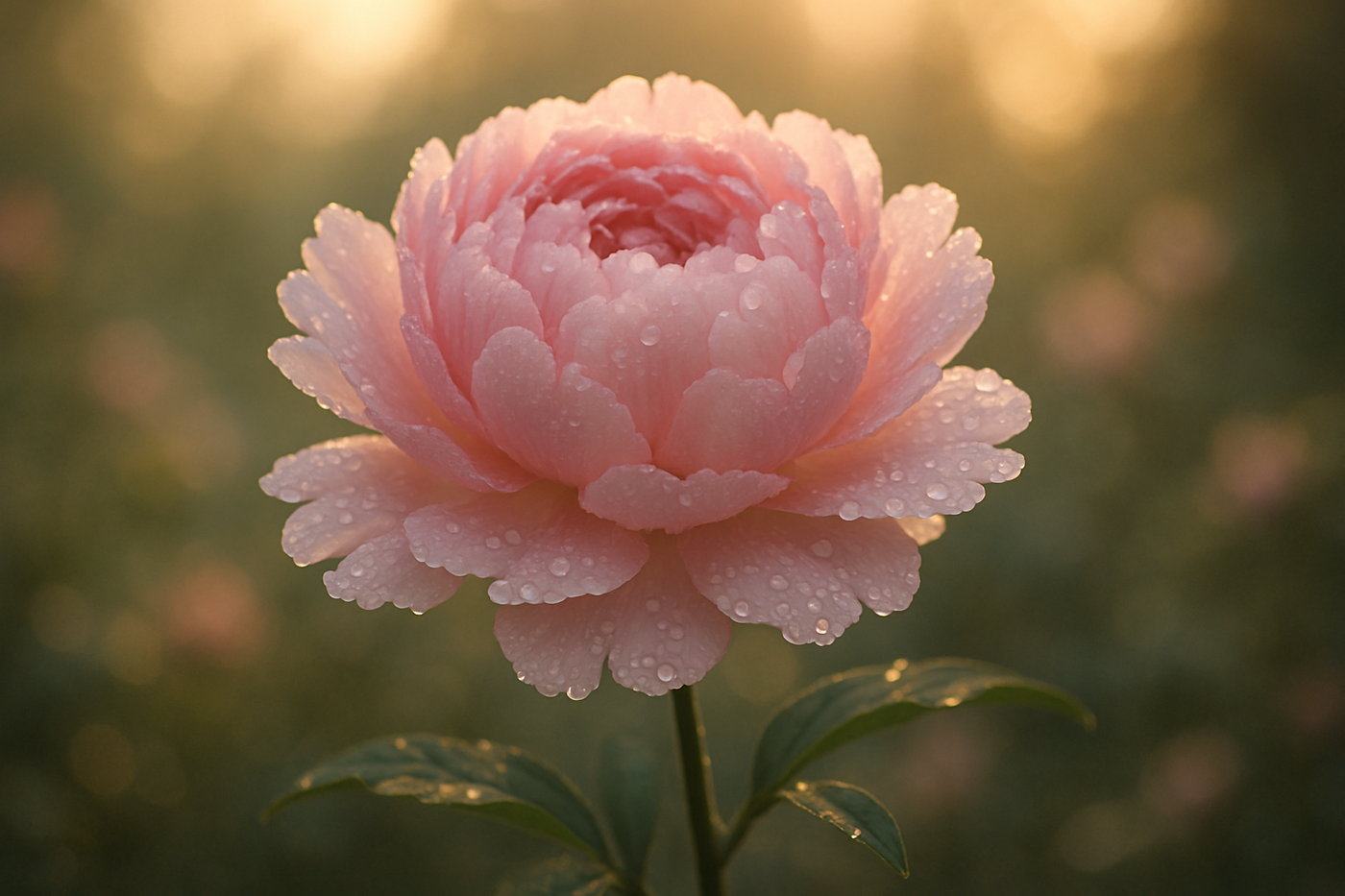
The peony flower meaning spans romance, honor, and prosperity: China's "king of flowers" represents wealth and high status, Victorian England linked it to romantic devotion and a happy marriage, and ancient Greek tradition ties it to a healing legacy through the physician-god Paeon. Because of these layered meanings, peonies appear at weddings, in feng shui décor, in herbal medicine, and in dream symbolism tied to abundance and self-worth.
There is something almost theatrical about a peony in full bloom. The petals unfurl in impossible layers, heavy and lush, as if the flower can barely contain its own abundance. You don't just glance at a peony — you lean in, you inhale, you linger.
Maybe that's why this flower has been pressed into silk robes, carved into temple stone, and tucked into wedding bouquets for centuries. It doesn't whisper. It announces. And what it announces — love, honor, and a life overflowing with good fortune — is exactly what so many of us are quietly hoping for.
At its heart, the peony represents abundance — in love, in wealth, and in social standing. Its full, layered petals have long been read as a visual metaphor for a life that is rich and unhurried, never scarce. Unlike delicate blooms that suggest fragility, the peony's sheer physical density gives it a reputation for boldness, confidence, and staying power. While many peony species produce blooms with as few as 5 to 10 petals, some heavily bred double-flowered garden cultivars pack in far more, holding well over a hundred petals in a single bloom.
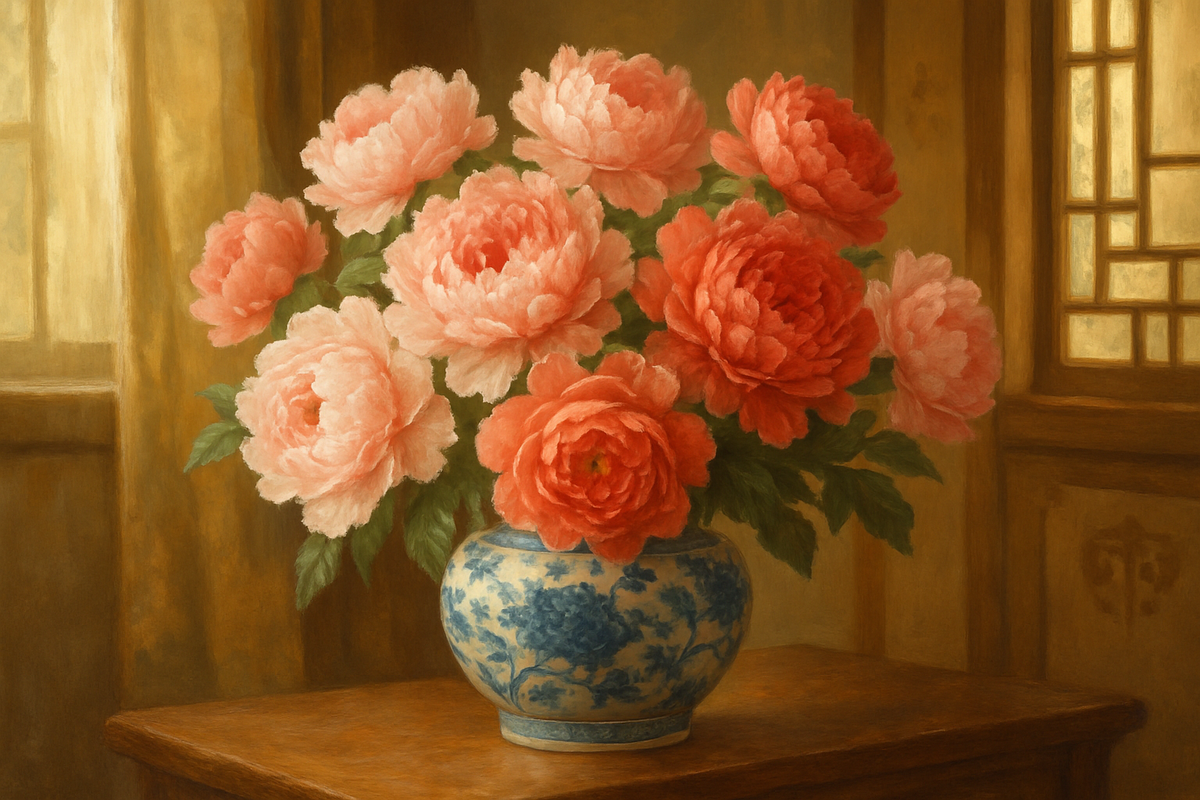
In China, the peony (mudan) has held the title "king of flowers" since the Tang Dynasty, when it was cultivated exclusively in imperial gardens and associated with the emperor's court. It became a symbol of wealth, honor, and feminine beauty, frequently painted alongside butterflies or phoenixes to represent a joyful, prosperous marriage.
Peonies still appear in Chinese New Year decorations and feng shui practice today, where they are placed in the southeast corner of a home — the wealth sector — to invite financial luck and career advancement. A peony painting is a traditional gift for new homeowners, newlyweds, or anyone starting a business, much like how a tree of life is gifted as a symbol of growth and continuity in other traditions.
In Japan, the peony (botan) carries a slightly different weight. It is associated with bravery, honor, and good fortune, and was historically favored by the samurai class, who saw its bold, wind-resistant bloom as a reflection of courage in the face of danger. Japanese art often pairs the peony with a lion (karajishi), a motif symbolizing the protection of something precious — beauty guarded by strength.
During the Victorian era, when flowers carried coded emotional messages, the peony became tied to romantic love, bashfulness, and a happy life together. Giving peonies signaled a sincere, sometimes shy declaration of affection — not the fiery passion of a red rose, but a steadier, more grounded devotion.
In ancient Greek mythology, the peony's name is traced to Paeon, a physician either to the gods or a student of Asclepius, the god of medicine. One popular retelling of the myth holds that after Paeon impressed Asclepius with a successful cure, his teacher grew jealous, and it was Zeus — not Asclepius — who is said to have turned Paeon into the peony flower to protect him. This origin story helps explain why peonies were historically used in folk remedies for headaches, epilepsy, and childbirth pain across Europe.
Yes. The peony is one of two official birth flowers for June, alongside the rose, which is why it shows up so often on birth flower charts and birth-month jewelry, art, and gifts for people born that month. Its lush, celebratory shape has made it a natural stand-in for the warmth and abundance associated with early summer.
The peony also carries meaning far beyond birthdays: it's the traditional flower of the 12th wedding anniversary. Just as a couple's relationship deepens and becomes richer with time, the peony's many-layered petals are read as a fitting symbol of a marriage that has grown full and abundant over more than a decade together.
If you're shopping for a gift tied to either occasion, look back at the color guide below — pink and coral peonies lean romantic and celebratory, while white peonies suit a more understated, sentimental tribute.
Long before it became a decorative garden favorite, the peony was a working medicinal plant on two continents. In Traditional Chinese Medicine, the root of the white peony (known as Bai Shao) has been used for centuries to nourish the blood, calm the liver, and ease menstrual discomfort. In ancient Greece, the physician Dioscorides recorded peony root as a remedy for uterine disorders and nerve pain in his first-century pharmacological text De Materia Medica, a reference that shaped European herbal medicine for over a thousand years.
This dual medical legacy — one Eastern, one Western, developed independently — is part of why the peony's symbolism so often circles back to healing, comfort, and restoration, not just outward beauty.
Spiritually, the peony is often read as an invitation to embrace fullness rather than restraint — a reminder that abundance isn't something to apologize for. Its layered petals are sometimes interpreted as a symbol of unfolding: the idea that a person's truest self reveals itself gradually, one petal at a time, rather than all at once.
Many spiritual practitioners also associate the peony with emotional healing after heartbreak, since its historic use as a pain-relieving herb carries into its symbolic role as a flower of comfort and renewal. This mirrors the balance found in symbols like yin and yang, where softness and strength coexist rather than compete.
Color changes the emotional tone of a peony significantly, much like it does with roses. Here's a quick reference for what each shade is traditionally believed to represent:
| Peony Color | Symbolic Meaning |
|---|---|
| Pink | Romance, femininity, a happy marriage |
| Red | Honor, respect, deep passion |
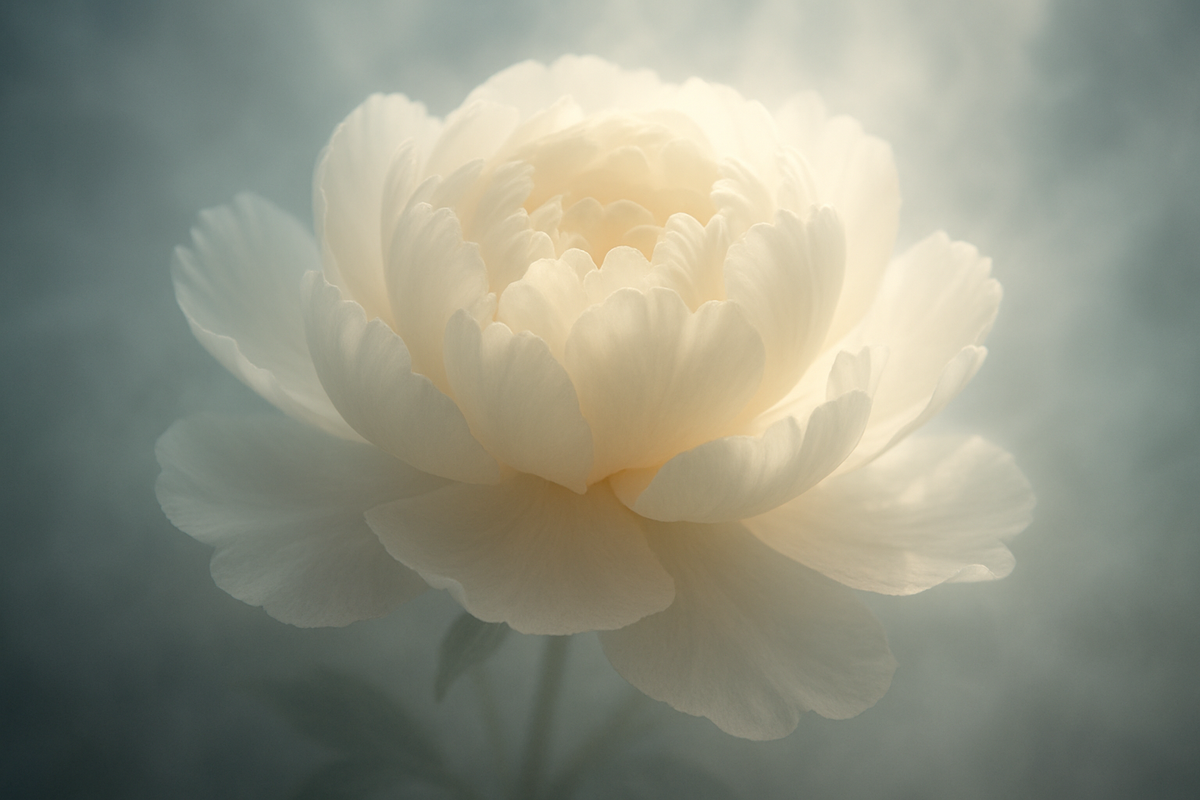
| White | Purity, apology, new beginnings |
| Yellow | Good fortune, wealth, joy |
| Coral | Warmth, gratitude, healing |
| Purple/Lavender | Admiration, elegance, quiet royalty |
White peonies in particular are often chosen for milestones tied to new commitments, in the same spirit as a purity ring symbolizing a fresh promise or intention.
A peony tattoo is one of the most requested floral designs for people who want to signify resilience, feminine strength, and abundance rather than simple prettiness. Because the peony's meaning already carries weight across three separate cultures — Chinese honor, Victorian devotion, and Greek healing — the tattoo tends to feel personal rather than purely decorative.
Placement: Given its large, layered shape, a peony tattoo often works best on broader canvases like the shoulder, thigh, back, or forearm, where the full bloom can be rendered without cramping the petal detail. Smaller, simplified versions are popular on the wrist or ankle for those who want the symbolism without the scale.
Color choices: Just as with cut flowers, ink color shifts the meaning — a red or pink peony tattoo leans toward romance and passion, a white peony toward purity or a fresh start, and a black-and-grey peony toward timeless elegance or remembrance.
Common pairings: Peonies are frequently tattooed alongside koi fish or lions in Japanese-style (irezumi) work to represent strength guarding beauty, or combined with other meaningful emblems the way a claddagh ring combines love, loyalty, and friendship into a single design.
Dreaming of peonies is generally considered a positive omen tied to relationships and material comfort. Common interpretations include:
As with most flower symbolism in dream interpretation, context matters — the color, condition, and setting of the peony in the dream all shape its specific meaning far more than a single, fixed definition ever could. If your peony dream felt more mysterious than joyful, it can help to compare it against broader nighttime symbols like dream catcher meaning, since both are traditionally linked to filtering out anxious or unresolved emotions.
You don't need a garden to bring peony symbolism into your life meaningfully. Here are a few grounded, practical ways to do it:
It helps to see how the peony's meaning compares to other well-known flowers, especially since gift-givers often confuse similar-looking blooms with similar-sounding meanings.
| Flower | Primary Meaning | Best Occasion |
|---|---|---|
| Peony | Romance, honor, prosperity | Weddings, new ventures, milestones |
| Rose | Passionate love, beauty | Romantic gestures, anniversaries |
| Lotus | Spiritual awakening, purity | Meditation, spiritual gifts |
| Chrysanthemum | Longevity, remembrance | Funerals (in many Asian cultures), autumn festivals |
The peony symbolizes romantic devotion, a happy marriage, and steady, lasting affection rather than fleeting passion. It's why peonies are one of the most popular wedding flowers, especially in shades of pink and coral.
Yes, in Chinese culture especially, the peony is considered highly lucky and is linked to wealth, honor, and good fortune. It's often used in feng shui, placed in the southeast "wealth corner" of a home, to attract prosperity into a household or business.
The peony is the official birth flower for June, shared with the rose. It's a common choice for June birthday gifts, birth flower charts, and personalized jewelry or artwork.
The peony is the traditional flower symbol for the 12th wedding anniversary. Its full, many-layered bloom is meant to represent a marriage that has grown richer and more abundant over the years.
Dreaming of blooming peonies typically signals upcoming joy, romance, or abundance, while wilting peonies may reflect anxiety about a relationship or loss of status. The color and condition of the flower in the dream usually shape the specific meaning.
A white peony represents purity, new beginnings, and sometimes a heartfelt apology. It's a popular choice for engagements, christenings, and other milestone celebrations that mark a genuine turning point.
Discover what the Om symbol truly means—its Hindu, Buddhist, and Jain roots, dream symbolism, and how to use it in daily life.

Discover what a rainbow truly symbolizes—hope, divine promise, and spiritual transformation—across mythology, dreams, and modern c…

What does a spiral symbolize? Explore its meaning in growth, spirituality, dreams, tattoos, and ancient cultures worldwide.