Symbols
Loyalty Tattoo Ideas: Symbols of Faithfulness and Devotion
Discover the best loyalty tattoo symbols, from anchors to Claddagh rings, and what each design means across cultures and relations…
 KnowMastery
 The pumpkin symbolizes abundance, harvest, and protection. Its round, full shape represents prosperity and the fruitfulness of the earth after a long growing season, while its carved face, a tradition rooted in Celtic folklore, was originally meant to ward off wandering spirits. Long before it became a Halloween decoration, the pumpkin stood for survival through winter, gratitude for the land, and a shield against misfortune.
There is something about a pumpkin sitting on a porch step in October light that feels older than the holiday attached to it. Maybe it is the weight of it, solid and orange against bare branches, or the way it seems to hold the whole season inside its curved walls.
Farmers have carried pumpkins into barns for thousands of years, not as decoration but as proof that the soil had done its work. A full pumpkin patch meant children would eat through winter. That memory, buried deep in agricultural communities, is still what gives the pumpkin its pull today, long after most of us stopped growing our own food.
Strip away the Halloween costumes and candy, and the pumpkin carries core meanings that have stayed consistent for centuries:
The pumpkin's meaning did not form in one place. It grew out of several separate traditions that eventually overlapped, each adding a new layer to what the fruit represents.
Pumpkins are native to North and Central America, and the Haudenosaunee (Iroquois Confederacy) and other Indigenous nations grew them as part of the Three Sisters planting method, alongside corn and beans. In these traditions, the pumpkin was never just food. It was one of three sacred plants that supported each other in the soil, with corn stalks giving beans something to climb and pumpkin leaves shading the ground to keep weeds down. This cooperative growing system became a symbol of community balance and mutual support, ideas that still echo in how people describe pumpkin as a sign of shared abundance rather than individual wealth.
The carved pumpkin face comes from an Irish folk tale about a man named Stingy Jack, who tricked the devil and was condemned to wander the earth with only a burning coal inside a hollowed turnip to light his way. Irish and Scottish immigrants carried this story to America, where the native pumpkin, larger and easier to carve than a turnip, replaced the original vegetable. The lit lantern was placed by doors and windows to confuse or frighten off spirits during Samhain, the Celtic festival marking the end of harvest and the thinning of the boundary between worlds. The jack-o'-lantern is one of the oldest protective symbols still in common use, working much the way a dream catcher is meant to filter out harmful energy before it reaches someone while they sleep.
In parts of China, the pumpkin, or nan gua, is tied to fertility and family growth because of its abundant seeds. Giving pumpkin-based dishes at a wedding or to a newly married couple has historically carried a wish for many children. The round, golden shape also connects the pumpkin to wealth symbolism in Chinese tradition, where gold and orange tones are associated with prosperity and good fortune, much like the red envelopes exchanged during Lunar New Year.
Spiritually, the pumpkin is read as a symbol of transformation. A seed becomes a sprawling vine, then a hard-shelled fruit, then, once carved or cooked, something useful and nourishing again. That full cycle, from planting to harvest to use, mirrors a basic idea found across wisdom traditions: growth requires both light and difficulty.
The orange color itself carries weight in color symbolism and chakra systems, often linked to the sacral chakra, which governs creativity, confidence, and emotional warmth. Leaning into pumpkin imagery in autumn tends to mark a season of gathering what you built over the year and then stepping back to rest, a balance close to the one described in yin and yang philosophy, where light eventually gives way to dark before the cycle starts again.
In modern Wiccan and pagan equinox rituals, practitioners place small pumpkins or pumpkin seeds on an altar during Mabon, the autumn equinox, as a gesture of gratitude for what the year has produced. The intent is similar to how the tree of life is used as a focal point for growth, roots, and continuity.
Protection is one of the oldest and most consistent meanings tied to pumpkins, long before Halloween turned the carved face into a mass-produced decoration.
This protective function places the pumpkin in the same symbolic category as other guardian objects used across cultures, such as the hamsa hand, used in Middle Eastern and North African traditions to deflect negative energy and the evil eye.
Seeing a pumpkin in a dream is generally considered a positive sign, though the surrounding details change the meaning.
Pumpkins come in more colors than the classic orange, and each shade has picked up its own symbolic association over time.
| Color | Common Symbolism | Where It's Used |
|---|---|---|
| Orange | Abundance, warmth, creativity | Classic Halloween and harvest decor |
| White | Purity, calm, new beginnings | Modern minimalist autumn displays |
| Green | Growth, renewal, early harvest | Heirloom varieties, ornamental gourds |
| Gold/Yellow | Wealth, good fortune | East Asian harvest and wedding symbolism |
| Black (painted) | Protection, mystery, Samhain tradition | Contemporary Halloween art and decor |
You do not need to wait for October 31st to bring pumpkin symbolism into your routine. A few practical ways to use it:
Spiritually, a pumpkin represents abundance, transformation, and grounding energy tied to the autumn harvest. Its growth cycle, from seed to full fruit, is often used as a metaphor for personal development and gathering the results of hard work.
The tradition comes from Irish folklore about Stingy Jack, who carried a lit coal inside a hollowed turnip to light his way after being refused entry to both heaven and hell. When Irish immigrants reached America, pumpkins replaced turnips, and the carved, lit face became a protective charm placed near doors during Samhain.
A ripe pumpkin in a dream usually signals upcoming abundance or a reward for sustained effort, while a rotting pumpkin can point to a missed chance or something no longer worth chasing. The specific meaning depends heavily on the pumpkin's condition and what you are doing with it in the dream.
In Chinese harvest and wedding customs, the pumpkin is seen as a sign of good fortune and fertility because of its many seeds and golden color. Combined with its long history as a protective symbol in Celtic folklore, it functions as a dual symbol of luck and safety in many households.
Discover the best loyalty tattoo symbols, from anchors to Claddagh rings, and what each design means across cultures and relations…
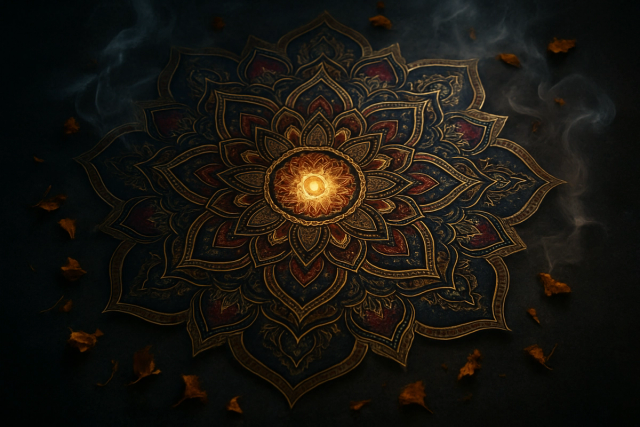
What does a mandala mean? Explore its symbolism, spiritual origins, colors, dream meaning, and tattoo significance in this complet…
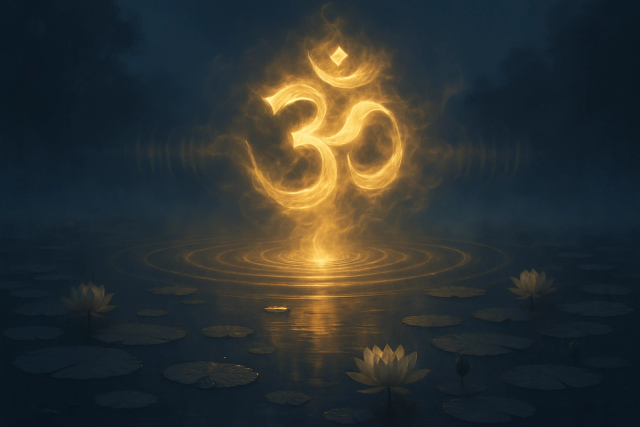
Discover what the Om symbol truly means—its Hindu, Buddhist, and Jain roots, dream symbolism, and how to use it in daily life.