
Symbols
Om Symbol Meaning: The Sacred Sound of the Universe
Discover what the Om symbol truly means—its Hindu, Buddhist, and Jain roots, dream symbolism, and how to use it in daily life.
 KnowMastery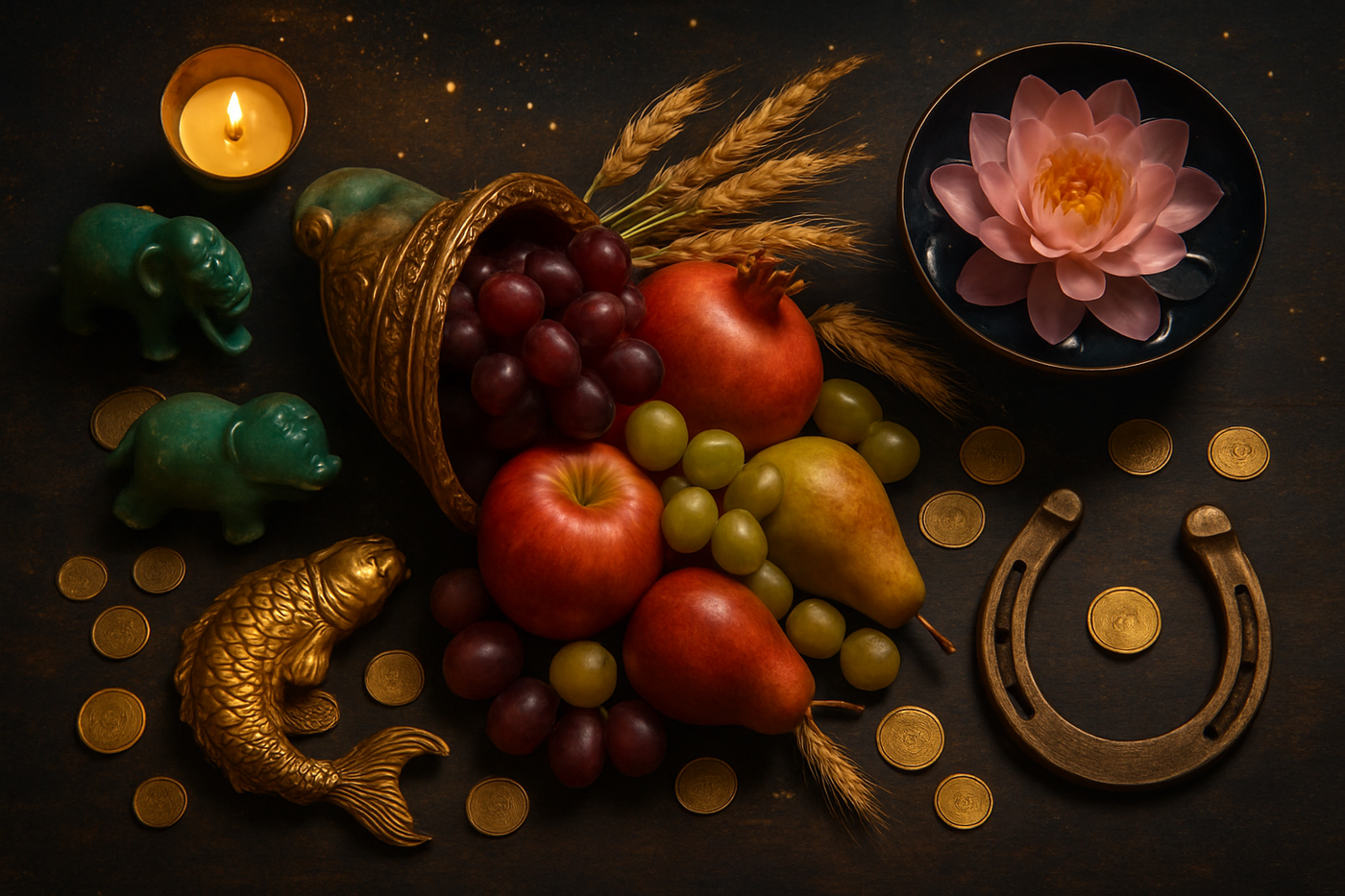
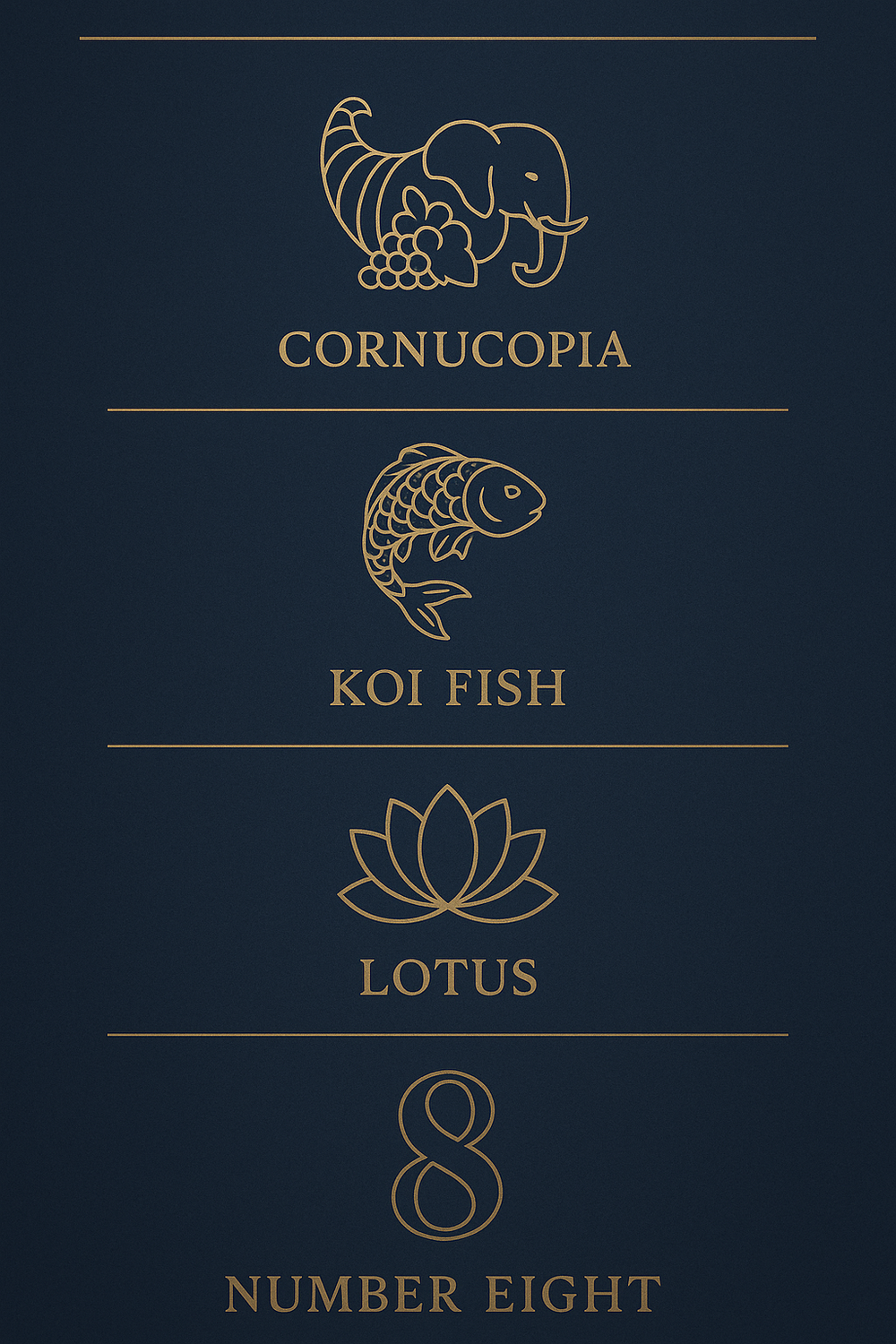
An abundance symbol is a visual emblem — an object, animal, plant, or number — that a culture uses to represent overflowing wealth, fertility, and good fortune. Common examples include the cornucopia, the elephant, the koi fish, wheat sheaves, the lotus flower, and the number eight. These symbols aren't guarantees of riches; they function as reminders to cultivate gratitude, generosity, and openness to receiving. Long before bank accounts and investment portfolios existed, people carved pomegranates into temple doors, painted golden fish on porcelain bowls, and hung horseshoes above thresholds, hoping to coax good fortune through the door — the same quiet hope stirred today by a coin found on the sidewalk or a four-leaf clover pressed between book pages.
At their core, symbols of abundance represent overflow — more than enough, with plenty left to share. They typically fall into a few recognizable categories: nature's bounty (fruit, grain, water), animals associated with fertility or luck, sacred geometry and numbers, and man-made talismans crafted specifically to attract wealth.
Spiritually, these symbols often point beyond material riches toward a mindset of trust — the belief that the universe, nature, or the divine is generous rather than withholding. Many traditions pair prosperity symbols with practices of gratitude and giving, suggesting that abundance flows more freely when it is shared, not hoarded.
Many of these motifs echo the same idea found in the Tree of Life, where roots draw hidden nourishment upward into visible, thriving growth — a powerful metaphor for how prosperity is cultivated rather than simply given.
Long before modern currency, ancient civilizations developed enduring emblems that fused wealth with authority, protection, and divine favor. These ancient wealth symbols reveal that prosperity was rarely separated from power — the two were carved, minted, and worn together.
Together, these ancient symbols of wealth and power show a consistent pattern: prosperity was rarely private. It was displayed, ritualized, and tied to the belief that whoever controlled abundance also carried divine or political responsibility for distributing it.
Beyond the cornucopia, the Romans worshipped Fortuna, goddess of luck and prosperity, often depicted holding a horn of plenty in one hand and a ship's rudder in the other — abundance paired with the steadiness needed to steer it wisely, a pairing that echoes the calming symbolism found in anchor meanings of stability and hope.
Feng Shui treats prosperity as something that can be architecturally invited. Mirrors, moving water features, and the "Three-Legged Money Toad" are positioned deliberately — often according to the Bagua map, which assigns wealth to the southeast corner of a home — to encourage the flow of chi, or life energy. This deliberate arrangement of opposing yet complementary forces echoes the philosophy explored in Yin Yang symbolism, where balance — not excess alone — sustains long-term prosperity.
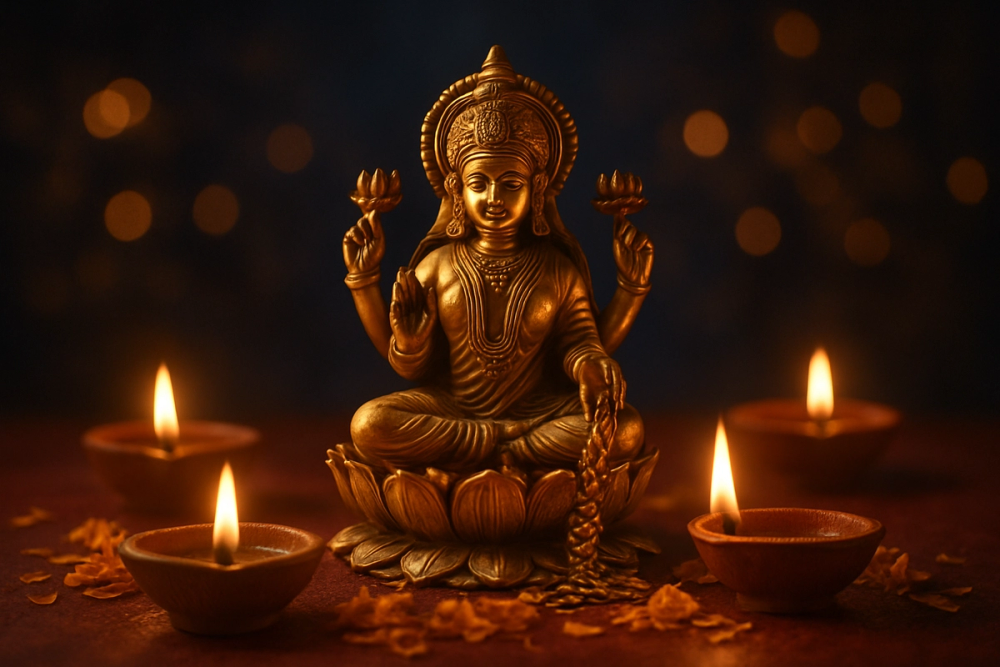
Goddess Lakshmi, often shown seated on a blooming lotus with gold coins spilling from her palm, is worshipped during Diwali specifically to invite prosperity into the coming year. Homes are cleaned and lit with oil lamps, or diyas, to welcome her — a ritual grounded in the belief that abundance favors clarity and readiness, not clutter.
Beyond the horseshoe, the Celts revered the shamrock and the acorn as emblems of hidden potential — small seeds destined for great growth. In Norse mythology, Freyja was said to weep tears of red gold while searching for her missing husband Odr, and in later folk tradition those tears are also described as turning to amber, linking her to fertility, gold, and abundance. Across the Atlantic, the Haudenosaunee (Iroquois) Confederacy honored the "Three Sisters" — corn, beans, and squash planted together — as a living symbol of abundance created through cooperation rather than competition, each crop supporting the others' growth.
| Symbol | Culture of Origin | Core Meaning |
|---|---|---|
| Cornucopia | Ancient Greece | Endless nourishment |
| Koi Fish | Japan / China | Perseverance rewarded with success |
| Elephant | India (Hindu) | Obstacle removal, poured fortune |
| Lotus | India / East Asia | Growth through adversity |
| Number Eight | China | Prosperity through sound symbolism |
| Horseshoe | Celtic Europe | Protection and captured luck |
| Three Sisters | Haudenosaunee (Iroquois) | Abundance through cooperation |
| Scarab | Ancient Egypt | Protection and prosperity |
| Roman Coin (Aureus) | Ancient Rome | Wealth and status |
Seeing symbols of abundance in dreams is often interpreted as a message about untapped potential rather than a literal financial forecast. Dreaming of overflowing baskets of fruit or grain may suggest that rewards for past effort are near. A koi fish swimming freely can indicate that emotional or spiritual growth is finally moving forward after a period of struggle.
Dreaming of an empty cornucopia or wilted crops, by contrast, may reflect anxiety about scarcity or a fear of being unprepared. Just as a dream catcher is traditionally used to filter out troubling dreams and let positive energy through, many people treat vivid abundance dreams as gentle nudges to release fear and act on opportunities already present in waking life.

Symbols work best as anchors for intention rather than passive charms. Consider these approachable ways to incorporate them:
Today these ancient emblems appear far beyond temples and folklore — in tattoo studios, wedding jewelry, and interior design. A person choosing an elephant tattoo or a koi-fish sleeve is often reaching for the same reassurance ancient farmers sought from a wheat harvest: proof that effort and patience eventually bear fruit. Even wedding traditions carry echoes of shared prosperity — much like the Claddagh ring, whose heart, hands, and crown represent love, friendship, and loyalty as the true foundation of a prosperous life together.
Ultimately, whether displayed as art, jewelry, or a potted plant on a windowsill, these symbols endure because they answer a need that hasn't changed in thousands of years: the hope that tomorrow will hold enough — and perhaps a little more.
There isn't a single universal "most powerful" symbol, since meaning is shaped by culture, but the cornucopia and the elephant are among the most widely recognized. Both represent overflowing generosity and the removal of obstacles standing between effort and reward.
Several ancient symbols represented wealth, including the Egyptian scarab and gold amulets, the Roman gold aureus coin, and Mesopotamian grain stores dedicated to gods like Inanna. Crowns and scepters also fused wealth with political power across nearly every ancient monarchy, showing that riches and rule were closely intertwined.
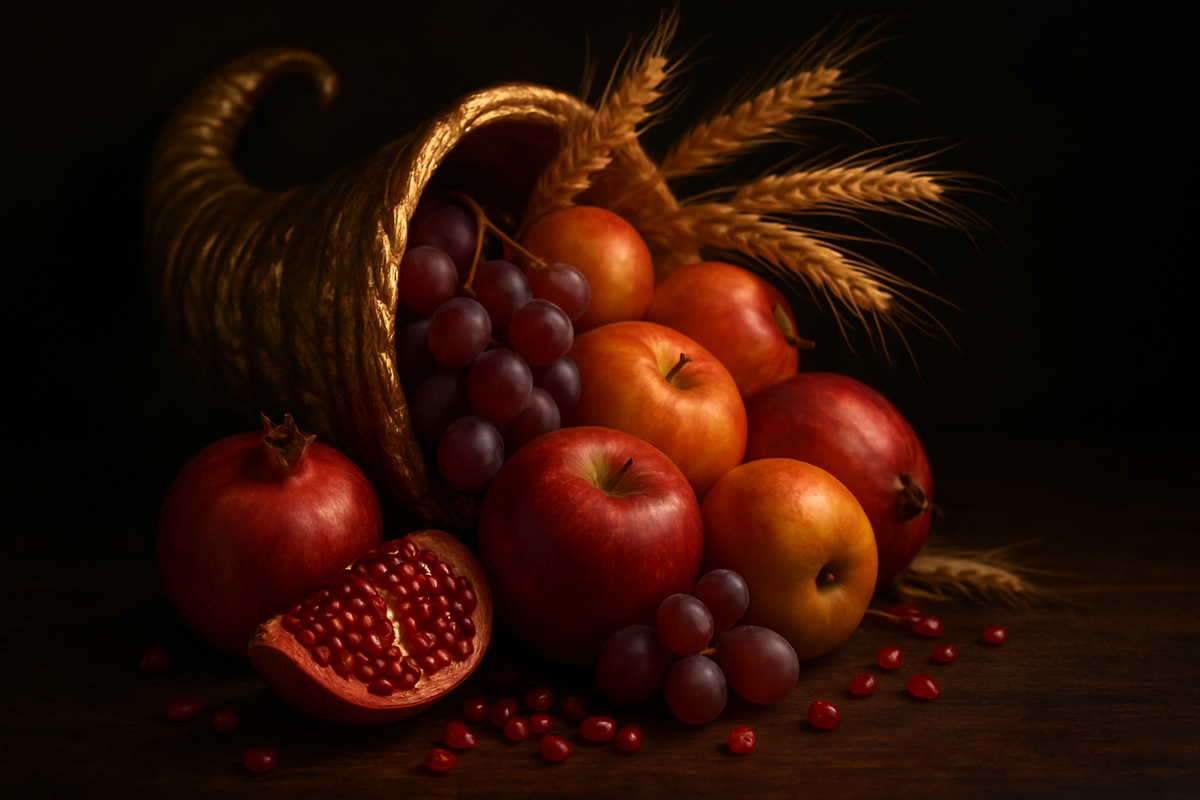
The cornucopia, or "horn of plenty," is the most widely recognized symbol of abundance, representing endless nourishment and overflowing generosity. Other common abundance symbols include the elephant, koi fish, lotus flower, and wheat sheaves.
The koi fish, elephant, and pig are the most common animal symbols of wealth across Asian and European traditions. Each represents a different path to prosperity — perseverance, obstacle removal, and fertility, respectively.
Dreaming about overflowing fruit, grain, or thriving animals like koi fish often reflects a subconscious sense that rewards for past effort are approaching. Conversely, dreaming of scarcity or decay may point to underlying anxiety about resources or unfinished goals.
Choose a symbol that feels personally meaningful, place it somewhere you'll see daily, and pair it with an active habit like gratitude journaling or small acts of generosity. Symbols work best as reminders that reinforce intentional action, not as substitutes for it.
Discover what the Om symbol truly means—its Hindu, Buddhist, and Jain roots, dream symbolism, and how to use it in daily life.
Peony flower meaning explained: romance, honor, wealth, birth month, anniversary symbolism, dream meanings, and a full color guide…

Discover what a rainbow truly symbolizes—hope, divine promise, and spiritual transformation—across mythology, dreams, and modern c…