Symbols
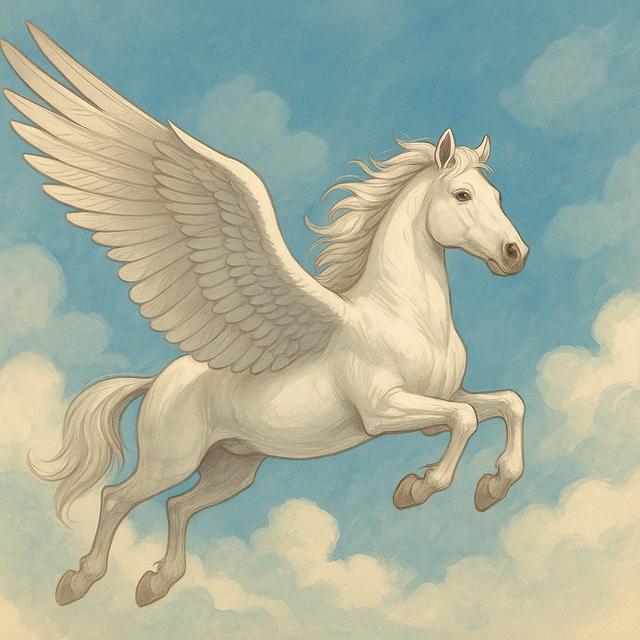
Pegasus Meaning: Symbolism, Spiritual Meaning & Tattoo Guide
Pegasus meaning explained: freedom, divine inspiration, dreams, tattoos & the constellation. Discover what this winged horse symbo…
 KnowMastery
 An ancestor altar is a dedicated space in the home, usually a table, shelf, or quiet corner, set up with photographs, candles, food, and personal belongings of someone who has died. Families build these altars to keep memory active instead of static: offerings get refreshed, candles get relit, and the dead are spoken to as if they can still hear. The practice goes by different names around the world, the ofrenda in Mexico, the bàn thờ in Vietnam, the ancestral tablet in China, each shaped by its own history but built on the same idea: death changes a relationship instead of ending it.
Think of copal incense curling through a kitchen doorway, or a bowl of rice set beside a sepia photograph that nobody in the house actually remembers taking. These small gestures carry weight that words rarely manage. An ancestor altar is not decoration. It is a place where a family says, out loud or in silence, that someone mattered and still does.
For some people the practice is inherited, passed down from a grandmother who never explained why the candle stayed lit on Thursdays. For others it is newly built after a loss, assembled from instinct rather than tradition. Either way, the altar becomes a meeting point between the living and the dead, built from objects that carry meaning beyond their physical form.
An ancestor altar, sometimes called a spirit table or memory shrine, is a space set aside specifically to remember and communicate with deceased relatives. It usually sits at waist height or higher in traditions that avoid placing sacred objects on the floor, and it gets refreshed regularly with new offerings, clean water, or lit candles. The altar is not a grave and holds no remains. It works instead as a focal point for memory, gratitude, and in many belief systems, active spiritual contact.
The practice goes back thousands of years. Ancestor veneration shows up in China under the Shang dynasty, in West African Yoruba tradition, among Celtic peoples before Christianity reached the British Isles, and in Mesoamerican cultures long before Spanish colonization reshaped them into what is now Dia de los Muertos. The objects differ by region, but the underlying idea holds steady: death does not erase a relationship, it changes its shape.
Every tradition sets its own rules for what belongs on an altar, but certain objects show up again and again because they answer the same basic needs: light, nourishment, identity, and welcome.
| Culture or Tradition | Key Objects | Symbolic Meaning |
|---|---|---|
| Mexican (Dia de los Muertos) | Marigolds, papel picado, sugar skulls, pan de muerto | Guides the soul home with color, scent, and familiar food |
| Chinese Ancestor Veneration | Ancestral tablets, incense, fruit, rice wine | Honors filial duty and keeps the family line connected |
| Yoruba (Nigeria) | Kola nuts, palm wine, carved figures | Invites ancestral wisdom and blessing into daily life |
| Japanese Buddhist Butsudan | Ihai tablets, incense, rice, tea | Keeps the household tied to ancestors during daily ritual and Obon |
| Vietnamese | Ban tho altar, incense bowl, fruit tray | Expresses gratitude and asks for ongoing protection |
| Catholic/European | Crosses, candles, rosaries, flowers | Prays for eternal rest and intercession for the soul |
The ofrenda built for Dia de los Muertos on November 1st and 2nd blends Aztec beliefs about the afterlife with Catholic saints' day traditions brought by Spanish colonizers. Families lay out cempasúchil marigolds whose scent is said to lead souls along a path home, pan de muerto bread shaped like bones, sugar skulls engraved with the names of the dead, and photographs arranged on tiered platforms representing earth, heaven, and the underworld. Salt and water sit side by side, one purifying, one quenching thirst after the long journey back.
In Chinese households, especially those keeping a citang or ancestor hall, wooden tablets called shenzhu inscribed with the names of deceased relatives sit at the center of the altar. Incense sticks are lit daily or on specific dates, and during the Qingming Festival in spring, families visit grave sites to sweep tombs, offer rice wine, and burn joss paper meant to provide the dead with currency in the afterlife. The practice reflects Confucian filial piety, the belief that respect for parents and ancestors does not end with death.
Among the Yoruba people of Nigeria, ancestors are honored through the egungun masquerade, where dancers in elaborate costumes are believed to embody spirits of the dead returning to bless and guide the living community. Offerings of kola nut and palm wine are placed at household shrines, and consultation with a babalawo, an Ifa priest, often guides how and when ancestors should be approached. The ancestor here is not a distant memory but an active participant in family decisions and protection.
In Japan, many homes keep a butsudan, a wooden Buddhist altar cabinet that holds ihai, lacquered memorial tablets inscribed with a deceased relative's Buddhist name. Families offer rice, water, tea, and incense each morning, and during Obon in mid-summer, lanterns are lit to guide ancestral spirits back to the household for a few days before they are sent off again on floating lantern ceremonies held at rivers and coastlines. The butsudan blends Buddhist teaching on impermanence with older beliefs that the dead stay present as protective spirits tied to a family's name and land.
In Vietnam, nearly every home keeps a bàn thờ gia tiên, a family altar holding incense bowls, fruit trays, and photographs of recent generations, refreshed especially during Tet, the lunar new year, when ancestors are invited to join the celebration. In Catholic Europe, All Souls' Day on November 2nd serves a similar purpose, with candles lit and graves decorated with flowers and crosses. Readers curious about the symbolism behind these objects can look further into different types of crosses and their meaning or the broader collection of Catholic symbols and their meanings, many of which appear on memorial altars for the dead.
Spiritually, an ancestor altar works as a threshold, a point where the line between living and dead gets thin for a moment. Lighting a candle or pouring water functions as an invitation, a way of saying the door is open. In Yoruba belief, deceased elders become ara orun, honored ancestors who continue to guide family decisions from the other realm. Chinese ancestor veneration holds a similar view: the dead remain part of the lineage and get consulted through ritual much as living elders were consulted in life.
The altar also reinforces identity and lineage. Photographs arranged generation by generation echo the same idea found in the Tree of Life symbol, roots connecting unseen but present, holding up everything that grows above them. Some people place protective symbols such as a hamsa hand near the altar, believing it shields the space and the family from harm while honoring the dead.
Dreaming of an ancestor altar often points to a need for grounding, guidance, or unfinished grief. A dream showing a candlelit altar with a deceased relative standing nearby is frequently interpreted as a visit, a message that the person wants reassurance or wants to pass something along. A dream where the altar is dusty, broken, or neglected can suggest a sense of disconnection from family roots or unresolved tension with the past.
A dream where several ancestors gather around the altar at once, rather than one relative alone, is sometimes read as a sign that the whole family line is weighing in on a decision the dreamer is facing, not just one person. Dream interpreters sometimes compare this symbolism to the function of a dream catcher, filtering which messages reach the dreamer and which stay behind. Whether or not the dream is taken as literal contact, it usually signals that the dreamer's mind is actively working through memory, loss, or identity tied to family history.
Setting up an ancestor altar does not require belonging to a specific religion or culture, though adopting someone else's exact traditions without understanding them can come across as careless. A simple, respectful altar can be built with a few steady practices.
If you are drawing from a specific cultural tradition that is not your own, take time to learn its actual rules rather than guessing. Borrowing sacred colors, offerings, or rituals without context can unintentionally disrespect the practice you are trying to honor.
Most altars include a photograph of the deceased, a lit candle, a glass of water, and a food or drink they enjoyed in life. Personal objects like jewelry, tools, or letters are often added to strengthen the connection to that specific person.
A basic altar built around your own family photos and memories is generally fine regardless of background. Problems arise mainly when someone copies a specific tradition's sacred objects or rituals, such as a full Dia de los Muertos ofrenda or a Yoruba egungun practice, without understanding or respecting where it comes from.
Yes, many traditions honor chosen family, mentors, and close friends alongside blood relatives. What matters most is the relationship and the intention behind the offering, not strict bloodlines.
Food and water offerings should be replaced every few days to avoid spoiling, since a stale offering is often seen as neglectful in traditions like Chinese and Vietnamese ancestor veneration. Candles and photographs can stay in place indefinitely, with candles relit on meaningful dates such as birthdays or death anniversaries.
Pegasus meaning explained: freedom, divine inspiration, dreams, tattoos & the constellation. Discover what this winged horse symbo…
Discover why Persephone ate pomegranate seeds in the underworld and what the fruit really symbolizes about death, rebirth and choi…
Discover what pumpkins really symbolize beyond Halloween: harvest abundance, protection, fertility, and spiritual meaning across c…