Animal Symbolism
Bat Symbolism and Meaning: Transformation, Night & Halloween
What does a bat symbolize? Explore bat meaning across cultures, dreams, Halloween folklore, and what seeing one signals for your l…
 KnowMastery
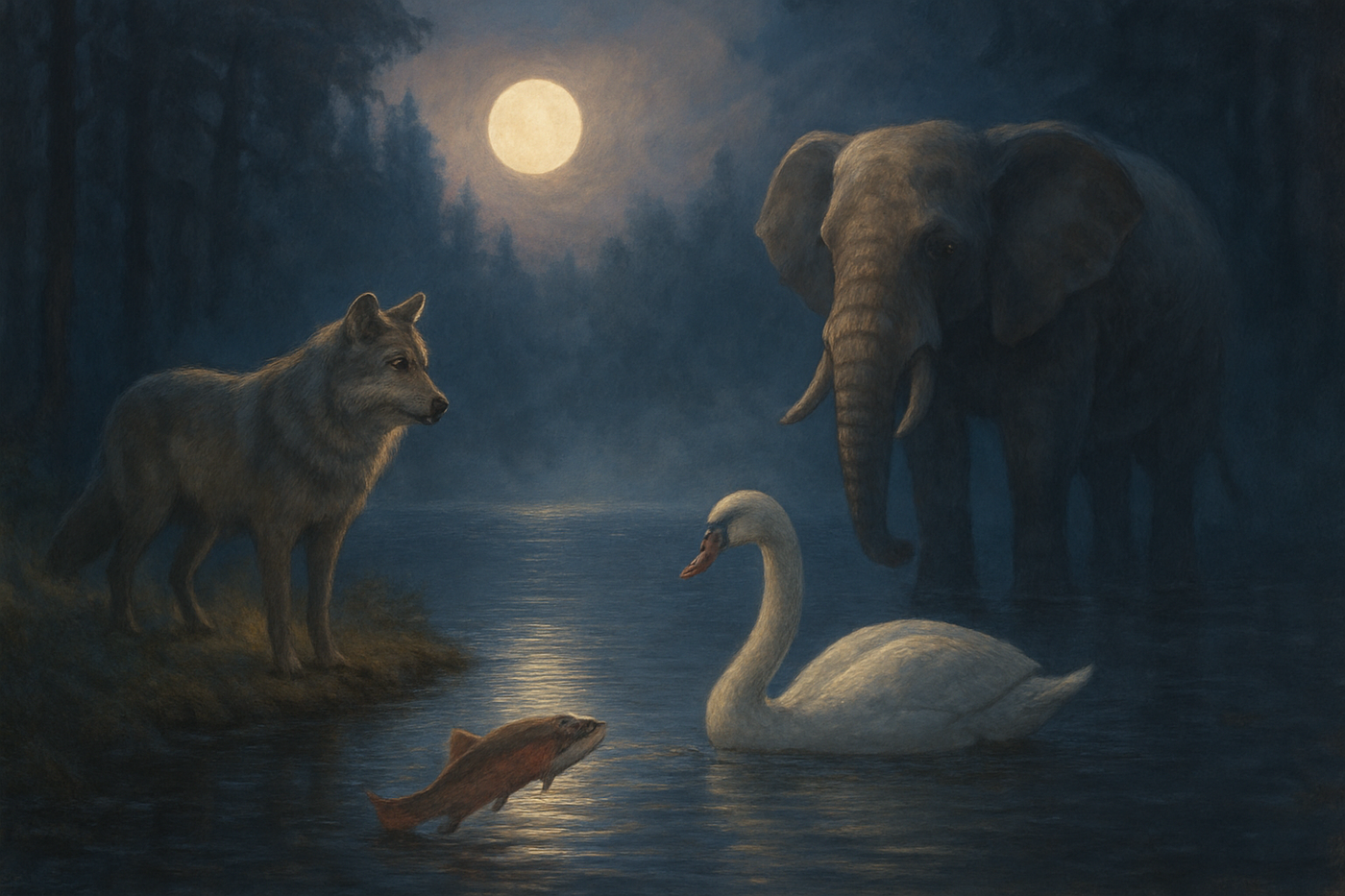
Animals that symbolize integrity and loyalty include the wolf, elephant, dog, swan, and salmon — creatures known for staying loyal to a mate or pack, protecting family without being asked, and following through on instinct even when it costs them something. The wolf and dog are the two animals most directly tied to loyalty specifically, while the elephant, hawk, owl, crow, horse, beaver, and salmon each represent a different facet of honest, consistent character. Across cultures and centuries, people have turned to these ten creatures to understand what steadiness and devotion actually look like in practice.
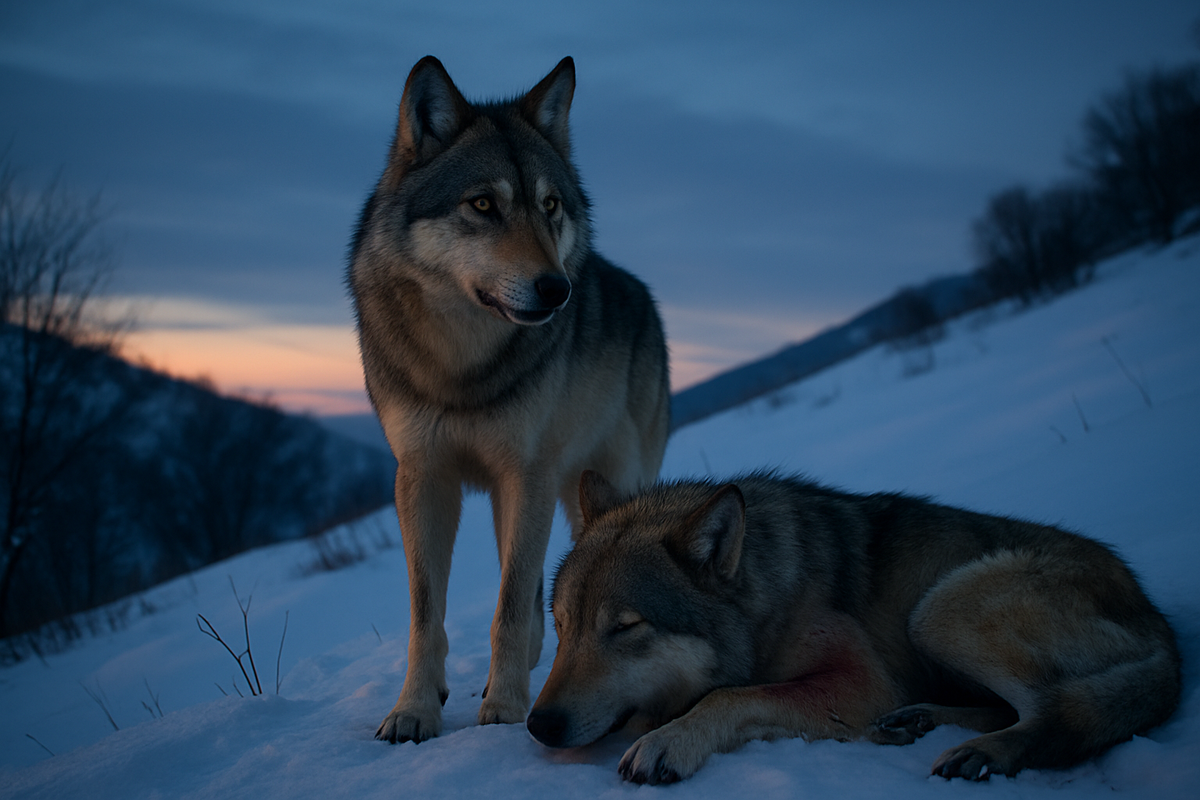
Integrity rarely announces itself. It shows up in the small, unglamorous choices: the wolf that stays with its injured mate instead of moving on with the pack, the elephant that circles back for a calf that wandered too far, the salmon that keeps swimming upstream long after its body has started to fail.
Watching these animals can feel like watching a version of ourselves we wish we were braver enough to be. There's no audience, no reward, just the animal doing what it was built to do, over and over, without complaint. That's why so many spiritual traditions, from Norse folklore to Native American storytelling, chose animals rather than people to represent unwavering character. People change their minds. These creatures, in the stories at least, do not.
In animal symbolism, integrity usually points to consistency between behavior and instinct. An animal is said to represent integrity when it acts the same way whether or not it's being observed, protects others without being asked, or keeps a commitment (a mate, a migration path, a home) no matter the difficulty involved.
Spiritually, these animals are often treated as messengers. Seeing one repeatedly, or dreaming about one, is frequently interpreted as a nudge to examine your own honesty, your follow-through, or the promises you've made and possibly broken.
Elephants live in tight matriarchal herds and rarely abandon a member, even an injured or dying one. Scientific and field research has documented elephants keeping vigil over and gently touching or investigating the bones of dead herd mates, though studies do not specify these encounters lasting a precise number of hours.
In Hindu tradition, the elephant-headed god Ganesha is associated with wisdom and the removal of obstacles, qualities that require a steady, honest mind. In parts of West Africa, elephants appear in folktales as the animal that keeps its word, often teaching younger or trickier animals a lesson about loyalty.
Wolves mate for life in most cases and hunt cooperatively, sharing food with pack members who couldn't catch their own. A wolf that breaks rank and abandons its pack is rare, and the ones that stay are the ones that keep the group alive through hard winters, which is why the wolf is one of the most frequently cited animal symbols of loyalty.
Wolves held deep symbolic importance for the Pawnee and other Plains nations — the Skidi Pawnee were even known as the 'Wolf band' — though sources do not specifically identify loyalty or shared responsibility as the trait these nations attached to the animal. In Norse mythology the wolf Fenrir is dangerous, but everyday wolves in Scandinavian folk belief were still respected for their devotion to their own kind.
Swans are famous for pairing with a single mate, often for the rest of their lives, and defending their nest without hesitation. Their calm surface hides a fierce, protective streak underneath, a fitting image for integrity: steady on the outside, unwavering underneath.
Celtic mythology linked swans to the soul and to faithfulness, sometimes showing them as humans under enchantment who remained loyal despite their transformation. In Hindu tradition, the hamsa, a swan-like bird tied to the goddess Saraswati, is said to be able to separate milk from water, a symbol of judgment that stays honest even when things are mixed together. You can read more about this in our full guide to swan symbolism and transformation.
A hawk's integrity shows up in its focus. It doesn't chase every movement in the field, it waits, watches honestly, and commits fully once it decides to act. That clarity of vision is often read as a metaphor for honest judgment.
The Lakota and several other Native American traditions treat the hawk as a messenger that reveals truths hidden from ordinary sight. In ancient Egypt, the hawk-headed god Horus stood for justice and clear sight, watching over rulers with a gaze nothing escaped. Our guide on hawk symbolism and spiritual meaning goes deeper into this connection between sharp sight and honest perception.
Owls see clearly in darkness, which has made them a long-standing symbol of truth that isn't afraid of what it finds. In Greek tradition, the owl was sacred to Athena, goddess of wisdom, precisely because it could look at things others avoided.
Yoruba tradition in West Africa and Maya belief in Central America view owls with more caution, associating them with warnings rather than pure wisdom, but even in those stories the owl is never dishonest, only blunt. Read more in our piece on owl symbolism, dreams, and totems.
Crows are known to warn their flock of danger and mourn their dead in ways that look strikingly deliberate, gathering around a fallen crow almost as if holding a memorial. That loyalty to the group, even at personal risk, is a quiet form of integrity.
In Norse mythology, Odin's two ravens, Huginn and Muninn, flew the world and reported back to him honestly every evening, thought and memory made literal. In Chinese mythology, the three-legged crow, called Sanzuwu, carried the sun across the sky and was trusted as a faithful messenger between heaven and earth. Explore this further in our article on crow symbolism and what different numbers of crows mean.
A well-trained horse carries its rider through fear, exhaustion, and danger without breaking trust, which is why cavalry units and nomadic cultures alike built codes of honor around the horse-rider bond.
Mongolian herding traditions treat a good horse as a partner rather than property, praising it for steadiness under pressure. Medieval European knights often swore that a loyal warhorse reflected the character of its owner, since a dishonest rider rarely earned a horse's full trust.
Dogs are the animal most people already associate with integrity and, more specifically, with loyalty, largely because that devotion has been documented for thousands of years, from Roman guard dogs buried with honor to modern service dogs that stay by their handler's side through illness. If you're searching for the single animal that symbolizes loyalty, the dog is almost always the first answer, with the wolf close behind as its wild counterpart.
In ancient Egypt, the jackal-headed god Anubis guarded the dead with unwavering discipline. That same idea, a guardian who doesn't waver from its post, is why dogs still symbolize faithful, honest devotion in nearly every culture that keeps them.
Beavers build their dams with the same patient, unglamorous effort every single day, without shortcuts. Nothing about a beaver's work is flashy, but the structure it leaves behind can reshape an entire wetland for decades.
Several Ojibwe stories present the beaver as a model of steady, honest labor, contrasted against trickster animals who try to get results without doing the work. In European heraldry, families and guilds put the beaver on their crests to signal reliability and hard work, a reputation earned rather than claimed. The beaver's integrity is less about loyalty and more about consistency.
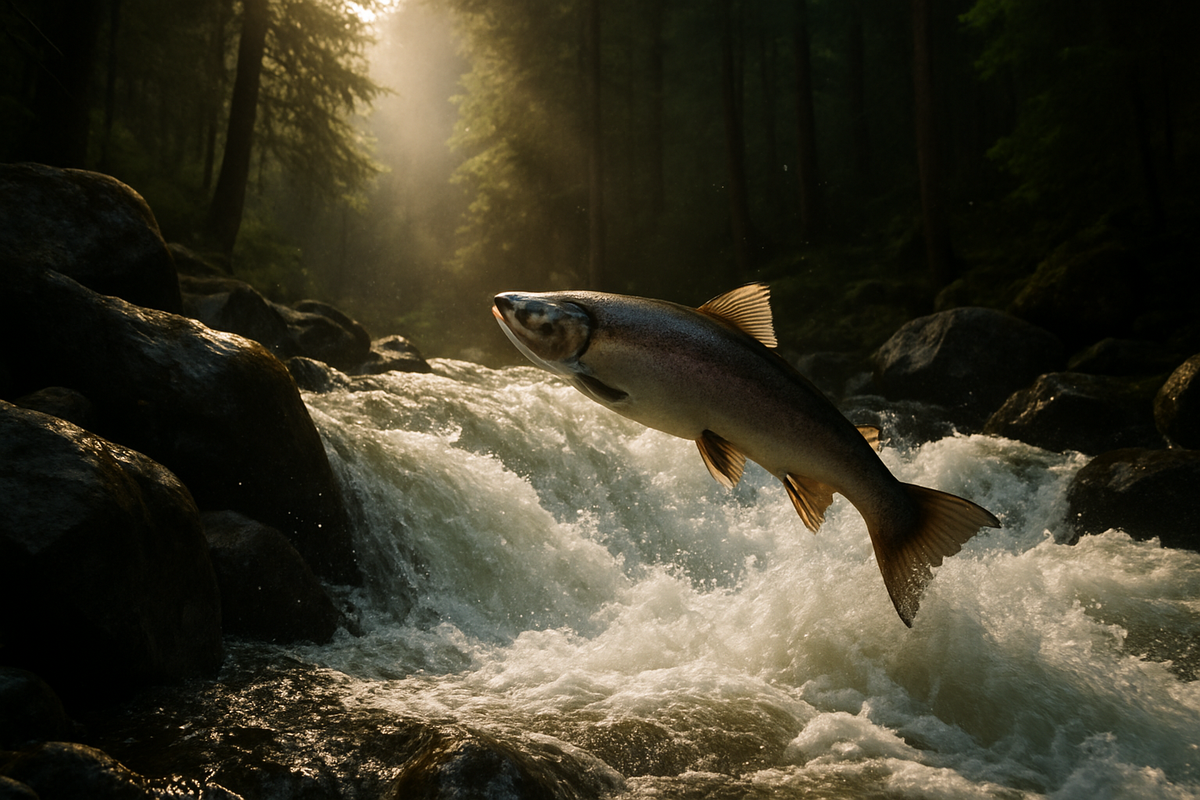
Salmon swim upstream against currents strong enough to break weaker fish, returning to the exact stream where they were born in order to spawn, even as their bodies begin to fail from the effort. Few images in nature capture commitment to a purpose as literally as this.
The Salmon of Knowledge is a figure in Celtic mythology associated with wisdom gained after years of pursuit, though in the legend the knowledge ultimately passed to the hero Fionn mac Cumhaill by accident rather than his own direct effort. Pacific Northwest Indigenous nations, including the Coast Salish, honor the salmon's return each year as proof that a promise to the land and to future generations can still be kept.
| Animal | Core Trait | Cultural Reference |
|---|---|---|
| Elephant | Loyalty to family, grief and memory | Hindu tradition (Ganesha), West African folktales |
| Wolf | Pack loyalty, shared responsibility | Pawnee tradition, Norse folklore |
| Swan | Lifelong devotion, protective calm | Celtic mythology, Hindu tradition (hamsa) |
| Hawk | Honest, focused judgment | Lakota teachings, Ancient Egypt (Horus) |
| Owl | Truth-seeking, clear sight | Greek mythology (Athena), Yoruba and Maya tradition |
| Crow | Vigilance, honest reporting | Norse mythology (Odin's ravens), Chinese mythology (Sanzuwu) |
| Horse | Trust, steadiness under pressure | Mongolian herding tradition, medieval European chivalry |
| Dog | Unwavering loyalty and faithfulness | Ancient Egypt (Anubis), Roman tradition |
| Beaver | Consistent, honest effort | Ojibwe storytelling, European heraldry |
| Salmon | Commitment to purpose | Celtic myth, Coast Salish tradition |
Dreaming of a wolf or dog often points to a question about loyalty in your own life, either yours to someone else or someone else's to you. A swan in a dream can suggest a relationship that needs honesty rather than politeness. An elephant showing up in sleep is frequently read as a reminder not to forget the people who have supported you, while a salmon swimming upstream in a dream often reflects a goal you're pursuing even though every practical sign says to quit. Crows or owls appearing in a dream tend to point to a truth you already sense but haven't said out loud yet.
If one of these animals keeps showing up in your life, whether in dreams, on walks, or as an unexplained pull toward a certain creature, treat it as an invitation rather than a coincidence.
Integrity symbols work best as mirrors, not mascots. The point isn't to decorate your home with wolf imagery, it's to ask whether you'd act the same way the wolf does if no one were watching.
The wolf and the elephant are most often named as top symbols of integrity because both show consistent loyalty to their group, even during hardship. The dog is a close third, since its faithfulness has been documented and celebrated across nearly every culture that has kept them as companions.
The dog and the wolf are the two animals most directly associated with loyalty. The dog earns this reputation through its devotion to a single person or family, while the wolf represents loyalty on a larger scale, staying with its pack and often mating for life, which is why the two are frequently paired in symbolism as domestic and wild versions of the same trait.
The butterfly is the animal most commonly linked to change, since its transformation from caterpillar to winged adult is a near-literal symbol of personal growth. The snake is a close second, representing change through the act of shedding its skin to reveal something newer underneath; while this article focuses on integrity and loyalty, our guide to owl symbolism, dreams, and totems touches on how transition and insight often appear together in animal symbolism.
Yes, the wolf is widely recognized as a symbol of both loyalty and integrity because it typically mates for life and shares food and protection duties within its pack. The Pawnee and other Plains nations specifically honor the wolf for this steady, cooperative behavior, and its reputation for pack devotion is one reason it ranks alongside the dog as a top loyalty symbol.
What does a bat symbolize? Explore bat meaning across cultures, dreams, Halloween folklore, and what seeing one signals for your l…
What does it mean when a bee visits you? Explore bee spiritual meaning, dreams, totem energy, and omens from cultures around the w…
3 butterfly meaning: discover why three butterflies together signal alignment of mind, body & spirit—and a stronger message than o…