
Crystal & Stones
Blue Tiger’s Eye Meaning: Insights into the Stone of Intuitio
Table of Content Introduction to Blue Tiger’s Eye Mining Regions of Blue Tiger’s Eye Historical Use and Significance Metaphysical …
 KnowMastery
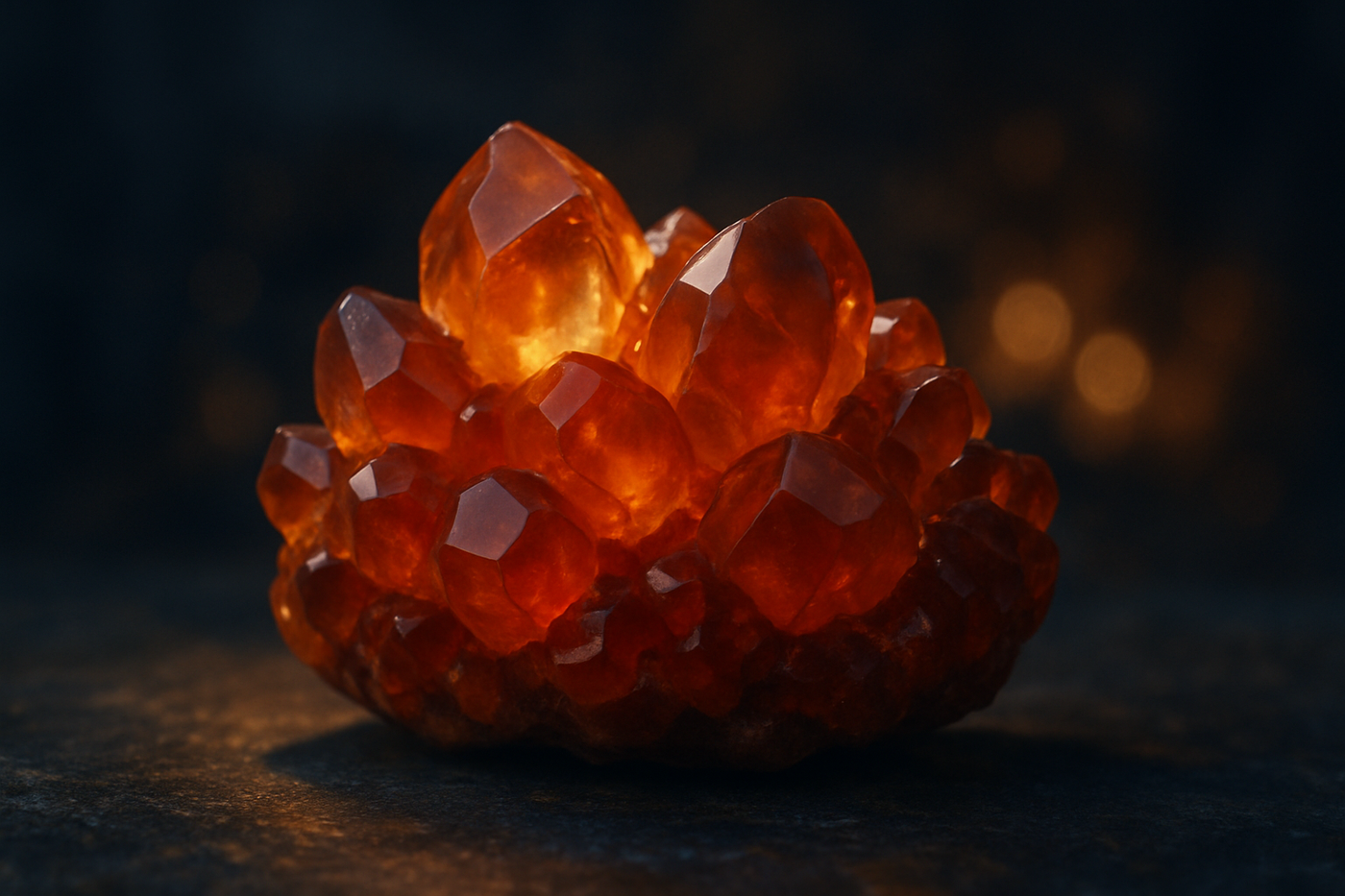
Carnelian is a translucent variety of chalcedony quartz prized for its warm orange-to-red-brown color, caused by natural iron oxide impurities within the stone. It is most closely associated with the Sacral Chakra, the energy center linked to creativity, passion, and vitality, and is traditionally regarded as a stone of courage, motivation, and personal power. Wearers use it to reignite enthusiasm, boost confidence, and ground fiery emotions into positive action. As the traditional July birthstone, Carnelian has been treasured since ancient Egypt and Rome for both its beauty and its protective, energizing symbolism.
| Attribute | Details |
|---|---|
| Primary Chakra | Sacral Chakra — creativity, passion, vitality |
| Zodiac Signs | Aries, Leo, Virgo, Taurus, Cancer |
| Birthstone Month | July |
| Key Meaning | Courage, motivation, personal power, creative passion |
| Mineral Family | Chalcedony (a form of quartz) |
The name Carnelian is derived from the Latin word 'cornum', meaning cherry, a reference to the stone's reddish hues. Ancient texts often describe its fiery, bold shades as reminiscent of the passionate essence of ripe cherries, and this cherry-red association has followed the stone through centuries of naming and lore.
Did you know? In Egyptian amulet tradition, carnelian pieces such as the Buckle of Isis and the Eye of Horus were believed to protect the wearer from evil and the envious glances of others, and later lore extended this protective symbolism to courage and strength in battle.
The Carnelian stone carries an extensive backstory, rooted deeply in various cultures and surrounded by myths and folklore. Its vibrant energy has captivated hearts and invoked imaginations for centuries, securing its place in history and tradition.
Carnelian has been a centerpiece in legends over the centuries, often associated with qualities like protection, courage, and luck.
Carnelian boasts a rich tapestry of historical and cultural significance. Here are some of the most prominent narratives that embraced the stone:
Did you know? Historically, artisans and craftsmen have favored Carnelian for its relative ease of carving, making it a popular choice for creating intricate jewelry and artifacts.
From ancient times, the vibrant Carnelian stone has been celebrated not just for its beauty but also for its potent healing properties. Let's look at the healing and chakra-balancing traditions where Carnelian holds a significant role, offering both vitality and harmony.
Carnelian is revered as a stone with numerous healing attributes, fostering a connection between the physical and spiritual realms:
| Physical Healing | Mental Healing | Spiritual Healing |
|---|---|---|
| In crystal-healing tradition, carnelian is believed to boost fertility and stimulate sexuality, though no scientific evidence supports these effects. | Alleviates jealousy and resentment | Promotes personal power and self-realization |
| In crystal-healing folklore, carnelian is said to support blood circulation and aid digestion, though this is a traditional belief rather than a medically established effect. | Encourages positive life choices | Fosters a deeper connection to the earth and the universe |
Carnelian is often perceived as a beacon of light that can guide individuals through the journey of self-discovery and healing.
Carnelian is known to impact chakra balancing profoundly. It primarily relates to the Sacral Chakra, the center of creativity, pleasure, and passion. When used appropriately, it can unlock blocked energies in this chakra, fostering harmony and a balanced flow of energy.
When using Carnelian for crystal healing, approach it with respect and awareness:
Did you know? Being a natural energy booster, Carnelian can sometimes feel too stimulating for individuals with very sensitive energy fields, so cautious use is recommended.
Carnelian is a beacon of vibrant energy and beauty for those exploring gemstones. Here is a guide encompassing its classification, color range, and ways to integrate it into daily life.
The color spectrum of Carnelian captivates with warm, earthy hues that can add vitality to any collection, including:
Traditionally, Carnelian is classified as a semi-precious stone. Its accessibility and varied color palette make it a popular choice among gem enthusiasts and collectors, offering both beauty and affordability.

Carnelian can be a daily companion, imbuing your life with vibrant energy:
Did you know? Carnelian's vibrant hues can sometimes fade with prolonged exposure to sunlight, so storing pieces away from direct sunlight helps preserve their rich colors.
Carnelian is widely regarded as a symbol of passion, courage, and creative fire. Its warm, grounding energy is said to ignite enthusiasm in the beholder while keeping that fire connected to the earth, making it a favorite stone for anyone seeking to move through life with more vigor and conviction.
Charging your Carnelian gemstone imbues it with renewed energy and potency:
So, what is a Carnelian stone good for? Its versatility makes it a favored companion for:
Carnelian holds a reputation for being a stone that nurtures love. Its warm energies are known to enhance passion and desire, strengthen bonds, encourage open and honest communication in relationships, and attract love and prosperity into one's life. In creative and personal-growth work, it also helps build confidence, promote positivity, foster resilience after setbacks, and encourage healthy self-love.
Did you know? Carnelian is sometimes called the "Stone of Friendship," promoting trust, kindness, and understanding — qualities essential to lasting friendships.
Understanding how Carnelian forms and where it is mined can deepen your connection with this vibrant stone.
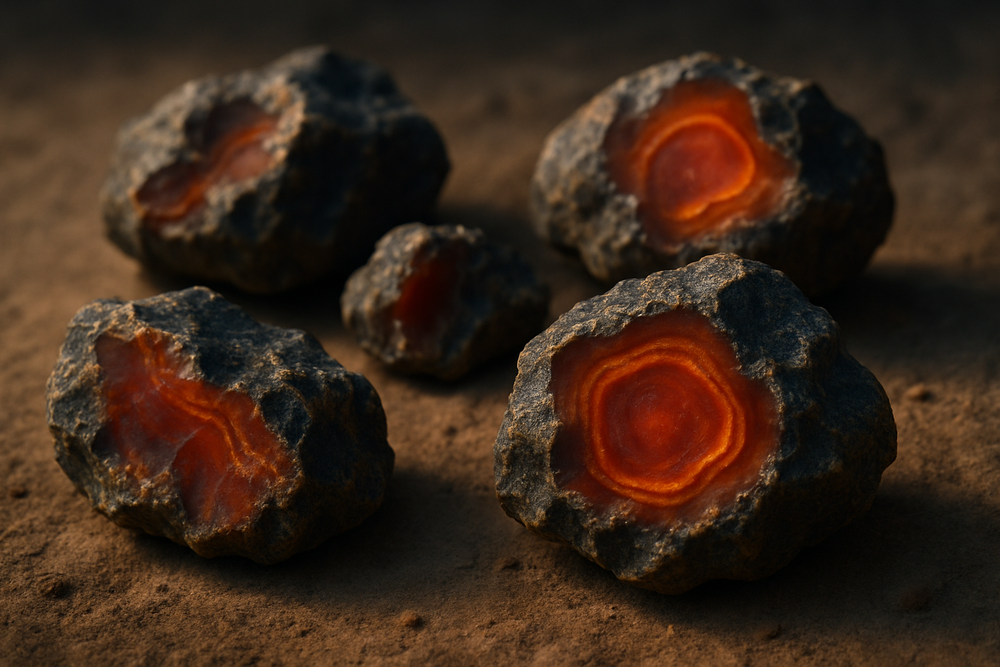
Carnelian, a variant of chalcedony, forms over millennia as silica-rich solutions combine with mineral impurities inside rock cavities, giving it characteristic colors and patterns:
| Country | Specific Locations |
|---|---|
| India | Gujarat, Rajasthan |
| Brazil | Rio Grande do Sul |
| Uruguay | Artigas |
| Madagascar | Antananarivo Province |
| USA | Oregon, Washington |
Did you know? The vibrant colors of Carnelian have made it a sought-after gemstone for centuries, with ancient civilizations such as the Egyptians and Romans valuing it for its beauty and properties.
Stones and crystals are often said to carry unique energies that complement the traits of individuals born under certain astrological signs. Carnelian holds a special connection with several zodiac signs, including two you may not expect.
The robust energies of Carnelian also resonate with certain planetary influences, bringing forth positivity and vitality:
Did you know? Carnelian has historically been used in astrological practices, often carried as an amulet to protect against negative energies and to foster positive planetary influences.
Carnelian's captivating allure has left its mark across art, fashion, trade, and gem collecting for thousands of years. Ancient artisans favored it for carvings, intaglio seal rings, and Egyptian jewelry symbolizing power and status, while the Art Deco era later revived its popularity in statement jewelry. Today, designers still use its fiery hue in rings, pendants, and accessories, and it remains a steady favorite in the global gemstone trade thanks to its affordability, durability, and rich symbolism.

If you're beginning a Carnelian collection, a few basics go a long way: assess quality by color intensity, clarity, and craftsmanship; buy only from reputable, transparent sellers; keep documentation such as certificates of authenticity when available; and follow proper cleaning and storage practices (covered below) to protect your pieces for years to come.
Did you know? Carnelian has graced royal jewelry collections for centuries, symbolizing status and grandeur across many cultures.
In this section, we compare Carnelian with similar-looking stones — Red Jasper, Bloodstone, and Amethyst — to highlight what makes each one distinct.
Carnelian, renowned for its vibrant red-orange hue, is a variety of chalcedony. Its energizing properties and connection to the sacral chakra make it a favored choice for those seeking to ignite creativity and passion.
Red Jasper shares a color palette with Carnelian but tends to exhibit a denser red with marbled patterns. A grounding stone, it aligns more with the root chakra, offering stability and calm, distinguishing it from Carnelian's more stimulating, fiery energy.
Bloodstone, also known as Heliotrope, usually shows a dark green hue interspersed with red spots resembling drops of blood — hence its folk nickname. This healing stone links to both the root and heart chakras, fostering courage and renewal, and its dual color scheme sets it clearly apart from Carnelian's uniform, vibrant tone.
Unlike Carnelian's warm, fiery palette, Amethyst is a cool violet quartz associated with the Crown and Third Eye chakras, favored for calm, clarity, and spiritual insight rather than passion and drive. Many collectors pair the two stones together to balance grounding, energizing Carnelian with Amethyst's soothing, reflective qualities.
| Feature | Carnelian | Red Jasper | Bloodstone |
|---|---|---|---|
| Color | Vibrant red-orange | Dense red with marbling | Green with red spots |
| Associated Chakra | Sacral | Root | Root and Heart |
| Main Energy | Stimulating | Grounding | Healing and Renewal |
| Use | Ignites creativity and passion | Offers stability and calm | Promotes courage and renewal |
Did you know? Understanding the distinct energies of Carnelian, Red Jasper, Bloodstone, and Amethyst can significantly enhance your experience when using them for spiritual or healing purposes.
Caring for your Carnelian properly ensures it retains its vibrant hue and energy for years to come.

Yes, Carnelian can get wet. However, it's best to avoid prolonged exposure to water, as it might affect the stone's quality or setting, especially in jewelry. Brief contact with water during cleaning is safe.
Did you know? Charging your Carnelian under sunlight can rejuvenate its energy, but avoid prolonged direct exposure, as it can cause the color to fade over time. A brief morning sun charge is usually enough.
Carnelian itself isn't traditionally called a "bleed stone" — that folk nickname is usually applied to Bloodstone, whose dark green color is speckled with red spots resembling drops of blood. The two are sometimes confused because both display red tones and share ancient protective, courage-boosting symbolism, but they are distinct minerals with different chakra associations. See the comparison section above for a full breakdown of how Carnelian and Bloodstone differ.
Carnelian is known for vibrant energy that promotes courage, vitality, and creativity. It is associated with the sacral chakra, fostering a deeper connection with one's inner self and helping unleash latent talents, while also enhancing one's grounding connection to the Earth.
Yes, Carnelian is traditionally recognized as a birthstone for July. Its vibrant, fiery hues suit July's warm, lively character, infusing the wearer with courage, vitality, and invigorated spirit, and it's also popularly worn by Aries, Leo, Virgo, Taurus, and Cancer natives.
Many crystal practitioners believe Carnelian can promote vivid dreams and help with dream recall, but because it's an energizing stone, some people find it too stimulating to keep by the bed. It's worth experimenting for a few nights to see how your body and sleep respond personally.
Yes — like most crystals, Carnelian benefits from periodic charging to refresh its energy, which can be done with brief sunlight exposure or on a selenite charging plate. To activate it, first cleanse the stone (cold water or a sage smudge), then hold it while setting a clear intention, keeping it close to the sacral chakra for the strongest effect.
Avoid exposing Carnelian to harsh chemicals, cleaning agents, or extreme temperatures, and limit prolonged direct sunlight, which can fade its color over time. In energy work, avoid forcing its use if the stimulating energy feels uncomfortable — it's meant to energize gently, not overwhelm.
Yes, prolonged exposure to direct sunlight or harsh environmental conditions can cause Carnelian to fade or shift in color. Storing it away from direct sunlight and handling it carefully helps preserve its rich, original hue.
Carnelian is generally recommended for the left hand, considered the body's "receiving" side, to absorb its energizing properties most effectively. That said, personal comfort and your specific intention with the stone can reasonably guide which hand you choose.
Genuine Carnelian typically shows a warm, semi-translucent glow with natural, slightly uneven color banding rather than a flat, overly uniform tone. Buy from reputable sellers who can provide sourcing information or certification, and be cautious of suspiciously cheap, perfectly uniform stones, which are more likely dyed agate or glass imitations.
Table of Content Introduction to Blue Tiger’s Eye Mining Regions of Blue Tiger’s Eye Historical Use and Significance Metaphysical …
Introduction to Topaz and Citrine November’s birthstones, topaz and citrine, are reminiscent of the sun’s golden glow as the leave…
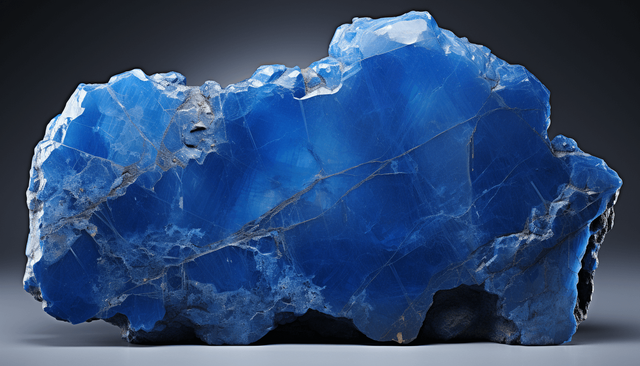
Blue Lace Agate meaning, healing properties, chakra, zodiac link, and how to cleanse, use & buy this calming blue gemstone.