Spiritual
Deja Vu Spiritual Meaning: Why It Happens to You
Discover the spiritual meaning behind deja vu, what ancient cultures believed about it, and what it might be telling you about you…
 KnowMastery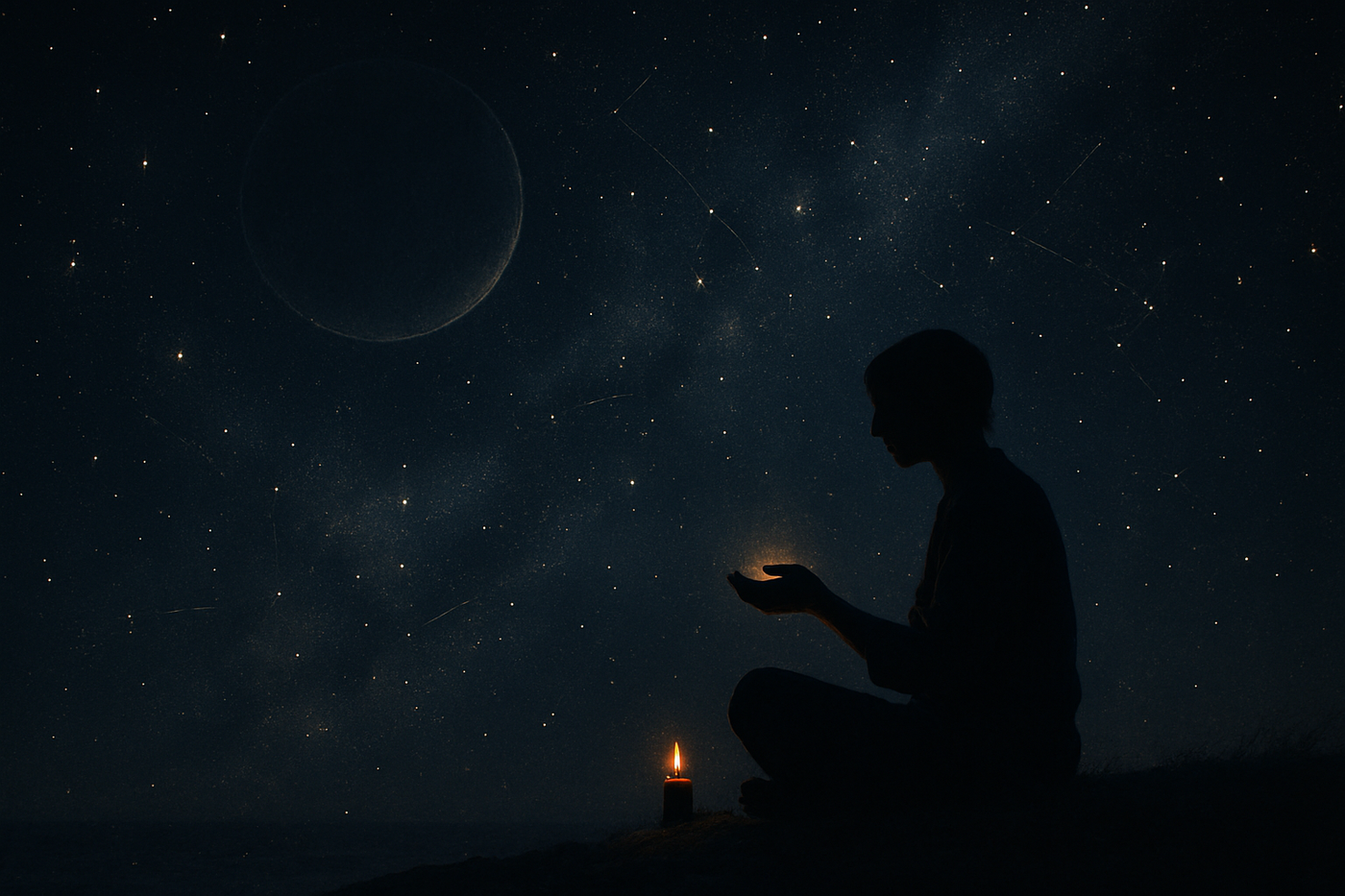
New moon intentions are focused, present-tense statements of what you want to invite into your life, written or spoken during the moon's dark phase, when no moonlight is visible in the sky. Astrologers and spiritual practitioners treat the new moon as a symbolic blank slate - a pause point before the moon begins to wax again - so intentions set now are thought to grow alongside the moon's returning light over the following two weeks. The practice itself is simple: write two to five specific, affirmative statements, then revisit them when the moon turns full.
There is something almost tender about a sky with no moon in it. No glow to guide you home, no silver light spilling across the floor at midnight - just darkness, and the quiet feeling that anything could still happen.
Maybe that is why humans have always paused here, at this dark hinge of the month, to whisper what they hope for. Not because the universe is listening in any provable way, but because saying a wish out loud, under a sky stripped bare of light, has a way of making it feel real.
A new moon occurs when the moon sits directly between the Earth and the sun, so the side facing us is unlit and invisible in the night sky. Astronomically it marks the start of the lunar month; astrologically and spiritually, it is treated as the start of an emotional and energetic cycle - a night of rest, reflection, and quiet planning before the moon's light returns.
Because the new moon is invisible, it is easy to overlook. But its symbolic weight comes precisely from that absence. Where the full moon spiritual meaning centers on culmination, release, and illumination, the new moon represents the opposite pole: incubation, privacy, and the not-yet-visible.
The logic is essentially rhythmic. The moon takes roughly 29.5 days to move from new to full and back to new again, and many spiritual traditions map this cycle onto human intention-setting the way farmers map seasons onto planting and harvest.
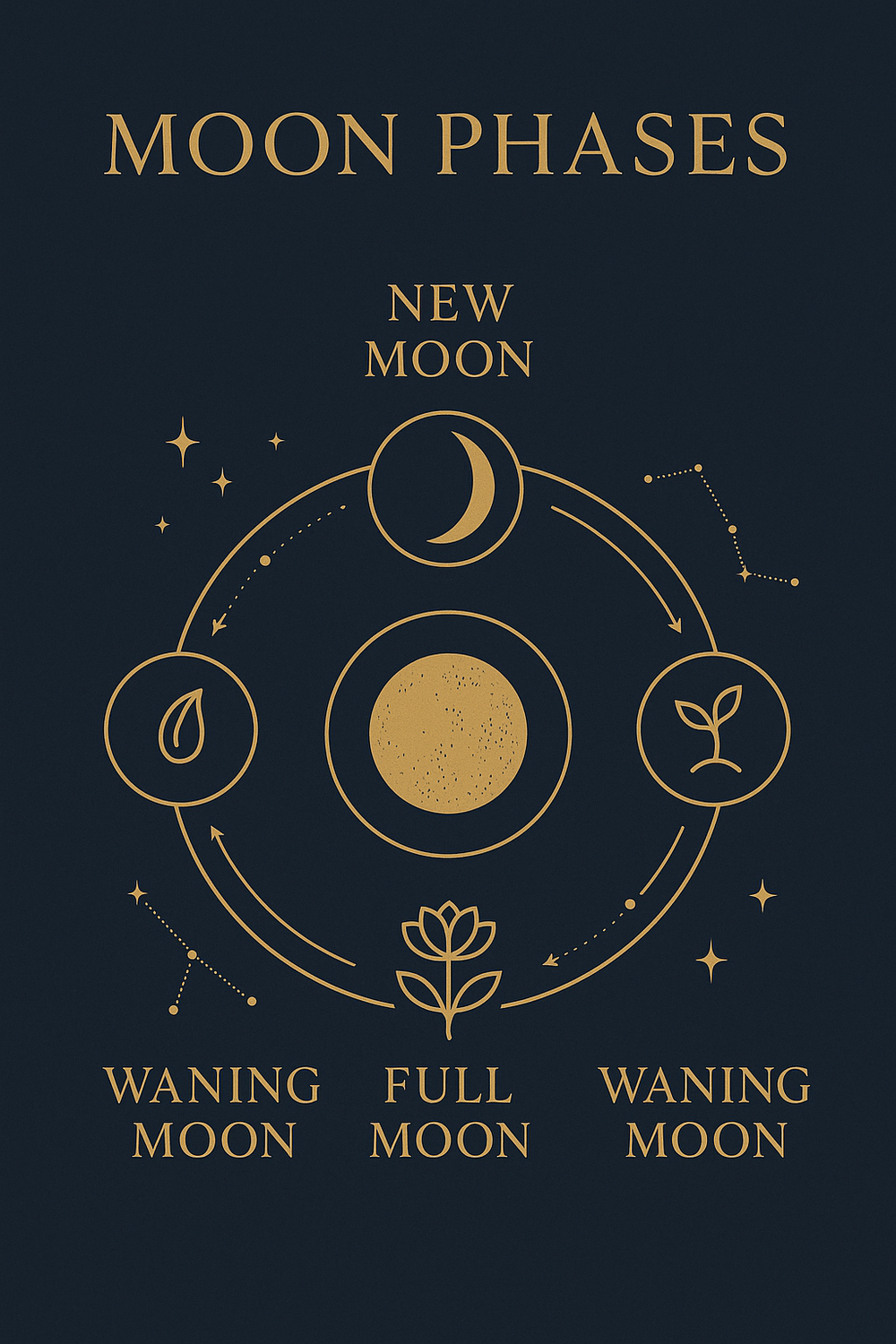
Practitioners describe the new moon as offering a kind of energetic clean slate. Whether or not the moon literally influences human behavior, the ritual itself works psychologically: it gives you a recurring, built-in checkpoint - roughly monthly - to pause, reassess your direction, and recommit. In a culture that rarely stops moving, that structure alone is valuable.
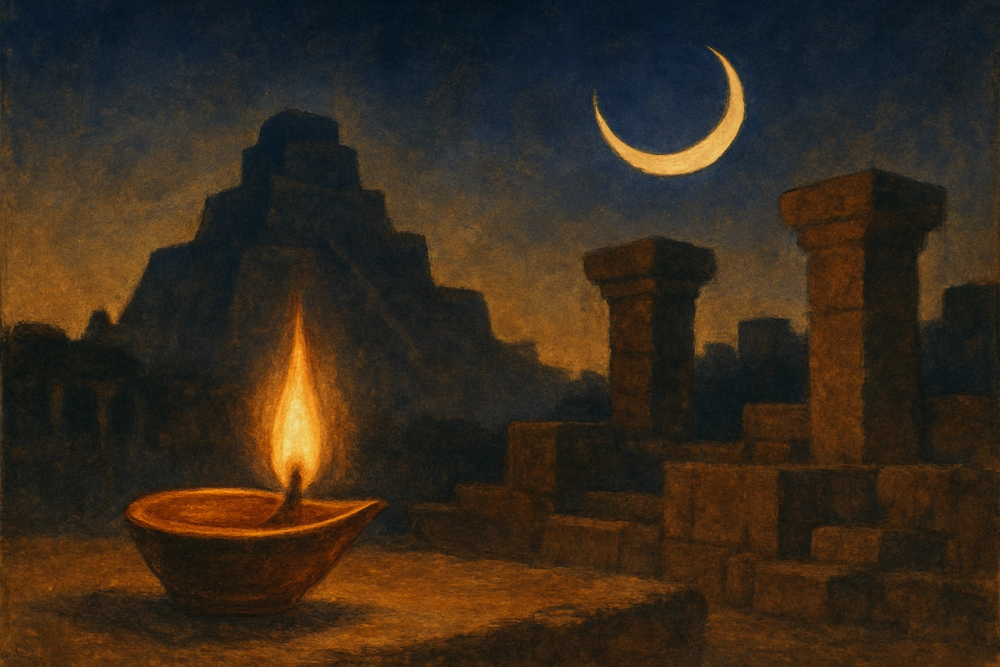
The Babylonian lunar calendar traces back roughly 4,000 years to its Sumerian antecedents, and the new month was marked by the first crescent sighting, at a time when Ur was the chief seat of worship of the moon god Sin, to whom offerings were traditionally made. This is technically the "new crescent" rather than the astronomical new moon, but it cemented an idea still present today: that a fresh lunar cycle is worth marking with ritual.
In Jewish tradition, Rosh Chodesh ("head of the month") marks the new moon as a minor holiday. According to a folk tradition recorded in the Midrash, women were given a partial day of rest from labor on Rosh Chodesh as a reward for refusing to surrender their jewelry toward the golden calf - making it, historically, a day associated especially with renewal and quiet introspection before the working month begins.
In Hindu tradition, the new moon is called Amavasya, a day considered spiritually potent for tarpana - ritual offerings made to deceased ancestors - as well as meditation and letting go of past karma before beginning anew. Certain Amavasya dates that fall on a Monday, known as Somvati Amavasya, are considered especially auspicious for prayer and fasting.
Contemporary Wiccan and neo-pagan practitioners, drawing loosely on earlier European folk customs and Gerald Gardner's mid-20th-century revival of witchcraft, call the monthly moon ritual an "esbat" and treat the new moon esbat as the ideal time for intention-setting, vision boards, and journaling. Many pair the ritual with astrology - the zodiac sign the moon occupies at the moment of the new moon is said to color the flavor of the intentions best suited to that month.
There is no single "correct" ritual - the practice is meant to be personal - but most versions share a similar structure.
Many people begin by tidying their physical space, lighting a candle or incense, or taking a few slow breaths to shift out of an ordinary, task-focused headspace. Some also work briefly with the 7 chakras through short meditation, grounding the body before turning attention toward the mind's intentions.
Ask honestly: What do I actually want right now? Not what should I want, or what would look impressive - what do you want. Journaling prompts that work well include:
Instead of "I want to be more confident," write "I am becoming more confident every day" or "I speak up for myself with ease." Present-tense, affirmative phrasing is preferred because it treats the goal as already unfolding rather than perpetually out of reach.
Rather than listing twenty scattered wishes, most practitioners recommend choosing two to five clear intentions tied to different life areas - for example, one for career, one for relationships, one for inner growth.
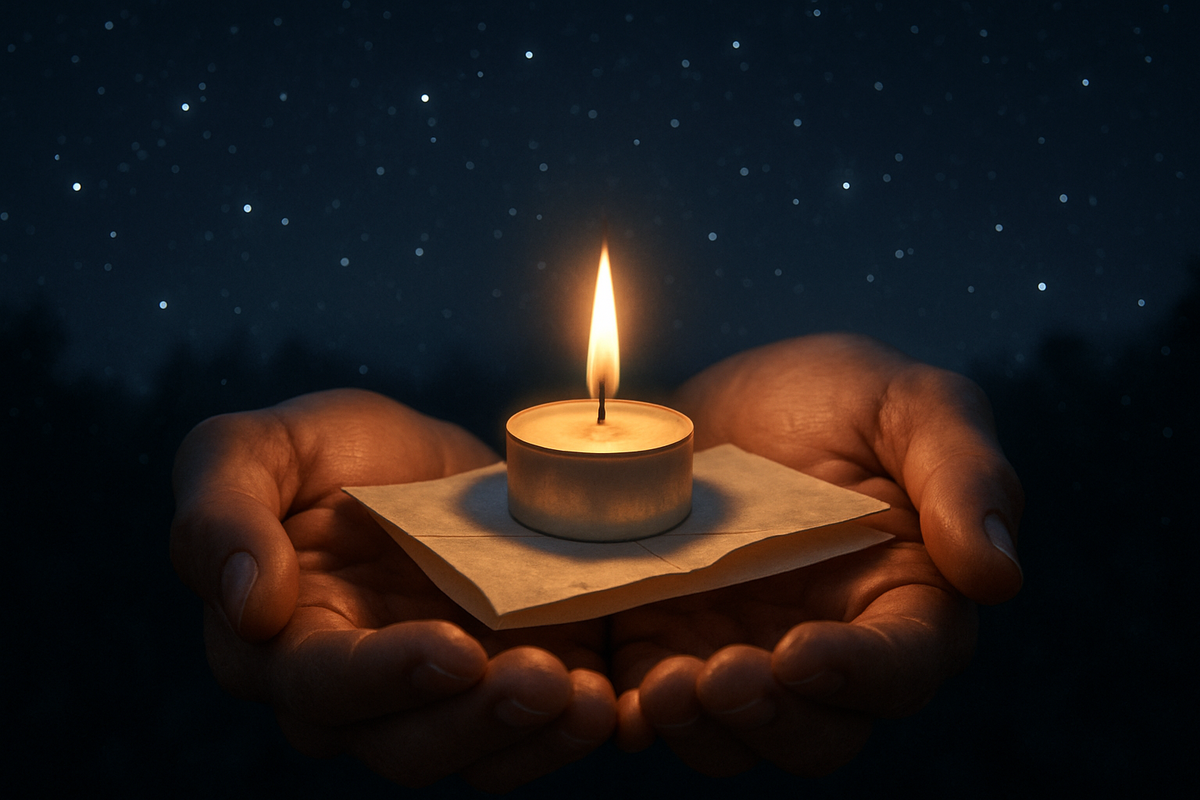
Some people burn the paper safely afterward as a symbol of release into the universe; others fold it and place it under a candle, inside a jar, or beneath a plant that will grow alongside the intention. The act matters less than the intentionality behind it.

Because each new moon falls in a different zodiac sign throughout the year, many astrology-based practitioners tailor their intentions to that sign's themes.
| Zodiac Sign of New Moon | Suggested Intention Focus |
|---|---|
| Aries | Starting new projects, courage, independence |
| Taurus | Financial stability, self-worth, sensory pleasure |
| Gemini | Communication, learning, curiosity |
| Cancer | Home, family, emotional security |
| Leo | Creativity, confidence, self-expression |
| Virgo | Health routines, organization, service |
| Libra | Relationships, balance, fairness |
| Scorpio | Transformation, deep intimacy, letting go |
| Sagittarius | Travel, philosophy, expansion |
| Capricorn | Career, discipline, long-term goals |
| Aquarius | Community, innovation, individuality |
| Pisces | Spirituality, intuition, compassion |
Some dream traditions hold that the new moon's darkness heightens dream recall or produces unusually symbolic dreams, since the mind is thought to be more receptive during low-light lunar phases. In Jungian psychology, periods of external darkness are often read as symbolic invitations to meet the shadow self, which is one reason dreamwork practitioners pay closer attention to material that surfaces near the new moon. People commonly report dreams during this window involving new beginnings, blank rooms, unopened doors, or being handed something unfamiliar - imagery consistent with the new moon's symbolic association with untapped potential. If you keep a dream journal, noting dreams around the new moon alongside your written intentions can reveal whether your subconscious is aligned with, or resistant to, the goals you're setting.
New moon intentions do not require elaborate altars or specialized tools. A notebook, a few quiet minutes, and honest reflection are enough. Some people pair the practice with numerology, choosing intentions that resonate with their personal year number - you can explore this further in our guide to numerology and life path numbers. Others find it meaningful to invite guidance from unseen allies, journaling as though in conversation with their spirit guides before writing final intentions down. Whatever form the ritual takes, the through-line is consistency: showing up at the same recurring monthly touchpoint to ask yourself, honestly, what you want next.
Write two to five clear, present-tense statements about what you want to invite into your life, focused on specific areas like career, relationships, health, or personal growth. Keep the language affirmative and honest rather than vague or complaint-based, so the intention feels like a direction rather than a wish list.
Most practitioners set intentions within 24 to 48 hours of the exact new moon, since the energy is considered strongest closest to the peak of the dark phase. However, setting them anytime within the first few days of the waxing crescent is still considered effective.
There is no scientific evidence that the moon's phase directly influences outcomes, but the ritual works psychologically by creating a recurring monthly checkpoint for reflection and goal-setting. Many people find that the structured, repeated practice increases clarity, motivation, and follow-through, regardless of the astrological framing.
New moon rituals focus on setting intentions and beginning something new, while full moon rituals focus on release, gratitude, and closing out what has run its course. Together they form a two-part monthly cycle of planting and harvesting, as explored further in our guide to full moon spiritual meaning and rituals.
Discover the spiritual meaning behind deja vu, what ancient cultures believed about it, and what it might be telling you about you…

Discover what dreams about being chased really mean, from spiritual signs to psychology, plus what to do the next time it happens.

What dreams about falling really mean, from lost control to spiritual surrender, and what to do once the falling stops feeling ran…