Animal Symbolism
Magpie Symbolism and Spiritual Meaning Explained
What magpie symbolism really means, from folklore and omens to dreams, plus how to respond when this clever bird crosses your path…
 KnowMastery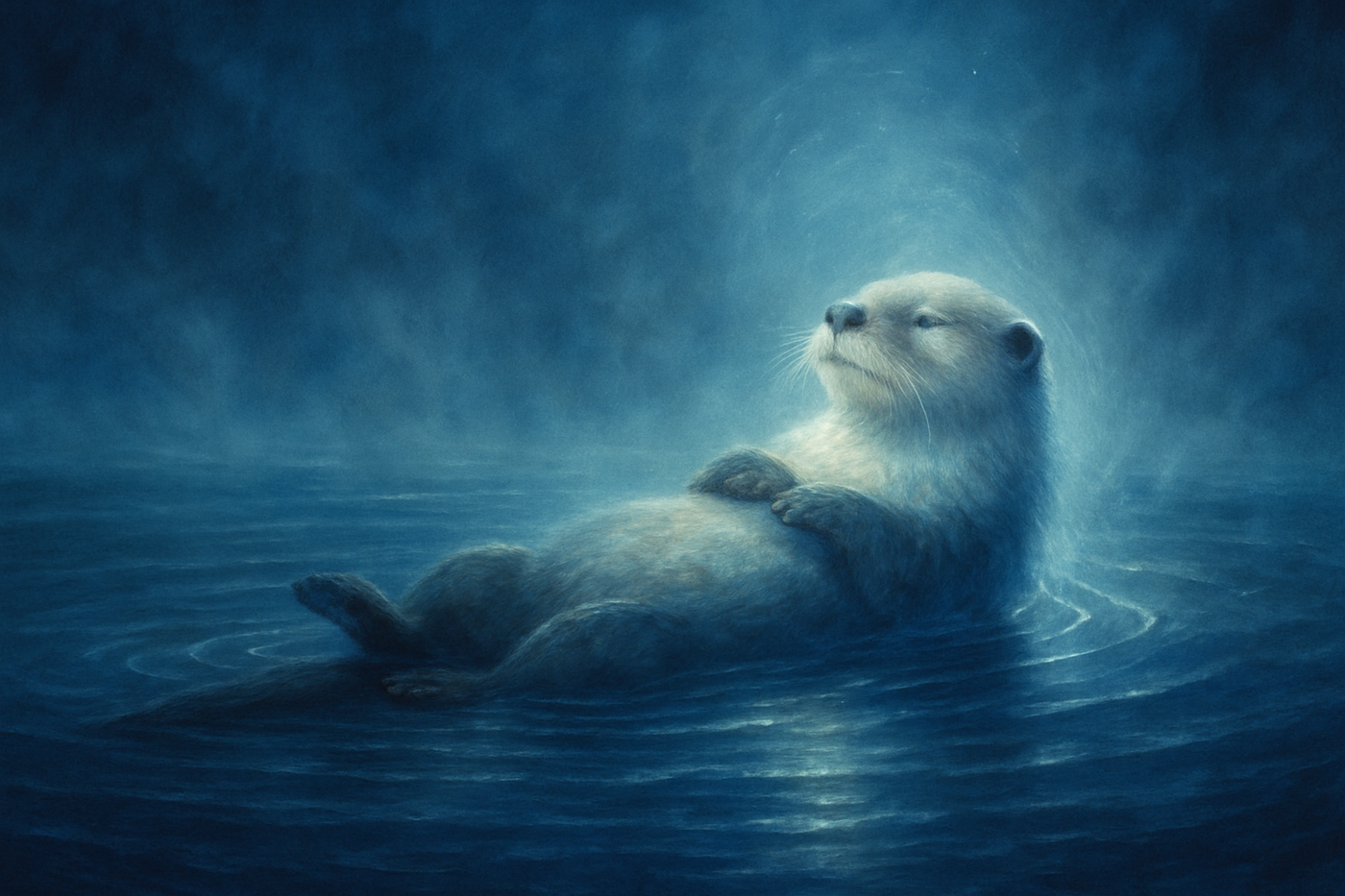
Otter symbolism represents joy, playfulness, resourcefulness, emotional balance, feminine energy, and community. Spiritually, the otter teaches that survival and success don't require constant struggle—life can be approached with curiosity, laughter, and cooperation. Across Native American, British, and East Asian traditions, the otter is linked to feminine energy, community bonds, and the ability to stay light-hearted even in turbulent waters. If an otter has crossed your path, appeared in a dream, or feels like your totem animal, it's likely nudging you to loosen your grip on stress and reconnect with delight.
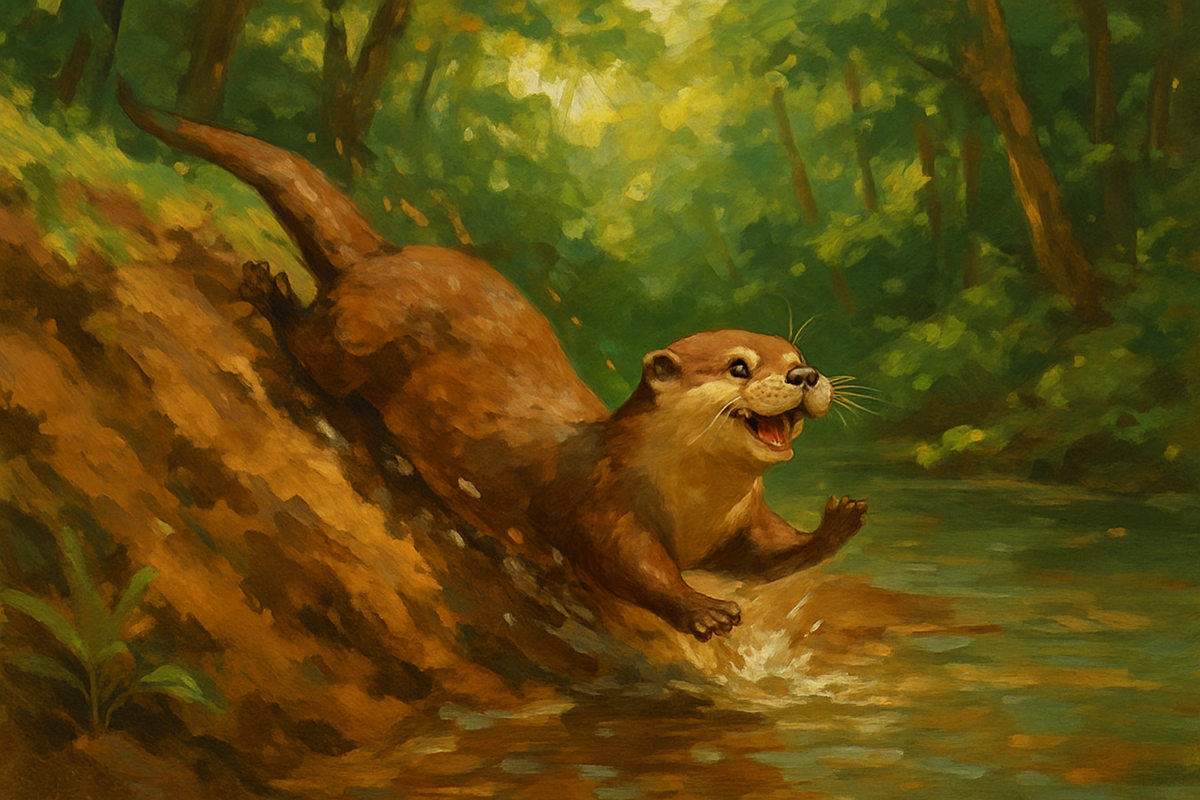
There's something disarming about watching an otter at play. It slides down a muddy bank for no reason other than the sheer fun of it, cracks open a clam with a stone balanced on its belly, and floats on its back holding paws with another otter so the current won't pull them apart while they sleep. In a world that prizes hustle and grit, the otter seems to whisper a different secret.
Maybe that's why this creature has slipped so quietly into our folklore and dream imagery. It doesn't roar like a lion or soar like a hawk—it simply floats, laughs, and endures. And in that quiet endurance, wrapped in humor, lies a spiritual lesson many of us are starving for.
At its core, the otter represents the marriage of playfulness and competence. It is one of the few animals that uses tools, builds strong social bonds, and still finds time to slide down riverbanks purely for enjoyment. Spiritually, this duality suggests that discipline and joy are not opposites—they can, and perhaps should, coexist.
Many spiritual traditions treat joy as a byproduct of enlightenment rather than a path to it. The otter flips that idea. Its constant play is not frivolous; it's a survival strategy that keeps its mind sharp and its social bonds tight. In shamanic animal-medicine tradition, joy is sometimes described as a healing 'vibration' connected to the otter spirit — a belief held within that tradition, not an established medical or scientific claim.
Because otters move gracefully through water—a classical symbol of emotion and the subconscious—they're often associated with feminine, receptive energy. Unlike animals that dominate their environment through force, otters adapt to the river's mood, using its current rather than fighting it. This makes the otter a fitting symbol for emotional intelligence: knowing when to flow, when to float, and when to dive deep.
The otter's spiritual reputation isn't a modern invention—it's rooted in centuries of observation across very different cultures, each interpreting the animal's behavior through their own lens.
In Tlingit and Haida mythology, it is Raven who is cast as the great trickster, while otter spirits appear either as feared shapeshifters (the land-otter kushtaka) or as helper figures such as the sea otter in the Natsilane story; the framing of the otter as a teacher of 'feminine wisdom, curiosity, and playfulness' reflects a modern spirit-animal interpretation rather than documented Tlingit or Haida teaching. The otter totem is often given to those who need to laugh more or who take life too seriously. It's also associated with resourcefulness—otters use rocks as tools to open shellfish, a rare trait among mammals, symbolizing ingenuity and adaptability in the face of obstacles.
Among the Tlingit and Haida, the otter also appears in the legend of the Kushtaka, or "land otter man"—a shapeshifting spirit said to rescue drowning travelers by transforming them into otters, blurring the line between salvation and abduction. This duality reflects the otter's broader role as a guide between worlds: nurturing, but never entirely tame.
In Celtic mythology, the otter is linked to the Otherworld and water spirits, acting as a guide between the physical realm and the mystical unknown. Because otters move fluidly between land and water, they were seen as liminal creatures—beings that could cross boundaries others could not. This connects the otter to intuition and the ability to navigate emotional or spiritual thresholds with grace, much like the swan's association with transformation in European folklore.
That reverence carried into early Christian Britain. The 8th-century Life of Saint Cuthbert, recorded by the Venerable Bede, describes how the Anglo-Saxon monk of Lindisfarne waded into the frigid North Sea each night to pray—and how two otters would emerge afterward to warm and dry his feet with their fur. The story cast the otter as a symbol of quiet devotion and gentle service, proof that even fierce elements soften around genuine humility.
In Chinese folklore, otters (獺, tǎ) were sometimes viewed with suspicion, appearing in Qing-dynasty collections such as Pu Songling's Strange Tales from a Chinese Studio as spirits capable of shapeshifting into human form to test or trick travelers—echoing the more famous fox-spirit legends of the same era. Japanese folklore holds a similar figure in the kawauso, a yōkai otter-spirit believed to transform into beautiful women or elderly men to lead unsuspecting travelers astray near riverbanks. Rather than pure malice, both traditions frame the otter's trickery as a test of character, reinforcing its symbolic ties to cleverness, transformation, and the thin veil between the natural and supernatural worlds.
| Culture | Core Otter Meaning |
|---|---|
| Native American (Tlingit/Haida) | Playfulness, resourcefulness, and shapeshifting guidance between worlds |
| Celtic & Anglo-Saxon (British Isles) | Liminal guide between realms; devotion and gentle service |
| China & Japan | Clever shapeshifter that tests character through trickery |
If the otter is your spirit or totem animal, you likely carry a natural gift for lightening the mood in tense situations. People may be drawn to your energy because you make hard things feel bearable. Unlike the solitary wisdom often attributed to the owl totem, the otter's medicine is social and collaborative—it teaches through laughter and shared play rather than quiet contemplation. But the otter totem carries deeper lessons too.
Dreaming of an otter often reflects your subconscious relationship with joy, emotional flow, or social connection. Because water represents emotion in dream symbolism, the otter's behavior in your dream matters significantly.
| Dream Scenario | Possible Meaning |
|---|---|
| Otter playing in water | You need more lightness and joy in daily life |
| Otter swimming alone | A call to reconnect with your emotional independence |
| Group of otters (raft) | Longing for community or deeper social bonds |
| Otter holding hands/paws | Desire for stable, secure relationships |
| Otter attacking or aggressive | Suppressed frustration hiding beneath a playful exterior |
| Otter on land, out of water | Feeling disconnected from your emotions or intuition |
| Dead or dying otter | The end of a joyful chapter or a warning against losing your lightness |
Unlike more intense dream symbols—such as the transformative sting found in scorpion symbolism—otter dreams tend to be gentler nudges rather than warnings. They typically point toward a need for softness, not danger.
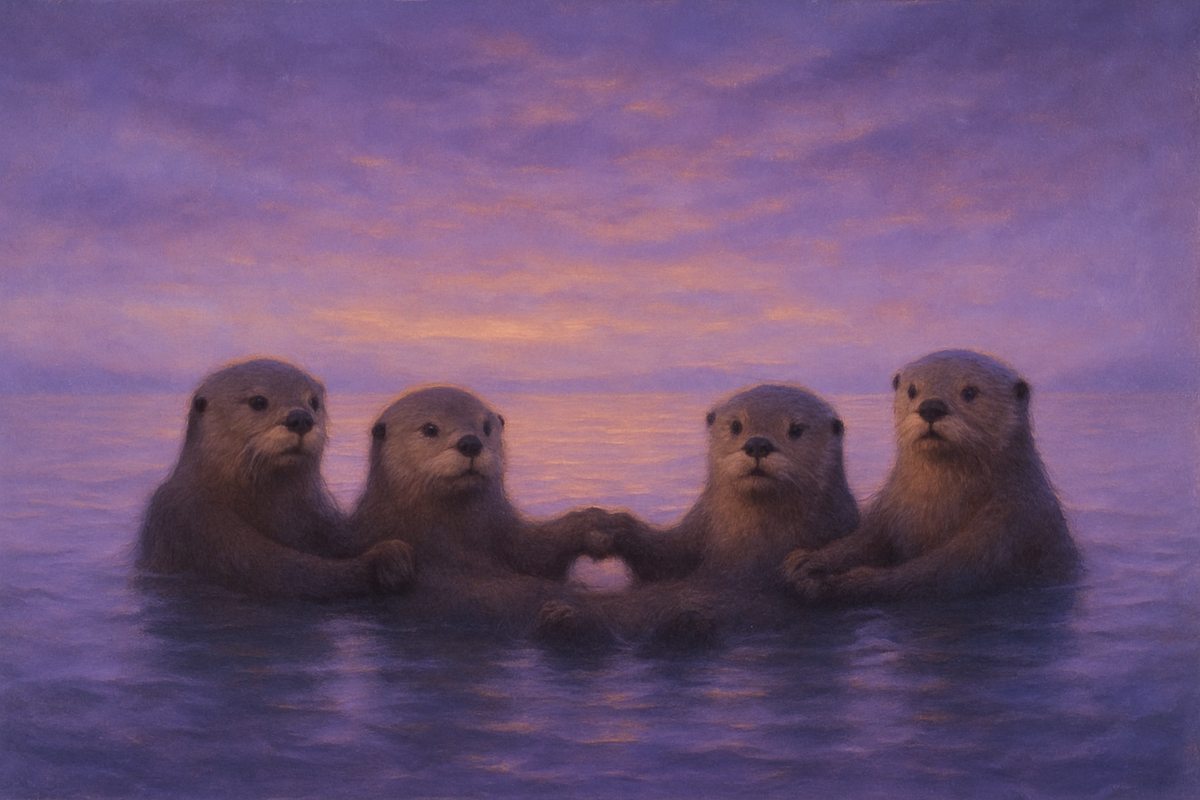
Because otters mate for the season and famously hold paws so they aren't separated while sleeping, they've become a folk symbol of devoted partnership and emotional security. In love readings, seeing an otter can suggest a relationship built on companionship and shared lightness rather than intensity—some even connect this imagery to twin-flame themes, where two people naturally drift back toward each other, much like the reunion symbolism found in hummingbird meaning and twin flame connections. Rather than dramatic soulmate fireworks, otter love symbolism points to steady, playful companionship that keeps both people afloat.
To understand the otter's unique spiritual niche, it helps to compare it with other water-associated creatures in symbolism.
While the crow often signals a serious spiritual message and the swan speaks of elegant transformation, the otter's medicine is refreshingly uncomplicated: don't forget to enjoy the ride. Compared to a fierce, sharp-eyed predator like the hawk, which symbolizes focus, ambition, and aggressive vision, the otter offers a gentler counterbalance—reminding us that softness and ease are just as valid a spiritual strength as sharp-eyed drive.
Whether through a dream, a real encounter, or a persistent pull toward otter imagery, treat this as an invitation rather than a coincidence.
Much like ladybug symbolism often marks small moments of luck and lightness, the otter's appearance is rarely a call to dramatic change—it's a gentle reminder to soften. If you're exploring other totem guides for deeper animal-medicine work, the grasshopper spiritual meaning offers a related lesson in trusting instinct and taking leaps of faith.
Seeing an otter in real life is often interpreted as a sign to bring more playfulness and lightness into your current situation. It can also symbolize a need to strengthen social connections or trust the emotional "current" you're moving through rather than resisting it.
Yes, the otter is widely considered a positive and nurturing spirit animal associated with joy, resilience, resourcefulness, and community. It's especially meaningful for people who tend to take life too seriously or feel isolated, encouraging balance between hard work and genuine enjoyment.
In several Native American traditions, especially among Pacific Northwest coastal tribes like the Tlingit and Haida, the otter symbolizes feminine energy, curiosity, and clever adaptability, often tied to its tool-using behavior and the shapeshifting Kushtaka legend. It's frequently seen as a teacher of playfulness and a totem for those needing more lightness in their spiritual path.
Dreaming of otters holding paws typically reflects a deep desire for emotional security and connection, since otters do this in real life to avoid drifting apart while sleeping. It can suggest you're craving stability in a relationship or seeking reassurance that a bond in your life is secure.
Otters aren't directly named in most biblical texts, so their symbolism here is more folkloric than scriptural—drawing instead from Christian legends like the Life of Saint Cuthbert, where otters warmed a praying monk's feet. In that tradition, the otter came to represent humble service, gentleness, and creation responding to genuine devotion.
An otter tattoo commonly symbolizes joy, playfulness, and strong social bonds, making it a popular choice for people who value close friendships or family ties. Some also choose otter ink to represent resilience through hardship, since the animal thrives even in cold, difficult waters while still finding room to play.
Encountering a dead otter, whether in real life or in a dream, is often read as a symbolic end to a period of joy, ease, or playful connection—a nudge to examine where you've lost your sense of lightness. It isn't typically viewed as an ominous or fearful sign, but rather a call to consciously reclaim the joyful energy the otter represents before it's gone entirely.
In love and twin-flame symbolism, the otter represents steady companionship, emotional security, and a bond strong enough to withstand life's current—much like otters holding paws so they aren't swept apart. Rather than intense soulmate drama, otter love symbolism points toward playful partnership and a relationship where both people feel safe being light-hearted together.
What magpie symbolism really means, from folklore and omens to dreams, plus how to respond when this clever bird crosses your path…
What the manta ray spirit animal really means: grace, freedom, intuition, and real stories from Hawaii to Indonesia.
What does a peacock symbolize spiritually? Explore its meaning in dreams, feather colors, love, mythology, and everyday sightings.