
Crystal & Stones
Moss Agate Meaning: Healing Properties, Benefits & Uses
Discover Moss Agate's meaning, healing properties, chakra, and zodiac connections — plus tips to identify genuine stones and care …
 KnowMastery
Smoky quartz is a brown to black variety of quartz, prized as a grounding and protective stone in crystal healing. It forms when natural background radiation reaches quartz containing trace aluminum, turning the crystal from clear to smoky gray, brown, or near black over thousands of years. In spiritual practice, it's tied to the root chakra, emotional release, and clearing heavy energy from a room or a body. Unlike stones said to banish darkness outright, smoky quartz is described as absorbing it, holding the weight so you don't have to carry it alone.
There's something steadying about holding a piece of smoky quartz. It doesn't catch light and throw it back the way amethyst or citrine does. It just sits in your palm, cool and solid, like a hand on your shoulder telling you to breathe.
People reach for it during hard seasons: after a loss, in the middle of a move, on the nights when sleep won't come. It doesn't promise to fix anything. It asks you to stay grounded while you work through it.
Smoky quartz belongs to the quartz family, the same mineral group as amethyst, citrine, and clear quartz. Its color runs from pale smoky gray to a near black shade called morion, a name the ancient Greeks used for the darkest variety. The color comes from natural irradiation, usually from surrounding granite, though some commercial stones are clear quartz that has been irradiated in a lab to darken it artificially.
The name is simple description: it looks like smoke trapped in crystal. Large deposits come from Brazil, Switzerland, Madagascar, Scotland, and the United States, particularly Colorado and Maine. Scottish smoky quartz, called cairngorm after the Cairngorm Mountains where it was mined, has centuries of history in Highland dress. Like other quartz varieties, it rates a 7 on the Mohs hardness scale, which is why it holds up well in rings and bracelets worn every day.
Smoky quartz is considered one of the most grounding stones used in crystal work. It's tied to the root chakra, the energy center at the base of the spine connected to safety, stability, and survival instinct. When this chakra feels blocked, people often describe anxiety, scattered thinking, or a sense of being disconnected from their own body.
Working with smoky quartz is said to pull that scattered energy back down to earth rather than lifting attention upward the way stones tied to the crown or third eye chakra do. It's also linked to:
Because it roots rather than elevates, smoky quartz is a favorite among people who feel scattered or spacey after intense spiritual work, including those who also keep higher-vibration stones like amethyst in rotation. It's often described as a stone you reach for the morning after a big emotional release, when you need to feel steady in your own skin again.
Smoky quartz carvings appear in Roman jewelry and seal rings, where the dark stone was engraved with images of gods and used to stamp wax seals on official documents. In ancient Egypt, dark quartz shows up occasionally in amulets, though it never reached the popularity of carnelian or lapis lazuli in burial goods.
In China, smoky quartz was cut into lenses for early sunglasses as far back as the 12th century. Court judges reportedly wore them during questioning, not for sun protection but to hide their eye expressions from witnesses and defendants. The stone was called tea crystal for its brownish tint, and pairs of these lenses still turn up in museum collections of Qing dynasty artifacts.
In Scotland, cairngorm smoky quartz became a defining feature of Highland dress starting in the 17th and 18th centuries. It was set into the hilts of sgian-dubh knives, kilt pins, and brooches worn with tartan. Queen Victoria's fondness for Scotland in the 1800s increased demand for cairngorm jewelry across Britain, and pieces from that era still circulate among antique dealers today.
In Tibetan Buddhist practice, dark quartz has been strung into prayer malas as a grounding counterpart to clearer stones, meant to keep practitioners rooted during long meditation sessions. Druidic tradition in the British Isles is said to have linked dark quartz to the earth element and used it in rituals tied to the land and harvest cycles, though written records from that period are thin and much of what survives comes through oral tradition passed down by later Celtic revivalists.
In crystal healing practice, smoky quartz is used for both emotional and physical support. It is not a substitute for medical care, but it shows up often in wellness routines built around stress, grounding, and sleep.
| Aspect | Associated Property |
|---|---|
| Chakra | Root chakra (base of spine) |
| Element | Earth |
| Emotional use | Releasing grief, fear, and anger; easing anxiety |
| Physical use | Supporting restful sleep; easing tension in the lower back and legs |
| Energetic use | Absorbing negative energy; buffering against psychic drain |
| Best paired with | Clear quartz for amplification, black tourmaline for extra protection |
Not all smoky quartz looks or behaves the same in practice. Darker stones are generally treated as stronger for grounding, while lighter stones are gentler and better suited to daily wear.
| Shade | Typical Use |
|---|---|
| Light smoky gray | Gentle grounding, everyday jewelry, beginners |
| Medium brown | General emotional release, meditation |
| Deep black (morion) | Strong protection, clearing heavy or stagnant energy |
| Smoky citrine blend | Combines grounding with manifestation and confidence |
Most smoky quartz sold today is genuine, but a few imitations do turn up. Glass versions feel lighter than natural stone and often contain tiny air bubbles visible under light, something real quartz never has. Natural smoky quartz usually shows color zoning, meaning the brown or gray tone looks slightly uneven rather than flat and uniform throughout the stone.
Lab-irradiated clear quartz is still real quartz, just artificially darkened, and it behaves the same way in jewelry and crystal work. If you want naturally formed stone specifically, ask the seller where it was mined. Scottish cairngorm, Brazilian smoky quartz, and stones from Colorado's Lake George district are commonly labeled by origin and tend to carry a higher price than unlabeled, irradiated pieces.
Dreaming of smoky quartz is often read as a sign that you're processing buried emotions. A dream where the stone looks dark or cracked may point to unresolved anger or grief surfacing closer to the top than you realized. If the stone appears clear and glowing within the dream, it can suggest you're close to releasing something that has weighed on you for a long time.
Some dream interpreters read losing the stone in a dream as a fear of losing your sense of stability, while finding one buried in the ground can suggest you're uncovering strength you didn't know you had. Either way, the common thread is a nudge to slow down and reconnect with your body instead of staying lost in your thoughts.
Smoky quartz works into daily routines without much effort. Here are practical ways people use it:
Because it's a quartz variety, smoky quartz holds up fine for daily wear in rings or bracelets. To cleanse it, running water, moonlight, or smoke from dried herbs all work. Skip long stretches in direct sunlight though, since prolonged heat and UV exposure can fade the color over months or years.
If you're new to grounding stones, start by simply carrying one in your pocket for a week and noticing how you feel at the end of stressful days. There's no required ritual. The stone does its work quietly, through touch and repetition rather than ceremony.
Smoky quartz is linked most often to earth signs because of its grounding nature, though it's used across the zodiac. Capricorn gets paired with it for shared themes of endurance and patience, while Scorpio is drawn to its connection with releasing buried emotion. If you're building a personal crystal collection by sign, it pairs well with stones recommended in guides like Virgo's crystal picks or Libra's balancing stones, since grounding energy complements both practical Virgo energy and Libra's search for equilibrium. Air signs looking for more stability can also check how Aquarius crystal recommendations balance airy detachment with earthier stones like smoky quartz.
Smoky quartz is used to ground scattered energy, clear negative or stagnant vibrations, and support the release of old emotional weight like grief or fear. It works mainly through the root chakra, helping you feel more stable and present in your body rather than stuck in your head.
Yes, smoky quartz is widely considered protective because it's believed to absorb negative energy rather than simply reflect it away. People often keep it near entryways or carry it during stressful situations to buffer against draining people or environments.
Yes, placing smoky quartz under your pillow or on a nightstand is a common practice for easing anxious thoughts before sleep. Some people say it helps with nightmares, since it's thought to absorb restless or heavy energy lingering in the room.
Running water, moonlight, and smoke from dried herbs are gentle, safe ways to cleanse smoky quartz. Avoid leaving it in direct sunlight for long periods, since this can gradually lighten its natural color over time.
Discover Moss Agate's meaning, healing properties, chakra, and zodiac connections — plus tips to identify genuine stones and care …
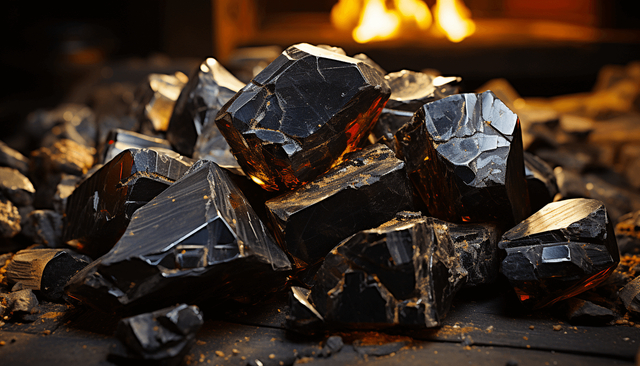
Discover Black Onyx's true meaning: protective powers, chakra and zodiac ties, key benefits, and how to spot a genuine stone.
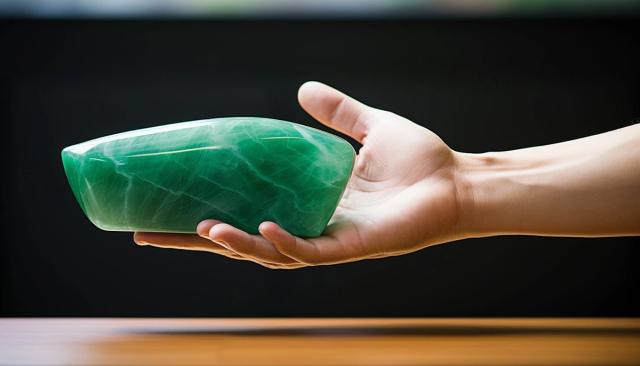
Discover Jade's meaning, healing properties, chakra connections & spiritual uses. Learn to identify, cleanse, and choose authentic…