
Symbols
Cherry Blossom Meaning: Symbolism, Culture & Spiritual Significance
What do cherry blossoms symbolize? Explore sakura's meaning in Japan, China & the West—impermanence, renewal, love, and dream inte…
 KnowMastery
A symbol of loyalty is any image, animal, color, or object used to represent faithfulness, devotion, and unwavering commitment — and the sunflower is one of the most enduring examples, prized for its habit of turning its face to follow the sun across the sky. Beyond flowers, loyalty is also represented by animals like dogs and wolves, colors like blue and gold, and objects like the anchor. The sunflower earns its place among these symbols because of heliotropism: its constant, faithful orientation toward light, which ancient cultures interpreted as devotion, warmth, and optimism.
There is something quietly moving about a flower that refuses to look away from the light. Long after the sun has scorched the fields and the air has gone still with summer heat, the sunflower keeps its face turned upward, patient and unashamed in its devotion.
Maybe that is why we love it so much. In a world full of fleeting affections, the sunflower feels like a promise kept. It does not wilt in the shade out of spite, nor does it hide its bright yellow petals out of modesty. It simply grows tall, faces the light, and waits for tomorrow's sunrise.
This quiet loyalty is exactly why the sunflower has become such a powerful emotional symbol — one that spans continents, centuries, and belief systems, from the sacred fields of the Aztecs to the sunlit canvases of Vincent van Gogh.
At its core, the sunflower carries three intertwined meanings:
Beyond these three pillars, sunflowers are also associated with longevity, good luck, nourishment (thanks to their edible seeds), and even worship, since many ancient peoples saw the sun itself as divine.
The sunflower isn't the only enduring symbol of faithfulness. Across cultures and centuries, certain animals and colors have earned the same reputation for steadfast devotion, and understanding them helps explain why loyalty imagery feels so universal.
Dogs are the most widely recognized animal symbol of loyalty, celebrated for thousands of years of unconditional devotion to their owners — a bond so strong they're often called "man's best friend." Wolves symbolize loyalty through their tight-knit pack structure, where members hunt, protect, and raise young together with fierce commitment. Geese and swans are also classic loyalty symbols because they typically mate for life, often staying paired with the same partner through migration, nesting, and old age.
Blue is the color most universally associated with loyalty, trust, and dependability — it's why so many corporate logos, military uniforms, and school colors lean on blue to signal reliability. Gold also represents loyalty and devotion, often tied to the idea of enduring, precious commitment, which is part of why gold accents appear so often in wedding rings and loyalty medals.
For a steadfastness symbol beyond flowers, animals, and colors, the anchor has long represented hope, stability, and unshakable loyalty, especially in nautical and maritime traditions where sailors relied on it to hold fast against the pull of the sea.
Young sunflowers exhibit heliotropism, turning from east to west during the day and resetting to face east again before dawn. Once mature, most sunflowers stop tracking the sun and settle into a permanent east-facing position, which actually helps warm the flower head faster in the morning and attract more pollinators. Botanists have traced this behavior to growth hormones that respond to light and an internal circadian rhythm — but symbolically, humans have always preferred the more poetic explanation: that the flower simply loves the sun too much to look away.
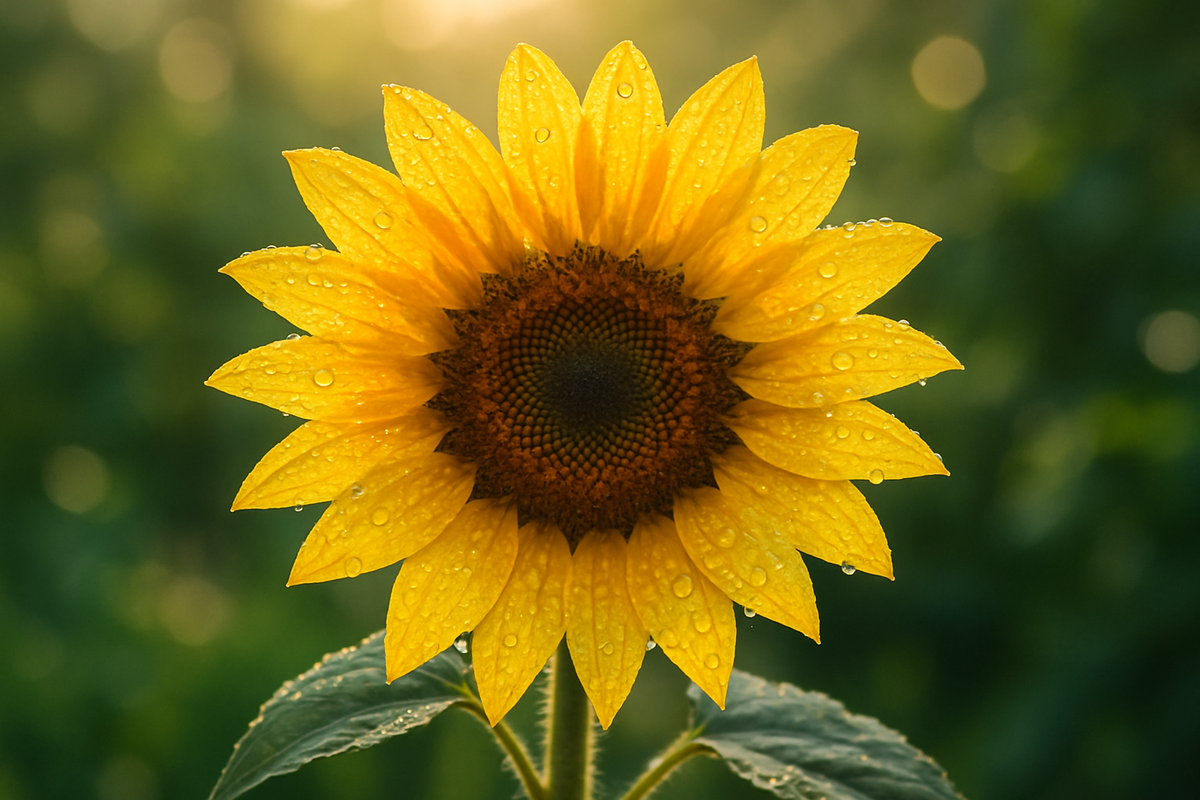
Spiritually, the sunflower is often seen as a messenger of faith and positivity. Because it orients itself toward light rather than darkness, many spiritual traditions view it as a symbol of seeking truth, enlightenment, and divine guidance. Just as the flower cannot force the sun to rise, it teaches patience — trusting that light will return even after the darkest night.
In many New Age and metaphysical practices, the sunflower is linked to the solar plexus chakra, the energy center associated with confidence, willpower, and personal identity. Meditating with sunflower imagery or keeping fresh sunflowers at home is believed to boost self-esteem, mental clarity, and inner warmth, much like the golden light it represents.
Some practitioners compare the sunflower's spiritual message to concepts found in Yin Yang philosophy, where the balance between light and dark, growth and stillness, mirrors the sunflower's daily cycle of turning toward and resting from the sun. Others draw a parallel to the hamsa, another protective symbol believed to ward off negativity and invite blessings, much like the sunflower's reputation as a guardian of positivity and light.
Few flowers carry as many distinct cultural fingerprints as the sunflower, which has been sacred, poetic, and political across very different societies.
Long before Europeans encountered the sunflower, it was already sacred to Indigenous peoples of the Americas, where the plant originated. According to Spanish chroniclers, it was the Inca, not the Aztecs, who venerated the sunflower as an image of their sun god Inti, and Inca sun priestesses served in gold-covered temples, though no reference source describes them wearing sunflower crowns. For many Native American tribes, including the Hopi and the Zuni, sunflowers symbolized harvest, provision, and gratitude, since the seeds provided food, oil, and dye. Sunflower imagery frequently appeared in pottery and textiles as a mark of abundance and life-giving energy.
In Greek mythology, the sunflower's origin is tied to the tragic myth of Clytie, a water nymph who fell hopelessly in love with Apollo, the sun god. When Apollo rejected her for another, Clytie sat on the ground for nine days without food or water, staring at the sky as Apollo's chariot crossed it each day. The gods, moved by her devotion, transformed her into a flower that would forever turn its face to follow the sun. The original myth actually describes a heliotrope rather than the sunflower we know today, but the story became permanently linked to sunflowers in later European retellings, cementing the flower's association with unrequited love, loyalty, and eternal devotion.
During the Victorian era, when flowers carried coded emotional meanings, the sunflower represented adoration, loyalty, and "pure and lofty thoughts." Giving someone a sunflower was a quiet declaration of steadfast admiration. In Christian symbolism, the sunflower's constant orientation toward the sun has been used as an allegory for the soul turning toward God, a visual reminder to keep faith fixed on divine light rather than earthly distractions — a theme echoed in the devotional purpose behind objects like the purity ring, which also symbolizes steadfast commitment.
The sunflower's symbolic reach extends well past ancient myth. It is the official state flower of Kansas, nicknamed "The Sunflower State," representing agricultural abundance across the American Midwest since the early 1900s. More significantly, the sunflower is the national flower of Ukraine, where vast fields have long supplied the country's sunflower oil industry. Since Russia's 2022 invasion, the flower has taken on a new layer of meaning worldwide — a symbol of resilience, peace, and defiant hope, worn on lapels and painted on murals from Kyiv to international protest signs.
While the classic golden-yellow sunflower is the most iconic, hybrid varieties come in a range of colors, each carrying a slightly different symbolic nuance. It's worth noting that sunflower colors and general loyalty colors aren't always the same thing — a sunflower's own palette leans toward warmth and joy, while broader loyalty symbolism (outside of flowers) often points to cooler tones like blue.
| Sunflower Color | Primary Meaning |
|---|---|
| Golden Yellow | Joy, warmth, loyalty, positivity |
| Deep Orange | Energy, enthusiasm, confidence |
| Red / Burgundy | Passion, deep devotion, intense love |
| White / Cream | Peace, purity, new beginnings |
| Pale Yellow | Gentle happiness, friendship |
| Note: General Loyalty Colors | Blue and gold are the colors most associated with loyalty overall, distinct from the sunflower's own natural color range |
Dreaming of sunflowers is generally considered a positive omen, though the details of the dream shape its deeper meaning.
As with most flower symbolism in dream interpretation, context and emotion matter more than the image itself — a dream of sunflowers during a difficult time in your life might be your subconscious reminding you to keep facing the light, much like the flower does. This kind of guidance-through-symbols is also central to dream catcher meaning, another tradition rooted in the idea that dreams carry protective or directional messages from beyond the waking world.
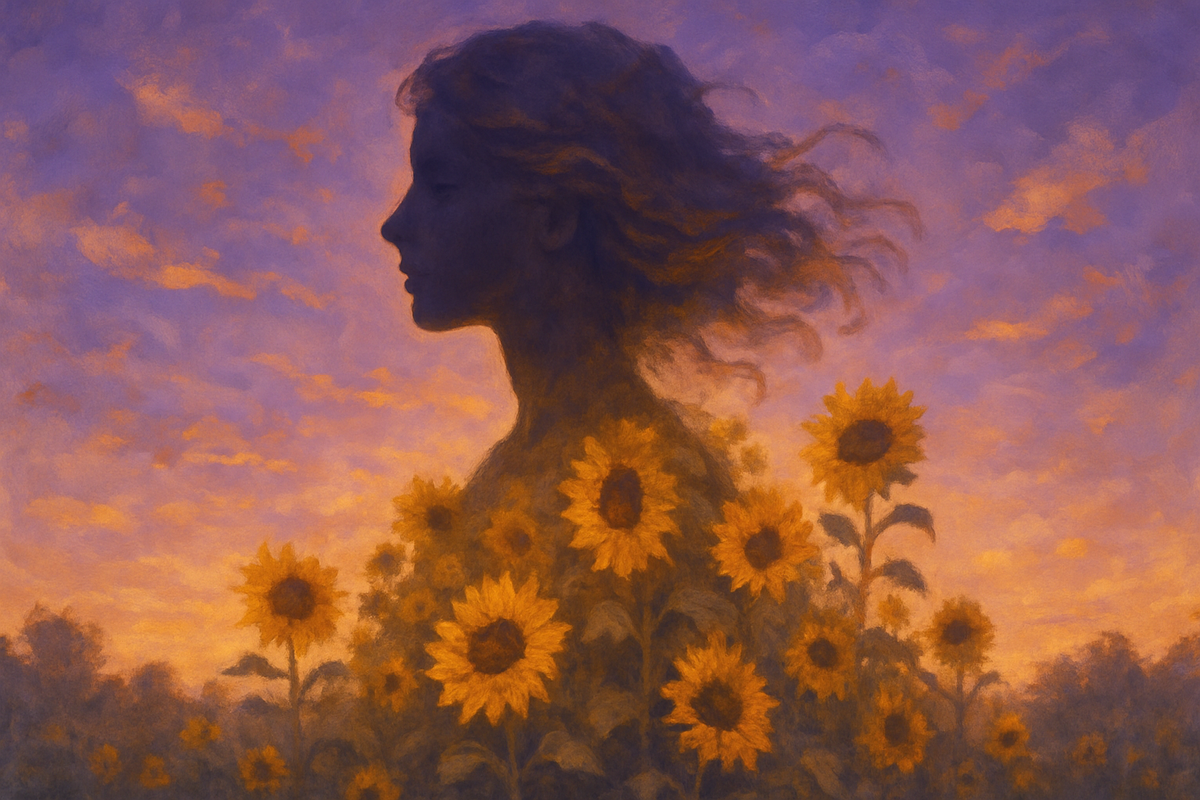
No discussion of sunflower meaning is complete without mentioning Vincent van Gogh, whose iconic "Sunflowers" series turned the flower into one of the most recognizable symbols in Western art. Van Gogh painted the series partly as a gesture of friendship and welcome for fellow artist Paul Gauguin, imbuing the vibrant yellow blooms with warmth, gratitude, and hope during one of the most turbulent periods of his life. The paintings have since become cultural shorthand for joy tinged with vulnerability — much like the flower itself, radiant yet fragile.
Literary works across centuries have also used the sunflower as a metaphor for aspiration and unattainable love, echoing the emotional weight carried by other enduring symbols of devotion, such as rings, crowns, and hearts exchanged as lasting tokens of commitment.
You don't need a mythology degree to bring sunflower symbolism into your everyday life. Here are a few meaningful ways to do it:
Sunflower tattoos have surged in popularity as a way to permanently mark devotion — to a partner, a parent, a lost loved one, or even to oneself, as a reminder to "keep facing the light." Many people choose sunflower tattoos after difficult life chapters, using the flower's resilience and sun-seeking nature as a symbol of recovery and renewed hope. Placement and companion imagery vary widely, but the core message stays consistent: a promise to keep growing toward the light, no matter how dark the season.
Spiritually, the sunflower represents faith, positivity, and devotion because of its habit of turning toward the sun. It is often linked to the solar plexus chakra and seen as a symbol of seeking light, truth, and inner confidence even during dark or uncertain times.
Giving a sunflower typically communicates admiration, loyalty, and warm, genuine affection. Unlike roses, which often signal romance, sunflowers are more commonly associated with platonic devotion, friendship, and heartfelt gratitude.
The sunflower earned its reputation for loyalty because young flowers physically track the sun's movement across the sky, always facing its light. This constant, faithful orientation became a natural metaphor for unwavering devotion in cultures ranging from ancient Greece to the Aztec empire.
A sunflower tattoo generally symbolizes loyalty, resilience, and joy, and is often chosen to honor a loved one or mark personal growth after hardship. Many people get sunflower tattoos as a daily reminder to stay hopeful and "keep facing the light," regardless of life's challenges.
Dogs are the most widely recognized animal symbol of loyalty, thanks to their unconditional devotion to their owners. Wolves, geese, and swans are also strong symbols of loyalty, valued for their lifelong bonds with pack members or mates.
Blue is the color most commonly associated with loyalty, trust, and dependability, which is why it appears so often in uniforms, flags, and logos meant to signal reliability. Gold is also linked to loyalty, symbolizing enduring, precious commitment.
Common symbols of loyalty include the sunflower, the dog, the anchor, the color blue, and the forget-me-not flower, each representing steadfastness in a different way. Together, these symbols span nature, color, and object-based imagery, showing just how universal the concept of loyalty is across cultures.
What do cherry blossoms symbolize? Explore sakura's meaning in Japan, China & the West—impermanence, renewal, love, and dream inte…
Discover lavender's true meaning—serenity, grace, and calm—through history, spirituality, dream symbolism, and practical rituals.
Explore the top symbols and animals for loyalty, from anchors and Claddagh rings to wolves, plus tattoo ideas and meanings across …