
General
The Greatest Warriors of All Time: A Comprehensive Guide
Throughout history, warriors have shaped the destiny of nations, led revolutions, and embodied ideals of bravery, skill, and honor…
 KnowMastery
 ![Surgical vs. Stainless Steel: 10 Key Differences You Need to Know [Expert Guide]](https://cdn.sanity.io/images/95ij27ee/production/5ede7dec1ac37b50b03109e5e7f46991b9770805-1792x1024.jpg?w=1400&auto=format&q=75)
Are you puzzled by the differences between surgical and stainless steel? You’re not alone. These two materials often cause confusion, but understanding their unique properties is crucial for making informed decisions in various industries.
In this expert guide, we’ll uncover 10 key differences between surgical and stainless steel that you need to know. We’ll explore:
Whether you’re in healthcare, manufacturing, or simply curious about metals, this comprehensive comparison will equip you with valuable insights. Let’s dive into the world of steel and discover which type best suits your needs.
Ever wondered about the difference between the knife in your kitchen and the scalpel in a surgeon’s hand? Both might look similar, but they’re worlds apart when it comes to their composition and uses.
Let’s dive into the 10 key differences between surgical steel and stainless steel:
Stainless steel is like a superhero team. It’s mostly iron, with about 10% chromium and sometimes other metals joining the party. Surgical steel, on the other hand, is the elite special forces of the steel world. It’s a more refined version with stricter standards.
Imagine chromium as a protective shield. Stainless steel has enough to resist rust, but surgical steel? It’s got even more, making it nearly invincible against corrosion.
If stainless steel is waterproof, surgical steel is like a submarine. It can withstand the harshest environments, including the human body.
Think of stainless steel as filtered water and surgical steel as distilled water. Surgical steel is much purer, with fewer impurities.
Stainless steel is like a friendly neighbor. Surgical steel? It’s your best friend who never causes trouble. It’s designed to be completely safe inside the human body.
Some people might sneeze around stainless steel due to its nickel content. Surgical steel, however, is hypoallergenic – it’s the steel equivalent of a non-shedding pet.
Stainless steel is the jack-of-all-trades, used in kitchens, cars, and skyscrapers. Surgical steel is the specialist, focusing on medical instruments and implants.
If stainless steel is business class, surgical steel is first class. It’s more expensive due to its superior qualities.
Stainless steel needs regular cleaning. Surgical steel? It’s like a self-cleaning oven, requiring minimal maintenance to stay in top shape.
Stainless steel comes in many varieties. Surgical steel, however, adheres to strict medical standards, like an Olympic athlete following a rigorous training regimen.
💡 While both surgical and stainless steel are corrosion-resistant alloys, surgical steel stands out with its higher purity, enhanced biocompatibility, and specialized medical applications.
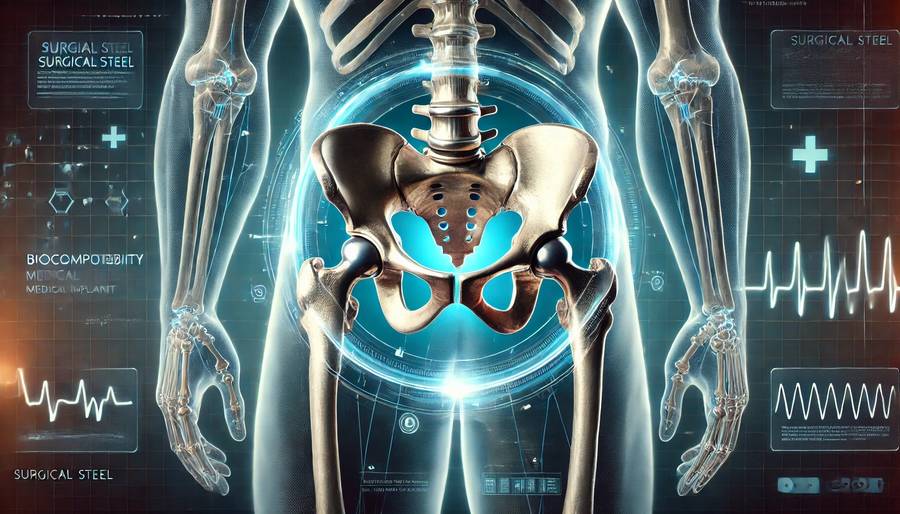
Stainless steel is like a chameleon in the world of metals. It’s versatile, durable, and found in more places than you might think.
At its core, stainless steel is a type of low-carbon steel. It’s not just one material, but a family of steel types. The magic ingredient? Chromium.
Stainless steel’s chromium content is what gives it its superpowers. With at least 10.5% chromium, it forms a protective layer that keeps rust at bay.
But chromium isn’t the only player. Depending on the type of stainless steel, you might find nickel, molybdenum, or other elements in the mix. Each addition tweaks the properties, creating a range of stainless steels for different uses.
💡 Stainless steel is a low-carbon steel alloy with at least 10.5% chromium, offering versatility and corrosion resistance for various applications.
Imagine chromium as a loyal bodyguard for iron. When exposed to oxygen, it forms a thin, invisible layer called chromium oxide. This layer is like an impenetrable force field.
The chromium oxide creates a stable oxide bond on the surface of steel. It’s self-healing too! If scratched, it reforms, constantly protecting the metal beneath.
The more chromium, the stronger the defense. Some stainless steels boast high concentrations of chromium, up to 30%, for ultimate corrosion resistance.
💡 Chromium in stainless steel forms a self-healing protective layer, providing crucial corrosion resistance.
Surgical steel is like the valedictorian of the stainless steel class. It’s a term that turns heads in the medical world, but here’s the twist – there’s no formal definition.
Think of surgical steel as a star athlete. It’s stainless steel that’s trained hard to meet the strict demands of the medical field. It’s often referred to as surgical stainless steel or medical grade steel.
While all surgical steel is stainless steel, not all stainless steel makes the cut to be surgical. It’s like saying all squares are rectangles, but not all rectangles are squares.
Surgical steel is designed for biomedical applications. It needs to be tough enough to withstand sterilization, resistant to corrosion from bodily fluids, and safe for use inside the human body.
💡 Surgical steel is a specialized subset of stainless steel, optimized for medical use, though it lacks a standardized definition.
Just like there are different breeds of dogs, there are various types of surgical steel. Each has its own unique traits, suited for specific medical tasks.
Meet the golden retriever of surgical steels – friendly and versatile. Austenitic 316 is a crowd favorite for medical purposes.
Why? It’s like a superhero with multiple powers:
You’ll find 316 steel in everything from surgical tools to hip implants. It’s the go-to choice for many biomedical applications.
If 316 is the golden retriever, 440 and 420 are the guard dogs. These grades are known for their:
Surgical instruments that need to be super sharp, like scalpels, often use these grades. They’re the top choice when a cutting edge is crucial.
💡 Surgical steel comes in various types, with austenitic 316 and martensitic 440 and 420 being common choices for different medical applications based on their unique properties.
When it comes to battling rust, both stainless and surgical steel are like seasoned warriors. But surgical steel? It’s the undefeated champion.
Stainless steel has good resistance to corrosion. It’s like wearing a raincoat in a drizzle. You’ll stay dry, but in a heavy downpour, you might get a bit wet.
Surgical steel, on the other hand, boasts high resistance to corrosion. It’s like wearing a full-body waterproof suit in a storm. It can withstand even the harshest environments, including the corrosive fluids in the human body.
This superior corrosion resistance is crucial in medical settings. It ensures that surgical instruments and implants remain safe and effective, even after prolonged exposure to bodily fluids.
💡 While both stainless and surgical steel offer corrosion resistance, surgical steel provides superior protection, crucial for its medical applications.
When it comes to playing nice with the human body, not all metals are created equal. This is where surgical steel really shines.
Surgical steel is like that one friend who gets along with everyone. It’s highly biocompatible, meaning it’s less likely to cause adverse reactions when used in medical applications.
But what about allergies? Some people break out in hives at the mere mention of nickel. Here’s where it gets interesting:
Think of it like this: If regular stainless steel is a bouquet of flowers that might make some people sneeze, surgical steel is a hypoallergenic bunch that most people can enjoy without worry.
This biocompatibility makes surgical steel ideal for implants and other devices that need to coexist peacefully with the human body for long periods.
💡 Surgical steel’s high biocompatibility and lower risk of allergic reactions make it the preferred choice for medical applications, especially for those with metal sensitivities.
When it comes to price tags, stainless steel and surgical steel are like economy and first-class tickets. Both will get you there, but one comes with a premium.
Stainless steel is generally more expensive than regular steel due to its corrosion-resistant properties. It’s like opting for a smartphone instead of a basic flip phone.
Surgical steel, however, takes it up another notch. The higher quality of the steel and the stringent manufacturing processes make it pricier. It’s like choosing a top-of-the-line, feature-packed smartphone.
Remember, though, that in medical applications, the right steel quality can be a matter of life and death. The extra cost often translates to enhanced safety and performance.
💡 While surgical steel commands a higher price than standard stainless steel, its superior qualities justify the cost, especially in critical medical applications.
Stainless steel is like the Swiss Army knife of metals – it’s everywhere, doing all sorts of jobs. Let’s explore some of its common applications:
From the kitchen to outer space, stainless steel proves its versatility time and time again.
💡 Stainless steel’s versatility makes it indispensable in various industries, from everyday kitchen appliances to advanced aerospace applications.
While stainless steel is the jack-of-all-trades, surgical steel is the specialist doctor of the metal world. Its applications are focused but crucial:
Each of these applications demands the unique properties of surgical steel: biocompatibility, corrosion resistance, and strength.
💡 Surgical steel finds its niche in critical medical applications, from delicate surgical instruments to long-lasting implants and advanced medical devices.
Choosing the right material is like picking the perfect tool for a job. In the case of metal materials, it can make or break a project.
In aerospace, the wrong choice could lead to catastrophic failure. In medicine, it could mean the difference between healing and complications.
For everyday items, selecting the best material ensures longevity and performance. It’s an important step that engineers and designers don’t take lightly.
💡 Proper material selection is crucial across industries, impacting safety, performance, and longevity of products and applications.
Keeping your stainless or surgical steel items in top shape isn’t rocket science, but it does require some care. Here’s the scoop:
Remember, improper cleaning can turn surfaces into a breeding ground for bacteria. That’s the last thing you want, especially with surgical instruments!
Here’s a pro tip: Always dry your steel items thoroughly. Standing water can be a precautionary measure’s worst enemy.
💡 While both types of steel require regular cleaning, surgical steel demands more stringent procedures to maintain sterility and prevent contamination.

In today’s eco-conscious world, the environmental footprint of materials matters. So how do these steels stack up?
Stainless steel, with its durability and recyclability, is often seen as a sustainable choice. Its long lifespan means less frequent replacement.
Surgical steel, while used in smaller quantities, shares these eco-friendly traits. Its ability to withstand repeated sterilization reduces waste in medical settings.
Both types resist corrosion, even in challenging environments like salt water. This durability not only adds to their aesthetic appeal but also their sustainability.
💡 Both stainless and surgical steels offer sustainability benefits through their durability, recyclability, and resistance to corrosion.
As we’ve explored the nuances between surgical and stainless steel, it’s clear that understanding these differences is crucial for making informed decisions in various industries. From the corrosion resistance of stainless steel to the specialized applications of surgical steel, each material offers unique properties suited to specific needs.
Remember, while all surgical steel is stainless, not all stainless steel is surgical grade. This distinction is vital when selecting materials for medical applications, where biocompatibility and resistance to allergic reactions are paramount. For other industries, such as aerospace or culinary, standard stainless steel often provides the necessary durability and aesthetic appeal.
By considering factors like composition, cost, and maintenance requirements, you can choose the best material for your specific application. Whether you’re involved in medical device manufacturing, construction, or simply curious about the steel in your everyday items, this knowledge empowers you to make better-informed decisions.
Thank you for joining us on this exploration of surgical and stainless steel. We hope this guide has been informative and helps you navigate the world of steel with confidence.
Throughout history, warriors have shaped the destiny of nations, led revolutions, and embodied ideals of bravery, skill, and honor…

Meet 15 legendary wizards — from mythological figures like Merlin, Circe & Baba Yaga to fantasy icons like Gandalf and Dumbledore.

Fragrances are a major extension of personality and fashion, but each is usually identified by its characteristic name and degree …