Jewelry & Fashion
Does Sterling Silver Tarnish? Yes—Causes & 6 Prevention Tips
Yes, sterling silver tarnishes due to its copper content reacting with sulfur in the air. Learn why it happens and how to prevent …
 KnowMastery

Necklaces fall into two main categories: length and style. By length, they range from 12-inch collars and 14–16-inch chokers up to 36-inch-plus rope and sautoir necklaces, while by style they include chains, pendants, chokers, lockets, beaded pieces, and bold statement designs. Below, we break down all 44 major types of necklaces — their typical length, history, and how celebrities have worn them — plus a quick chart so you can match a style to your neckline in seconds.
Necklaces have adorned human necks for thousands of years, serving as both a form of self-expression and a marker of status. From the choker that sits snugly at the base of the neck to the opera necklace that falls past the bust, each style carries its own history, culture, and moment in the spotlight. This guide walks through the full spectrum of necklace types, pointing out what makes each one distinct — from its ideal length to the celebrities and eras that made it famous.
Use this quick-reference chart to compare all 44 necklace styles by length and the necklines or outfits they pair with best.
| Type | Length (inches) | Best Worn With |
|---|---|---|
| 1. Choker Necklace | 14–16 | Crew necks, turtlenecks |
| 2. Bib Necklace | 16–18 | V-necks, strapless tops |
| 3. Matinee Necklace | 20–24 | Blouses, business attire |
| 4. Opera Necklace | 28–35 | Evening gowns |
| 5. Lariat Necklace | Variable (no clasp) | Casual, layered looks |
| 6. Rope Necklace | 36+ | Sweaters, simple tops |
| 7. Pendant Necklace | 18–24 | Almost any neckline |
| 8. Collar Necklace | 12–14 | Off-shoulder, strapless |
| 9. Princess Necklace | 17–19 | Scoop and crew necks |
| 10. Multi-Strand Necklace | Varies by strand | Solid-color tops |
| 11. Station Necklace | 16–24 | Casual and office wear |
| 12. Torsade Necklace | 16–20 | Solid-color blouses |
| 13. Rivière Necklace | 14–16 | Formal gowns |
| 14. Sautoir Necklace | 30–40+ | Flapper-style dresses |
| 15. Herringbone Necklace | 16–24 | Casual everyday tops |
| 16. Chain Necklace | Varies | Everyday wear |
| 17. Beaded Necklace | Varies | Boho and casual outfits |
| 18. Pearl Necklace | 14–36 (style dependent) | Classic blouses, suits |
| 19. Y-Necklace | 18–24 | V-neck tops |
| 20. Ballerina Necklace | 16–18 | Formal attire |
| 21. Festoon Necklace | 14–18 | Evening wear |
| 22. Dog Collar Necklace | 12–13 | Strapless gowns |
| 23. Statement Necklace | 16–20 | Plain, minimal tops |
| 24. Torc Necklace | 14–16 (rigid) | Open necklines |
| 25. Negligee Necklace | 14–16 | Casual and boho wear |
| 26. Religious Necklace | 18–24 | Everyday wear |
| 27. Bar Necklace | 16–18 | Crew necks |
| 28. Infinity Necklace | 16–18 | Casual tops |
| 29. Birthstone Necklace | 16–18 | Everyday wear |
| 30. Heart Necklace | 16–18 | Casual outfits |
| 31. Solitaire Necklace | 16–18 | Simple necklines |
| 32. Name Necklace | 16–18 | Casual wear |
| 33. Locket Necklace | 18–24 | Sweaters, blouses |
| 34. Mesh Necklace | 16–20 | Evening wear |
| 35. Medical Alert Necklace | 18–24 | Everyday, any outfit |
| 36. Slave Necklace | Varies | Evening wear |
| 37. Graduated Necklace | 16–20 | Formal wear |
| 38. Plastron Necklace | 16–20 | Suits, structured tops |
| 39. Illusion Necklace | 16–18 | Any neckline |
| 40. Thread Necklace | Varies | Ethnic and boho wear |
| 41. Monogram Necklace | 16–18 | Casual tops |
| 42. Cross Necklace | 18–20 | Everyday wear |
| 43. Coin Necklace | 16–20 | Boho and casual outfits |
| 44. Diamond Necklace | 14–18 | Formal evening wear |
| 1. Choker Necklace | 2. Bib Necklace |
| 3. Matinee Necklace | 4. Opera Necklace |
| 5. Lariat Necklace | 6. Rope Necklace |
| 7. Pendant Necklace | 8. Collar Necklace |
| 9. Princess Necklace | 10. Multi-Strand Necklace |
| 11. Station Necklace | 12. Torsade Necklace |
| 13. Rivière Necklace | 14. Sautoir Necklace |
| 15. Herringbone Necklace | 16. Chain Necklace |
| 17. Beaded Necklace | 18. Pearl Necklace |
| 19. Y-Necklace | 20. Ballerina Necklace |
| 21. Festoon Necklace | 22. Dog Collar Necklace |
| 23. Statement Necklace | 24. Torc Necklace |
| 25. Negligee Necklace | 26. Religious Necklace |
| 27. Bar Necklace | 28. Infinity Necklace |
| 29. Birthstone Necklace | 30. Heart Necklace |
| 31. Solitaire Necklace | 32. Name Necklace |
| 33. Locket Necklace | 34. Mesh Necklace |
| 35. Medical Alert Necklace | 36. Slave Necklace |
| 37. Graduated Necklace | 38. Plastron Necklace |
| 39. Illusion Necklace | 40. Thread Necklace |
| 41. Monogram Necklace | 42. Cross Necklace |
| 43. Coin Necklace | 44. Diamond Necklace |
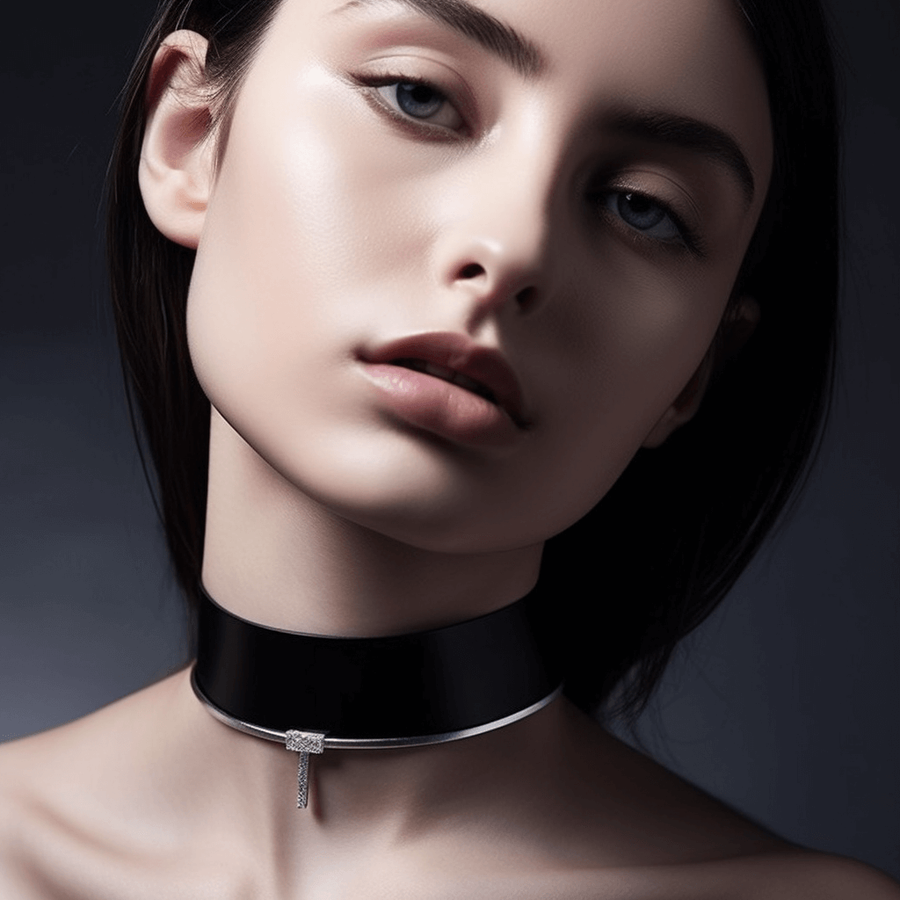
The Choker Necklace typically measures 14 to 16 inches long and sits snugly against the base of the neck. Its history stretches back to ancient civilizations, where chokers made of gold or lapis lazuli symbolized power and divine protection. By the late 19th century, Victorian-era chokers had become mainstream, signaling elegance and high social standing, and in the 1990s the style was reinvented as a counterculture fashion statement popularized by icons like Britney Spears and Natalie Portman. Today, chokers remain a red-carpet staple, whether crafted in gold, silver, or rose gold.
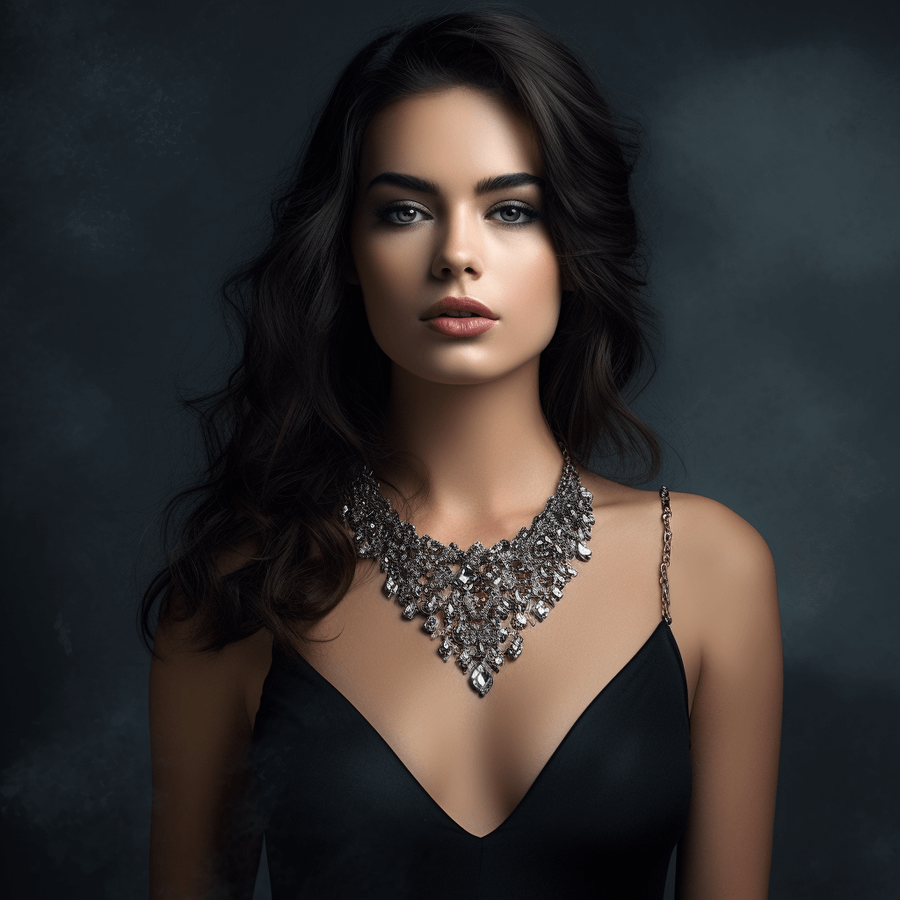
Named for its resemblance to a baby's bib, the Bib Necklace is a statement piece that covers part of the chest. Its exact origin is hard to pin down, but similar designs appear across many tribal cultures as markers of status and power. The style rose to prominence with the Art Deco movement of the 1920s and 1930s, which favored bold statement jewelry, and more recently, longtime Vogue editor-in-chief Anna Wintour helped cement the chunky bib necklace as a symbol of high fashion.
The Matinee Necklace is a versatile style, typically falling between 20 and 24 inches in length. Its name comes from "matinee," the term for daytime theater performances, when women would wear mid-length necklaces to project elegance and refinement. At roughly 22 inches, today's matinee necklaces pair well with everything from business suits to evening wear. One of the most recognizable examples is the strand of pearls Marilyn Monroe wore during her honeymoon in Japan with Joe DiMaggio.

An Opera Necklace, prized for its sophistication, usually measures between 28 and 35 inches. It was once reserved for elite women attending European opera houses, and today it remains a versatile piece embraced across social classes. Because of its length, an opera necklace can be worn as a single strand or doubled up for a different look. One of its most iconic pop-culture appearances is the diamond-and-sapphire opera necklace Julia Roberts wore in Pretty Woman.
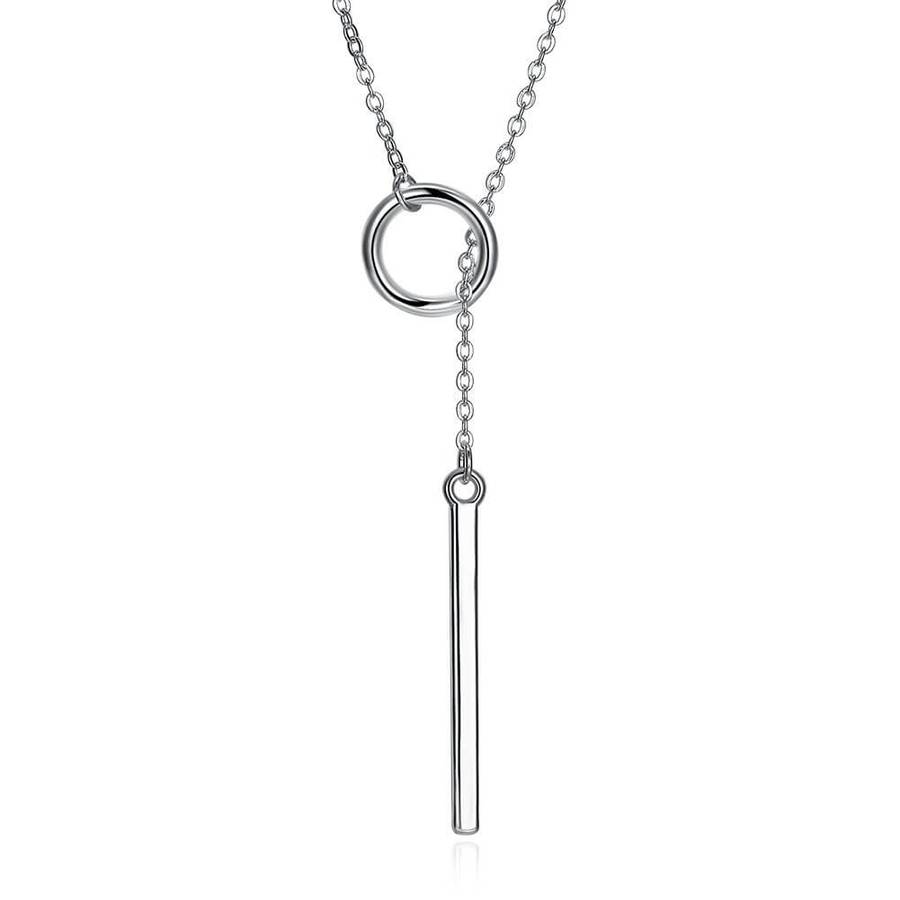
The Lariat Necklace is open-ended and has no traditional clasp, which allows it to be tied, knotted, or looped in countless ways. Lariats emerged sometime in the 20th century but didn't become a mainstream fashion accessory until the 21st. Their popularity was fueled in part by regular appearances on Sex and the City, where Carrie Bradshaw's wardrobe frequently featured a lariat necklace.
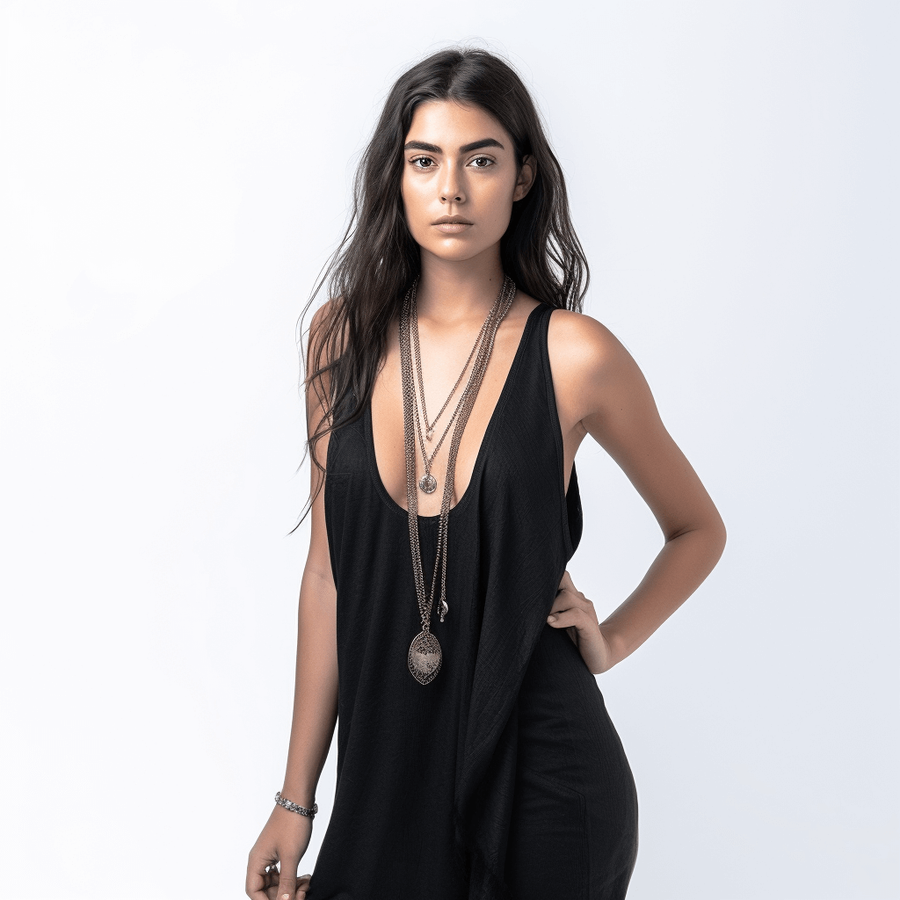
The Rope Necklace mimics the cascading fall of an actual rope and earns its name from its length, which typically exceeds 36 inches. Its origins trace back to early civilizations, including the Egyptians, who used long strands during ceremonial and ritual occasions. The style returned to prominence during the flapper era of the 1920s and resurfaced again in the 1980s, famously worn by Madonna in her "Material Girl" music video.
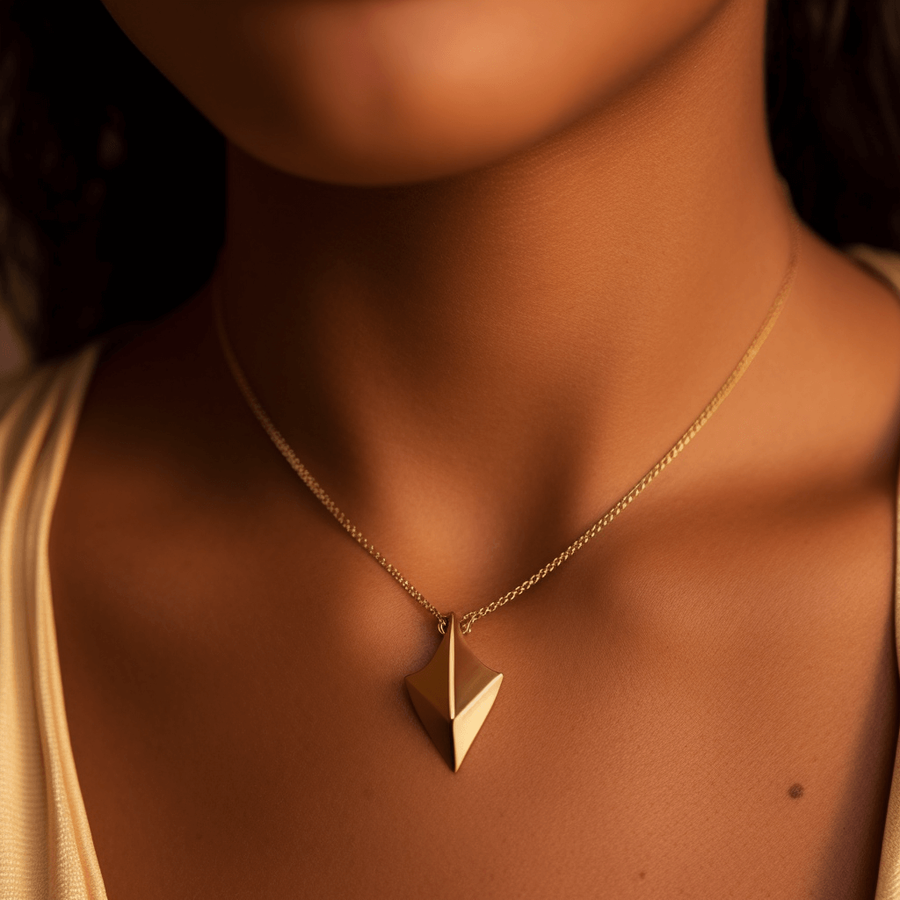
The Pendant Necklace is one of the most universally recognized styles, defined by a single pendant suspended from a chain. Historically, it dates back to the Stone Age, when people strung vines with fragments of bone and shell. Modern pendants vary widely, from crosses to lockets to gemstone-laden amulets carrying personal meaning. One of the most famous examples in pop culture is the "Heart of the Ocean," a fictional sapphire-and-diamond pendant featured in the film Titanic.
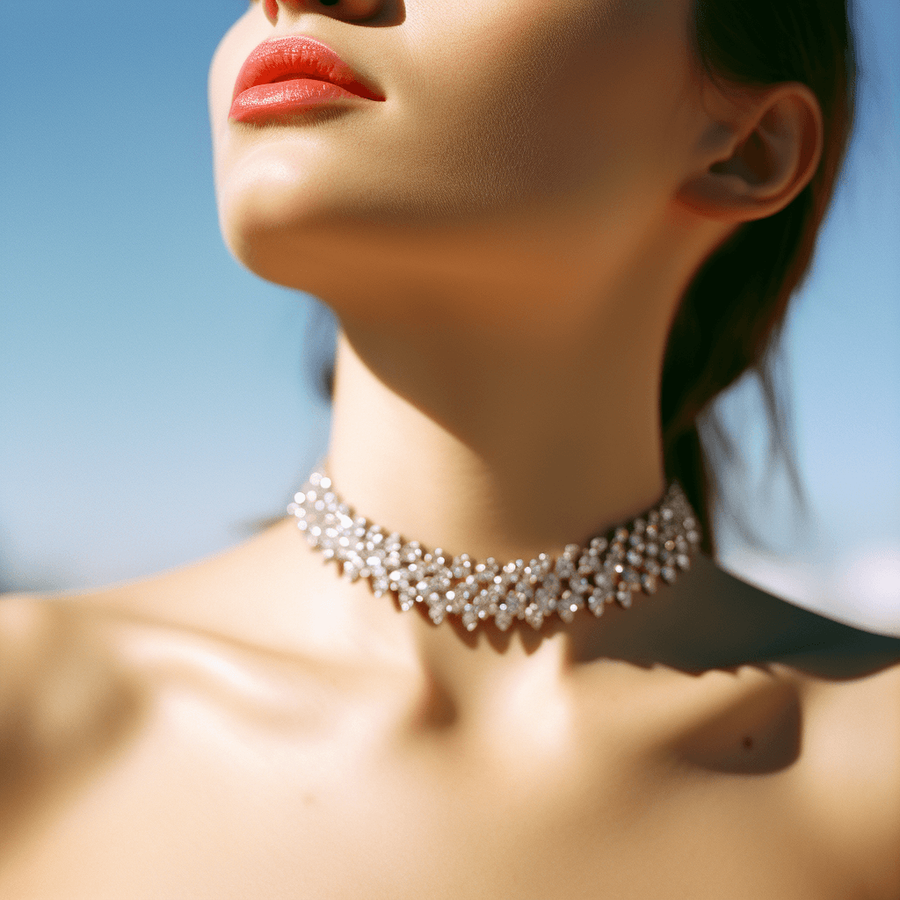
Also called a crew necklace, the Collar Necklace sits close to the middle of the neck and typically measures 12 to 14 inches. The design originated in ancient Egypt, where collar pieces made of precious metals and gemstones served as status symbols. It returned to prominence during the Art Nouveau and Art Deco periods at the turn of the 20th century, and more recently has been worn by Kate Middleton, Princess of Wales, at official royal engagements.
Elegant and evergreen, the standard Princess Necklace ranges from 17 to 19 inches. The name reflects its long association with royalty, as princesses and queens have favored the length throughout history. It's an ideal fit for pendants, letting them rest close to the heart. One famous example is the diadem Lady Diana Spencer wore at her wedding to Prince Charles.
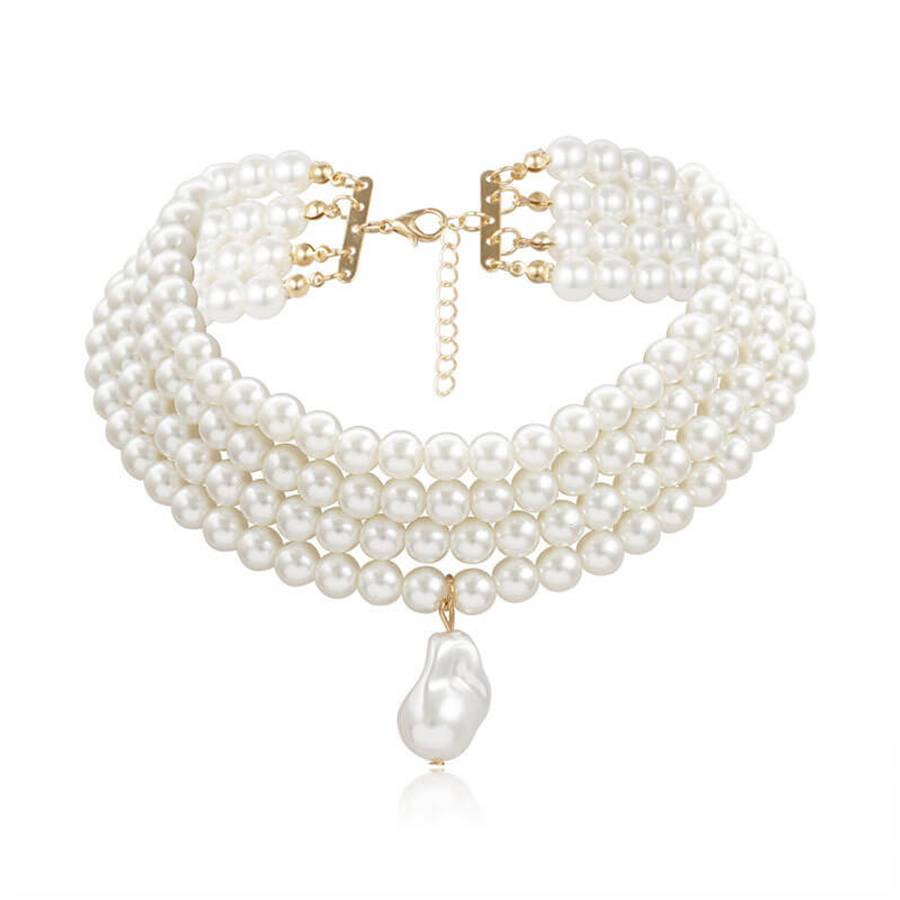
The Multi-Strand Necklace features several chains layered together, sometimes of differing lengths, creating rich texture and volume. This style has appeared across many cultures and eras, prized for its glamorous layered effect. One of its most memorable Hollywood moments is Vivien Leigh's multi-strand pearl necklace in Gone with the Wind.
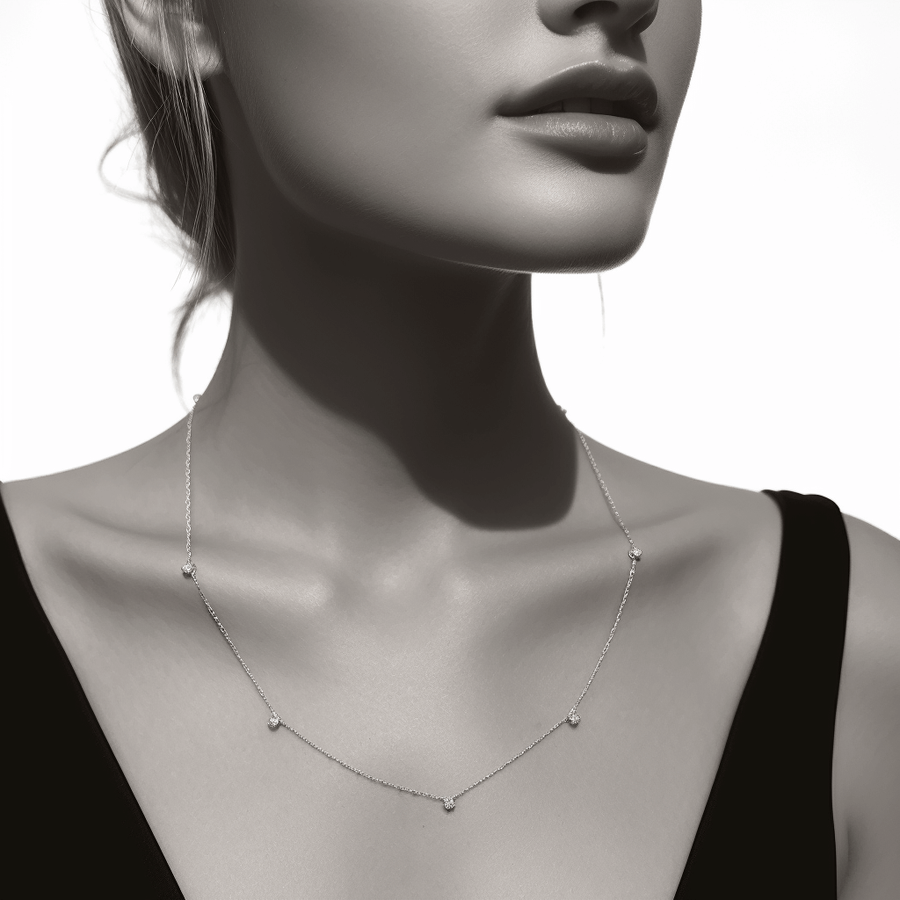
The Station Necklace dates to the early 20th century and features a chain interspersed with "stations," or evenly spaced gemstones and beads. The style was revived in the 1980s by Tiffany & Co., which dubbed it the "diamonds by the yard" necklace. Its understated elegance has made it a favorite of celebrities like Elle Macpherson and Jennifer Aniston.
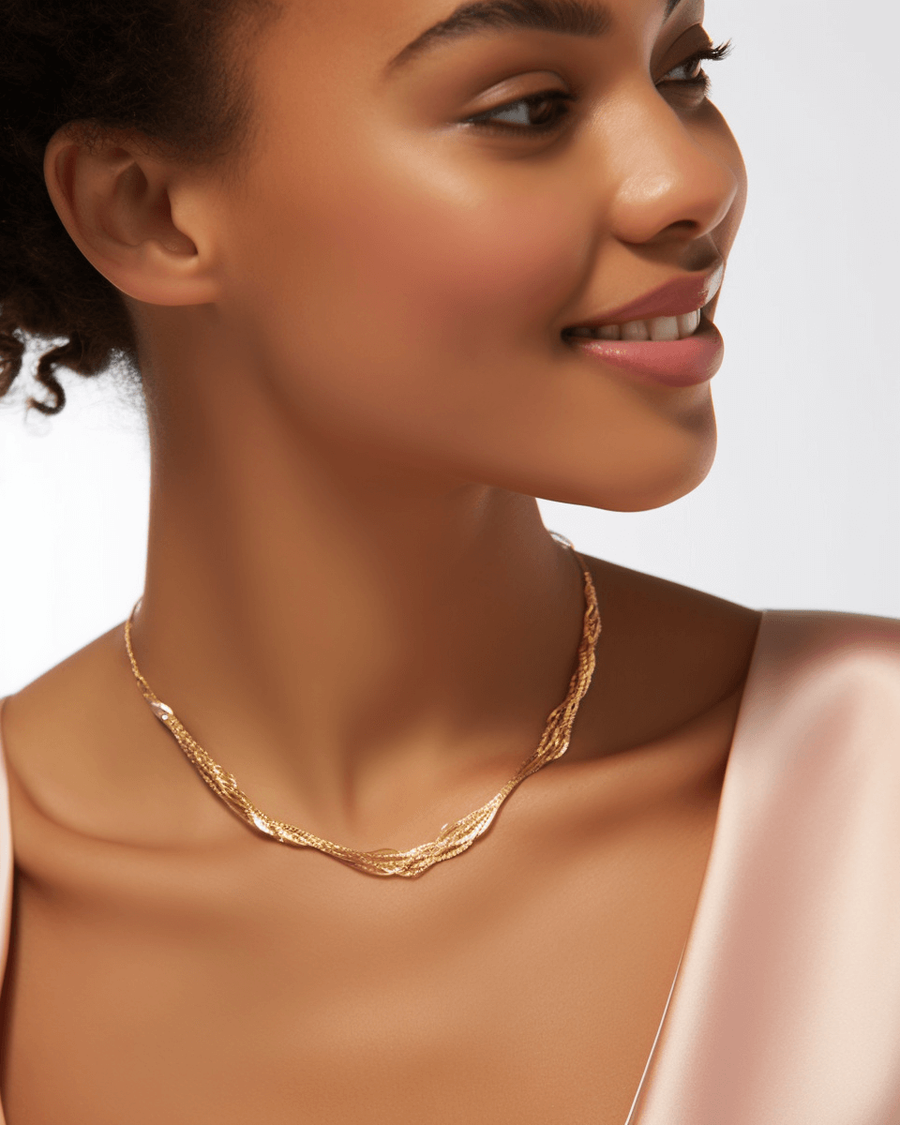
The Torsade Necklace features several strands twisted together to create a rope-like design full of personality. Its name derives from the French verb "torsader," meaning to twist. The style boomed alongside 20th-century costume jewelry, often made with faux pearls or glass beads, and became a 1980s fashion staple, worn by socialites including Diana, Princess of Wales.
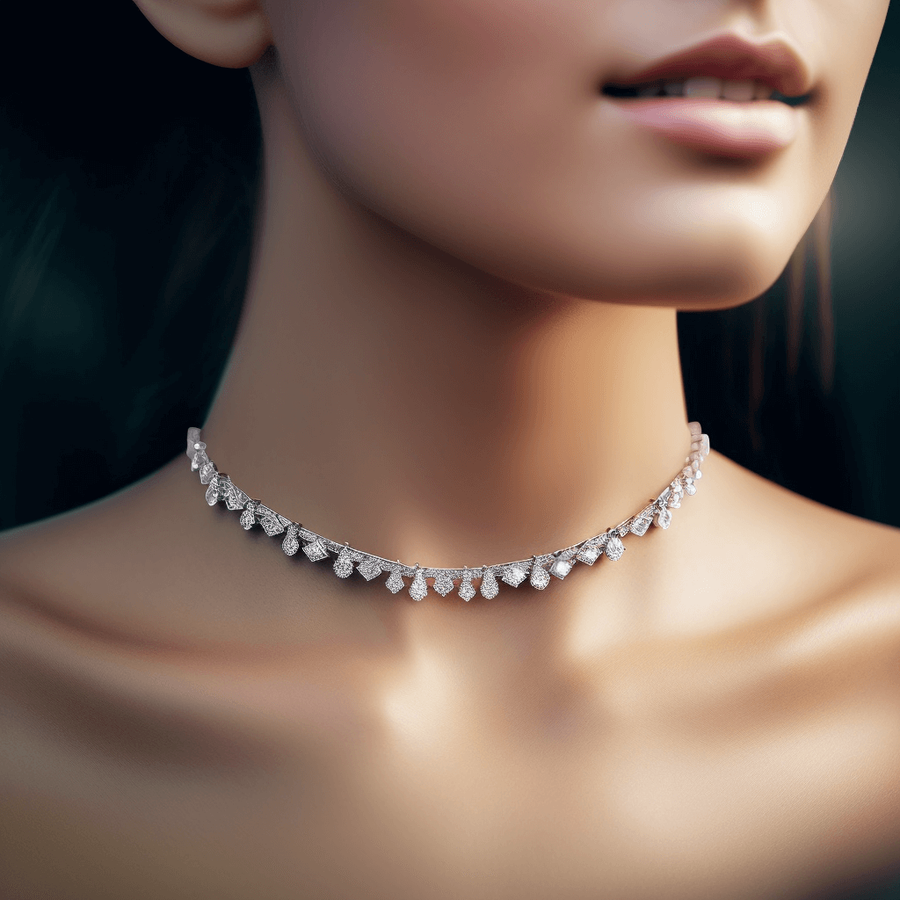
The Rivière Necklace is the epitome of elegance: a single strand of gemstones or diamonds that grow successively larger from clasp to center. The French word "rivière" means "river," referencing how the necklace drapes and flows around the neck. The style dates to the Georgian era (1714–1837) and remains a formal-occasion favorite; one of the most famous examples is the diamond rivière Audrey Hepburn wears in Breakfast at Tiffany's.
The Sautoir Necklace is long, often finishing in tassels or pendants, and was a favorite of the Roaring Twenties. Traditionally made of delicate chains and pearls, it draped down the back to complement flapper dresses. The style fell out of fashion by the mid-20th century but has recently made a comeback. Coco Chanel famously layered long pearl sautoirs over her monochromatic ensembles.
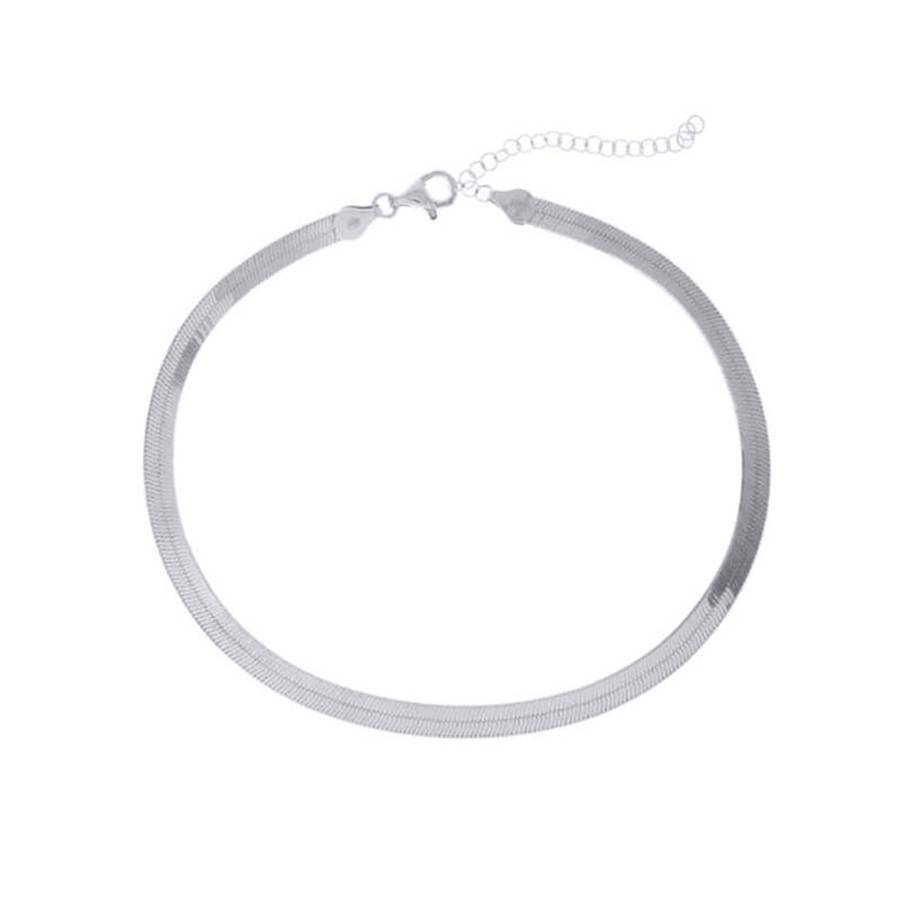
The Herringbone Necklace takes its name from its flat, woven pattern, which resembles the bones of a herring fish. The design traces back to ancient Egypt, where it was crafted from precious metals as a sign of prosperity and class. It enjoyed major popularity in the 1970s and '80s and is once again trending today.
The Chain Necklace holds an undisputed place in most jewelry collections thanks to its simplicity and versatility. Chains date back to ancient civilizations, including Egypt and Rome, where they were worn by both men and women. Today, they come in countless styles — box, cable, curb, and Figaro, among others — each with its own look. Deciding between silver and white gold is often the first step before choosing a chain style. One of the most recognizable looks is the chunky gold chain popularized by rapper LL Cool J.
Beaded necklaces are among the oldest forms of jewelry, dating back to prehistoric times, when they were made from bone, stone, and shell. Styles range from simple strands of pearls to intricate handcrafted bead patterns, giving this category enormous range in color and design. One of the most memorable beaded necklaces in pop culture belongs to Mr. T, as seen on The A-Team.
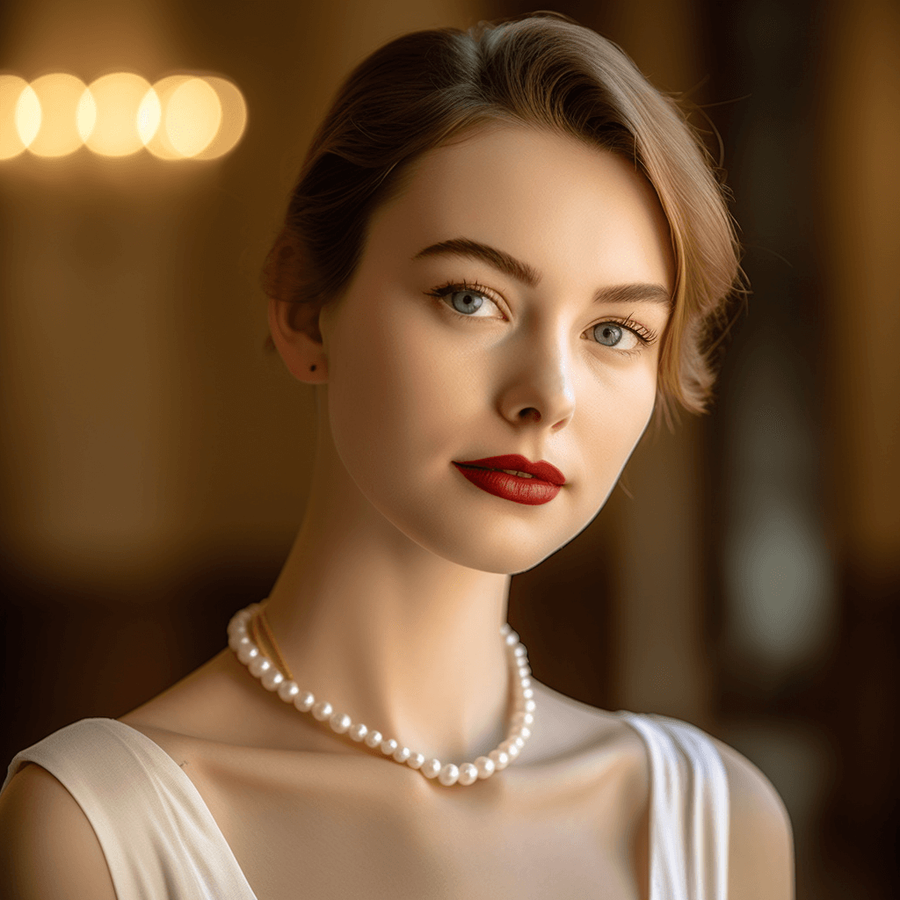
The classic Pearl Necklace carries a history as rich as the gem itself. For centuries, pearls have signified natural beauty and high social status, and pearl necklaces are available in nearly every length, from choker to princess to opera. Actress Grace Kelly, later Princess of Monaco, is often quoted as saying she favored pearls both on screen and in her private life — a sentiment that still defines the necklace's timeless appeal.
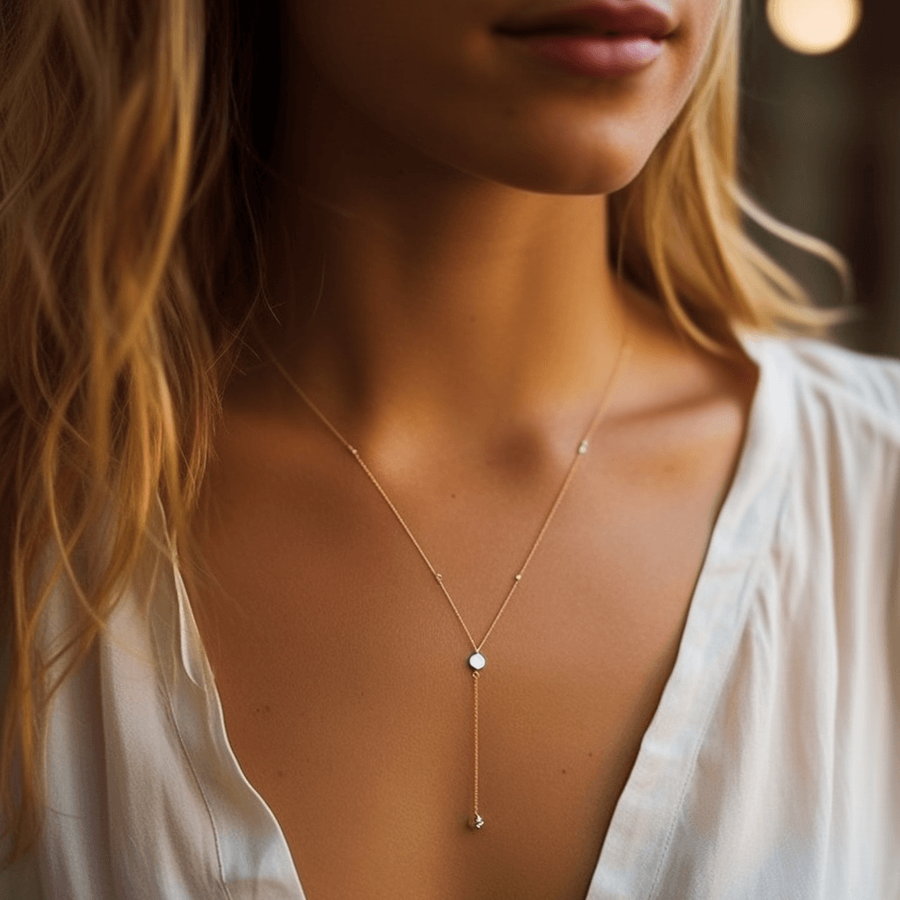
The Y-Necklace gets its name from a long dangling section that forms the shape of a "Y." The style became fashionable in the 1920s, when the deep V-necklines of the era allowed it to be worn without a high neckline interrupting the design. It remains popular today, with Jennifer Lawrence's diamond Y-necklace at the 2013 Academy Awards sparking a fresh wave of interest.
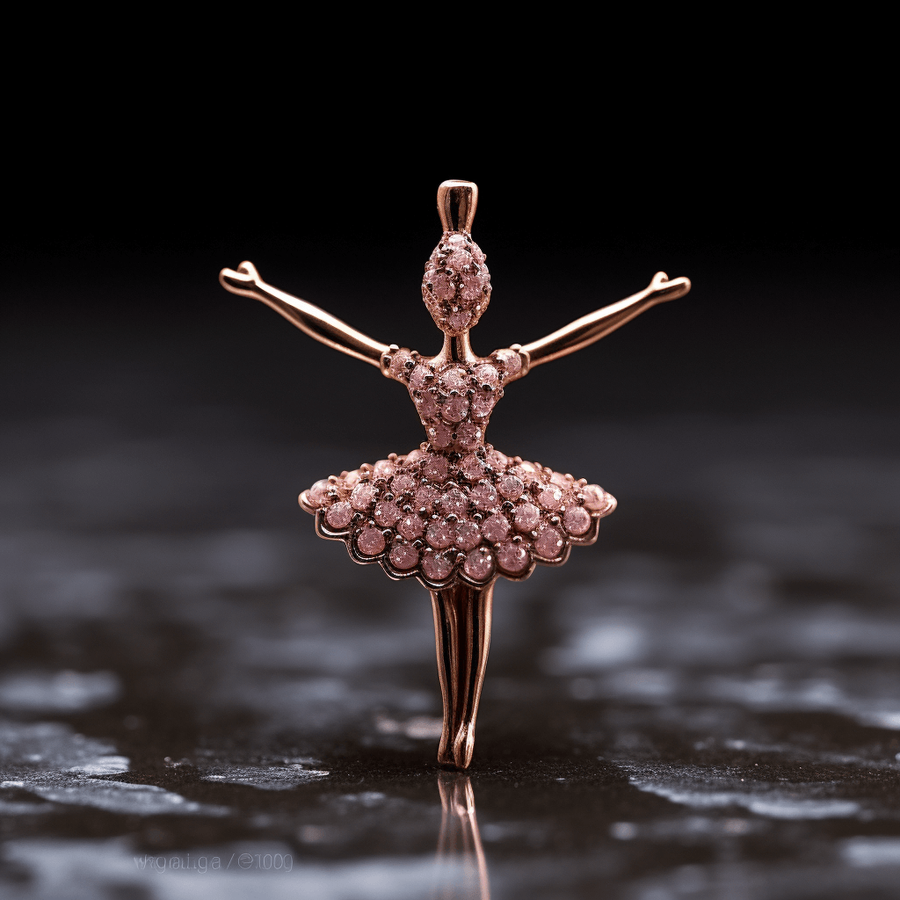
The Ballerina Necklace features a pendant — often in silver, white gold, or yellow gold and set with precious gemstones — shaped like a ballet dancer. The style peaked in popularity during the 1940s and 1950s, the golden age of ballet. One of the most celebrated examples is a Van Cleef & Arpels ruby-and-diamond ballerina necklace once owned by Marjorie Merriweather Post, later donated to the Smithsonian.
Derived from the French word "feston," meaning garland, the Festoon Necklace features chains or beads draped in a swag-like style. The design dates back to ancient Greece and became especially popular during the Georgian and Victorian periods. It has also appeared on screen, including on Lady Mary Crawley's wedding-day diamond festoon necklace in Downton Abbey.
Also known simply as the choker, the Dog Collar Necklace was a beloved neck piece at the start of the Edwardian era, typically made of multiple rows of pearls or diamonds. The name is linked to Princess Alexandra of Denmark, who popularized the wide Edwardian choker to conceal a scar on her neck; the style earned its nickname purely from its resemblance to a literal dog collar, not from any personal fondness of hers for dogs.
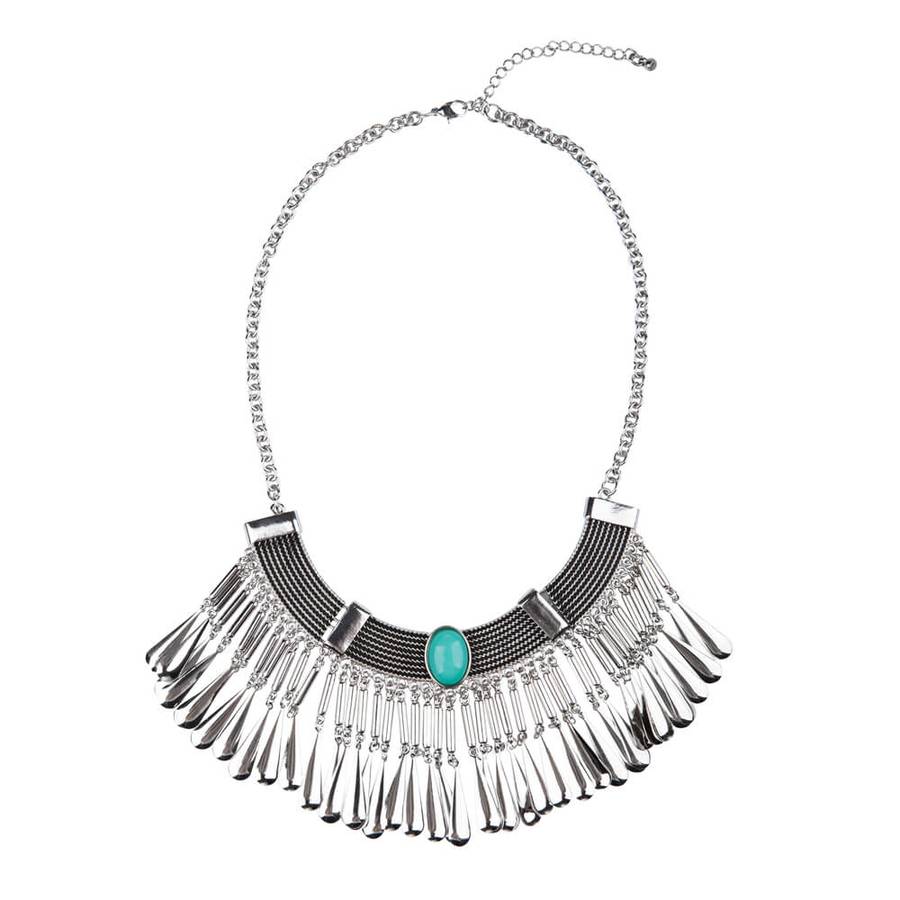
As the name implies, a Statement Necklace is bold, chunky, and often embellished with vibrant gemstones or dramatic designs. The style first gained popularity during the Art Deco period of the 1920s and '30s, then staged a major comeback in the 21st century across both luxury and high-street brands. Statement necklaces have very much made a comeback over the past few years, worn frequently by stars like Rihanna and Kendall Jenner, following in the footsteps of fashion icon Sarah Jessica Parker, who popularized the style on red carpets.
A rigid design made from twisted metal, the Torc Necklace has long signified nobility and high social standing. It dates back to the Iron Age, when it was widely worn among the Celts and Vikings. In the modern era, fashion houses like Alexander McQueen have reinterpreted this ancient design for the runway.
The Negligee Necklace is recognizable by its asymmetry — two drops of unequal length hanging from a central piece. It rose to popularity during the Edwardian era, often paired with negligee dresses as part of a broader trend toward relaxed, unstructured clothing. Italian heiress and art patron Marchesa Luisa Casati was known for wearing this unconventional style.
Religious Necklaces are rich with symbolism, often featuring icons, saints, or emblems tied to various faiths. Cross necklaces, for example, are a staple of Christian-themed jewelry, and the practice of wearing religious symbols is ancient and enduring. For readers interested in symbolic jewelry more broadly, the meaning behind the Claddagh ring offers another fascinating example. Madonna's rosary necklace in the 1980s is a notable modern instance that sparked both a trend and controversy.
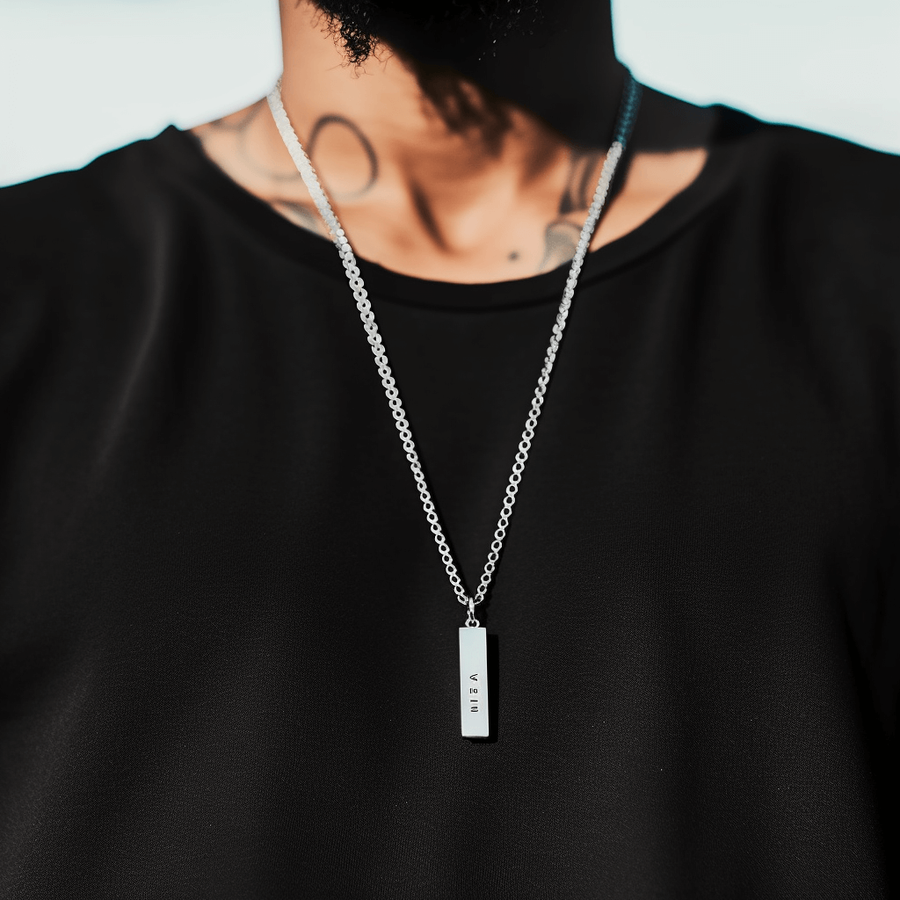
Minimalist and sleek, the Bar Necklace features a single horizontal bar pendant, often customized with engraved names or birthstones. It's a favorite among contemporary jewelry designers and everyday wearers alike, including celebrities such as Taylor Swift and Reese Witherspoon.
As the name suggests, the pendant on the Infinity Necklace takes the shape of the mathematical symbol for infinity (∞), representing eternity and undying love. The design gained popularity in the late 20th century and is frequently given as a gift between loved ones. Actress Kristen Stewart was seen wearing an infinity necklace reportedly gifted by co-star Robert Pattinson during the filming of the Twilight series.
A Birthstone Necklace features a gemstone tied to the wearer's birth month. Although the tradition dates back to ancient civilizations, the modern birthstone list is commonly said to have been standardized in 1912 by a U.S. jewelers' trade association. These necklaces remain a popular personal and meaningful gift; pop singer Katy Perry, for example, has been seen wearing a pink stone tied to her July birthstone.
One of the most enduring symbols in jewelry, the Heart Necklace represents love and affection. Heart-shaped jewelry dates back to the Middle Ages and saw a resurgence in popularity during the Victorian era. A particularly iconic modern example is the "Heart of the Ocean" pendant from the film Titanic.
Simple and uncomplicated, a Solitaire Necklace features a single diamond or gemstone on a plain chain. The style is generally traced to the 19th-century diamond rush, when South African discoveries made diamonds far more widely available and popularized single-stone settings — a history most often documented for solitaire rings and commonly extended to solitaire necklaces. Gwyneth Paltrow wore a Harry Winston diamond necklace, bracelet, and earrings reportedly worth around $160,000 at the 1999 Oscars, in one of the era's most memorable looks.
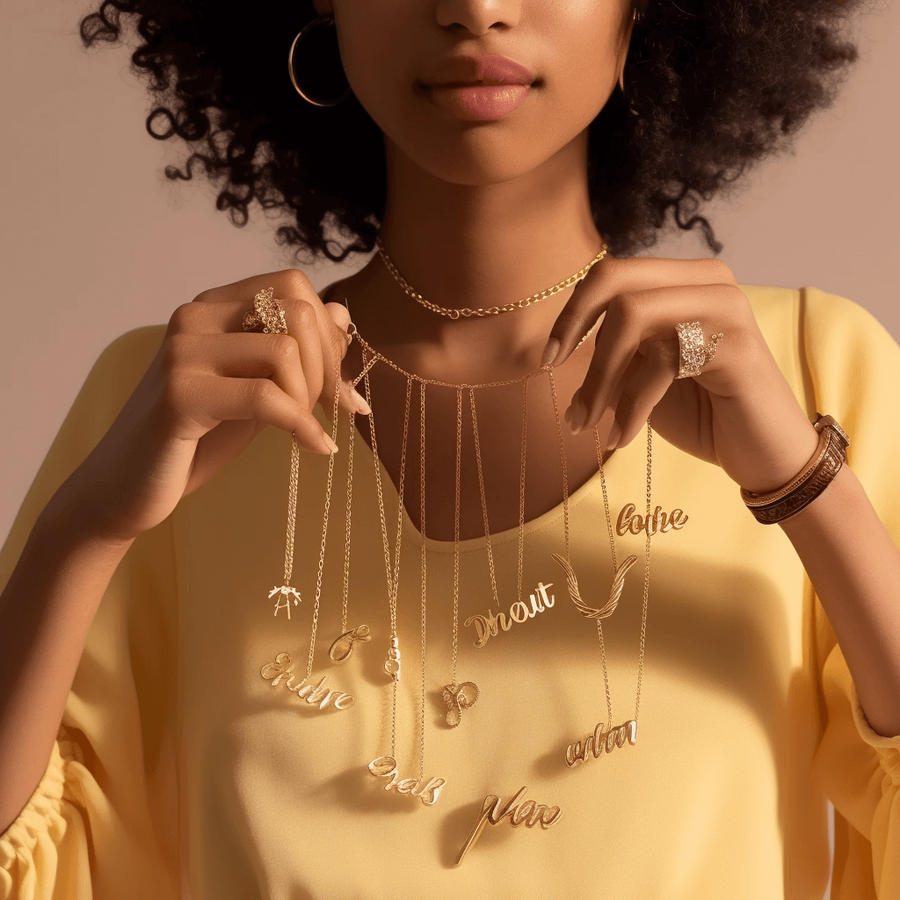
The Name Necklace has become a modern icon of personalization, featuring the wearer's name as its central pendant. It gained popularity during the 1980s in urban and hip-hop communities, then found a mainstream audience after Sex and the City's Carrie Bradshaw was seen wearing one on the show.
The Locket Necklace traces back to the Victorian era and typically features a small pendant, often heart-shaped, with space inside to hold a photo or keepsake. Lockets historically held pictures of loved ones or locks of hair, and today they remain cherished sentimental pieces. One notable pop-culture locket is the Horcrux locket from the Harry Potter series, which became popular among fans.
A complex arrangement of interwoven metal links, the fine-gauge Mesh Necklace has a soft, fabric-like look and feel. It peaked in popularity in the 1940s, faded, and then saw a resurgence in the 1970s. One of the most famous examples is a gold "bib" mesh necklace worn by actress and Princess of Monaco Grace Kelly.
Unlike the other necklaces on this list, the Medical Alert Necklace is less about fashion and more about function. It displays important medical information — such as allergies or critical conditions — that can prove essential if the wearer becomes incapacitated. The nonprofit MedicAlert Foundation, which popularized this category of jewelry, was founded in 1956.
Historically, the term "slave necklace" referred to a necklace connected to rings or bracelets by a chain. In modern jewelry, the name is increasingly avoided due to its painful historical connotations, with similar designs now called "hand chain necklaces" or "ring bracelets." If you're shopping for one, our bracelet size chart can help you get the connected bracelet portion to fit correctly. One notable pop-culture moment featuring this style was Jennifer Aniston's hand chain in the film Along Came Polly.
A Graduated Necklace features beads or stones that start small at the back and gradually increase in size toward the front. This technique is often used with pearls to create an elegant, flattering silhouette. Graduated necklaces became especially fashionable in the 1950s and '60s and remain a timeless classic; a strand of graduated pearls once owned by Marilyn Monroe's husband Joe DiMaggio reportedly sold at auction for a notable sum.
A Plastron Necklace, sometimes called a bib or collar necklace, covers a wide portion of the chest, resembling the plastron, or frontal shell plate, of a turtle. These intricately designed statement pieces made a strong return to fashion runways throughout the 2010s. Coco Chanel was reportedly fond of plastron necklaces, often pairing them with her signature suits.
An Illusion Necklace is a delicate design made of small beads or gemstones spaced along a very thin, often near-invisible wire. The nearly transparent wire creates the "illusion" that the beads or gemstones float along the wearer's neck. This minimalist, delicate style was especially popular with women in the 2000s, with actress Anne Hathaway's diamond illusion necklace at the 2011 Academy Awards helping to spotlight the trend.
A Thread Necklace is made from silk, cotton, or similar thread, strung with beads, pendants, or gemstones. The style is deeply rooted in many jewelry traditions and pairs especially well with ethnic wear. Bollywood actress Priyanka Chopra is frequently seen wearing thread necklaces, showcasing just how elegant the style can look.
The Monogram Necklace displays one to three initials of the wearer's name, making it a deeply personal piece of jewelry. It gained popularity in the 2000s, worn by icons such as Taylor Swift, and offers a unique way to carry a personal identity — or the initials of a loved one — close to the heart.
A Cross Necklace is a widely worn piece of religious jewelry, featuring a pendant or hanging cross that signifies Christian faith. The practice of wearing cross necklaces dates back to around the 4th century AD. Today, many wear them as a testament to faith or simply as a fashion statement; pop star Madonna made cross necklaces famous throughout her career, pairing religious imagery with a provocative personal style.
The Coin Necklace, featuring one or several coin pendants, dates back to ancient times, when wearing coins itself signaled wealth and class. Today, coin necklaces come in a range of designs, from replicas of ancient currency to modern interpretations. Celebrities such as Gigi Hadid and Kate Moss have helped bring the style back into the fashion conversation.
A Diamond Necklace is considered the ultimate accent of sophistication and luxury, thanks to the many diamonds often incorporated into its design. The use of diamonds in jewelry stretches back thousands of years, but it was the 19th-century discovery of diamond mines in South Africa that made diamond necklaces widely available. The Taylor-Burton diamond necklace, famously owned by Elizabeth Taylor and featuring a 69.42-carat pear-shaped diamond, remains one of the most talked-about pieces in jewelry history.
From the simplicity of a bar necklace to the luxurious sparkle of a diamond piece, the many types of necklaces reflect thousands of years of history, culture, and personal style. They're more than accessories — they're symbols of belief, status, and identity, and timeless works of art in their own right. As trends continue to evolve, these 44 styles will remain a reference point for anyone building a jewelry collection.
Ready to go deeper on one category? Explore our full guide to 59 types of chain necklaces for an even closer look at one of the most versatile styles on this list. And if you're finishing your look, don't forget to check out our guide to types of earring backs to pair the perfect earrings with your necklace.
The 16 to 18-inch princess length is generally considered the most popular and versatile necklace length, since it sits just below the collarbone and complements nearly every neckline. It works equally well for pendants, chains, and layered looks, which is why it's the default length for most mass-market necklaces.
Both sit high on the neck, but a choker typically measures 14 to 16 inches and rests snugly at the base of the neck, while a collar necklace is shorter, around 12 to 14 inches, and sits closer to the middle of the neck, often appearing more structured or rigid. Collar necklaces also have older royal and ceremonial associations, whereas chokers have moved between high fashion and counterculture over the decades.
The most flattering length depends on neckline and body shape, but as a general rule, a necklace that falls at or just above the bust — typically the princess or matinee length — flatters the widest range of outfits and necklines. Longer styles like opera or rope necklaces tend to elongate the torso and work especially well with simple, high necklines.
A matinee necklace typically measures 20 to 24 inches and was traditionally worn to daytime events, making it suitable for both business and semi-formal occasions. An opera necklace is considerably longer, usually 28 to 35 inches, and was historically reserved for formal evening events like the opera, where it could be worn as a single strand or doubled for a layered effect.
Yes, sterling silver tarnishes due to its copper content reacting with sulfur in the air. Learn why it happens and how to prevent …
Moissanite, a gemstone lauded for its exceptional brilliance and striking similarity to diamonds, has become an increasingly popul…
Discover the 10 main types of silver—fine, sterling, Argentium, coin, Britannia & more—with purity percentages, uses, and a quick …