 Know
Know
Symbols
Crescent Moon Meaning: Intuition & New Beginnings
Discover the crescent moon's spiritual meaning, from intuition and rebirth to goddess mythology and dream symbolism, plus rituals …
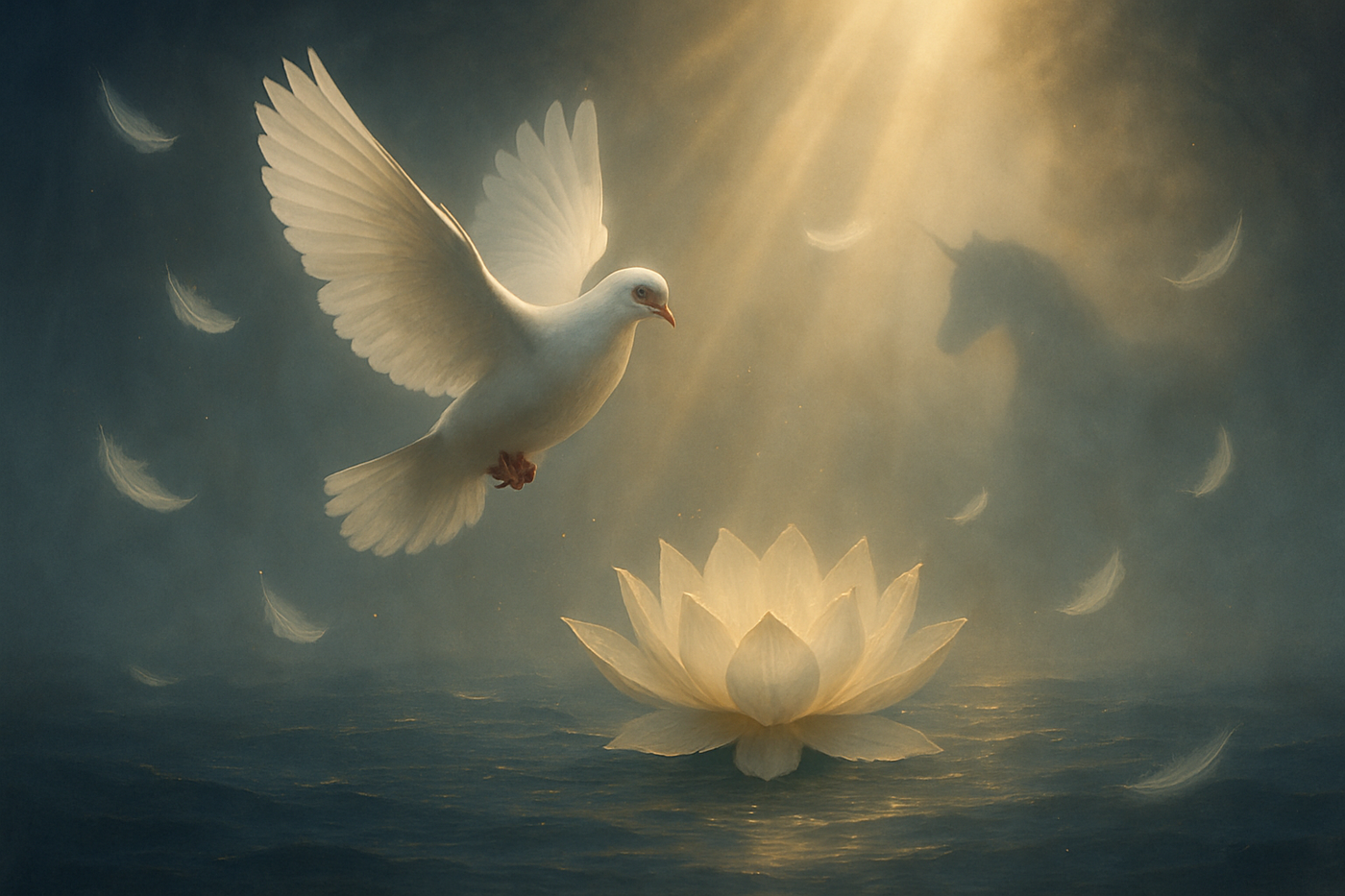
Symbols of purity are images, objects, and creatures that represent innocence, cleanliness, and moral or spiritual perfection across world cultures. The most recognized symbols of purity include the white dove, the lotus flower, the white lily, the white swan, snow, clear quartz, water, the unicorn, white feathers, and pearls. Each reflects a different dimension of purity — spiritual, physical, or moral — rooted in religious texts, mythology, and folk tradition. Together, these symbols of purity reveal how nearly every culture has searched for ways to express what is untainted, sacred, and whole.

| Symbol | Category | Culture / Tradition | Core Meaning |
|---|---|---|---|
| White Dove | Animal | Christianity, Greek & Roman mythology | Peace, purity, divine grace |
| Lotus Flower | Plant | Buddhism, Hinduism | Spiritual growth, enlightenment |
| White Lily | Plant | Christianity, Greek mythology | Chastity, innocence |
| White Swan | Animal | Celtic tradition, Hinduism | Grace, discernment, purity of soul |
| Snow | Natural element | Christianity, folklore | New beginnings, cleansed soul |
| Clear Quartz | Mineral | Crystal healing, Feng Shui | Clarity of mind, spiritual balance |
| Water | Natural element | Christianity, Islam, Hinduism, Judaism | Purification, renewal |
| Unicorn | Mythical creature | Medieval Europe | Virginity, untainted innocence |
| White Feathers | Natural object | Angelic folklore | Peace, spiritual guidance |
| Pearls | Gem | Ancient Rome, Chinese culture | Inner beauty, wisdom |
Purity has been treasured and symbolized for centuries across cultures, religions, and belief systems. From ancient times through modern spirituality, purity speaks of cleanliness, innocence, divinity, and virtue. Often associated with what is untainted, incorruptible, and flawless, purity finds expression through a wide range of symbols, each carrying its own meaning and cultural weight. This article examines ten of the most enduring symbols of purity, based on their origin, meaning, and role within different traditions.
The white dove is perhaps the most recognized symbol of purity across cultures. Known for its gentle nature and graceful flight, the dove represents purity, peace, and love in traditions spanning from the ancient Mediterranean to modern religious practice.
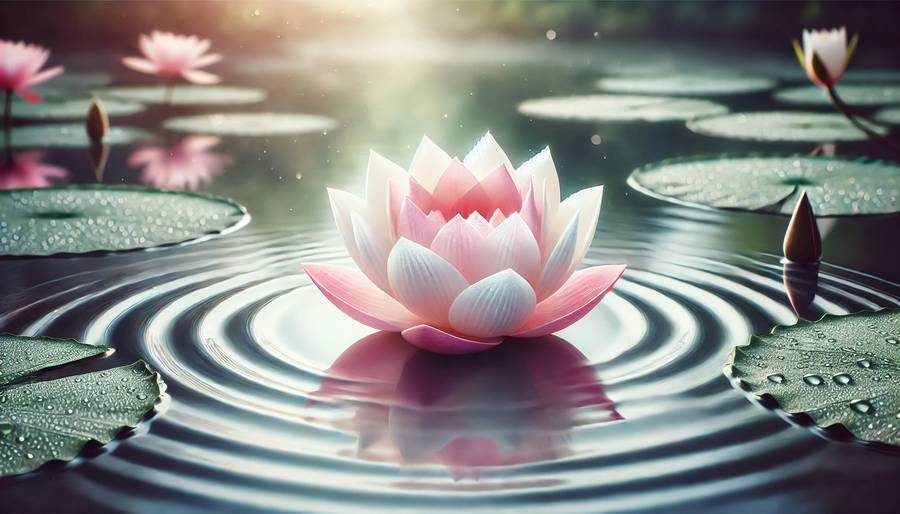
A fragile flower with deep spiritual importance, the lotus is considered a sacred symbol in many Eastern religions, especially Buddhism and Hinduism. Growing only in murky waters, its unfolding tells a story of beauty emerging from mud, representing the attainment of spiritual purity and enlightenment.
The lotus teaches that purity is not the absence of impurity, but the ability to remain untainted by it.
The white lily has long been a symbol of purity in Western culture. Innocence, chastity, and purity are virtues often associated with lilies, making them a common flower in religious ceremonies.
The swan is considered a symbol of grace, beauty, and purity across many cultures, thanks to its immaculate white plumage and elegant bearing.

Snow is intrinsically pure, covering the world in a blanket of silence, immaculate and unmarred. Its clean, untouched surface has long signified new beginnings, innocence, and purity.
Clear quartz, known as the "master healer," symbolizes purity in the crystal and metaphysical world. Its transparency represents a clear state of mind and spiritual clarity.
Water is a fundamental symbol of purity across cultures and religions. Its cleansing properties make it a nearly universal symbol of purification and renewal in spiritual and religious ritual.
The unicorn, a mythical creature with a horse-like body and a single horn, has long symbolized purity, grace, and innocence, its association with magic reinforcing its divine mystique.
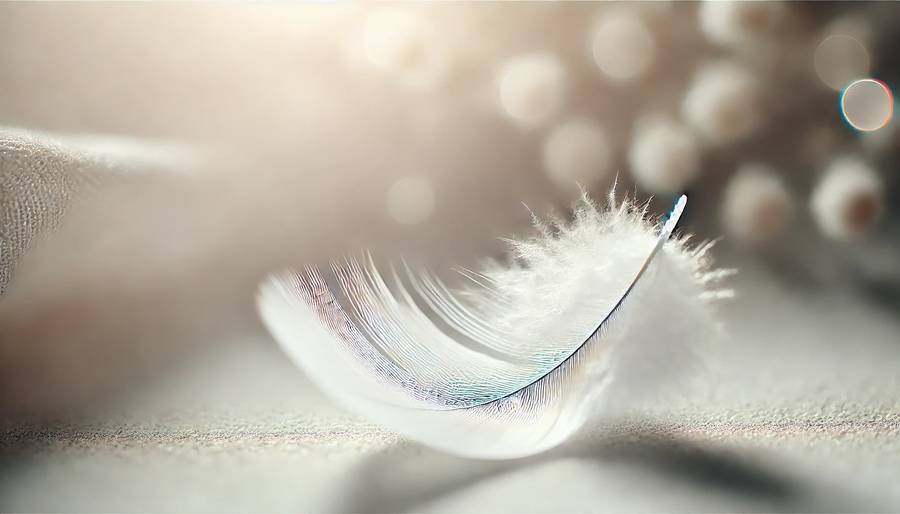
White feathers are often seen as signs of purity, peace, and spiritual guidance. Many people believe finding a white feather is a message from the divine, signaling the presence of angels or departed loved ones.
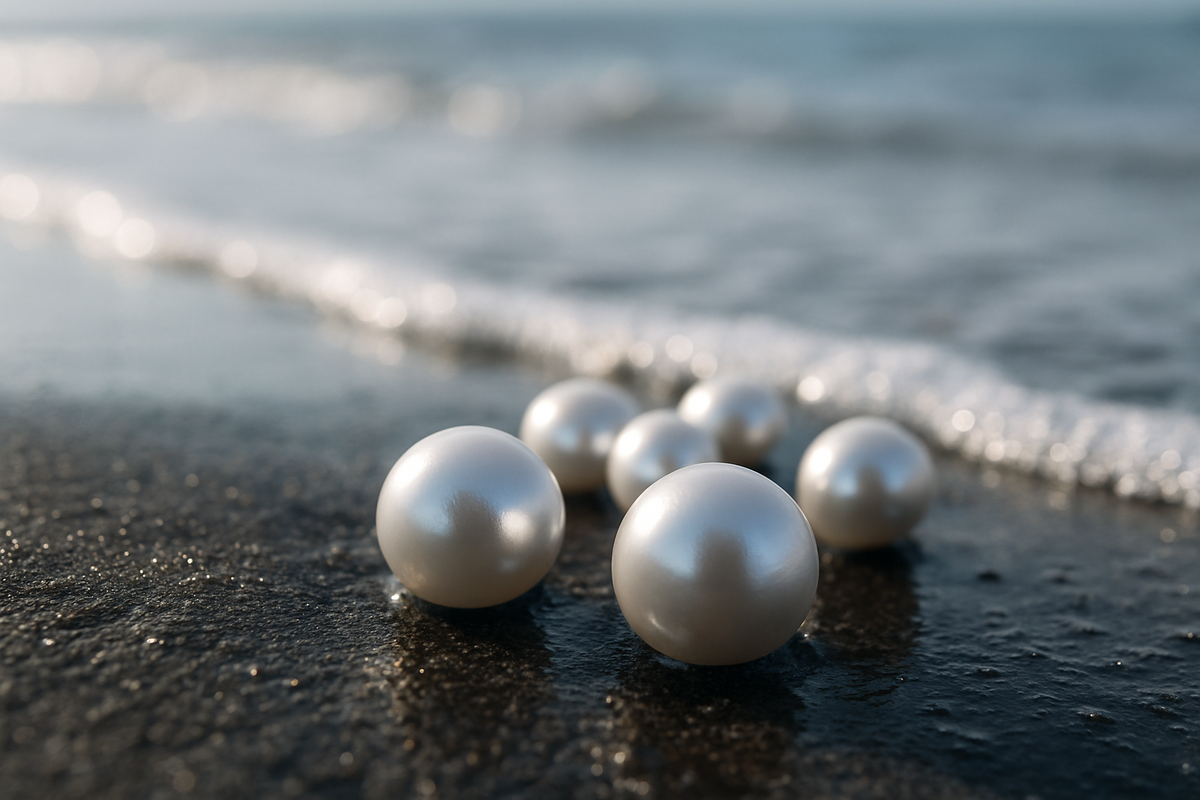
Pearls, treasures born of the sea, have been linked to purity and perfection for centuries. The formation of a pearl — from a tiny irritant into a luminous gem — mirrors the growth of inner beauty and spiritual refinement.
From the gentle petals of the white lily to the mystique of the unicorn, symbols of purity have crossed centuries and cultures, offering glimpses into humanity's search for what is incorruptible and divine. These symbols remind us of the values we cherish and serve as beacons of hope, guiding us toward spiritual clarity and moral virtue. Many purity symbols also carry a hidden duality worth exploring further — the tree of life meaning and the yin and yang meaning both examine how purity and its opposite exist in balance rather than isolation. Whether expressed through nature, mythology, or spirituality, the search for purity continues to shape how we understand the world and our place within it.
Purity is often defined by what it is not. Readers interested in the opposite end of the spectrum may want to explore dedicated guides on symbols of loyalty, symbols of change, symbols of betrayal, and symbols of deceit — companion topics currently in development, which we will link here once published.
White is the color most universally associated with purity, symbolizing cleanliness, innocence, and light in cultures from ancient Rome to modern weddings. It appears across religious vestments, bridal traditions, and folk rituals alike as shorthand for an untainted state.
The white dove and the white swan are the animals most closely tied to purity, prized for their pale coloring and graceful behavior. Mythical creatures like the unicorn extend this symbolism further, representing an idealized, untouchable innocence.
The white lily and the lotus flower are the two flowers most strongly associated with purity. The lily represents chastity and innocence in Christian tradition, while the lotus symbolizes spiritual purity rising above worldly impurity in Buddhism and Hinduism.
In Christianity, the white dove, the white lily, and water each represent purity in different contexts — the dove as the Holy Spirit, the lily as the Virgin Mary's chastity, and water as the cleansing power of baptism. Together they form the core visual vocabulary of purity in Christian art and scripture.
Yes — in crystal healing traditions and Feng Shui, clear quartz is regarded as a symbol of purity and mental clarity because of its transparency and light-reflecting qualities. This association is metaphysical rather than religious, but it has become widely accepted in modern spiritual practice.
Discover the crescent moon's spiritual meaning, from intuition and rebirth to goddess mythology and dream symbolism, plus rituals …

Discover what finding a feather really means - spiritual messages, color symbolism, dream meanings, and how to respond when one cr…
Universally, the horse shoe has been recognized across cultures and generations. It reflects deep-seated symbolic meanings extendi…