Animal Symbolism
Seahorse Symbolism: Spiritual Meaning & Significance
Discover what the seahorse truly symbolizes - patience, protection, fatherhood, and inner strength - across myth, dreams, and mode…
 KnowMastery
A bear symbolizes strength, introspection, healing, and rebirth. As a totem or spirit animal, the bear represents the balance between raw physical power and quiet inner wisdom, teaching us when to assert ourselves boldly and when to withdraw into stillness for rest and renewal — much like its seasonal hibernation cycle. Seeing a bear in a dream, in real life, or as a recurring symbol often marks a turning point toward protecting your boundaries, trusting your instincts, or healing something long overdue.
There is something ancient that stirs in us at the sight of a bear. Maybe it's the memory carried in our bones from a time when humans lived alongside these creatures in genuine awe and fear, building shrines to them, painting them on cave walls, whispering their names only in reverence. The bear does not need to roar to command a room. Its silence is its power.
Perhaps this is why the bear appears to people during life's quiet, aching thresholds — after loss, before a big decision, during a season of exhaustion. It doesn't arrive to entertain you. It arrives to remind you that you, too, carry a den within yourself, a place where you can retreat, heal, and emerge changed.
At its core, the bear represents the balance between ferocity and gentleness. It is one of the few animals mythologized nearly everywhere it has lived — from the Arctic tundra to the forests of the Pyrenees — precisely because its behavior so closely mirrors the human emotional cycle: periods of intense activity followed by deep withdrawal.

In shamanic and totem-animal traditions, the bear spirit animal is considered a guide for people who need to reconnect with their personal power after a period of feeling small, silenced, or overlooked. Unlike the swift, aerial energy of a hawk appearing as a messenger, the bear's medicine is grounded, slow, and deliberate. It asks you to stop rushing and instead trust the wisdom that comes from stillness.
People who resonate with bear energy as a totem or spirit guide are often described as:
When the bear shows up as a spiritual sign, it's frequently interpreted as permission: permission to say no, to rest, to protect your boundaries fiercely, or to trust your own instincts over outside opinions. In many shamanic practices, calling on bear medicine before a difficult conversation or decision is a way of borrowing its steady, unhurried confidence.
If you're wondering whether the bear is your spirit animal specifically, ask yourself whether you're drawn to solitude after periods of intense effort, whether you feel a strong pull to protect others, and whether you tend to move through life in seasons rather than a constant pace. These are the clearest signs that bear medicine is already part of how you're wired.
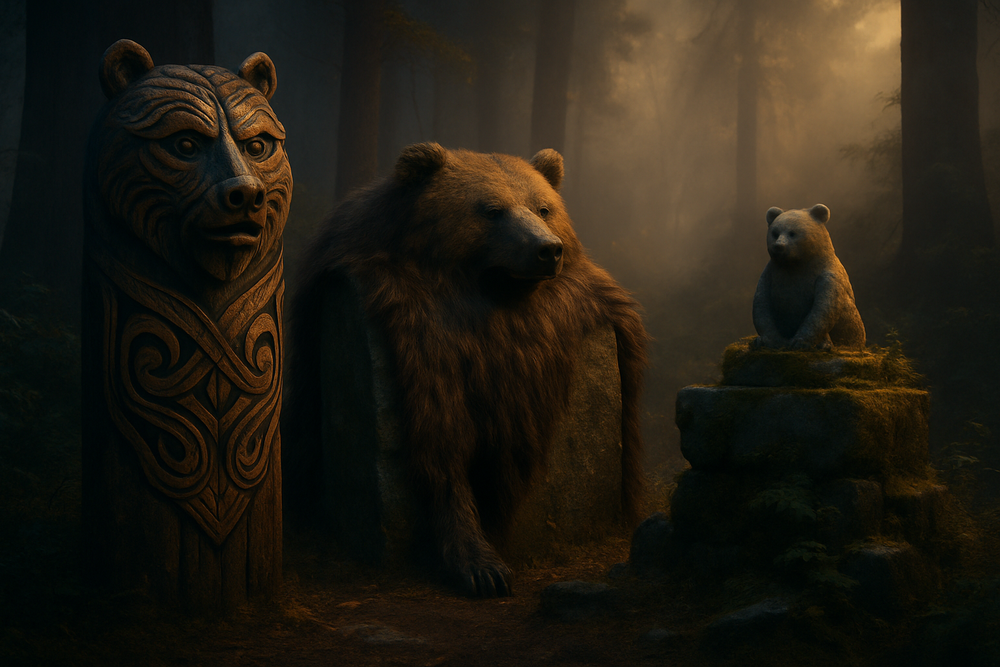
Few animals hold as much sacred weight in Native American spirituality as the bear. Among the Cherokee, the bear is considered a former human clan that chose to live in the wild, retaining wisdom and kinship with people. The Ojibwe and other Anishinaabe nations regard the bear as one of the seven sacred grandfather teachings, embodying courage — the willingness to face fear and act rightly despite it.
In many Plains traditions, the bear is associated with healing medicine, and bear claws or bear paw motifs were carried by medicine people as protective talismans. The animal's habit of digging for roots was seen as proof of its knowledge of herbal medicine, long before written pharmacology existed.
The etymology of 'berserker' probably derives from 'bear-shirt' (Old Norse ber- + serkr), and tradition associates these warriors with wearing bear (or sometimes wolf) pelts, though scholars are not certain whether they actually wore animal skins in battle or fought bare-chested. The bear was sacred to Norse warrior culture as a symbol of raw, unstoppable strength granted by the gods.
Celtic tradition offers a gentler counterpart. The goddess Artio, worshipped in Gaulish and Helvetic regions, was depicted as a bear or a woman accompanied by one, symbolizing abundance, wilderness, and the protective feminine. The name Artio comes from the Celtic word for bear, and one etymological theory holds that 'Arthur' may derive from the same root, though the more widely cited explanation traces Arthur to the Roman name Artorius, whose own origin is uncertain.
Bear reverence stretches deep into East Asian folklore as well. The Dangun myth depicts a bear that, after 21 days of a 100-day trial in a cave eating only mugwort and garlic, transformed into a woman who became the mother of Dangun, the legendary founder of the Korean nation. Among the Ainu people of northern Japan, the brown bear was considered a mountain god (kamuy) temporarily wearing animal form, honored through the sacred Iyomante ceremony, which sent the bear's spirit back to the divine realm with gratitude and ritual song.
| Culture | Core Bear Symbolism | Key Association |
|---|---|---|
| Cherokee (Native American) | Kinship, transformation, wisdom | Ancestral clan connection |
| Anishinaabe (Ojibwe) | Courage, healing medicine | Seven grandfather teachings |
| Norse | Ferocity, battle strength | Berserker warriors |
| Celtic (Gaulish) | Abundance, feminine guardianship | Goddess Artio |
| Korean | Patience, transformation, endurance | Dangun founding myth |
| Ainu (Japan) | Divinity, sacred guardianship | Iyomante bear ceremony |
The bear appears several times in scripture, most often as a symbol of raw, unchecked power — sometimes protective, sometimes punishing. In the story of David, he recounts killing both a lion and a bear to protect his father's flock, framing the bear as a formidable threat overcome through faith and courage (1 Samuel 17:34–37). In the book of Daniel, a bear appears in a prophetic vision representing a conquering kingdom, its strength used as a metaphor for political and military dominance.
Elsewhere, bears are invoked as instruments of divine judgment, such as in 2 Kings 2:24, where two bears confront a group of youths who mock the prophet Elisha. Taken together, biblical bear symbolism tends to emphasize consequence, might, and the seriousness of divine authority rather than the gentler, healing associations found in other cultural traditions. For many modern Christians, encountering "bear" symbolism in scripture study or prayer is interpreted as a call to respect boundaries, take warnings seriously, or recognize a season of trial that requires courage to endure.
A real-life bear sighting — especially one that feels unusually timed or striking — is traditionally read very differently from a dream. Where dream bears tend to reflect internal, emotional material, a bear crossing your physical path is often interpreted as an external message: pay attention to what's happening around you right now.
Of course, if you do encounter a bear in the wild, safety comes first — back away slowly and follow local wildlife guidance. Once you're safe, that's when it's worth sitting with what the moment may have been trying to tell you.
Dreaming of a bear often reflects something stirring beneath the surface of your waking life — an emotion, decision, or instinct you haven't fully acknowledged. Like the layered symbolism found when people dream of spiders and sense a hidden emotional undercurrent, bear dreams tend to point to unresolved inner power.
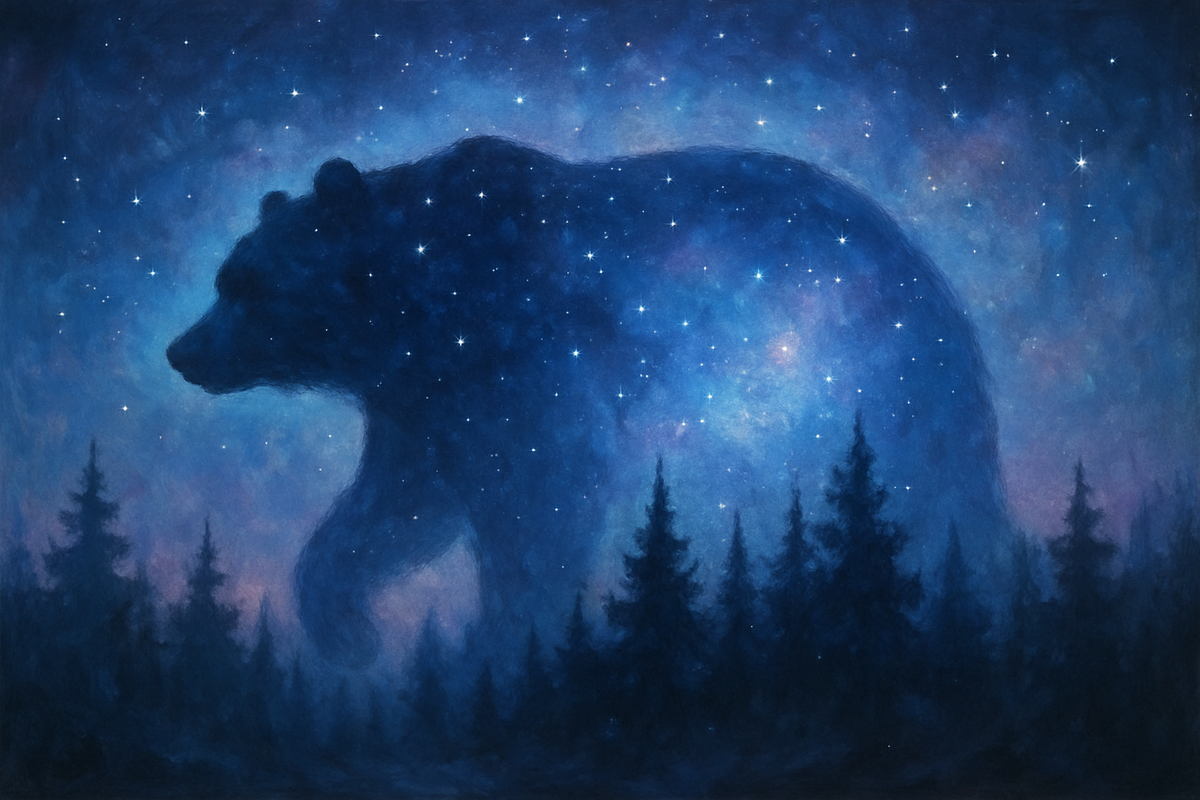
Just as color carries symbolic weight in insect and bird lore — consider how the colors of a ladybug shift its spiritual message — bear coloring shapes its meaning too.
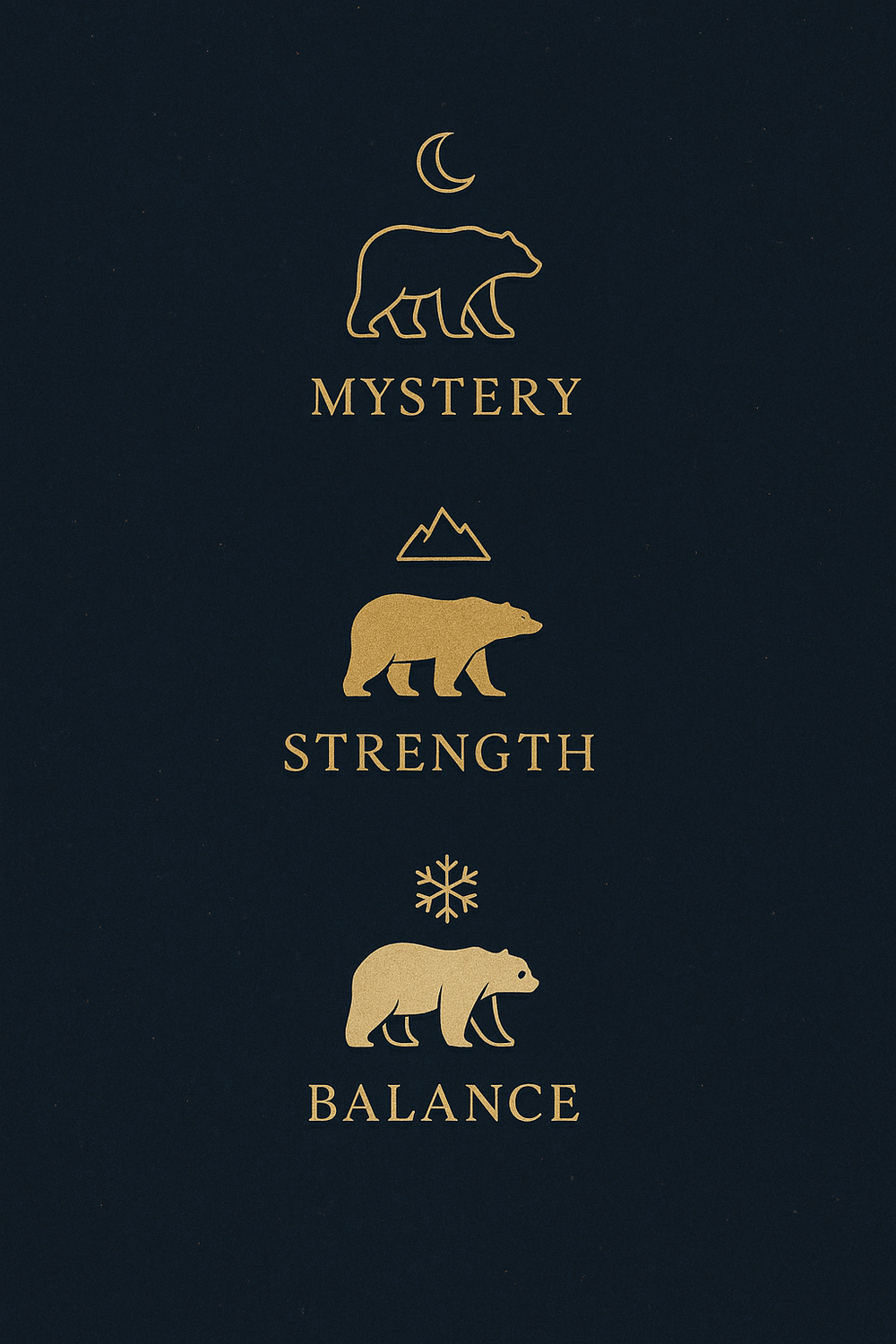
Bear tattoos remain popular precisely because the symbolism translates so cleanly into a personal statement of identity. Common interpretations include:
Whether the bear arrives through a dream, a real encounter, or a recurring image you can't shake, treat it as an invitation rather than a warning. Consider these grounded steps:
Just as noticing a crow's appearance might prompt reflection on transformation, or an owl's presence might signal hidden wisdom coming to light, the bear's symbolism is best honored through action — not passive interpretation. Let its message move you toward rest, protection, or renewed courage, whichever your season calls for.
Spiritually, seeing a bear is often interpreted as a call to reclaim your personal power, set firmer boundaries, or slow down and rest before your next phase of growth. It can also signal that healing — physical, emotional, or relational — is close at hand, especially if the sighting occurs during a period of exhaustion or transition.
In most traditions, the bear is considered a positive, protective omen rather than a bad one, symbolizing courage, healing, and grounded strength. Only in contexts of aggression or danger within a dream does it typically point to unresolved conflict rather than misfortune, and even then it's usually read as a prompt to address the issue, not a prediction of doom.
In Native American traditions such as the Cherokee and Anishinaabe, the bear symbolizes courage, healing medicine, and ancestral kinship, often serving as one of the sacred teaching animals. It is respected as both a fierce protector and a source of herbal wisdom, with its claws and paw prints used as protective symbols by medicine people.
A dream of a bear attacking you usually reflects suppressed anger, fear of confrontation, or a boundary that has been violated in waking life. It's often a signal to address a conflict directly rather than continuing to avoid it, since the bear rarely turns aggressive without a triggering cause.
A black bear is generally associated with mystery, protection, and quiet inner strength rather than overt aggression. Because black bears are typically more elusive and cautious than grizzlies, their symbolism leans toward introspection and steady, watchful power rather than dominance.
A bear crossing your path in real life is usually interpreted as an external sign to pause and reassess your current direction, rather than a purely internal message like a dream would carry. It's often read as reassurance that you have more strength or protection available than you currently feel, or as a nudge to address a boundary you've been avoiding.
The bear is likely your spirit animal if you feel a strong pull toward solitude after intense effort, a natural instinct to protect others, and a tendency to move through life in distinct seasons of activity and rest rather than a constant, steady pace. Many people also feel a deep, wordless recognition or emotional pull toward bear imagery long before they understand why.
Discover what the seahorse truly symbolizes - patience, protection, fatherhood, and inner strength - across myth, dreams, and mode…
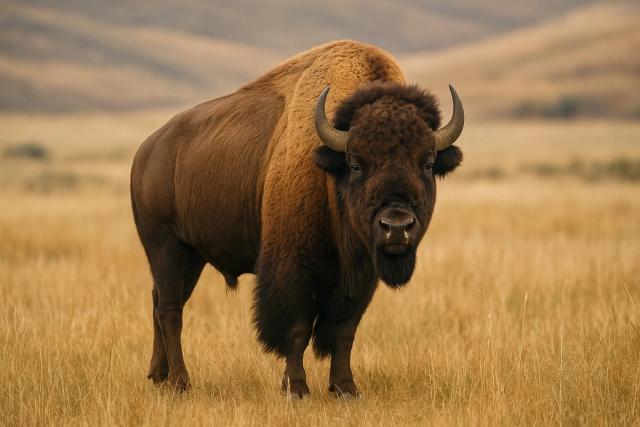
Bison symbolism meaning explained: strength, abundance, resilience & sacred Earth connection. Totem traits, dream meaning, and Ind…
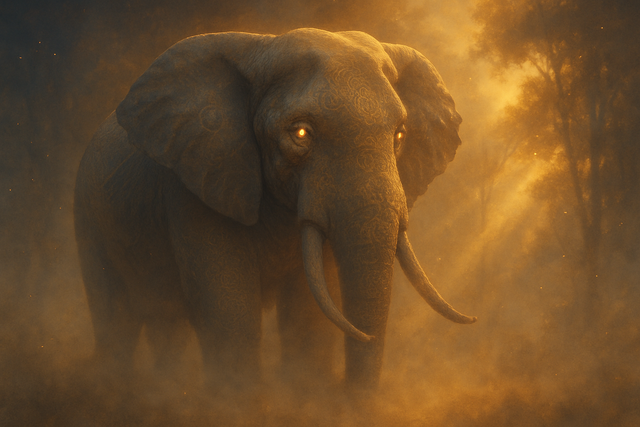
What do elephants symbolize? Explore their spiritual meaning across Hindu, Buddhist, and African traditions, dreams, and daily lif…