
Jewelry & Fashion
17 Types of Hoodies: Styles, Fits & Fabrics Explained
Discover 17 hoodie styles—from pullovers to cropped and tech hoodies—plus fabric tips to pick the right one for every season and o…
 KnowMastery
 Most birthstone jewelry can be cleaned safely with warm water, a few drops of mild dish soap, and a soft toothbrush, then dried with a lint free cloth. The exceptions are porous or heat treated gems like opal, pearl, turquoise and emerald, which should never soak in water or go near an ultrasonic cleaner. The rule to remember is simple: check your stone's hardness and porosity before you reach for any cleaner, because what works fine on a diamond can cloud or crack a pearl in seconds.
There is a particular kind of panic that sets in when you notice your birthstone ring has gone dull, or worse, that a tiny chip has appeared near the setting. Maybe it was your grandmother's amethyst, passed down through three generations of hands that never quite knew how to care for it. Maybe it's the pearl earrings you got for your sixteenth birthday, now sitting cloudy in a drawer because nobody told you pearls hate perfume.
Birthstones carry weight beyond their price tag. They mark the month you were born, the year a relationship began, or a milestone you promised yourself you would remember. Cleaning them the wrong way does not just dull the shine, it can erase decades of history in a single scrub. This guide walks through what each gem actually needs, so the stone tied to your story lasts as long as the story does.
Long before anyone measured a gem on the Mohs scale, people wore birthstones for protection. Ancient Romans believed sapphire guarded its wearer against envy and harm, which is one reason the stone was reserved for royalty and clergy for centuries. During the Renaissance, European physicians prescribed rubies for patients suffering from fevers and inflammation, trusting that the stone's deep red carried some of the body's own life force. That old sense of protection is part of why a scratched birthstone feels like more than a cosmetic problem. Caring for the stone properly is a small, practical way of keeping that promise intact.
Gemologists rank mineral hardness using the Mohs scale, a system developed in 1812 by German mineralogist Friedrich Mohs. It runs from 1 (talc, soft enough to scratch with a fingernail) to 10 (diamond, the hardest natural material on earth). A birthstone's position on this scale tells you most of what you need to know about handling it.
Hardness only tells half the story, though. Porosity matters just as much. Turquoise and opal both sit in the middle of the scale, but they absorb oils, lotion and water like a sponge, which is why they cloud or crack with the wrong care. Treated stones add another layer: most emeralds are oil-filled to hide natural fractures, and that oil breaks down if the stone is cleaned with heat, steam or harsh solvents.
| Birthstone | Month | Mohs Hardness | Safe Cleaning Method | What to Avoid |
|---|---|---|---|---|
| Garnet | January | 6.5-7.5 | Warm soapy water, soft brush | Prolonged heat |
| Amethyst | February | 7 | Warm soapy water, soft brush | Direct sunlight for long periods (fades color) |
| Aquamarine | March | 7.5-8 | Warm soapy water, soft brush | Sudden temperature changes |
| Diamond | April | 10 | Warm soapy water or ultrasonic cleaner | Chlorine bleach on the metal mount |
| Emerald | May | 7.5-8 | Damp soft cloth only | Ultrasonic cleaners, soaking, steam |
| Pearl | June | 2.5-4.5 | Wipe with a soft dry cloth after each wear | Water soaking, perfume, hairspray |
| Ruby | July | 9 | Warm soapy water, soft brush | Harsh abrasives on untreated stones |
| Peridot | August | 6.5-7 | Lukewarm soapy water | Hot water, sudden temperature shifts |
| Sapphire | September | 9 | Warm soapy water or ultrasonic cleaner | Extreme heat on fracture-filled stones |
| Opal | October | 5.5-6.5 | Damp soft cloth only | Water soaking, dry heat, chemicals |
| Citrine / Topaz | November | 7-8 | Warm soapy water, soft brush | Heat exposure, prolonged sunlight |
| Turquoise | December | 5-6 | Dry soft cloth, occasional damp wipe | Water, soap, oils, perfume |
In Victorian England, jewelry owners stored their gemstones wrapped individually in soft flannel with a few flakes of camphor tucked beside them to prevent tarnish on the metal. Rings were removed before washing hands or doing housework, partly for practical reasons and partly out of a belief that water could weaken a stone's protective hold over its wearer. Cleaning itself was done with chalk powder brushed gently over the surface rather than any liquid solution.
In India, the Vedic astrology tradition known as Jyotish takes a different approach. A gemstone prescribed by an astrologer, such as a ruby for the Sun or an emerald for Mercury, is traditionally cleansed in raw cow's milk, Ganges water or honey before it is worn for the first time. This ritual is meant to connect the stone to its planetary energy, and it gets repeated periodically throughout the stone's life, often on a day of the week tied to the corresponding planet. The methods are centuries and continents apart, but the idea underneath them is the same: how you clean a stone is part of how you treat what it stands for to you.
Diamond, ruby, sapphire and topaz handle regular cleaning well. Soak the piece for 15 to 20 minutes in warm water with a small amount of mild dish soap, then scrub gently around the setting with a soft toothbrush. Rinse under warm running water and pat dry with a lint free cloth. These stones can usually handle a home ultrasonic cleaner, though settings with cracks or chips should skip it since vibrations can loosen a stressed stone.
Garnet, amethyst, aquamarine, peridot, citrine and tourmaline fall here. They tolerate the same soap-and-water method as harder stones, but skip the ultrasonic cleaner and keep water lukewarm rather than hot. Sudden temperature swings, like going from a warm bath straight into cold tap water, can cause internal fractures over time.
Pearl, opal and turquoise need the gentlest handling of any birthstone. Never submerge them in water. Wipe pearls with a soft dry cloth after every wear to remove body oils and sweat, and put them on last, after perfume and hairspray, never before. Opals contain trapped water within their structure and can crack if they dry out too fast, so keep them away from direct heat, including sitting on a sunny windowsill. Turquoise is so porous that even hand lotion can discolor it permanently, so a dry cloth is the only cleaning tool it should ever meet.
How you store birthstone jewelry matters almost as much as how you clean it. A fabric-lined jewelry box with individual compartments keeps rings, pendants and earrings from knocking against each other. If you travel often, a roll-up pouch with separate pockets works better than a single zip bag, where stones and metal rub together during transit.
Metal matters too. Rose gold settings get their warm color from a copper alloy mixed into the gold, and that copper content can react to chlorine and harsh cleaners faster than other metals, so check our guide on what rose gold is made of if you're unsure how your setting will hold up. Sterling silver settings tarnish fastest of all and benefit from an anti-tarnish cloth or strip kept in the storage box.
Some situations call for a jeweler rather than a kitchen sink. Bring a piece in if a stone feels loose when you gently press on it, if you see a visible crack or chip, if an antique or inherited piece has never been professionally checked, or if you own treated emeralds, opals or pearls that need resetting. A professional ultrasonic and steam clean, done correctly for the specific stone, can restore shine that home methods cannot reach, and a jeweler will also re-tip worn prongs before a stone falls out unnoticed.
Rings take the most daily abuse since hands touch everything all day. Where you wear the ring matters too: the index and middle fingers bump into things more often than the ring finger does, so stones set there tend to wear down faster. Our guide to ring finger meanings and placements breaks down how finger choice affects more than symbolism.
Earrings sit closer to hair products, perfume and skin oils behind the ear, so wipe posts and backs weekly, and check which type of earring back you're using, since some trap more residue than others.
Bracelets face a different problem: friction. A birthstone bracelet that fits too loosely knocks against desks, car doors and countertops all day, chipping softer stones over time. A properly fitted bracelet, checked against a bracelet size chart, cuts down on that friction and keeps stones from swinging into hard surfaces.
Wipe pieces with a soft cloth after every wear to remove oils and sweat, and do a deeper soap-and-water clean every two to four weeks for hard stones like diamond, sapphire or garnet. Porous stones such as pearl, opal and turquoise only need the dry cloth wipe, never a water soak.
Ultrasonic cleaners are safe for diamond, ruby and sapphire in solid settings, but they can damage emerald, opal, pearl and turquoise, and they can loosen already-cracked stones of any kind. When in doubt, skip the machine and stick to warm soapy water with a soft brush.
For both stones, use a soft dry cloth and never submerge the piece in water. Put these pieces on last, after perfume, lotion and hairspray, and remove them first when getting ready for bed to limit contact with oils and chemicals.
Yes, in most cases. Toothpaste contains fine abrasive particles designed to polish tooth enamel, and those same particles can scratch softer gemstones and dull polished metal settings. Mild dish soap and warm water remove dirt just as well without the risk.
Discover 17 hoodie styles—from pullovers to cropped and tech hoodies—plus fabric tips to pick the right one for every season and o…
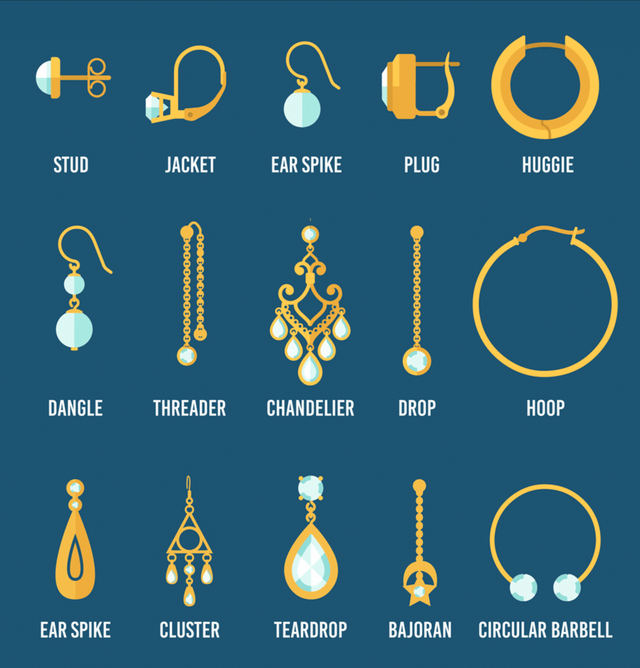
Earrings are a kind of jewelry indispensable in any collection of similar objects and have been worn by both women and men for tho…
EdP has 15-20% fragrance oil for richer, longer-lasting scent; EdT has 5-15% for a lighter, daytime feel. Compare concentration, l…