Animal Symbolism
Leopard Symbolism: Spirit Animal, Totem & Dream Meaning
Leopard symbolism explained: spirit animal & totem meaning, black and snow leopard significance, dreams, tattoos, and leopard vs p…
 KnowMastery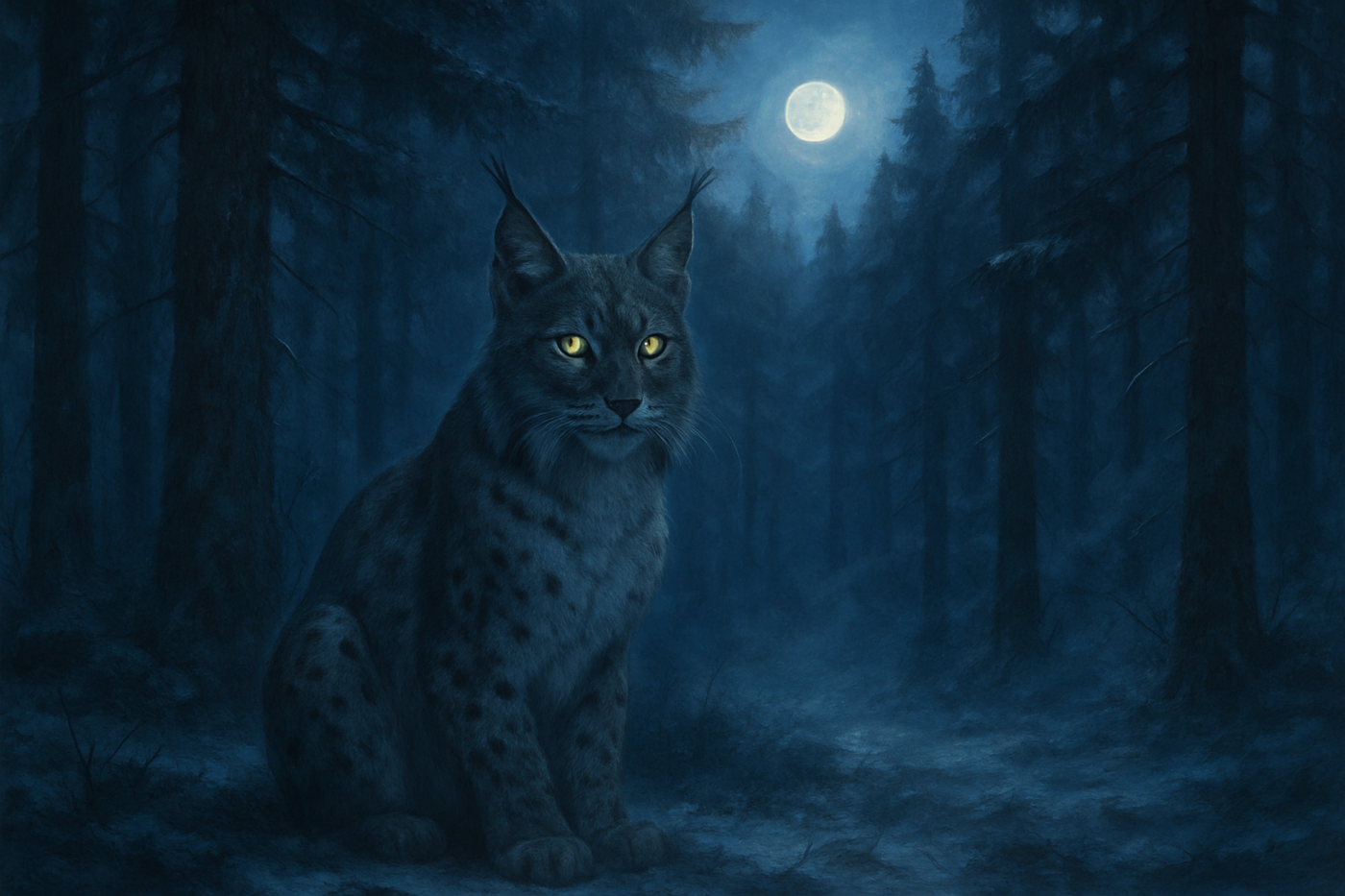
The lynx symbolizes secrecy, heightened intuition, and the uncovering of hidden truths. Across Native American, Norse, and medieval European traditions, this elusive wildcat is regarded as a keeper of secrets—appearing as a spirit guide, totem animal, or dream symbol whenever your inner knowing is ready to surface. Spiritually, the lynx teaches discernment: trusting unseen knowledge, protecting sacred information, and seeing through illusion with quiet, watchful patience rather than force. Its core meaning centers on solitary wisdom—insight earned through stillness, not chased through noise.
There is something unnerving about locking eyes with a creature you were never meant to see. The lynx moves through deep forests like a rumor—there one heartbeat, gone the next, leaving only tufted ear-tips disappearing into snow-heavy branches. Hunters can track one for days and never glimpse it. It doesn't need to be seen to be powerful.
That is precisely why the lynx has fascinated mystics, tribal elders, and dreamers for centuries. It represents the parts of ourselves we keep hidden—the intuition we don't voice, the truths we sense but can't yet prove. When a lynx crosses your path, whether in waking life, dream, or vision, it rarely arrives with noise. It arrives with a question: what are you not yet ready to admit you already know?
At its heart, lynx symbolism is about the tension between secrecy and revelation. Unlike more overt predator symbols, the lynx doesn't chase its meaning into the open—it guards it. Spiritually, this animal is associated with:
Where the hawk symbolizes sharp external vision and decisive action from above, the lynx represents an inward, almost subterranean form of perception—knowledge that rises from stillness rather than pursuit.
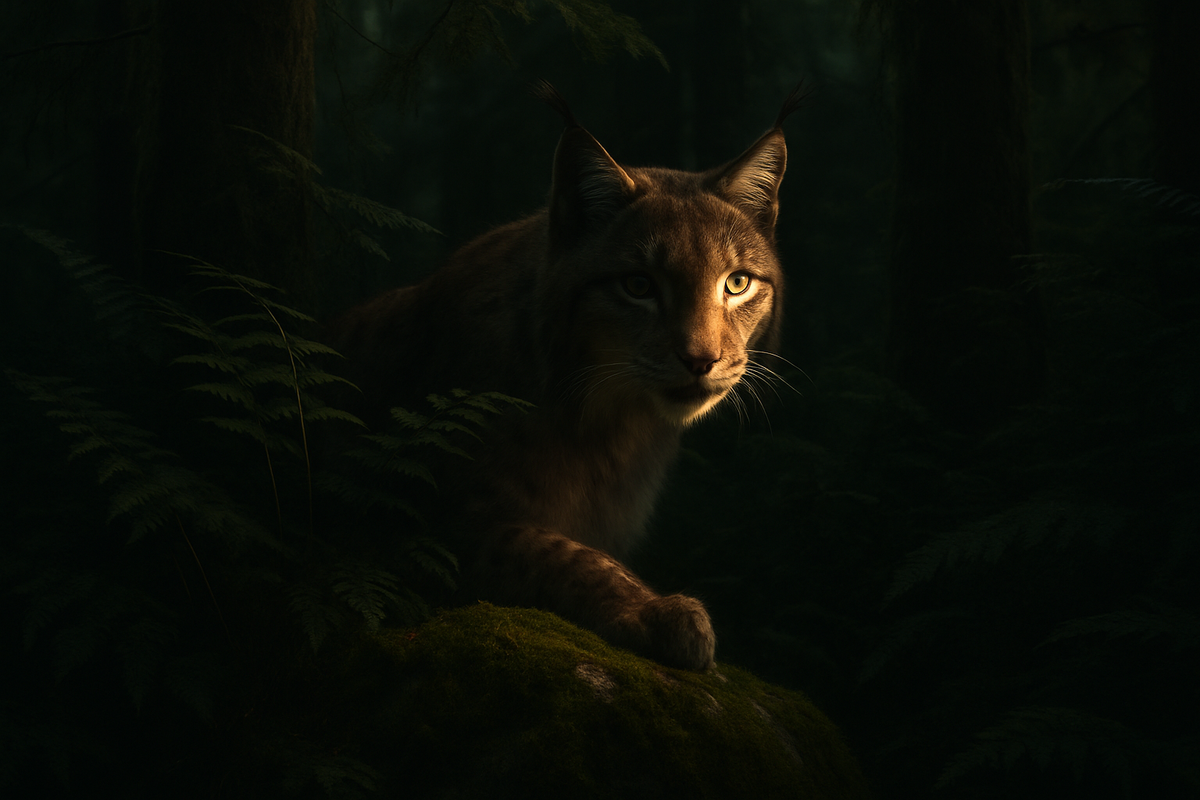
Among several Native American nations, particularly Algonquin-speaking peoples of the northern forests, the lynx is regarded as a keeper of secrets literally and spiritually. Stories describe the lynx as an animal that knows things others do not, and one that will only reveal a secret to someone who has proven themselves worthy of trust. Some Ojibwe and Cree oral traditions frame the lynx as a spirit guide for those undertaking vision quests, offering clarity to those who sit quietly with uncertainty instead of forcing answers.
In Norse belief, the lynx held a place of quiet reverence connected to the goddess Freya, whose chariot was said to be pulled by great cats. While often depicted as forest lynxes or wildcats, these companions symbolized Freya's dual nature—love and war, softness and ferocity, the seen and the unseen. The lynx's presence beside a goddess of magic (seiðr) reinforced its link to hidden knowledge and feminine mystic power.
Medieval European folklore claimed the lynx possessed such piercing eyesight it could see through solid objects—even stone walls. This gave rise to the phrase "lynx-eyed," still used today to describe someone remarkably observant. Bestiaries of the 12th and 13th centuries often paired the lynx with the mineral "lyncurium," a gemstone supposedly formed from its hardened urine, believed to have protective and revealing magical properties.
In parts of Celtic-influenced folklore, wildcats and lynxes were seen as threshold guardians—animals that lived at the edge of the known world, between village and wilderness. Encountering one was thought to mean you were standing, spiritually, at your own threshold: a boundary between what you consciously know and what your deeper instinct is trying to tell you.
If the lynx is your totem or has appeared repeatedly as a spirit guide, it typically signals a season of life requiring discernment over disclosure. This is not an animal that pushes you toward big declarations. It asks you to observe longer, speak less, and trust the quiet knowing that builds in silence.
This differs meaningfully from other animal guides. The owl's symbolism leans toward wisdom gained through night vision and omniscience, while the lynx's wisdom is more personal and withheld—knowledge kept close rather than broadcast.
Dreaming of a lynx is rarely a neutral event—it tends to arrive during periods when your intuition is trying to override your logic. Consider the context of the dream carefully:
| Dream Scenario | Possible Spiritual Meaning |
|---|---|
| A lynx watching you silently | Something in your life is being observed or judged—trust your instincts about who to confide in |
| A lynx leading you through a forest | You're being guided toward a hidden truth or a decision you've been avoiding |
| A lynx attacking or hissing | A boundary has been violated, or a secret has been (or is about to be) exposed |
| A lynx disappearing quickly | An opportunity for insight is fleeting; pay closer attention to subtle signs around you |
| Petting or bonding with a lynx | You are learning to trust your own intuition and inner voice |
Much like dreaming of a spider's intricate web, a lynx dream often reflects unseen connections and forces working beneath the surface of your waking life—patterns you sense before you can explain them.
| Culture/Tradition | Primary Symbolic Meaning | Associated Trait |
|---|---|---|
| Algonquin & Cree (North America) | Keeper of secrets | Discernment, earned trust |
| Norse | Companion of Freya | Magic, hidden feminine power |
| Medieval Europe | Piercing, all-seeing sight | Truth-seeing, protection |
| Celtic-influenced folklore | Threshold guardian | Liminal wisdom, boundaries |
Symbolic encounters mean little without action. If the lynx has entered your awareness—through a sighting, a dream, or a persistent inner pull toward this animal—here is how to work with its energy:
Just as a fleeting hummingbird sighting can signal joy returning to your life, a lynx sighting tends to signal that clarity is returning—quietly, and on its own schedule.
It helps to distinguish the lynx from its feline relatives. While the mountain lion is often tied to leadership and raw courage, and the bobcat to adaptability, the lynx is uniquely tied to discretion and inner sight. It doesn't symbolize dominance or territory the way larger cats do—it symbolizes the quiet, watchful knowing that exists just beneath the surface of everyday awareness, similar in subtlety to how the crow's symbolism hints at messages from the unseen world, though the crow speaks through omens while the lynx communicates through silence.
Seeing a lynx in person is considered spiritually significant precisely because the animal is so rarely spotted. It's often interpreted as a sign that hidden information is about to surface, or that you're being called to trust an instinct you've been ignoring.
The lynx is generally viewed as a positive, protective omen rather than a negative one. It signals discernment and heightened awareness, though it can also warn you to be more careful about who you trust with sensitive information.
In several Algonquin-speaking traditions, the lynx symbolizes secrecy and earned trust, often described as an animal that only reveals its secrets to those who prove worthy through patience and integrity. It's closely tied to vision quests and personal spiritual clarity.
A lynx totem suggests you're naturally private, perceptive, and cautious about who you let close, but deeply loyal once trust is established. It often points to a life phase where you're being asked to rely on instinct over group consensus when making important decisions.
Leopard symbolism explained: spirit animal & totem meaning, black and snow leopard significance, dreams, tattoos, and leopard vs p…

Manta ray spirit animal meaning: what it symbolizes, key personality traits, and signs it's guiding you right now.
What do moths really symbolize? Explore the spiritual meaning of moths—transformation, intuition, and hidden light—across myth, dr…