
History
The History of Wedding Rings: Origins & Meaning
Discover why wedding rings are worn on the fourth finger, their ancient origins in Egypt and Rome, and what they truly symbolize t…
 KnowMastery
Plan 9 from Outer Space is a 1959 science-fiction horror film written, produced, and directed by Ed Wood. The plot follows extraterrestrials who reanimate three recently deceased humans as shambling ghouls in a last-ditch effort to stop mankind from building a doomsday weapon capable of destroying the universe. Panned on release for its incoherent story, dollar-store special effects, and wobbling cardboard props, it has since been crowned "the worst movie ever made" — a reputation that, ironically, transformed it into one of the most beloved cult classics in film history.
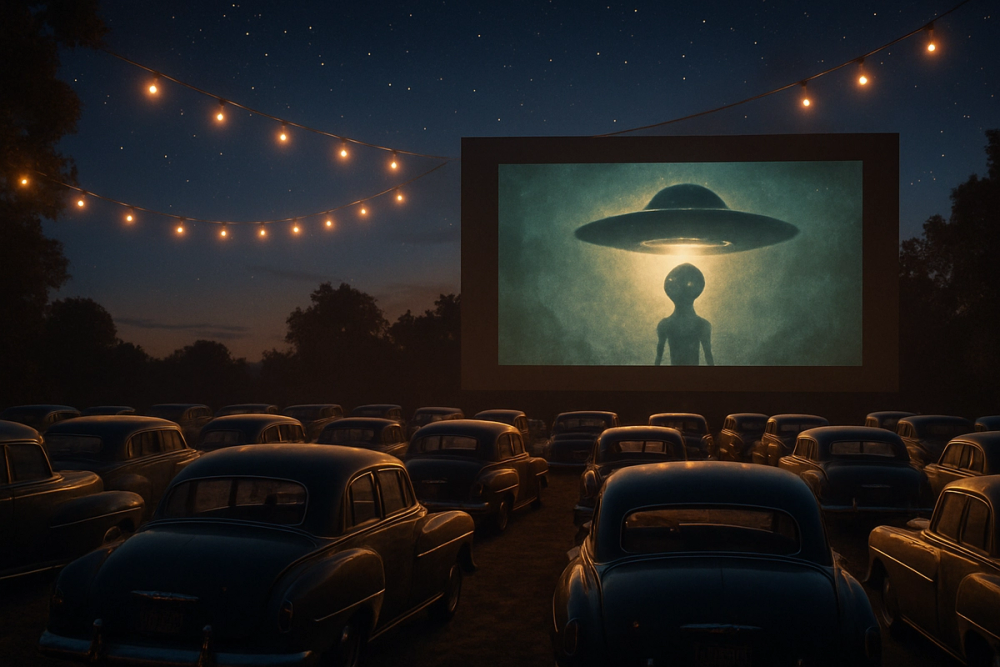
The film's opening narrator was Criswell, Wood's psychic friend, who greeted viewers with his famous prediction of the future before the story began. Alarmed that humans are on the verge of inventing a weapon that could destroy the universe, alien leader Eros (Dudley Manlove) and his fellow extraterrestrial Tanna (Joanna Lee) implement "Plan 9" — the ninth in a series of desperate schemes — which involves resurrecting the recently dead as zombies and vampires near a California cemetery.
The reanimated corpses, including an elderly man (Bela Lugosi's stand-in), Inspector Clay (Tor Johnson), and a vampire woman (Vampira), terrorize the small town while pilot Jeff Trent (Gregory Walcott) and the military try to stop the alien invasion before the "Solaranite" weapon triggers universal annihilation. After a courtroom-style confrontation aboard the flying saucer, the humans destroy the ship, ending the invasion in typically abrupt, low-budget fashion.
Upon release, Plan 9 from Outer Space was met with scathing reviews. Critics lambasted its incoherent plot, amateurish production values, and often laughable special effects — visible boom mics, paper-plate UFOs on strings, and daytime scenes passed off as night all became running jokes. The film's shoestring budget led to glaring continuity errors and questionable casting choices, and it quietly disappeared from theaters. Decades later, the 1980 book The Golden Turkey Awards officially crowned it the "worst movie ever made," a label the film has never shaken — and one that, decades on, is essentially its calling card. Reviewers on aggregators like Rotten Tomatoes still debate whether it deserves the title or simply the most famous one.
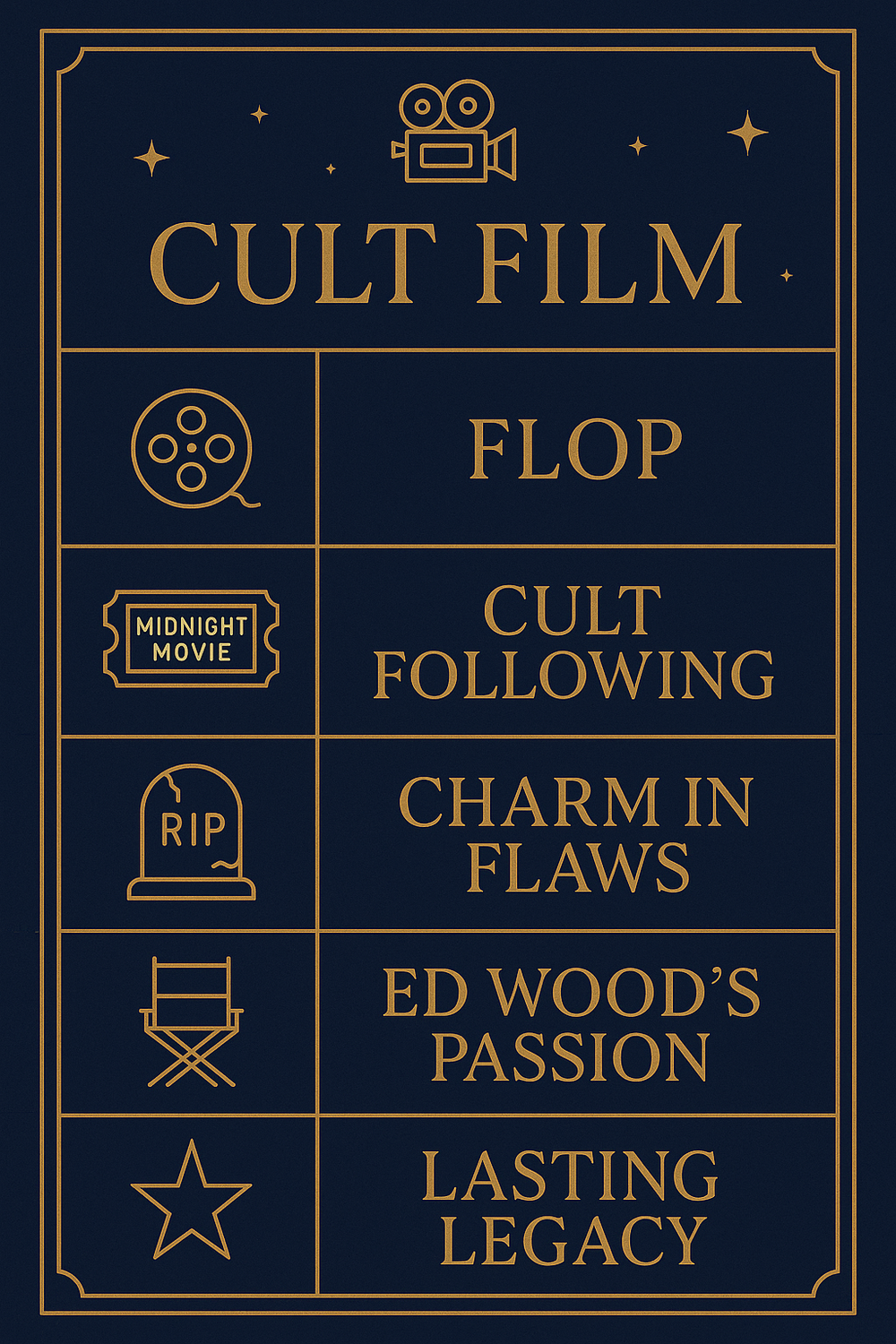
Despite its rocky start, the film began gaining traction in the 1970s and 1980s. Midnight screenings, often accompanied by audience participation reminiscent of The Rocky Horror Picture Show, catapulted Plan 9 into cult status. Several qualities explain why an ostensibly "bad" movie resonated so deeply with audiences:
That grassroots fandom eventually pushed the film into the mainstream, inspiring documentaries, parodies, and even a Tim Burton biopic about its director — proof that a film's reputation, good or bad, can be enough to earn it a permanent seat in cinema history.
It's impossible to discuss Plan 9 from Outer Space without examining the mind of its creator, Ed Wood. Often dubbed the "worst director of all time," Wood's undying passion for filmmaking and idiosyncratic vision set the stage for what would become one of the most talked-about films in cinematic history. His IMDb filmography shows a director who never stopped working, regardless of budget or reviews.
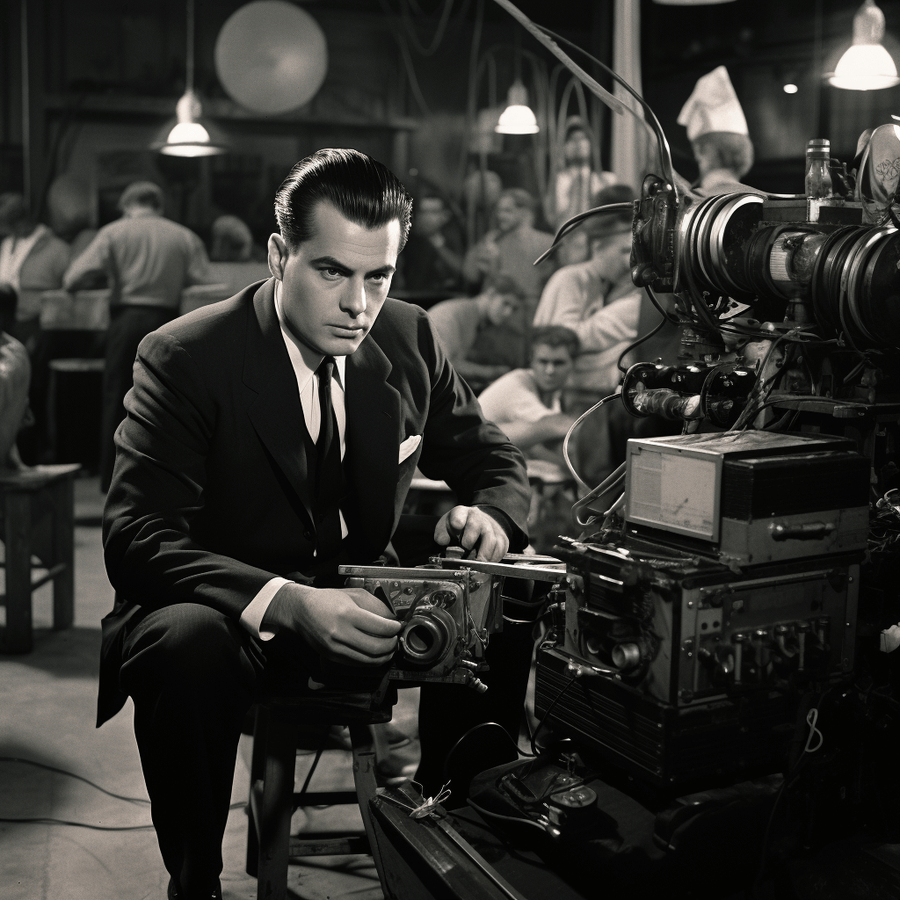
Ed Wood wrote, produced, and directed Plan 9 from Outer Space himself, working from an original screenplay (not adapted from any book or prior film). His love for cinema was evident from a young age, and despite facing budgetary constraints and a lack of formal training, he was determined to bring his visions to life. While the film's narrative was often deemed incoherent, it was clear Wood had a story he was burning to tell — even if the execution didn't match the ambition.
Creating Plan 9 was no easy feat. With a shoestring budget, Wood had to get creative. This led to some of the film's most iconic quirks:
Beyond its quirks, Plan 9 remains a useful case study in low-budget filmmaking. Wood's resourcefulness — cardboard sets, reused footage, and a cast of friends and investors — shows how constraints can force unexpected creative choices. The cast and crew, many of whom were close friends of Wood, believed in his vision, and that camaraderie is visible on screen even when the execution falls short. Three lessons stand out for aspiring filmmakers today: embrace constraints as creative fuel, stay true to your original vision rather than chasing trends, and remember that genuine passion for a project is often what audiences respond to, long after budget and polish are forgotten.
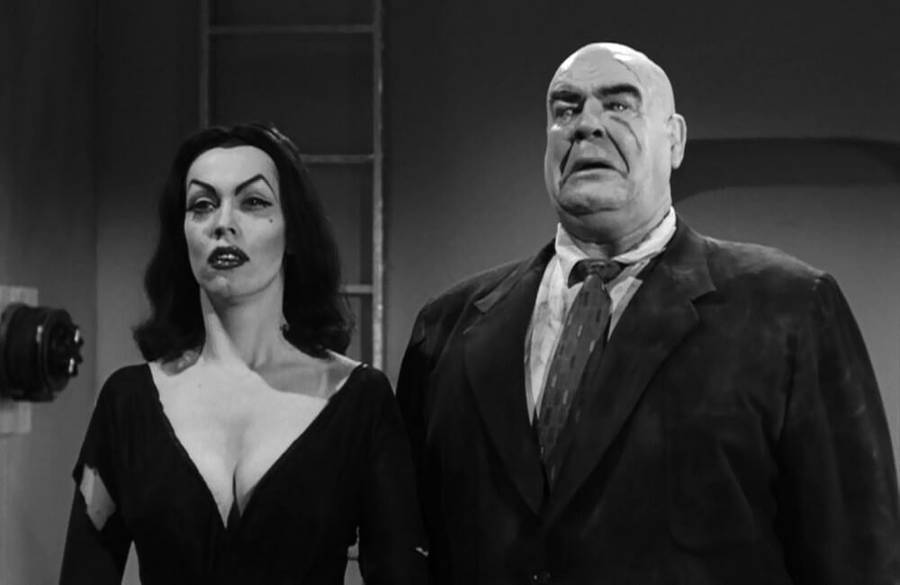
While Plan 9 from Outer Space is often remembered for its eccentric director and production quirks, the cast played an integral role in bringing Ed Wood's vision to life. Here's a closer look at the film's memorable characters, the actors behind them, and what happened to their careers afterward.
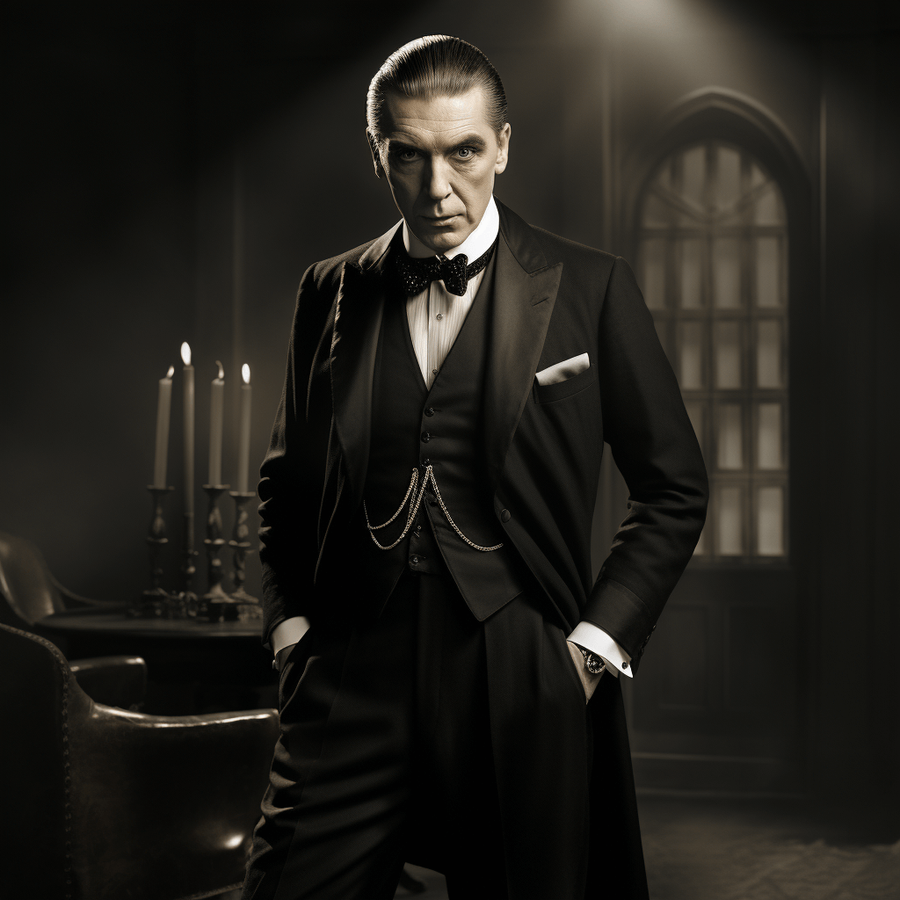
Bela Lugosi, best known for his iconic portrayal of Count Dracula in the 1931 classic, played a mysterious old man in Plan 9. Lugosi died in 1956, three years before the film's release, so Wood — a personal friend — repurposed a few minutes of silent test footage he had shot of the actor and used a stand-in (his wife's chiropractor, holding a cape over his face) for the remaining scenes. This makes Plan 9 from Outer Space Lugosi's final and posthumous screen appearance, a bittersweet coda to a career that began with Dracula and included other genre landmarks such as:
Even in his final years, plagued by personal and professional struggles, Lugosi remained a consummate professional, bringing gravitas to even the most outlandish material — a dedication that keeps his name inseparable from Plan 9's legacy today.
Maila Nurmi, popularly known as Vampira, brought a gothic allure to her role as the reanimated wife. Her unique look and eerie demeanor made her character one of the film's standout elements, and she remained a cult figure afterward, influencing generations of goth culture. Tor Johnson, a former professional wrestler, played the lumbering Inspector Clay; his imposing physique and distinct look made him a memorable presence, and he continued working in B-movies, often collaborating with Wood.
Actors like Gregory Walcott, Mona McKinnon, and Tom Keene played pivotal roles, bringing depth to the film's narrative. While they didn't achieve the same fame as Lugosi or Vampira, their contributions to Plan 9 and other films of the era are still noted by classic-film historians.
| Gregory Walcott | Jeff Trent | Continued acting in films and TV shows until the 1990s. |
| Mona McKinnon | Paula Trent | Worked in a few more films before retiring from acting. |
| Tom Keene | Col. Tom Edwards | Acted in several more films before his passing in 1963. |
| Dudley Manlove | Eros, the alien | Appeared in a handful of films and TV episodes in the 1960s. |
| Joanna Lee | Tanna, the female alien | Transitioned to screenwriting and won awards for her work in television. |
| John Breckinridge | The Ruler, alien leader | Had minor roles in a few other films and TV shows. |
| Paul Marco | Officer Kelton | Continued to act in several of Ed Wood's films and other projects. |
| Lyle Talbot | General Roberts | Had a prolific career in both film and television, spanning several decades. |
| Conrad Brooks | Patrolman Jamie | Worked in numerous low-budget films, often collaborating with Ed Wood. |
| David De Mering | Navigator | His acting career was limited, with "Plan 9" being one of his few film roles. |
| Norman Field | Dr. Mason | Appeared in numerous films and TV shows throughout the 1940s and 1950s. |
| Bill Ash | Second Stretcher Bearer | Had minor roles in a few other films during the 1950s. |
| Gloria Dea | Corpse | "Plan 9" remains her most recognized role, with limited filmography thereafter. |
| Ben Frommer | Undead Ghoul | Played various roles in films and TV shows, often as background characters or in minor roles. |
| Maila Nurmi | Vampire Girl | Became a cult figure known as Vampira, influencing generations of goth culture. |
| Carl Anthony | Patrolman Larry | Appeared in a few other films in the 1950s and 1960s. |
| Reverend Lynn Lemon | Opening Narrator | Primarily known for his role in "Plan 9," with limited other filmography. |
| Tom Mason | Dr. Manley's Double | Mostly remembered for his stand-in role in "Plan 9," with few other known roles. |
| Tony McCoy | Second Pilot | Worked in a handful of films in the 1950s, with "Plan 9" being his most notable. |
The 1950s was a golden era for science fiction cinema. With Cold War tensions and the space race in full swing, filmmakers tapped into the collective anxieties and hopes of the time, producing a slew of iconic films. Plan 9 from Outer Space, while often dubbed the "worst movie ever made," stands as a unique testament to this period. Its resurrected-alien mythology also echoes far older folklore about beings that return from beyond death — a theme explored across cultures in KnowMastery's 100+ Mythical Creatures List, from revenants to shapeshifting spirits. So how does the film compare to its more polished contemporaries?
Directed by Robert Wise, The Day the Earth Stood Still tells of an alien visitor and his robot enforcer landing on Earth to deliver a warning to humanity. Unlike Plan 9, which leans heavily into B-movie territory, this film is polished, with a strong message about peace and understanding.
Another titan of 1950s sci-fi, Forbidden Planet boasts impressive special effects for its time and a plot inspired by Shakespeare's The Tempest. While Plan 9 had its charm, it lacked the budget and technical prowess showcased here.
Invaders from Mars taps into the paranoia of the era, with a young boy discovering that aliens are taking over the minds of people. Both this film and Plan 9 share themes of alien invasion, but their execution and reception were vastly different.
While Plan 9 had its reanimated dead, Them! presented giant irradiated ants as its central threat. A commentary on the dangers of nuclear testing, it was both a commercial and critical success, contrasting sharply with the reception of Ed Wood's magnum opus.
| Film | Central Theme | Reception |
|---|---|---|
| Plan 9 from Outer Space | Alien resurrection of the dead | Cult classic, often dubbed the "worst movie ever made" |
| The Day the Earth Stood Still | Alien peace envoy | Critical acclaim, regarded as a classic |
| Forbidden Planet | Space exploration and ancient alien civilizations | Commercial and critical success |
| Invaders from Mars | Alien mind control | Mixed reviews, but has since gained a cult following |
| Them! | Giant irradiated ants | Commercial and critical success |
Beneath its wobbly props, Plan 9 taps into a fear as old as storytelling itself: the dead refusing to stay dead. Across mythologies worldwide, resurrection and reanimation are loaded symbols — of unfinished business, divine judgment, or nature rebelling against human overreach. Wood's aliens don't raise the dead out of malice; they do it as a warning shot, a "last resort" meant to stop humanity from destroying itself with its own technology. That framing mirrors Cold War-era anxieties about nuclear weapons and atomic testing, the same fears that fueled *Them!* and *Invaders from Mars*.
Seen this way, the zombies and vampire of Plan 9 aren't just cheap horror props — they're stand-ins for consequence itself, the idea that humanity's choices might literally raise the dead against it. It's a clumsy execution of a genuinely old and resonant symbolic idea, which may be part of why the film's premise still gets referenced decades after its laughable effects were forgotten.
Despite its initial reception as one of the "worst films ever made," Plan 9 from Outer Space has since been embraced by audiences and critics alike for its campy charm and unintentional humor. Its unique place in cinematic history has led to numerous references, parodies, and homages.
From animated series to late-night talk shows, Plan 9 has been a favorite target for comedic references. Shows like The Simpsons, Futurama, and Saturday Night Live have all poked fun at the movie's infamous scenes. The film's title and themes have also inspired musicians over the years; some bands have named themselves after the movie, drawing both their name and aesthetic from its quirky vibe.
Contemporary filmmakers, especially those in horror and sci-fi, often pay tribute to Plan 9. Whether through subtle nods in dialogue or overt recreations of its most memorable scenes, its influence is evident across a range of movies, from indie projects to studio releases.
From T-shirts to posters, the film's imagery has been widely adopted by fans and merchandisers alike, and annual screenings — especially around Halloween — have become events where fans dress up as their favorite characters and recite lines in unison.
When Plan 9 from Outer Space was first released in 1959, it was met with a mix of bewilderment, amusement, and outright disdain. Many found its plot convoluted, its effects laughable, and its acting over-the-top, and it struggled to find footing in mainstream cinema. As the years went by, the very elements once ridiculed became points of celebration for a growing subset of film enthusiasts, and the movie began screening at midnight showings that drew crowds who reveled in its eccentricities.
| Time Period | General Reaction |
|---|---|
| 1959 – 1960s | Mostly negative, with criticisms focused on plot and production values. |
| 1970s – 1980s | Emergence as a cult classic, with midnight screenings and a growing fanbase. |
| 1990s – Present | Recognition as a unique piece of cinematic history, with a mix of affection and amusement. |
That evolving affection has since spilled into new formats. Theater groups have adapted Plan 9 for the stage, often playing up its unintentionally comedic moments with elaborate sets and lighting. Fan-made animations and digital projects have reimagined the alien-resurrection story for tech-savvy audiences, and documentaries have explored the challenges of its production, Wood's vision, and the film's unlikely path to cult status.
| Type | Description |
|---|---|
| Theatrical Adaptations | Stage versions with a contemporary twist, often emphasizing the film's comedic elements. |
| Digital Reimaginings | Animations, video games, and other digital adaptations offering interactive experiences. |
| Documentaries | Deep dives into the film's history, its making, and its journey to becoming a cult classic. |
Six decades on, Plan 9 from Outer Space remains proof that a film's legacy isn't always tied to its budget or its reviews — sometimes it's tied to how memorably, and how sincerely, a story gets told.
No. Plan 9 from Outer Space is not based on a book — it was an original screenplay written by Ed Wood, who also produced and directed the film.
Plan 9 is the aliens' scheme to resurrect Earth's dead as ghouls to stop humanity from creating a doomsday weapon that could destroy the universe. It's the ninth plan attempted after the first eight failed, which gives the film its title.
Yes. Plan 9 from Outer Space features silent test footage of Bela Lugosi shot before his death in 1956, making the 1959 release his final, posthumous screen appearance. Because so little footage existed, most of his scenes were completed using a stand-in holding a cape over his face.
Plan 9 from Outer Space has a runtime of 79 minutes, typical for a low-budget B-movie of its era.
The title refers to the aliens' ninth plan to save the universe from humanity's destructive tendencies. The "from Outer Space" portion emphasizes the extraterrestrial origin of the plan and the beings executing it.
No. Plan 9 from Outer Space was not a commercial success upon its initial release. It later gained a cult following and is now often referred to as the "worst movie ever made," which paradoxically fueled its enduring popularity.
Plan 9 from Outer Space is widely treated as being in the U.S. public domain due to a lapsed copyright, though at least one distributor has claimed to hold a renewed copyright, leaving its exact legal status disputed.
Because it's largely in the public domain, Plan 9 from Outer Space is available for free on platforms like the Internet Archive and YouTube, and it frequently airs on classic-movie cable channels. Always check that any streaming source is legitimate before watching.
Ed Wood wrote the screenplay himself, in addition to directing and producing the film. It was an original story, not adapted from any existing novel, comic, or prior screenplay.
Plan 9 from Outer Space is classified as science-fiction horror, blending alien-invasion tropes with zombie and vampire horror imagery. Its combination of low-budget effects and earnest melodrama has also led many critics to describe it as unintentional comedy.
Discover why wedding rings are worn on the fourth finger, their ancient origins in Egypt and Rome, and what they truly symbolize t…
A full review of 'Who Loves the Sun' (2006): plot breakdown, cast guide, ending explained, and where the Canadian dramedy was film…
A full timeline of mirror history—from 6000 BCE obsidian to Venetian glass—plus the myths, superstitions, and dream meanings behin…