
History
Plan 9 from Outer Space: From Worst Movie to Cult Classic
Why is Plan 9 from Outer Space called the worst movie ever made? Explore its plot, cast, Ed Wood's vision, and its rise to cult cl…
 KnowMastery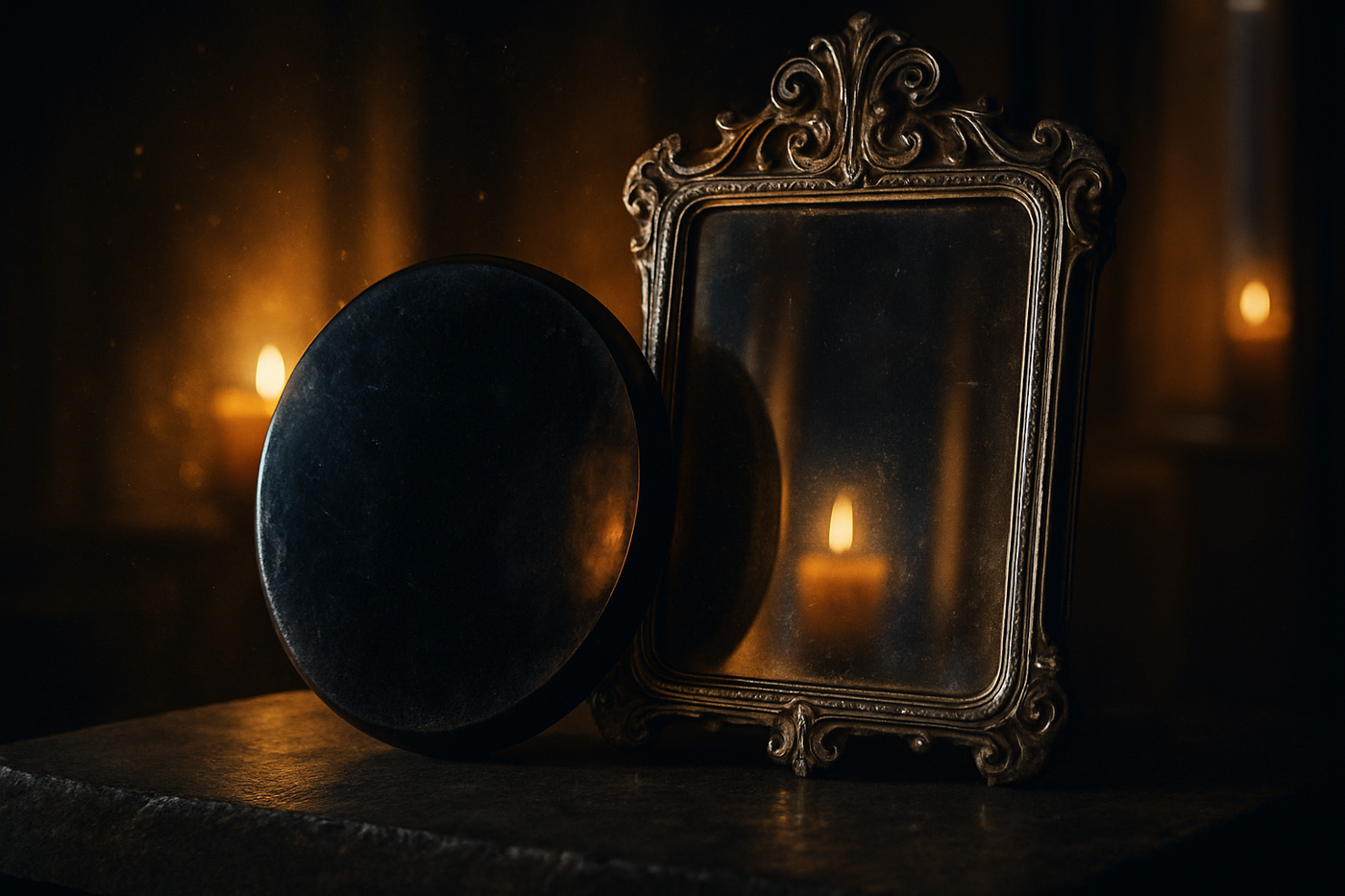
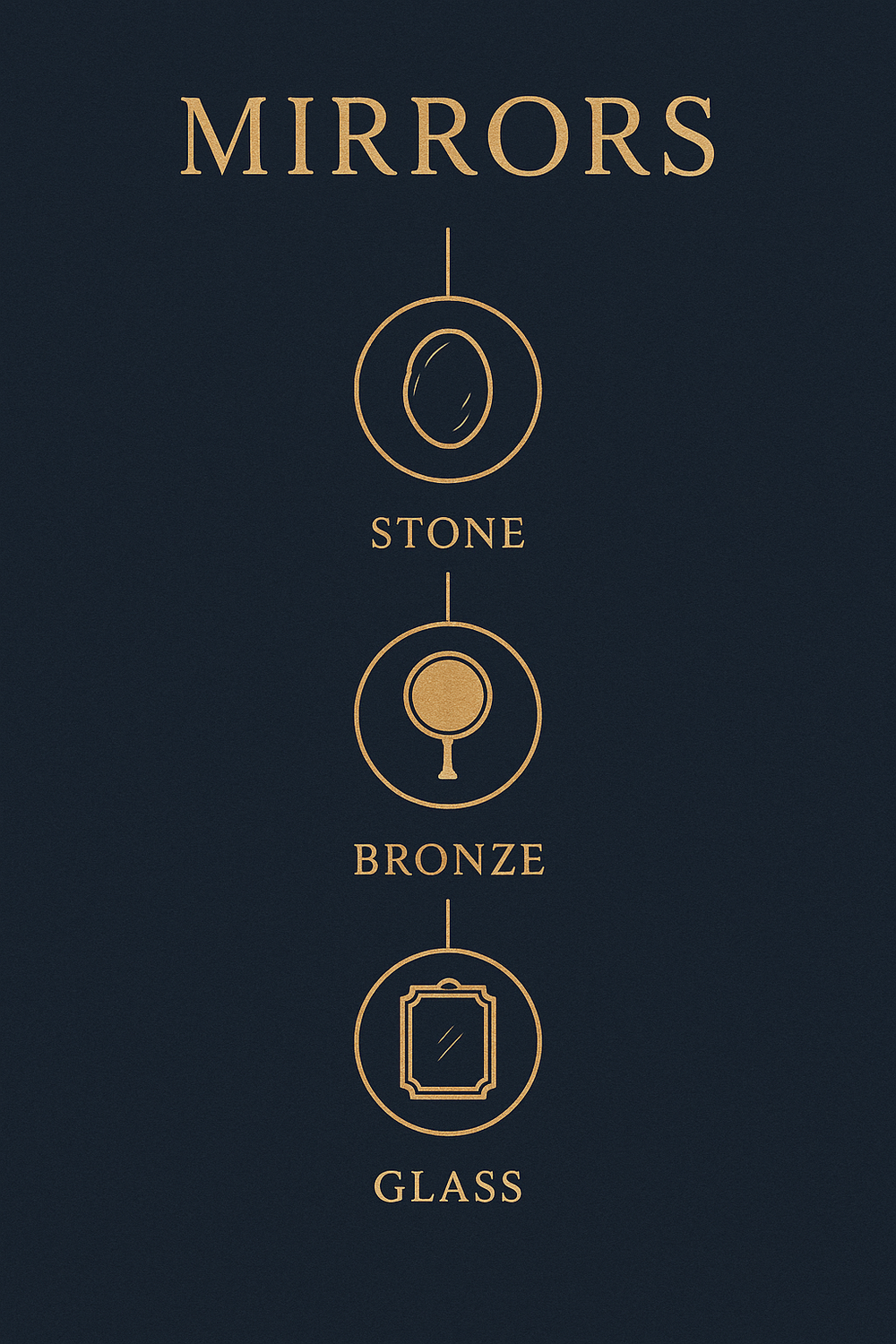
Mirrors were invented around 6000 BCE, when artisans in Çatalhöyük, in present-day Turkey, polished volcanic obsidian into smooth, reflective surfaces. From there, mirror-making evolved through burnished copper and bronze in Mesopotamia and Egypt, cast bronze discs in China and Japan, and finally silvered glass mirrors perfected in Venice during the 16th century. Each leap in technology reshaped how humans understood beauty, identity, and even the soul—turning a simple reflective surface into one of history's most symbolically loaded objects.
Long before anyone could see their own face clearly, people stared into still ponds and dark stones, searching for something more than an image. They were looking for truth, for a glimpse of the divine, for proof that they existed at all.
That hunger never disappeared. It simply followed us from obsidian to bronze, from bronze to glass, and from glass to the smartphone screens we check a hundred times a day. The mirror has always been more than furniture—it has been a portal, a warning, and a mystery.
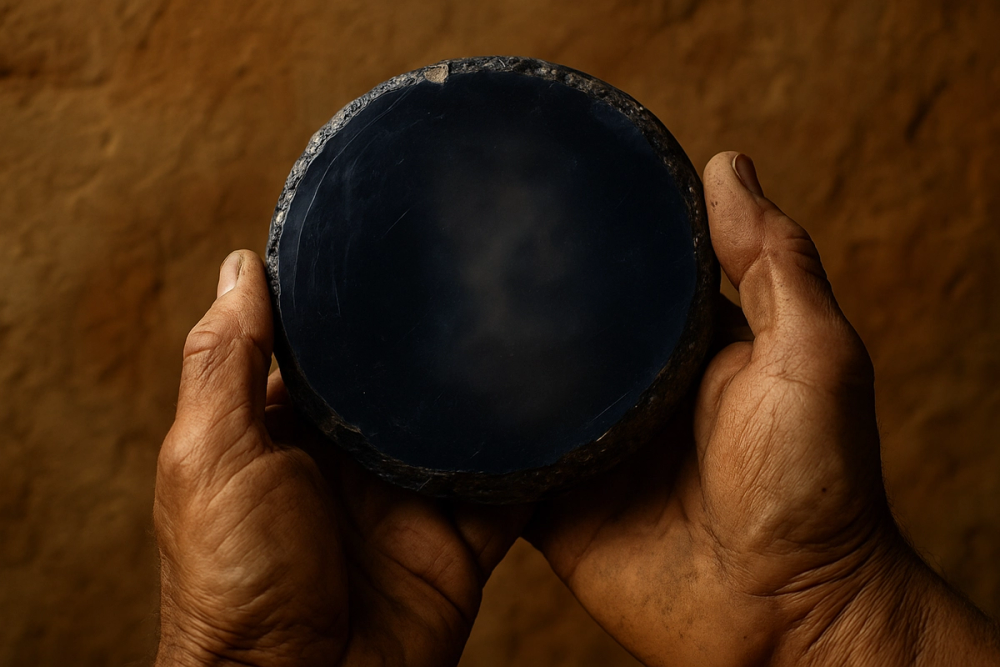
The earliest known mirrors were crafted from obsidian, volcanic glass polished to a glassy sheen by artisans in Çatalhöyük, in present-day Turkey, nearly 8,000 years ago. These dark, imperfect surfaces gave only a smoky, ghostlike reflection—fitting, perhaps, for objects that were often buried with the dead as protection in the afterlife.
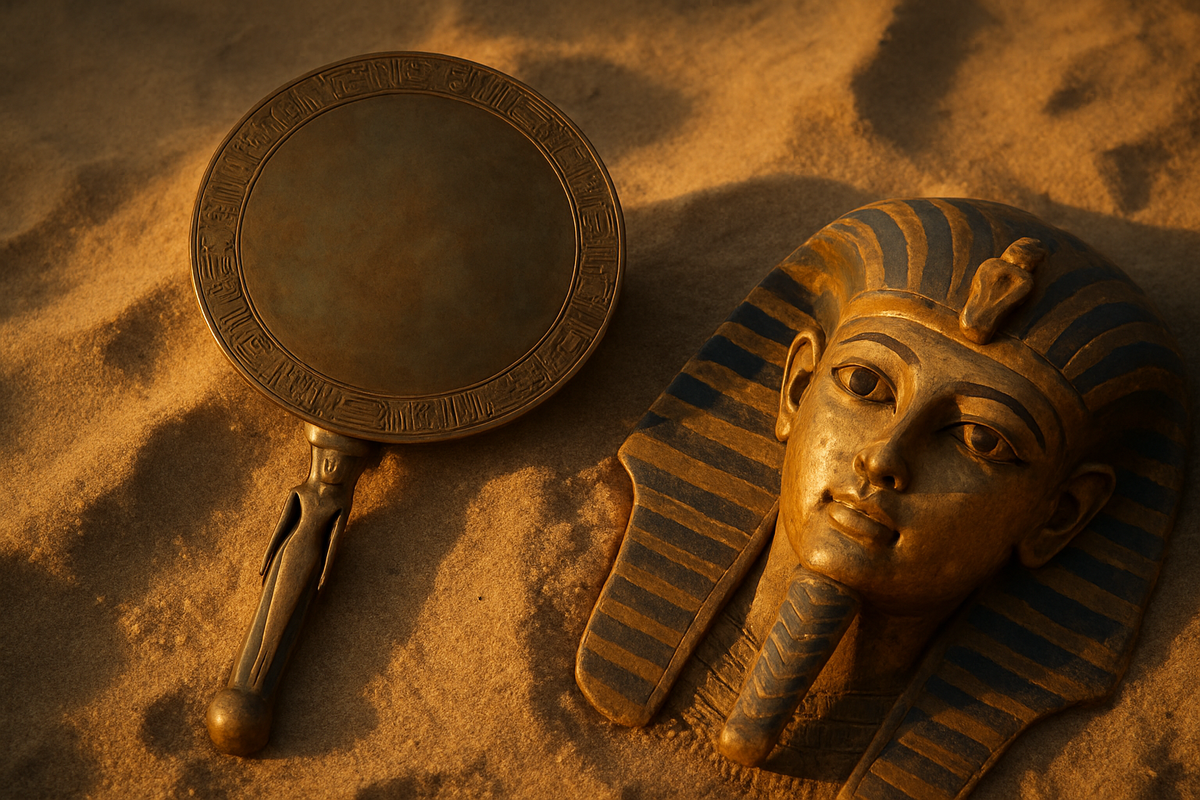
In ancient Egypt, mirrors were made from polished copper and bronze, often shaped like the sun disc and associated with the goddess Hathor, patroness of beauty, love, and joy. Egyptian mirrors were status symbols as much as tools, frequently paired with cosmetics—a connection you can trace further in our history of makeup deep dive. Wealthy Egyptians were buried with their mirrors, believing the reflective disc could help guide the soul through the underworld.
Bronze mirrors from the Qijia culture date to around 2000 BCE, among the earliest in China, though the earliest examples are documented as bearing simple geometric patterns rather than the dragon, constellation, and cosmological imagery that characterizes much later Chinese bronze mirrors. Chinese mirrors were thought to ward off evil spirits and were often hung above doorways—a practice still echoed in feng shui traditions today. In Japan, a sacred bronze mirror known as the Yata no Kagami became one of the three Imperial Regalia, believed to house the spirit of the sun goddess Amaterasu and to legitimize the divine authority of the emperor.
The Romans experimented with blown-glass mirrors backed with lead or gold leaf as early as the 1st century CE, but the results were dim and distorted compared to metal mirrors. It wasn't until the medieval period that glassmaking advances in Lorraine, Germany, allowed for slightly clearer small convex mirrors, prized across Europe for both vanity and, oddly, for detecting counterfeit coins.
The true revolution came from Venice. By the 16th century, artisans on the island of Murano had perfected a technique of backing glass with a tin-mercury amalgam, producing the clearest, most accurate reflections the world had ever seen. Venetian mirrors became luxury exports, so valuable that the Venetian government made it a capital offense for mirror-makers to leave the republic and share their secrets abroad. Owning a Venetian mirror was as much a display of wealth as wearing fine jewelry or dabbing on rare imported scent, a status ritual explored further in our history of perfumes.
The Hall of Mirrors at Versailles, largely built between 1678 and 1684, is often described as containing 357 mirrors (a figure that in some sources refers to the individual glass pieces making up its 17 large panes, while others put the total nearer 578), and it resulted from France luring away Venetian craftsmen to break Venice's mirror-making monopoly. Much like a jeweled crown, the mirrored hall functioned as political theater, projecting monarchy and divine authority through sheer material spectacle, a theme we trace in more depth in our history of crowns.
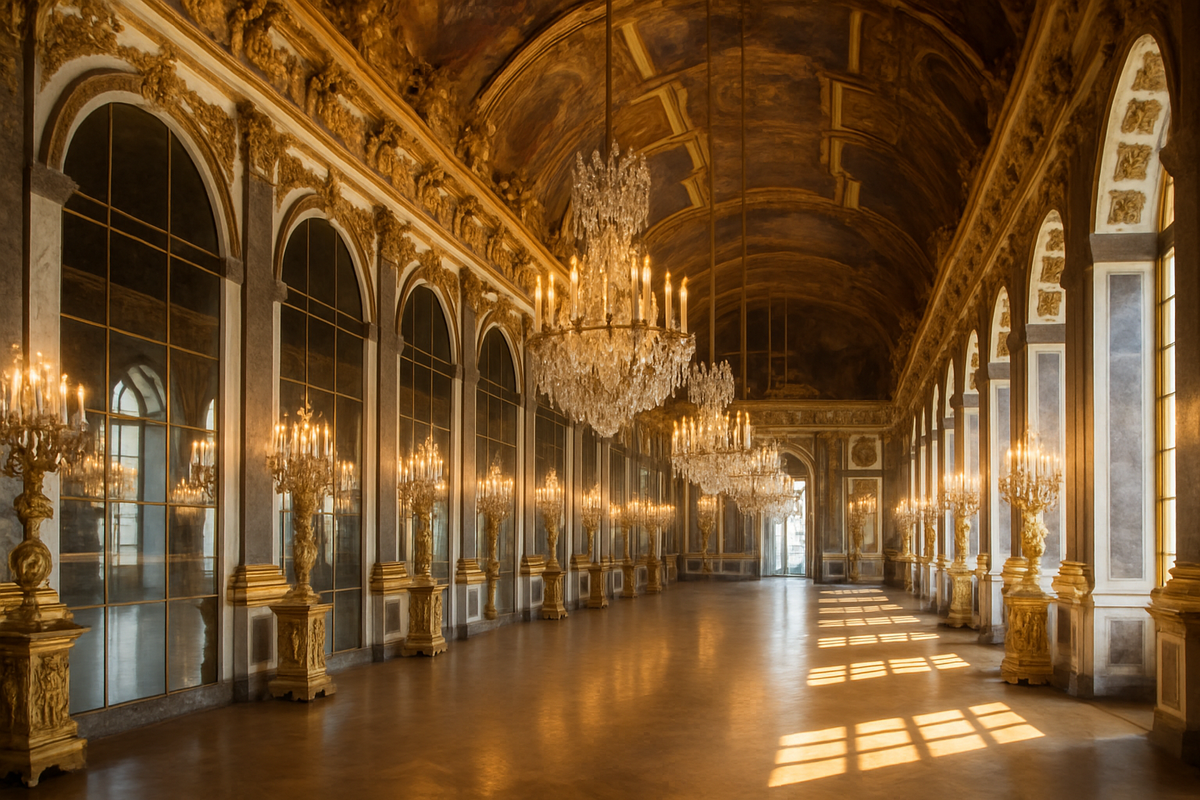
Mirrors remained a luxury reserved for the elite until German chemist Justus von Liebig invented the silvered-glass process in 1835. By coating glass with a thin layer of metallic silver through a chemical reaction, Liebig made mirror production cheap, fast, and scalable. For the first time in history, ordinary households could afford full-length mirrors, and self-reflection—literal and figurative—became a daily ritual for the masses rather than a privilege of royalty.
This democratization coincided with booming interest in personal grooming and fashion, as mirrors moved from parlor centerpieces to everyday bathroom fixtures within a single generation.
Across cultures, mirrors have rarely been seen as neutral objects. They are portals, judges, and traps for the soul.
These beliefs sit alongside a wider human fascination with beings that blur the line between reality and illusion—shapeshifters, spirits, and gods whose stories still echo in folklore collections today.
| Culture | Approximate Date | Mirror Material | Symbolic Meaning |
|---|---|---|---|
| Anatolia (Çatalhöyük) | c. 6000 BCE | Polished obsidian | Afterlife protection, early self-recognition |
| Ancient Egypt | c. 1500 BCE | Polished bronze/copper | Sun, beauty, guidance in the afterlife |
| Ancient China | c. 2000 BCE | Cast bronze | Protection from evil spirits, cosmic order |
| Japan (Shinto) | c. 3rd century BCE | Sacred bronze (Yata no Kagami) | Divine authority, presence of Amaterasu |
| Aztec Empire | c. 1200–1500 CE | Polished obsidian | Divination, insight into fate and the soul |
| Renaissance Venice | 1500s CE | Silvered glass | Wealth, power, self-knowledge |
The spiritual meaning of a mirror is that it represents a threshold between the visible self and the hidden soul. In many esoteric traditions, mirrors are used for scrying, a divination practice where a practitioner gazes into a dark or reflective surface to receive visions or messages, echoing the same obsidian mirrors once used by Aztec priests.
In feng shui, mirrors are considered powerful energy tools capable of redirecting or amplifying chi. Convex mirrors, known as "bagua mirrors," are placed outside homes to deflect negative energy, while mirrors inside are carefully positioned to avoid "trapping" restful energy in bedrooms.
Psychologically and spiritually, the mirror has also become a metaphor for self-confrontation—a tool for honest self-reflection, shadow work, and meditation practices where practitioners sit before a mirror to observe their own gaze without judgment.
A mirror in a dream almost always symbolizes self-perception—how honestly you're seeing your own identity, choices, or emotional state. Interpretations vary depending on context:
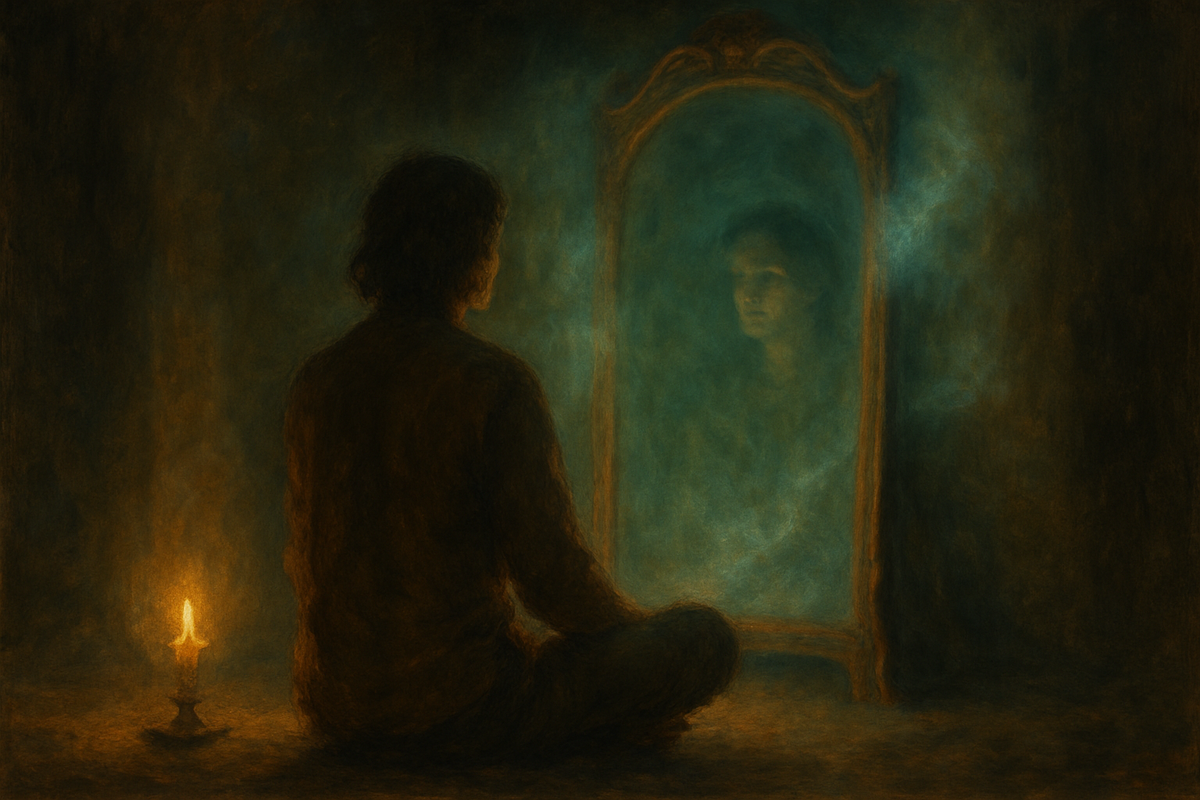
You don't need a Venetian mirror or an Aztec obsidian disc to tap into the reflective power humans have valued for millennia. Consider these practical approaches:
Just as timepieces evolved from pure necessity into objects rich with cultural meaning—as explored in our history of watches—the mirror's journey from volcanic rock to smartphone screen shows how deeply humans crave to see, understand, and confront themselves.
No single person invented the mirror; the earliest known examples were polished obsidian stones crafted around 6000 BCE in Çatalhöyük, in modern-day Turkey. Later civilizations, including ancient Egypt, China, and Japan, independently developed polished metal mirrors using bronze and copper.
The oldest known mirrors are polished obsidian discs unearthed at Çatalhöyük, a Neolithic settlement in present-day Turkey, dating to roughly 6000 BCE. These volcanic-glass surfaces predate metal mirrors by thousands of years and were often buried alongside the dead as protective objects for the afterlife.
The tradition of covering mirrors after a death comes from European and Jewish folk beliefs that a mirror could trap the soul of the deceased, preventing it from passing on peacefully. Some cultures also feared that a grieving person might see the spirit of the dead reflected in the glass, so covering mirrors was considered a protective, respectful act during mourning.
This superstition traces back to Roman and later European beliefs that mirrors held a reflection of the soul, meaning shattering one could damage or trap a part of the person's spirit. The specific "seven years of bad luck" idea became popular in Victorian England, tied to Roman beliefs about seven-year life cycles.
Affordable glass mirrors became widespread after 1835, when German chemist Justus von Liebig invented the silvered-glass process, allowing manufacturers to mass-produce clear, accurate mirrors cheaply. Before this, quality glass mirrors were luxury items primarily owned by Venetian merchants and European nobility.
Dreaming about mirrors often symbolizes self-reflection, identity, and honesty with oneself, with the specific meaning shaped by whether the reflection is clear, cracked, or unfamiliar. Many spiritual traditions view mirror dreams as invitations to examine hidden truths or unresolved emotions.
Why is Plan 9 from Outer Space called the worst movie ever made? Explore its plot, cast, Ed Wood's vision, and its rise to cult cl…
Where engagement rings began, why diamonds took over, and what the ring on your finger really means across history and culture.
12 key milestones in shoe history, from 40,000-year-old prehistoric footwear to Crocs and smart sneakers. See the full timeline an…