Symbols
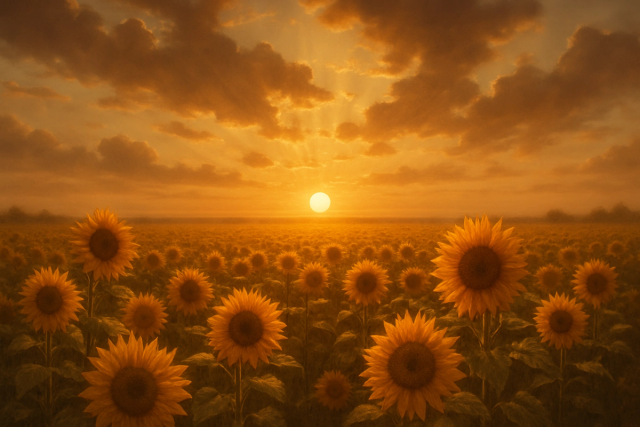
Sunflower Symbolism: Meaning of Loyalty, Joy & Devotion
What does a sunflower symbolize? Discover its meaning as a symbol of loyalty, joy & devotion — plus other loyalty symbols in anima…
 KnowMastery
A single flower on a doorstep. A bouquet appearing in a dream. A rose blooming months out of season. Something in us pauses when flowers show up uninvited, long before we can explain why.
The spiritual meaning of a flower comes down to growth, transformation, and how briefly life lasts. A bloom moves from seed to bud to full flower then fades, which is why people use flowers to mark birth, love, and death. The lotus points to enlightenment rising out of mud, the rose speaks to love and sacrifice, and the lily symbolizes purity and rebirth. An unexpected bloom is often read as comfort, or as a sign that someone who has passed is near.
People have pressed flowers into letters, laid them on graves, and painted them inside temples for thousands of years. A plant that lives for only a few days still carries weight that outlasts stone monuments. That contrast, something fragile holding something permanent, is why flowers became spiritual messengers in the first place.
At the simplest level, a flower is a visible record of transformation. A bulb buried in cold soil, a bud fighting through bark, a petal unfurling toward the sun: every stage mirrors something a person goes through internally. That is why flowers show up at funerals and weddings alike. They mark the biggest thresholds of human life.
Spiritually, flowers are often read as messages about:
This connects to a wider pattern in nature symbolism, similar to how the tree of life is read as a map of growth, branching, and connection between the physical and spiritual worlds.
Archaeologists found flower pollen in a 60,000 year old burial site at Shanidar Cave in Iraq, suggesting Neanderthals placed blooms with their dead long before organized religion existed. Ancient Egyptians painted blue lotus flowers on tomb walls because the plant closes at night and reopens at dawn, which they read as a symbol of the sun god Ra and the promise of rebirth after death.
By the Victorian era in England, flowers had turned into an entire silent vocabulary. Because open displays of emotion were frowned upon in polite society, people sent coded messages through bouquets instead: a red tulip meant a declaration of love, yellow carnations signaled rejection, and marigolds warned of grief. This practice, known as floriography, still shapes which flowers people choose for weddings, apologies, and funerals today.
In Buddhist teaching, the lotus grows up through muddy water to bloom clean above the surface, which is used as a direct image for enlightenment rising out of suffering. Statues of Buddha frequently show him seated on a lotus throne. In Hinduism, the lotus is linked to Lakshmi, goddess of prosperity, and to Brahma, who is often depicted emerging from a lotus growing out of Vishnu's navel.
The white lily is tied to the Virgin Mary and to Easter, where it represents purity and the resurrection of Christ. Medieval paintings of the Annunciation almost always include a lily held by the angel Gabriel. The rose carries a more layered meaning: red roses are connected to the blood of martyrs, while a wreath of thorns and roses became shorthand for suffering joined with beauty. These floral symbols sit alongside other sacred images covered in our guide to Catholic symbols and their meanings, and the Easter lily is often displayed near the cross during Holy Week services.
The cempasuchil, or Mexican marigold, is the flower of Dia de los Muertos. Aztec tradition held that its bright color and strong scent guided spirits back to the homes of the living for one night a year. Families still lay paths of marigold petals from the street to the home altar, trusting the flower to lead ancestors safely home.
Sakura, the cherry blossom, blooms for barely two weeks each spring before the petals fall. Japanese culture built an entire aesthetic philosophy, mono no aware, around that short window, teaching that beauty is sharper precisely because it does not last. Hanami, the tradition of sitting under blooming trees to view the blossoms, is treated as a quiet spiritual practice rather than simple sightseeing.
Color changes the message a flower carries almost as much as the species does. A quick comparison:
| Color | Common Spiritual Meaning | Where It Shows Up |
|---|---|---|
| White | Purity, new beginnings, mourning | Funerals, christenings, Easter lilies |
| Red | Passion, life force, sacrifice | Red roses, poppies on Remembrance Day |
| Yellow | Joy, friendship, but also farewell | Marigolds, sunflowers |
| Purple | Royalty, spiritual devotion, mystery | Lavender, violets, orchids |
| Blue | Calm, trust, the unattainable | Blue lotus, forget-me-nots |
| Pink | Gentleness, gratitude, first love | Cherry blossoms, peonies |
Petal counts matter too in some traditions. A flower with five petals is sometimes linked to the human body, two arms, two legs, one head, and to the number five in numerology, where five represents change and movement.
Dream interpretation treats flowers as messages about emotional states rather than literal predictions. A few common dream scenarios:
This kind of symbolic reading sits in the same family as other protective and guiding symbols people turn to for meaning, including the dream catcher, which was designed specifically to filter good dreams from bad ones.
Not every bloom needs to be treated as a mystical event. But when a flower appears somewhere it should not, blooms at an unusual time, or simply will not leave your mind, a few grounded steps help make sense of it.
Some people keep a small notebook for this kind of symbolic noticing, writing down the flower, the date, and what was happening in their life at the time, then looking back months later to see what the sign actually pointed toward.
An unexpected bloom, especially out of season, is often read as a sign of comfort or protection, sometimes interpreted as a message from a loved one who has passed. It can also mark a turning point, suggesting that a difficult period is about to ease.
The lotus is the flower most often tied to the soul because it rises clean out of muddy water, mirroring the idea of the spirit growing past hardship. In some traditions the rose also carries this meaning, with each petal said to represent a layer of the self being revealed.
Many people read a flower growing in an unlikely spot, a crack in pavement, a patch that was bare for years, as a sign of resilience or an answered prayer. It is often taken as encouragement that growth is still possible even in harsh conditions.
Giving flowers is traditionally read as sharing a piece of life force or beauty with someone else, a gesture rooted in Victorian floriography where the specific flower and color carried a coded message. It can mark love, apology, gratitude, or mourning depending on the type and color chosen.
What does a sunflower symbolize? Discover its meaning as a symbol of loyalty, joy & devotion — plus other loyalty symbols in anima…
What is an ancestor shrine or altar, and what goes on it? A guide to the photos, candles, food, and symbols families use to honor …

What does the caduceus mean? Explore Hermes' winged, two-serpent staff — its Greek origins, medical mix-up with Asclepius, tattoo …