Symbols
What Is the Symbol for Honesty? Meaning Guide
Discover the true symbol for honesty, from the feather of Maat to white light, the unicorn and more, with meanings across cultures…
 KnowMastery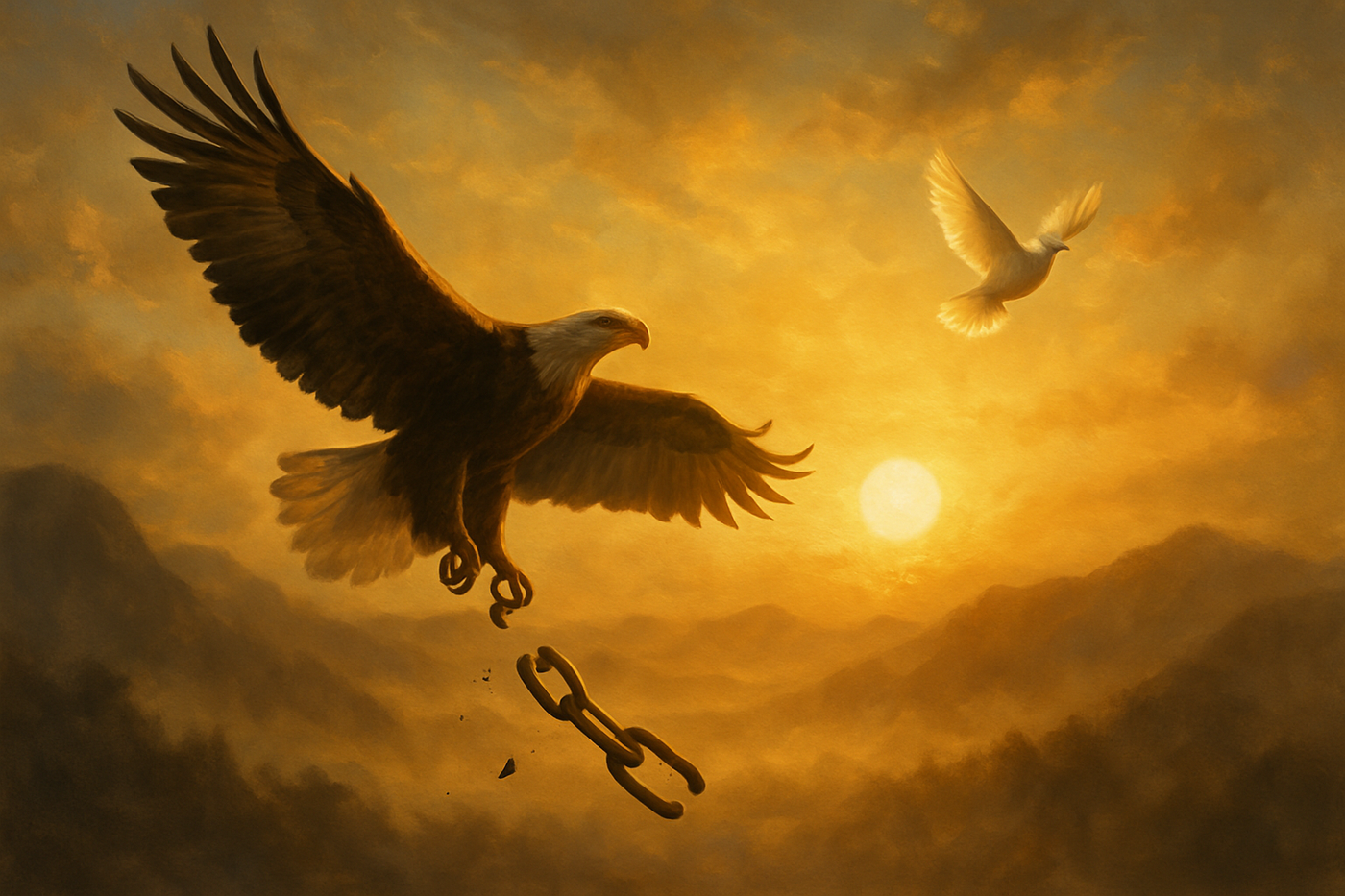
A symbol of freedom is any image, object, or icon that represents liberation from bondage, the right to self-determination, or the endurance of the human spirit under pressure. These symbols recur across cultures, religions, and revolutions because freedom is rarely handed over quietly — it is fought for, and symbols become rallying points for that fight.
At a glance, the most recognized symbols of freedom are:
There is a reason freedom symbols make us catch our breath. Picture a bird lifting off a windowsill just as the sun breaks over the horizon — something in your chest lifts with it. That instinctive ache for open sky, open roads, unlocked doors is older than language itself.
Every civilization that has known captivity has also invented a symbol to counter it. Slaves carved birds into cell walls. Soldiers tattooed anchors and eagles onto their skin before shipping off to war. Prisoners of conscience wore chains as jewelry to mock the ones that once bound them. These images were never mere decoration — they were declarations.
At their core, freedom symbols represent three things: release from bondage, the right to choose one's own path, and the endurance of the human spirit under pressure. They appear on flags, in tattoos, on protest banners, and in religious art because freedom is rarely handed over quietly — it is fought for, and symbols become rallying points for that fight.
These images also speak to a private, internal freedom — liberation from fear, addiction, grief, or self-doubt. A person recovering from a difficult divorce might choose a bird tattoo not because they marched for civil rights, but because they finally feel able to fly again.
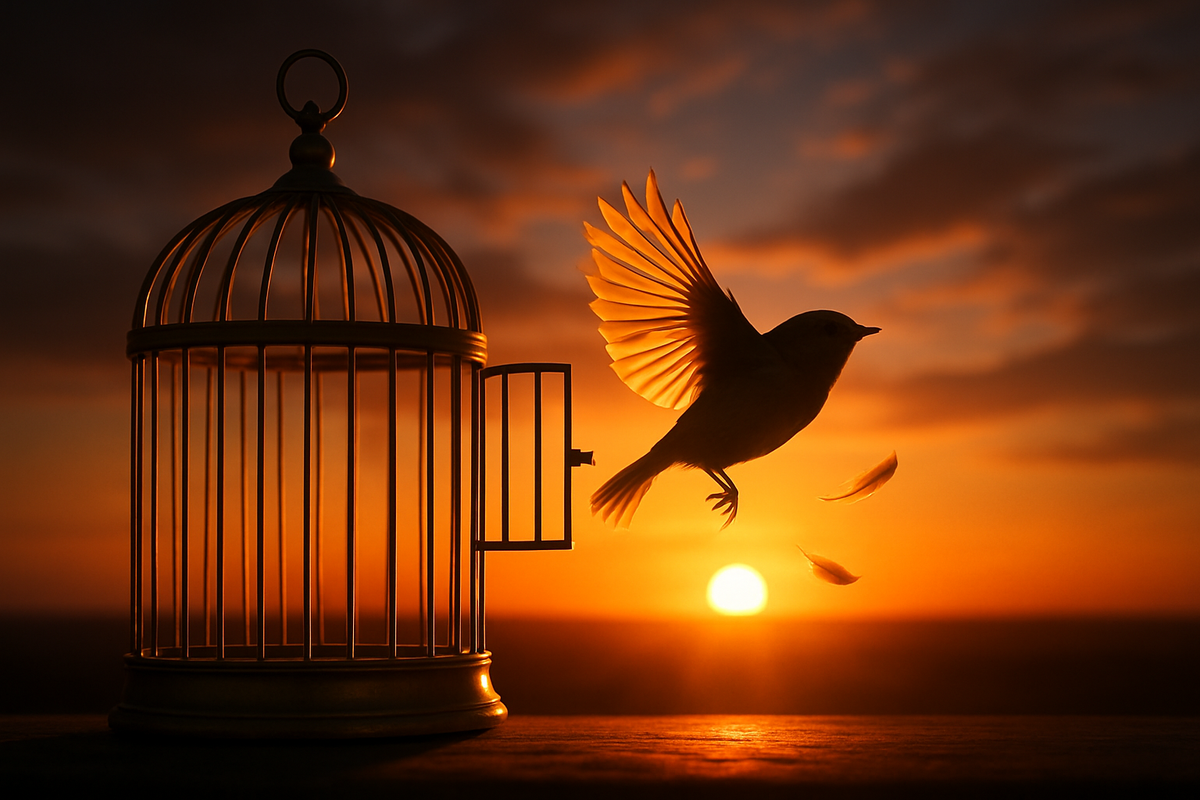
Across nearly every culture, a bird escaping its cage or soaring against an open sky is the most universal image of liberty. In Ancient Egypt, the soul (the ba) was depicted as a bird with a human head, free to leave the body after death. In many Native American traditions, birds like the eagle and hawk carry prayers upward, acting as messengers between the earthly and spiritual worlds — a theme echoed in the protective symbolism of dream catcher meaning traditions, where feathers filter bad dreams so only peaceful, free thoughts pass through.
Few images carry as much emotional weight as a shattered chain link. It has appeared on abolitionist medallions since the 18th century, most famously the British anti-slavery emblem "Am I Not a Man and a Brother?" which depicted a kneeling, chained man beneath the words of shared humanity. Today the broken chain appears in tattoos marking recovery from addiction, abusive relationships, or personal trauma — a permanent reminder that the wearer chose to break the cycle.
Lady Liberty's raised torch, gifted by France to the United States in 1886, was designed to represent enlightenment lighting the way to freedom for immigrants arriving by sea. Its seven-rayed crown symbolizes the seven seas and continents, suggesting liberty as a universal — not merely national — ideal.
In the Book of Genesis, a dove returns to Noah's ark carrying an olive branch, signaling that the flood has receded and life can resume freely. Christian iconography later adopted the dove as the Holy Spirit descending at Christ's baptism, tying freedom to spiritual grace rather than earthly liberty. The dove's gentleness makes it distinct from the eagle: it represents freedom found through peace rather than through conquest.
Where the dove is soft, the eagle is fierce. Rome carried eagle standards into battle as emblems of imperial power; the United States adopted the bald eagle in 1782 as a symbol of strength, independence, and vigilance. In Mexican mythology, an eagle devouring a serpent atop a cactus marked the spot where the Aztecs founded Tenochtitlan — freedom to settle, rule, and build a nation of their own.
The table below is a Freedom Symbols Comparison Table summarizing each symbol's origin and core meaning for quick reference.
| Symbol | Origin / Culture | Core Meaning |
|---|---|---|
| Bald Eagle | United States | National independence and vigilance |
| Broken Chain | Abolitionist movements, global | Liberation from slavery and bondage |
| Dove & Olive Branch | Judeo-Christian tradition | Peace-based freedom, divine grace |
| Phrygian Cap | Ancient Rome / French Revolution | Freed slave status, revolutionary liberty |
| Liberty Torch | France / United States | Enlightenment guiding the oppressed |
| Eagle & Serpent | Aztec mythology | Freedom to found a new homeland |
| Anchor | Early Christians, sailors | Steadfast hope amid persecution |
The Phrygian cap deserves special mention: this soft, cone-shaped red hat was worn by freed slaves in ancient Rome and Greece as proof of their manumission. Revolutionaries in 18th-century France revived it during the storming of the Bastille, and it still appears today on the seals of several U.S. states and Latin American nations that fought for independence from colonial rule.
Even objects associated with steadfastness carry a freedom undertone. The anchor meaning in early Christian catacomb art doubled as a disguised cross, letting persecuted believers practice their faith freely without revealing themselves to Roman authorities — freedom expressed through quiet, coded resistance. This coded use of Christian imagery connects to the broader history explored in different types of crosses, many of which began as symbols of protection or secrecy before becoming public emblems of faith.
Beyond the eagle, torch, and Phrygian cap, individual nations and movements have created their own visual shorthand for liberty. The Liberty Bell, cast in 1752 for the Pennsylvania State House, cracked while ringing but became an enduring emblem of American independence, now displayed in Philadelphia as a pilgrimage site for those honoring the nation's founding ideals.
France's tricolor cockade — a blue, white, and red rosette pinned to hats during the Revolution — signaled allegiance to liberty, equality, and fraternity long before the tricolor flag became official. Wearing one in 1789 was a dangerous, deliberate act of political identity.
In the United States, the Juneteenth flag commemorates June 19, 1865, when enslaved people in Texas learned of their emancipation two years after the Emancipation Proclamation. Its bursting star on the horizon represents a new freedom and a new future breaking across the land.
South Africa's Freedom Charter, adopted in 1955 by the Congress of the People, became more than a political document — its declarations of equality and shared ownership were reproduced in anti-apartheid murals, stamps, and protest banners, turning text itself into a visual symbol of liberation.
Beyond politics and history, freedom symbols speak to the soul's journey. In Hindu and Buddhist philosophy, ultimate freedom is called moksha or nirvana — release from samsara, the repeated cycle of birth, suffering, and rebirth. Liberation here isn't rebellion against an outside oppressor; it's release from the inner cravings and illusions that keep the mind in chains.
Sufi mysticism offers a different picture. The whirling dervishes of the Mevlevi order spin in remembrance of God, using the dizzying motion to strip away the ego until only the free soul remains — freedom achieved through surrender rather than struggle.
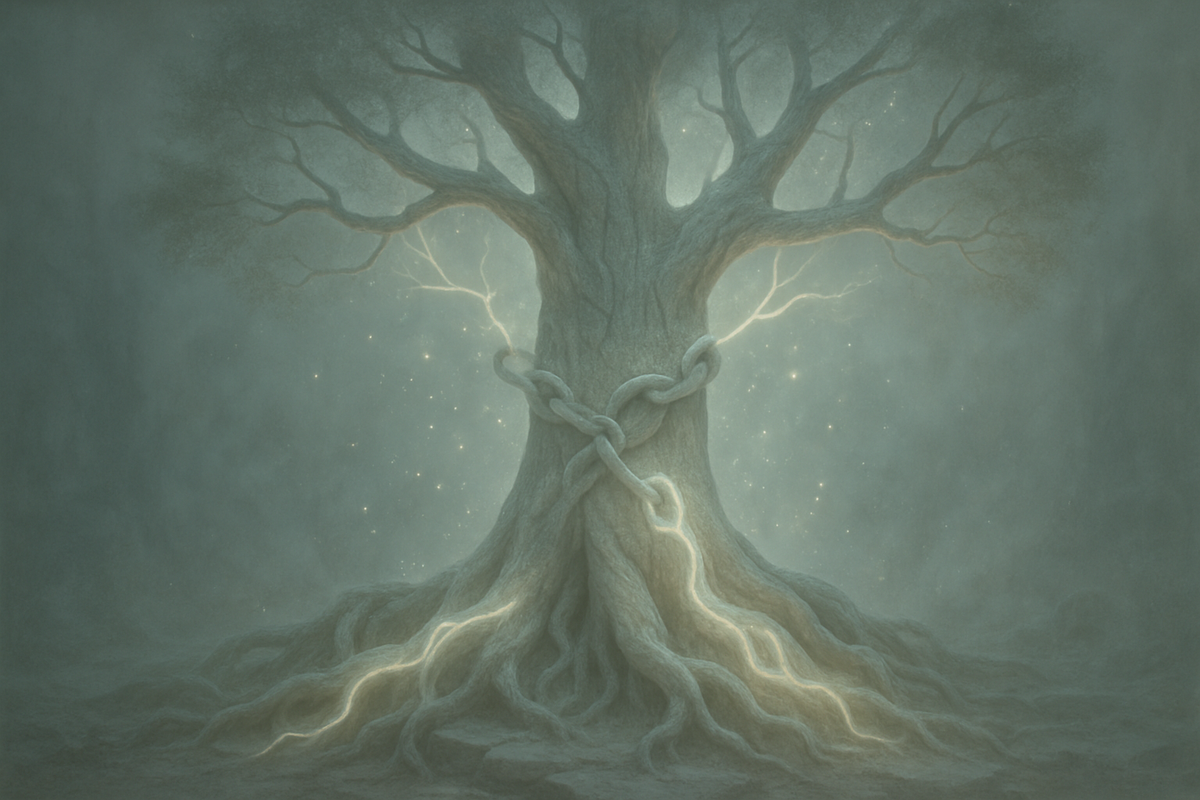
Trees carry a quieter freedom symbolism: rooted yet endlessly reaching. The Tree of Life across Norse, Celtic, and Kabbalistic traditions reflects the freedom to grow in every direction — upward toward the heavens, downward into the unknown, outward into the world — without ever losing its center.
Dreaming of freedom symbols often reflects a subconscious desire for change or release. Common dream scenarios include:
In Jungian-inspired interpretation, flight and liberation imagery is sometimes treated as an archetypal symbol of transformation, though Jung himself resisted assigning such recurring motifs one fixed meaning like 'emotional readiness for change,' holding that their significance depends on the individual dreamer's context.
Symbols only carry power when they're chosen with intention. Here are practical ways people incorporate freedom symbolism into daily life:
None of these gestures require permission or grand ceremony. The power of a freedom symbol comes from the meaning the wearer assigns to it — a five-dollar feather charm can carry as much weight as an inherited heirloom, provided the intention behind it is real. If you're considering a permanent tribute, browsing tattoo-idea galleries or meaning-focused jewelry can help you find the exact image that matches your own story of liberation.
Some symbols combine freedom with protection, offering liberation and safety in the same breath. The Hamsa hand, found across Middle Eastern and North African cultures from Morocco to Israel, wards off the evil eye so the bearer can move through life unburdened by fear.
Ancient Egypt offers another example: the ankh, the looped cross carried by gods and pharaohs, represented eternal life — freedom from death itself. Tomb paintings show it held to the lips of the deceased, granting breath and freedom in the next world just as it had promised protection in this one.
Related Symbol Guides: Curious about the symbolism behind other big ideas? We're building dedicated guides covering ancient symbols of wealth, symbols of unity, symbols of balance, and symbols of family — check back soon as these companion articles are published on KnowMastery.com.
The bird in flight is considered the most universal symbol of freedom, appearing across Egyptian, Native American, and modern Western cultures. Its imagery consistently represents the soul's ability to rise above physical or emotional limitation.
A broken chain tattoo typically symbolizes personal liberation, such as overcoming addiction, escaping an abusive relationship, or breaking a generational cycle. It's a popular choice among people marking a significant turning point in recovery or self-growth.
The bald eagle was adopted in 1782 largely for its associations with strength and supreme authority and because it is a species found only in North America, though its supposed longevity is not part of the documented historical rationale. Its soaring flight and fierce independence made it an ideal representation of the young nation's break from colonial rule.
Dreaming about flying, escaping, or breaking free from restraints usually reflects a subconscious readiness for change, whether that's leaving a job, ending a relationship, or letting go of old fears. These dreams often appear right before a person consciously decides to make a major life shift.
Blue is the color most consistently linked to freedom, evoking open sky and endless horizon, which is why it appears in the flags of the United States, France, and many other nations that fought for independence. White is often paired with it to represent purity of purpose, while red frequently symbolizes the sacrifice required to win that freedom.
The dandelion is the flower most associated with freedom, since its seeds detach and drift wherever the wind carries them, echoing the idea of release from a fixed place or fate. Blowing on a dandelion and making a wish is itself a small ritual of letting go, tying the flower directly to themes of liberation and possibility.
In both traditions, freedom is represented less by an object and more by a state called moksha or nirvana — liberation from the cycle of samsara, or repeated birth, suffering, and rebirth. The lotus flower is often used visually to represent this freedom, since it rises clean and unstained from muddy water, symbolizing the soul's ability to transcend suffering.
The eagle represents freedom won and defended through strength, vigilance, and even conquest, which is why it appears on national emblems and military insignia. The dove represents freedom achieved through peace and grace rather than force, rooted in its biblical role announcing the end of the flood — making the two birds complementary rather than interchangeable symbols of liberty.