Symbols
What Does a Pumpkin Symbolize? Harvest, Protection & Rebirth
What pumpkins really symbolize: harvest abundance, doorstep protection, and rebirth—plus dream meanings and easy fall rituals to t…
 KnowMastery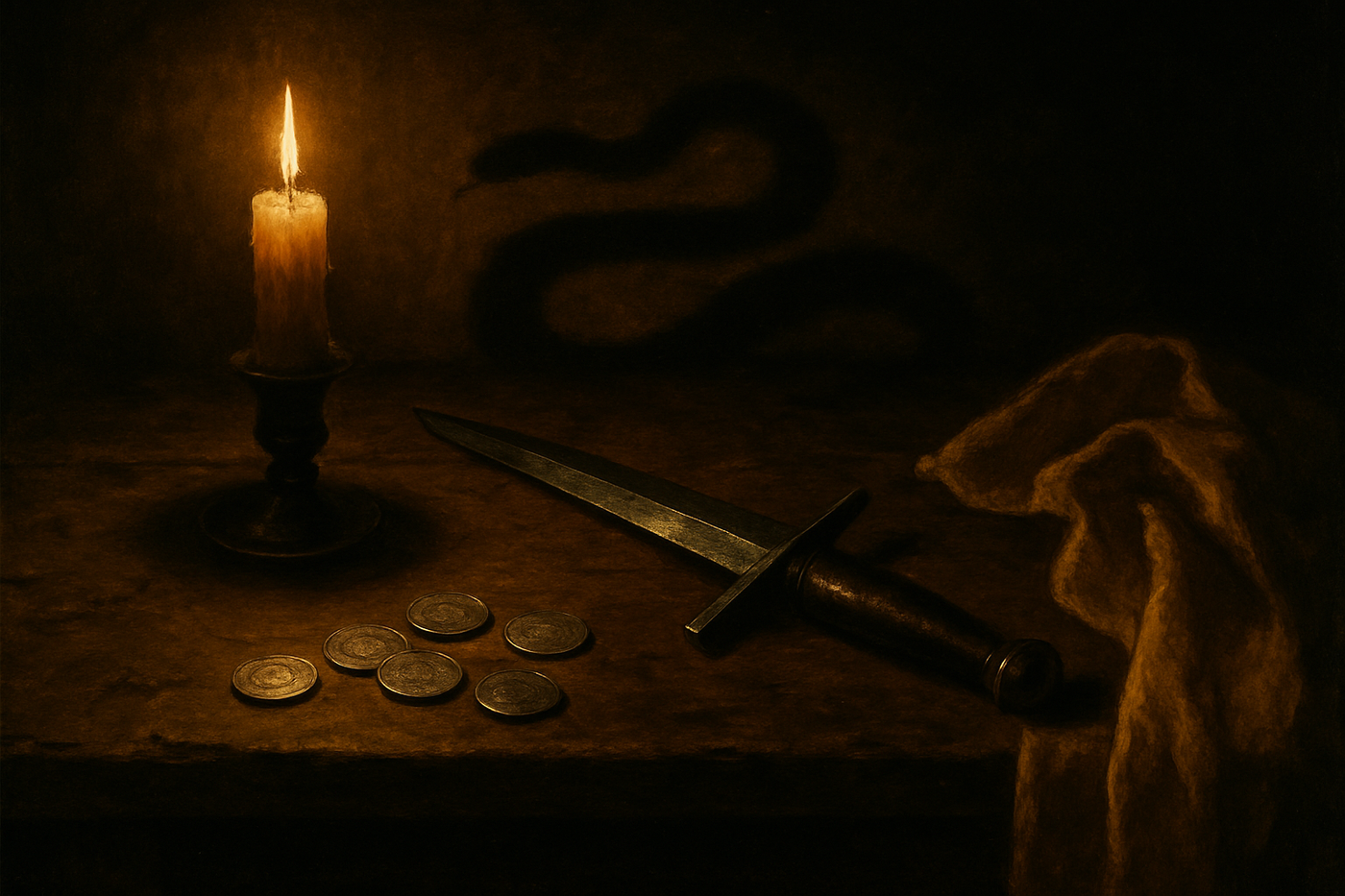
Betrayal has a language of its own. Long before people had words for broken trust, they used colors, creatures, and objects to carry its weight: the yellow robe painted on Judas, the fox slipping through old folktales, the dagger hidden behind a friendly smile.
The most widely recognized symbols of betrayal are the color yellow, the snake, the fox, the dagger, and the number thirty, taken from the thirty pieces of silver in the Judas story. Each one shows up again and again across religion, mythology, and art because betrayal is a wound every culture has needed to name.
Think about the last time someone you trusted let you down. There is a specific kind of sting to it, different from anger, different from grief. It lodges somewhere between the ribs and stays there. Across centuries, people have tried to give that feeling a shape they could point to: a color to avoid wearing, an animal to warn their children about, an object to keep out of the house.
This article walks through the colors, animals, and objects that have come to represent betrayal, where those associations come from, and what it might mean if one of these symbols shows up in your dreams or your daily life.
Every betrayal symbol shares one trait: something that looks safe on the surface while hiding a different intention underneath. Judas did not attack Jesus, he kissed him. The Greeks did not storm the walls of Troy, they left a gift at the gate. That gap between appearance and intent is what turns an ordinary object, animal, or color into shorthand for betrayal instead of just danger. A snake in the grass is a threat. A snake that first earns your trust is a betrayal.
Color symbolism shifts from one culture to the next, but a handful of shades keep showing up in stories about broken trust.
| Color | Cultural Source | What It Represents |
|---|---|---|
| Yellow | Medieval European Christian art | Judas Iscariot was traditionally painted wearing yellow robes, linking the color to cowardice and treachery |
| Green | Shakespearean English literature | The "green-eyed monster" of jealousy, a common motive behind betrayal |
| Grey | Western symbolism | Ambiguity, secrecy, and the fog of hidden motives |
| Black | Victorian mourning customs | The death of trust, often paired with grief for a broken relationship |
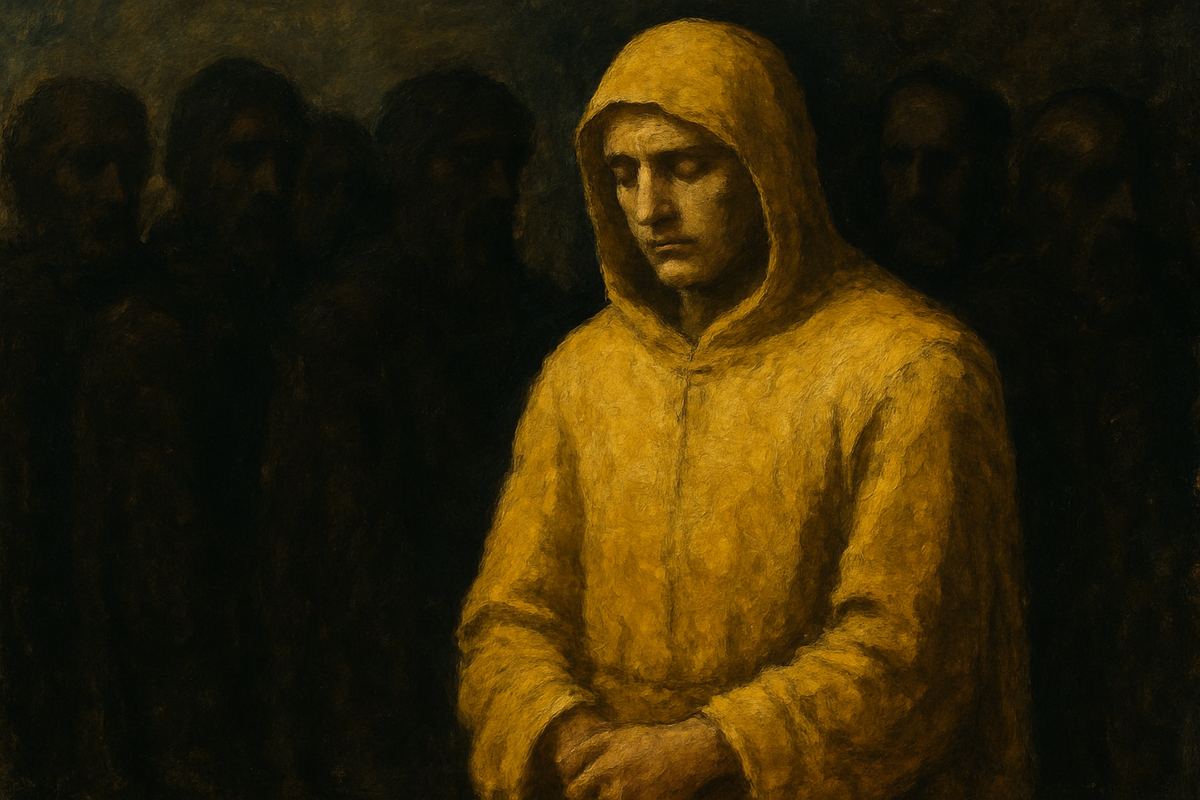
Yellow carries the strongest historical weight here. In Giotto's fresco cycles and countless later paintings, Judas is dressed apart from the other apostles, marked out by a robe the color of sulfur and sickness. That single artistic choice cemented yellow as a color of treachery in Western visual culture for centuries.
Animal symbolism tends to come from observed behavior: an animal that hunts through deception or preys on the trusting gets folded into stories as a stand-in for the betrayer.
There is also the literal Judas goat, a term used in ranching where one trained goat leads livestock calmly to slaughter. The phrase entered common language specifically to describe someone who leads others into a trap under the guise of friendship.
Objects tend to freeze a single moment of betrayal in time, which is part of why they hit so hard as symbols.
These objects share a pattern worth noticing: a knife, a coin, a horse, a mask, and an apple are all ordinary things. Betrayal symbols rarely look monstrous. They look familiar, which is exactly what makes them dangerous.
In a spiritual sense, betrayal symbols often function as warnings rather than predictions. Seeing a snake in a vision or feeling drawn to avoid yellow clothing before an important meeting is less about fate and more about intuition trying to get your attention. In Jungian dream analysis and in Hindu svapna shastra, the ancient Sanskrit tradition of dream interpretation, these signs are treated as prompts to examine your circle of trust rather than as fixed omens of doom.
Psychologically, betrayal symbols persist because they externalize an internal wound. Giving shape to something as a fox or a dagger makes an abstract hurt easier to talk about, easier to warn children about, and easier to process through story instead of raw emotion. The same logic explains why the anchor became a symbol of stability: its meaning only makes sense next to the instability that betrayal represents.
Christianity gave the Western world its most enduring betrayal symbols: Judas's kiss, the thirty silver coins, and the color yellow. The kiss is particularly striking because it uses an act of affection as the delivery method for betrayal, which is why the phrase "kiss of death" survives in everyday language today.
In Norse mythology, Loki's betrayal of the gods, orchestrating the death of Baldr and later being bound in punishment, established him as the archetype of the trickster whose charm hides destructive intent. Norse storytellers used Loki's shifting shapes and half-truths to explore how betrayal often comes from someone inside the family or the group, not an outside enemy.
Chinese folklore uses the fox spirit, or huli jing, as a figure who takes human form to deceive and manipulate, often for personal gain at another's expense. This mirrors the European fox tradition but developed independently, which suggests the fox's reputation for cunning betrayal was observed rather than borrowed across cultures.
Trust and betrayal work as opposing forces that define each other, the same principle behind the yin yang symbol in Taoist philosophy. A betrayal only cuts deep because real trust existed first. Seen this way, betrayal is not proof that trust was fake, it is proof the trust was real enough to be worth breaking.

Dreams involving betrayal symbols are common and rarely mean someone is actively plotting against you. A few frequent dream scenarios and what they tend to point to:
If dreams involving these symbols become repetitive, it helps to borrow from the Ojibwe tradition behind the dream catcher, originally woven and hung above a child's bed to filter out troubling dreams before they take root. Whether or not you believe in its literal power, setting an intention before sleep often reduces anxious dream patterns.
Recognizing a betrayal symbol in your life, whether in a dream, a piece of jewelry, or a gut feeling around a particular color or animal, is an invitation to pause rather than panic.
Betrayal, in any symbolic form, tends to lose its grip once it is named out loud. The colors, animals, and objects covered here are not curses. They are inherited language, tools people have used for thousands of years to talk about a very old, very human wound.
Yellow is the color most consistently tied to betrayal in Western tradition, largely because of medieval Christian paintings depicting Judas Iscariot in yellow robes. Green also appears in this context through the association with jealousy, which is a common motive behind betrayal.
The snake and the fox are the two animals most often linked to betrayal, the snake through the Genesis story of the serpent deceiving Eve, and the fox through European and Chinese folklore about cunning tricksters who exploit trust. The cuckoo bird is also a well-known symbol, specifically for betrayal within relationships.
A dagger or knife, especially one imagined striking from behind, is the most recognized object symbol of betrayal, largely because of the assassination of Julius Caesar by his trusted allies. The Trojan horse and the thirty pieces of silver from the Judas story are two other well-known object symbols.
Dreaming about snakes, knives, or the color yellow usually reflects underlying anxiety or suspicion about a specific relationship rather than a literal warning. These dreams are common during periods of uncertainty, transition, or when someone is unconsciously processing doubts they have not addressed while awake.
What pumpkins really symbolize: harvest abundance, doorstep protection, and rebirth—plus dream meanings and easy fall rituals to t…
Discover the true symbolism behind Sleeping Beauty: the spindle, the hundred-year sleep, the kiss, and what they reveal about grow…

What tulips really mean by color and culture, from Ottoman sultans and Dutch tulip mania to modern love and dreams.