Spiritual
Root Chakra Meaning and Healing: A Complete Guide
Learn what the root chakra means, why it becomes blocked, and practical ways to heal and ground it using yoga, crystals, and daily…
 KnowMastery
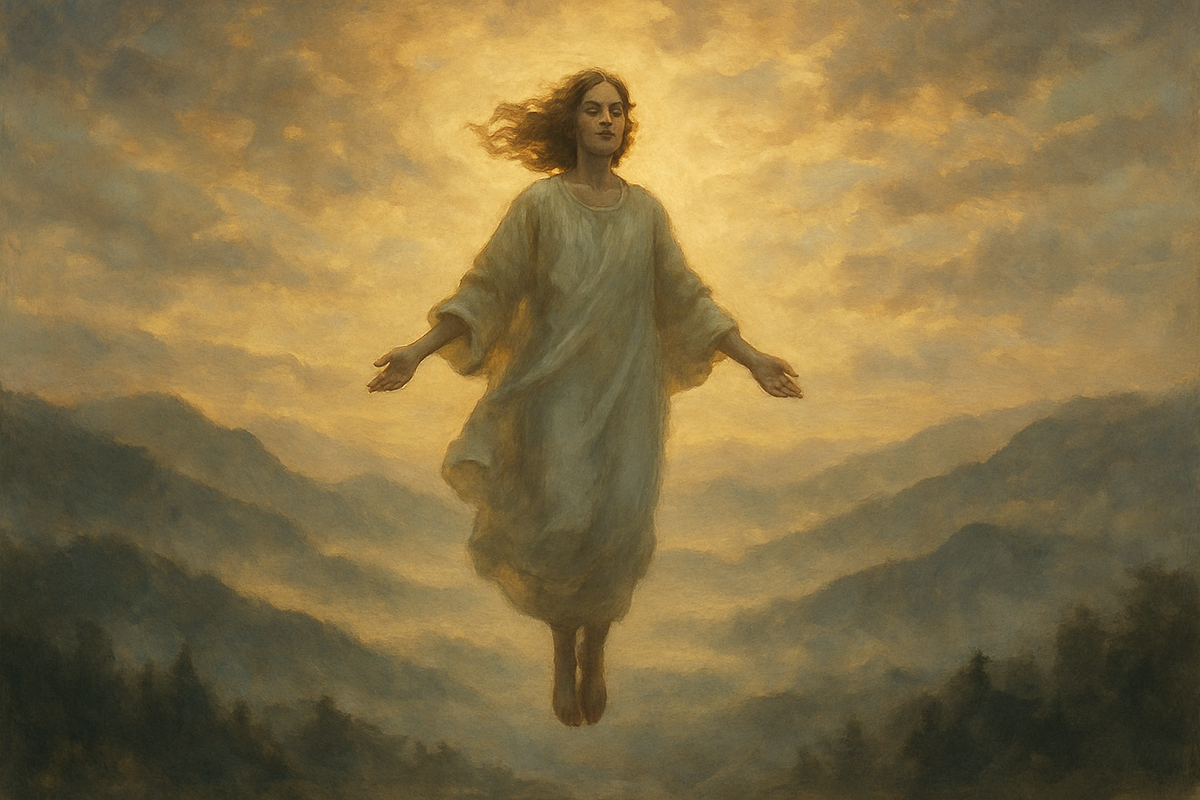
Dreams about flying almost always symbolize a desire for freedom, control, and release from limitation. Whether you're soaring effortlessly or struggling to stay airborne, flying dreams reflect how much power you feel you have over your own life right now. The way you fly, and how it feels in the dream, points to whether you're escaping stress, chasing ambition, or finally rising above something that once held you down.
There's a particular kind of joy that only exists in dreams. You lift off the ground without machinery, without wings, without explanation, and for a few glorious seconds the rules of gravity simply don't apply to you. Your body remembers a freedom your waking mind forgot it ever had.
Then you wake up. Your feet touch the floor, heavy again, and something in your chest aches a little. Why does it feel so real? Why does it feel like your soul was trying to tell you something urgent before the alarm cut it off?
At its core, a flying dream is your subconscious mind's way of processing your relationship to power, freedom, and perspective. Psychologically, flight represents rising above a problem, gaining a bird's-eye view of your circumstances, or breaking free from something that has felt confining, whether that's a job, relationship, belief system, or self-imposed limitation.
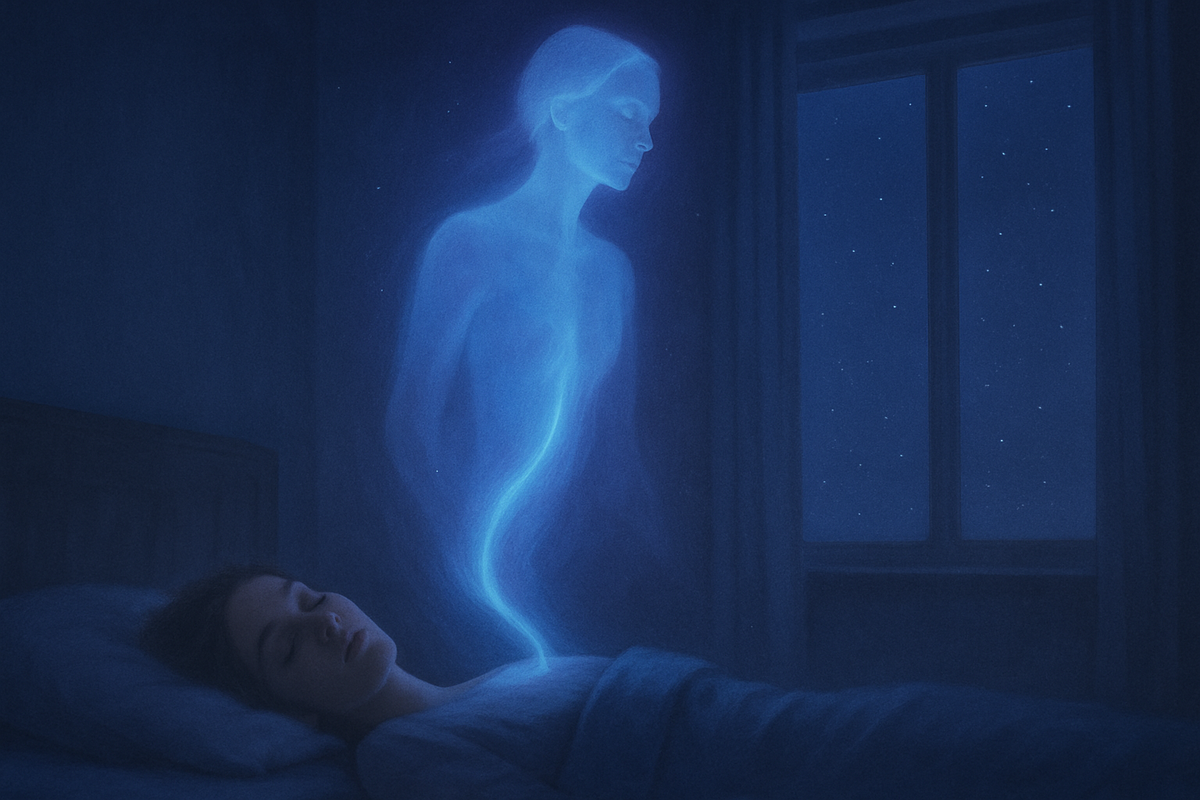
Spiritually, many traditions interpret flying dreams as evidence of the soul temporarily loosening its grip on the body, a concept closely related to astral projection. In this view, the dream isn't just symbolic; it's an experiential memory of your consciousness traveling beyond physical boundaries while you sleep.
Two people can have nearly identical flying dreams and walk away with opposite meanings. The details that shape interpretation include:
In spiritual and metaphysical circles, flying dreams are rarely dismissed as random neural firing. They're treated as meaningful communication from the higher self, spirit guides, or the subconscious attempting to align you with your true path.
Many practitioners of energy work associate flying dreams with a rising in vibration, often coinciding with periods of personal growth, meditation practice, or emotional healing. If you've recently started paying attention to your chakras, particularly the crown and third eye, a sudden increase in flying dreams may indicate that energetic blockages are clearing and your awareness is expanding beyond old limitations.
There's a subtle but important distinction spiritual dream interpreters draw between two flight motivations:
Escape flying often surfaces during periods of burnout or when you're avoiding a confrontation you know is coming. Ascension flying tends to appear after a breakthrough, a difficult decision finally made, or a relationship pattern finally released, the same release energy many people associate with a full moon ritual marking the end of a cycle.
Flight symbolism didn't begin with modern dream psychology. Cultures across history have attached deep meaning to the experience of dreaming oneself airborne.
In ancient Egyptian belief, the Ba, a bird-like aspect of the soul, was said to leave the body during sleep and travel freely through the night sky. Egyptian dream interpreters recorded in papyri like the Chester Beatty Dream Book viewed flying dreams as literal evidence of the soul's nocturnal journeys, often interpreted as favorable omens tied to status and divine favor.
Classical Chinese dream interpretation, often attributed to the legendary Duke of Zhou, treated flying dreams as signs of rising fortune. To dream of soaring above mountains or clouds was considered auspicious, suggesting career advancement, promotion, or the elevation of one's social standing. The higher and more controlled the flight, the greater the coming success.
The Greeks offered a cautionary counterpoint through the myth of Icarus, whose wax wings melted when he flew too close to the sun. This story shaped a lasting cultural association between flight and hubris, warning that ambition untethered from humility leads to a devastating fall. Even today, dreams of flying too high or losing altitude suddenly can echo this ancient fear of overreaching one's limits.
Among several Indigenous North American traditions, including Ojibwe and Lakota storytelling, flight dreams involving birds, especially eagles and hawks, were considered messages from spirit animals offering guidance or protection. The eagle in particular was viewed as a messenger between the earthly and spirit worlds, so dreaming of flying alongside one was often treated as a call to leadership or a sign that prayers had been heard.
| Flying Dream Type | Common Psychological Meaning | Common Spiritual Meaning |
|---|---|---|
| Soaring effortlessly | Confidence, sense of achievement | Spiritual alignment, ascension |
| Struggling to fly | Anxiety about control or performance | Energetic blockage or resistance |
| Flying to escape | Avoidance of conflict or stress | Need for spiritual release |
| Falling from the sky | Fear of failure or loss of status | Warning against ego or overreach |
| Flying with someone else | Relationship dynamics, shared goals | Soul connection or bonded energy |
When flight takes you over oceans, rivers, or lakes, the meaning often blends with the symbolism of the water itself. Since water in dreams typically represents emotion and the subconscious, flying above it suggests you're gaining perspective on your feelings rather than being consumed by them.
This variation combines flight with pursuit, often signaling that you're trying to outrun a persistent worry, obligation, or person. If the pursuer in the dream has a serpent-like or shadowy quality, it may be worth exploring parallel symbolism found in dreams about snakes, which often represent transformation, hidden fears, or unresolved issues demanding attention.
Dreaming of flying toward someone, especially with urgency or longing, can reflect a deep soul-level pull, the kind often described in discussions of twin flame connections. The dream may be highlighting a bond that feels destined or unusually intense in waking life.
Rather than letting the dream fade by mid-morning, treat it as useful information. Here's a practical approach:
If the dream left you anxious rather than exhilarated, grounding practices like slow breathing, journaling, or spending time outdoors before sleep can shift the emotional tone of future dreams. Some people also place a dream catcher above their bed, a tradition rooted in Ojibwe culture meant to filter out disturbing dream energy while allowing peaceful, meaningful dreams like flight to pass through.
Flying without wings usually represents pure, unforced freedom, a sense that you don't need external tools or permission to rise above your circumstances. It often appears during periods when you're relying entirely on inner confidence or willpower rather than outside support.
In most interpretive traditions, yes, flying dreams are generally considered positive, associated with confidence, progress, and rising fortune. The exception is when the flight feels frantic or ends in falling, which can point to underlying anxiety about maintaining success or control.
Recurring falling-during-flight dreams often reflect a fear that current success, happiness, or control is fragile or temporary. This pattern is common during periods of high achievement paired with self-doubt, echoing the ancient cautionary symbolism found in myths like that of Icarus.
Some spiritual traditions and modern practitioners believe vivid, lucid flying dreams may be linked to astral projection, where consciousness travels independently of the physical body. While mainstream psychology attributes these dreams to subconscious processing, many dreamers report flying experiences that feel distinctly more vivid and real than ordinary dreams.
Learn what the root chakra means, why it becomes blocked, and practical ways to heal and ground it using yoga, crystals, and daily…

Explore 60+ female and male demon names from Lilith to Beelzebub, with their origins, meanings, and mythology explained in this co…
What pregnancy dreams really mean spiritually: new beginnings, hidden fears, cultural insights, and how to interpret yours.