Greek Mythology
Heracles: The Twelve Labors & the Legend Explained
Discover who Heracles was, why he performed the Twelve Labors, and what his myth still teaches about strength, redemption, and inn…
 KnowMastery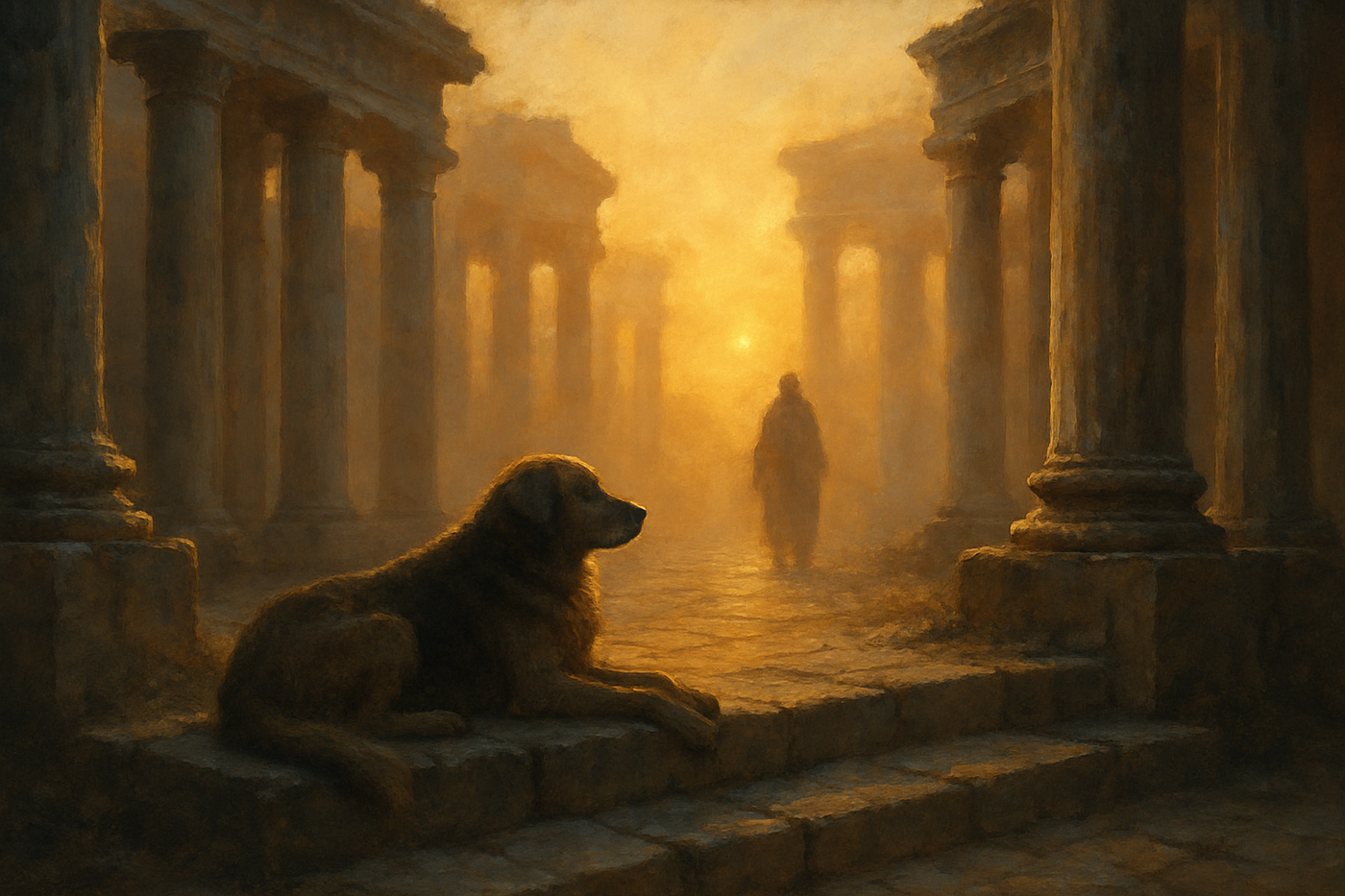
In Greek mythology, loyalty is symbolized through Argos the dog, Penelope's loom work, and the twins Castor and Pollux. These stories use animals, objects, and relationships to represent devotion that outlasts time, distance, and even death. Ancient cultures beyond Greece built their own loyalty symbols too, from Rome's clasped hands (dextrarum iunctio) to Ireland's Claddagh ring. Loyalty was never an abstract idea to the ancients. It was carved into rings and woven into cloth. It was embodied in a dog who waited twenty years for his master to come home.
Picture an old dog lying in a dung heap outside a palace, blind with cataracts, ignored by everyone he once guarded. He lifts his head one last time, catches a scent no one else can place, and dies moments later, having waited two decades for a single reunion.
That is Argos, and his story has outlived the empire that produced him. Loyalty like that is rare enough to ache over, even three thousand years later.
The Greeks were not alone in searching for ways to picture faithfulness. Long before psychology gave us words for attachment and devotion, ancient people wove it into myths, carved it into rings, and bred dogs specifically to embody it. Here is how loyalty took shape across the ancient world, and how those same symbols still speak to us now.
In the Greek worldview, loyalty was not measured by convenience. It was measured by what survived hardship: time, war, temptation, and grief. The myths people still tell today, from the Greek pantheon down to mortal heroes, reward faithfulness and punish betrayal in equal measure. Loyalty shows up less as a single object and more as a pattern: someone waits, someone weaves, someone refuses to leave a brother behind.
In Homer's Odyssey, book 17, Odysseus returns to Ithaca after twenty years away, disguised as a beggar so no one will recognize him. His own wife does not know him. His own son barely remembers him. But his old hunting dog Argos, abandoned and dying, lifts his ears and his tail at the sound of his master's voice before letting go for good. Ancient Greek households kept dogs for hunting and guarding, but Argos turned an ordinary animal into the clearest image of loyalty in the entire epic tradition.
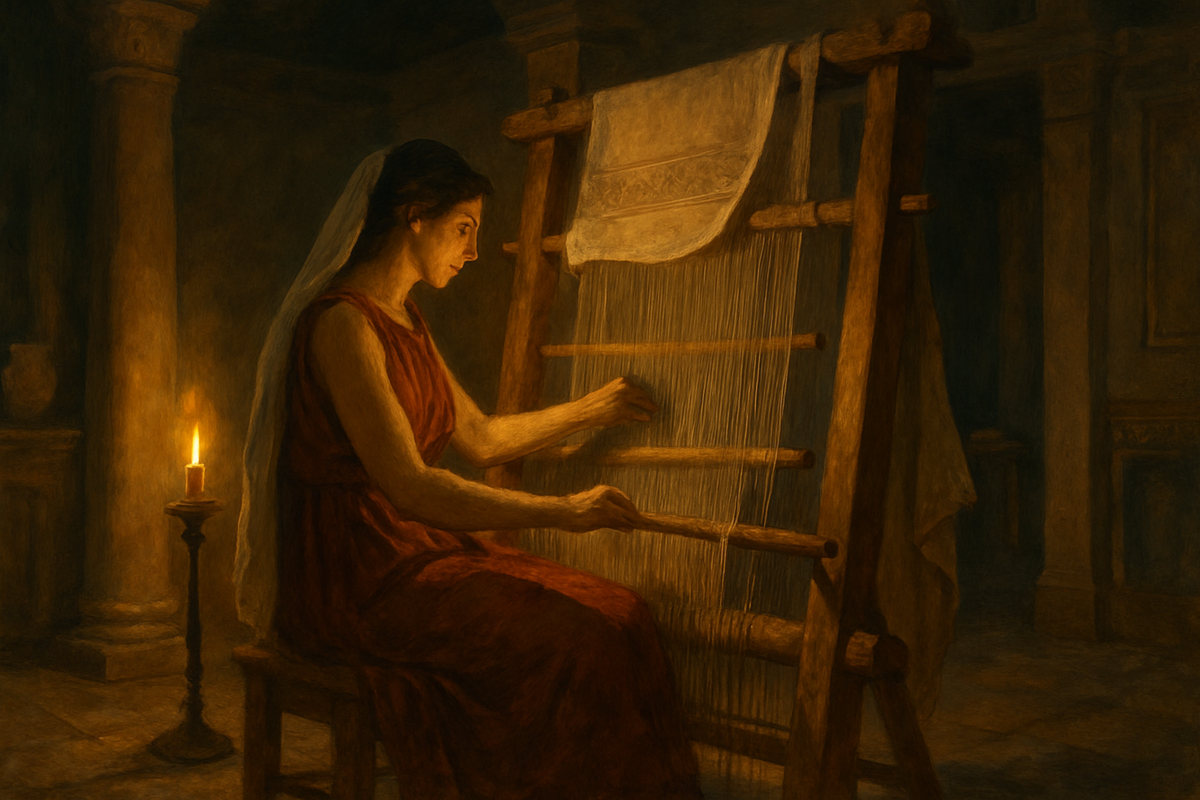
While Odysseus wandered, his wife Penelope faced more than a hundred suitors demanding she remarry. She stalled them for years with a trick: she wove a burial shroud by day and unraveled it by night, promising to choose a husband once the cloth was finished. Weaving was sacred work in Greece, tied to Athena, goddess of craft and strategy, and Penelope's loom became a symbol of loyalty expressed through patience rather than grand gestures.
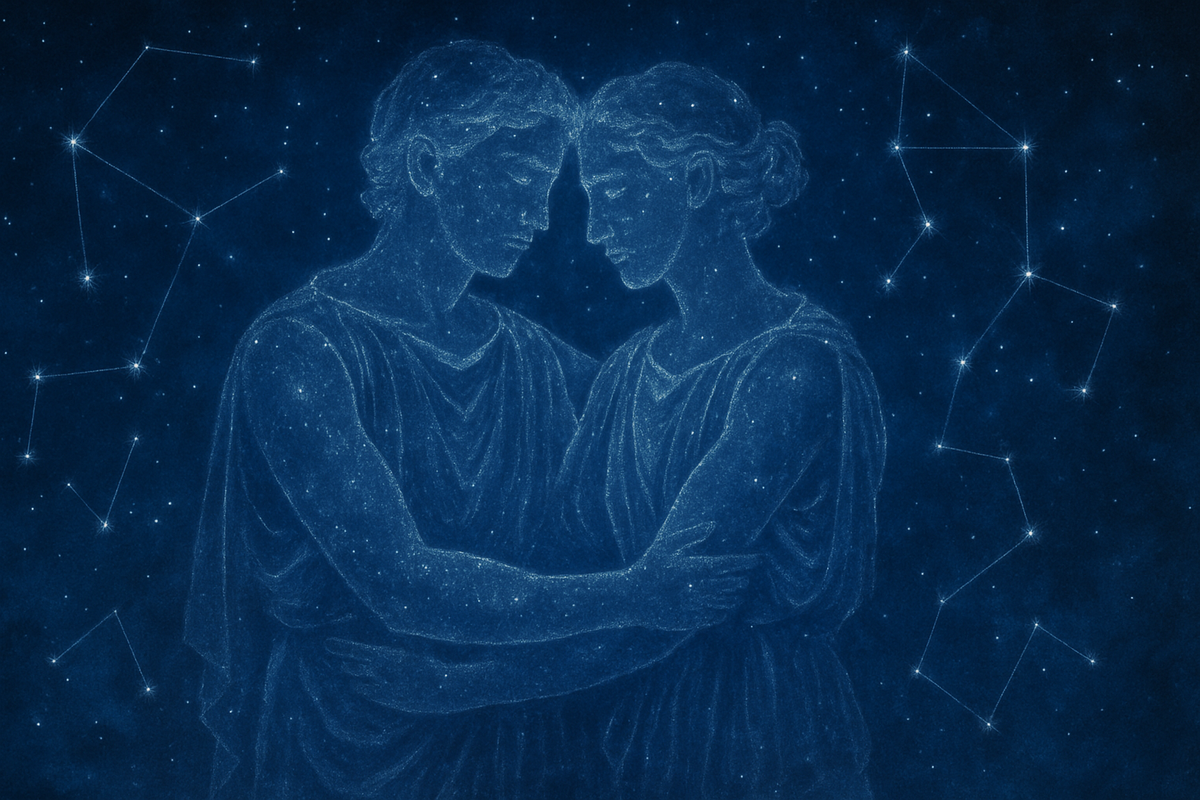
Sons of Zeus in most versions of the myth, Castor and Pollux were so devoted to each other that when Castor died, Pollux begged to share his own immortality with his brother. Zeus honored the request by placing them together as the constellation Gemini, letting them alternate between Olympus and the underworld so neither would be permanently apart. Sailors later invoked the twins for protection at sea, and their story became shorthand for loyalty that death itself cannot dissolve.
Hera, queen of the gods, presided over marriage and fidelity, even as her own husband Zeus repeatedly broke his vows. Her myths are complicated, but her role as protector of the marriage bond made her the deity Greek brides prayed to for a faithful union. The pomegranate and the peacock, both linked to Hera, carried associations of commitment and watchfulness in Greek households.
The bond between Achilles and Patroclus in the Iliad drives the entire war narrative. When Patroclus is killed, Achilles abandons his pride, his feud with Agamemnon, and his own safety to avenge him, knowing this choice will cost him his life. Their loyalty is not quiet like Penelope's. It is loud and furious, showing that Greek storytellers understood devotion could look like grief turned into action rather than patient waiting.
Greece was hardly the only ancient culture obsessed with picturing loyalty. Rome, Ireland, and the Norse world each built their own visual language for it, and some of those symbols are still worn as jewelry today.
The Romans personified loyalty as the goddess Fides, whose name gives us the word "fidelity." A temple to Fides stood on Rome's Capitoline Hill, said to date back to the reign of King Numa Pompilius, making her one of the oldest state cults in Roman religion. Roman art frequently shows two clasped right hands, called dextrarum iunctio, engraved on coins, wedding rings, and funerary sarcophagi. The gesture marked marriage contracts and political alliances alike, treating loyalty as something you could literally shake on.
Originating in the fishing village of Claddagh near Galway around the late 1600s, this ring shows two hands holding a heart topped with a crown: hands for friendship, heart for love, crown for loyalty. Local tradition credits the design to goldsmith Richard Joyce, who is said to have made the first ring after years of enslavement in Algiers, returning home to the woman who had waited for him. Worn a certain way, the ring signals whether the wearer's heart is taken or still open, making it one of the few loyalty symbols with instructions built right into how you wear it.
Norse and broader Germanic tribal culture prized loyalty to kin and war band above almost anything else. Wolves, despite their fearsome reputation in myths like the tale of Fenrir, were also admired for fierce pack loyalty. Warriors known as úlfhéðnar, described in sagas such as Vatnsdæla saga, wore wolf pelts into battle to signal unbreakable allegiance to their chieftain and companions.
| Symbol | Culture of Origin | What It Represents | Modern Use |
|---|---|---|---|
| Argos the dog | Ancient Greece | Loyalty that survives time and separation | Literature, dog naming, memorial art |
| Castor and Pollux (Gemini) | Ancient Greece | Brotherly loyalty beyond death | Astrology, twin symbolism, jewelry |
| Clasped hands (dextrarum iunctio) | Ancient Rome | Marital fidelity and contracts | Wedding rings, engraved coins |
| Claddagh ring | Celtic Ireland | Love, friendship, and loyalty combined | Wedding and friendship rings |
| Wolf pack | Norse and Germanic tribes | Loyalty to kin and clan | Tattoos, family crests |
| Mandarin duck pair | Ancient China | Marital loyalty and harmony | Wedding embroidery, gifts |
Across these traditions, loyalty is rarely shown as a feeling. It is shown as an action that costs something. Penelope loses years of her life at the loom. Pollux gives up part of his own immortality. The Roman clasped hands appear on tombs precisely because loyalty was expected to outlast a person's life. These symbols suggest that devotion only becomes meaningful once it is tested by absence, temptation, or grief. That is why so few loyalty symbols involve comfort or ease.
Even Aphrodite, goddess of love and desire, is tied to the myrtle tree in Greek tradition, a plant associated with enduring marriage rather than fleeting passion. Greek brides wore myrtle wreaths at their weddings, linking romantic love to the steadier, quieter loyalty expected once the celebration ended and daily life began.
Dreams involving loyal dogs, twins, or rings often surface during periods of uncertainty in relationships or friendships. A dream about a devoted dog like Argos can point to reassurance that someone in your life will stay committed even after a long absence or difficult period. Dreaming of clasped hands or a ring being placed on a finger sometimes reflects a desire for a commitment to be made official, or worry about whether a promise will hold. Twin figures appearing together in a dream can represent an internal conflict between two loyalties, such as duty to family versus duty to a partner, that the dreamer is working through while awake.
These ancient symbols were never meant to stay locked in myth. People still use them to mark real commitments.
The dog is the clearest animal symbol of loyalty in Greek mythology, best represented by Argos, Odysseus's aging hunting dog who recognized him after twenty years apart. Dogs were kept in Greek households for hunting and guarding, which made their devotion to their owners a familiar, trusted image for storytellers.
Penelope's loom is the best known object linked to loyalty, since she wove and unraveled a burial shroud for years to stall suitors while waiting for Odysseus. Hera's pomegranate and peacock also carried associations of marital commitment and watchfulness in Greek households.
When the mortal twin Castor died, his immortal brother Pollux asked Zeus to let them share his immortality rather than live on without him. Zeus placed them together as the constellation Gemini, making their bond a lasting image of loyalty that neither death nor divinity could separate.
Dreams featuring loyal dogs, rings, or paired figures like twins often reflect real concerns about commitment, trust, or an approaching decision about a relationship. The specific symbol usually points to what kind of loyalty is being questioned, whether romantic, familial, or a long friendship.
Discover who Heracles was, why he performed the Twelve Labors, and what his myth still teaches about strength, redemption, and inn…
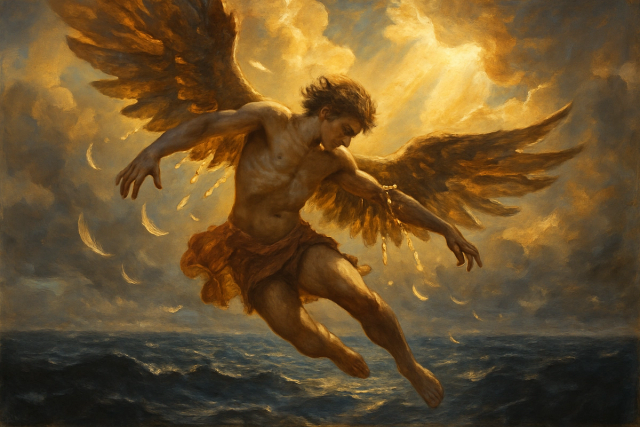
The Icarus myth explained: what the fall really means, its spiritual lessons, cultural readings, and what it teaches about ambitio…
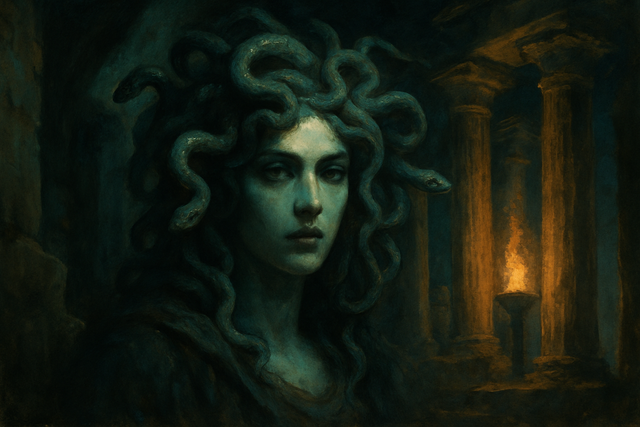
Who was Medusa in Greek mythology? Her Gorgon origin, why she turned people to stone, and what her image means in dreams, feminism…