General
Women’s Underwear Types – The Ultimate Guide to Styles and Comfort
Though women’s underwear belongs to the sphere of comfort and fashion, it also shows more profound causes related to body confiden…
 KnowMastery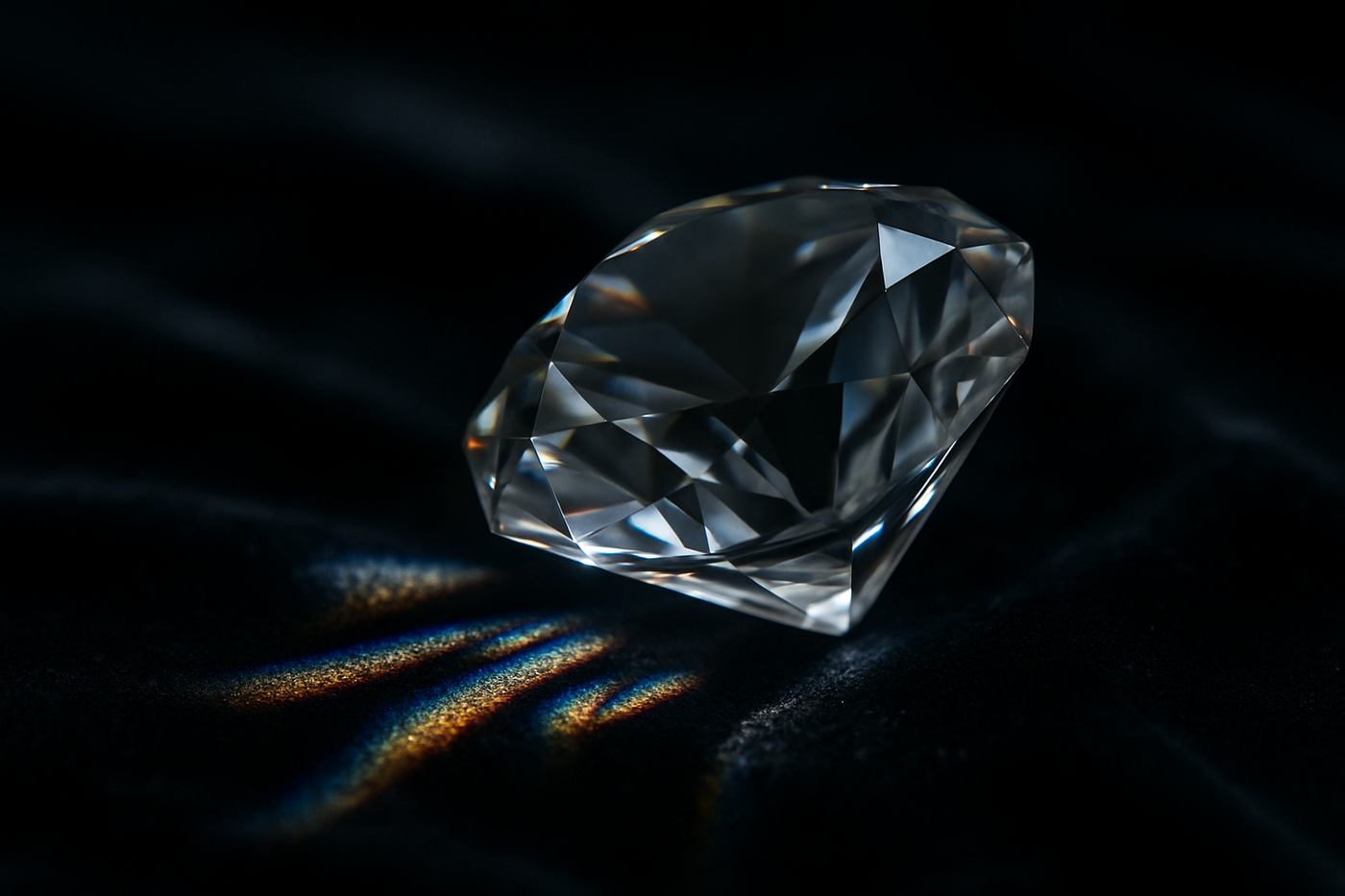
Cubic zirconia, often shortened to CZ, is a lab-created crystal made from zirconium dioxide that is cut and polished to look like a diamond. It is colorless, extremely hard, and far cheaper than a mined diamond, which is why it turns up in everything from engagement rings to costume jewelry. Unlike a diamond, cubic zirconia contains no carbon at all. It is grown in a laboratory rather than pulled out of the ground, and a well-cut stone can actually throw more fire and rainbow flash than a diamond does.
There is something disarming about holding a stone that looks like it belongs in a royal vault, knowing it cost less than dinner for two. People who wear cubic zirconia are not fooling anyone on purpose. They are spending their money differently, or they simply like how the stone catches light without the fear of losing something irreplaceable.
Maybe you inherited a ring set with a stone you were told was "just CZ," or you are shopping for a piece and keep seeing the term next to a price that seems too good to be true. This guide covers what cubic zirconia actually is, where it came from, what it means to the people who wear it, and how to care for it as a real, respectable choice rather than a cheap stand-in.
Cubic zirconia is not a natural mineral you can dig up in any meaningful quantity. Naturally occurring cubic zirconia does exist, but it is so rare that it has no commercial use. Every stone in a jewelry store today was grown by scientists using heat and controlled chemistry, and getting the process right took most of the twentieth century.
The mineral was first described in 1892 by French chemist Marc Antoine Augustin Gaudin, but it took until 1937 for German mineralogists Max von Stackelberg and Kurt Chudoba to identify cubic zirconia crystals under lab conditions. The real turning point came in 1976, when scientists at the Lebedev Physical Institute in Moscow worked out how to grow large, gem-quality crystals reliably. They named their creation "fianit," after the institute's Russian initials, FIAN. For several years fianit was treated almost like a state secret, produced for Soviet industry and jewelry before Western manufacturers caught up and began marketing it worldwide as cubic zirconia.
Long before Soviet labs entered the picture, Europe already had a taste for convincing diamond substitutes. In the 1730s, French jeweler Georges Frédéric Strass developed a technique for coating glass with metallic powder to create brilliant, faceted stones that dazzled under candlelight. His invention, known as paste or "strass," became so popular in the French court that it earned its own place in jewelry history, worn openly by nobility rather than hidden as a secret. Cubic zirconia is the modern descendant of that same impulse: give people the fire and brilliance of a diamond without the mining, the rarity, or the price tag.
Once the Soviet growing method became known outside the USSR, American and European manufacturers moved fast. By the early 1980s, companies in the United States had licensed or reverse-engineered the process and were producing cubic zirconia at a scale the Soviets never intended for export. Prices dropped quickly, and within a few years a stone that started as a closely guarded research project was sitting in shopping mall jewelry counters and mail order catalogs across the country, sold under trade names like "Diamonesque" alongside the more generic label cubic zirconia.
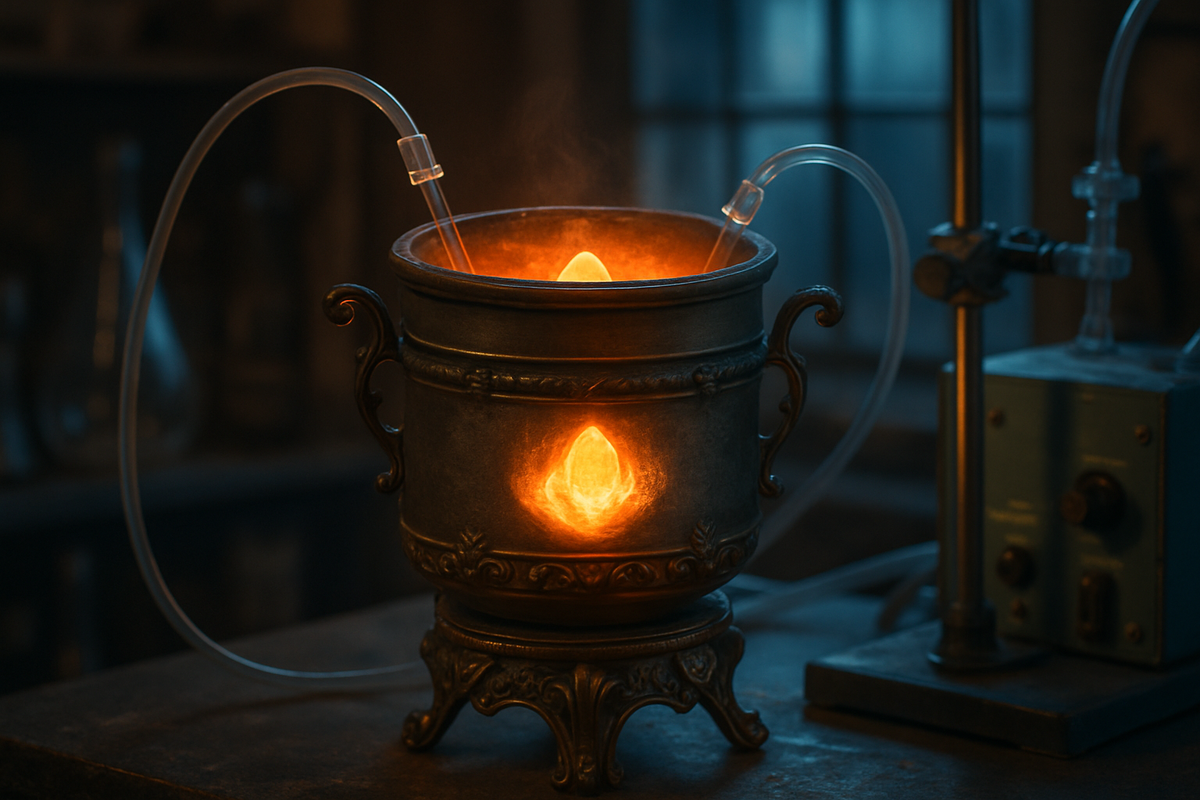
Cubic zirconia is produced using a process called the skull melt technique. Zirconium oxide powder is placed inside a water-cooled container, then heated with radio-frequency energy to temperatures above 4,300 degrees Fahrenheit, hot enough to melt the powder into a liquid. As the outer layer cools against the container walls, it forms a solid "skull" that holds the molten material inside, keeping it free of contamination. The molten zirconia is then cooled slowly under controlled conditions to grow into large, clear crystals, which are later cut and faceted the same way a diamond cutter would shape a natural stone.
Manufacturers can add trace elements during this process to produce colored cubic zirconia, from pink and yellow to deep blue, which is one reason CZ shows up so often in costume pieces and statement jewelry beyond the classic clear stone.
People shopping for a diamond alternative usually land on two options: cubic zirconia or moissanite. Here is how the three compare on the qualities that matter most when choosing a stone.
| Property | Diamond | Cubic Zirconia | Moissanite |
|---|---|---|---|
| Hardness (Mohs scale) | 10 | 8 to 8.5 | 9.25 |
| Origin | Mined or lab-grown carbon | Lab-grown zirconium dioxide | Lab-grown silicon carbide |
| Refractive index | 2.42 | 2.15 to 2.18 | 2.65 to 2.69 |
| Fire (rainbow flash) | Moderate | High | Very high |
| Average price per carat | $2,000 to $15,000+ | $20 to $50 | $300 to $600 |
| Weight compared to diamond | Baseline | Heavier for same size | Lighter for same size |
Cubic zirconia is softer than both diamond and moissanite, so it scratches more easily over years of daily wear and eventually loses some of its polish. It also tends to look brighter and more "disco ball" under direct light because of how it disperses color, which some people love and others find too flashy for everyday wear.
A diamond has long been tied to permanence and cost, wrapped up in ideas of commitment and status passed down through family and tradition. Cubic zirconia flips that. Because it costs little to produce and is easy to replace, it represents a more relaxed relationship with jewelry, one based on style and personal taste rather than resale value or inheritance.
For some wearers, choosing CZ over a mined diamond is also a quiet ethical choice. Diamond mining has a documented history of labor abuse and conflict financing in certain regions, and lab-grown stones avoid that supply chain entirely. For a growing number of buyers, a stone grown in a controlled lab is simply the more comfortable option.
Cubic zirconia carries no folklore of its own the way birthstones or ancestral gems do. It has no zodiac association and no myth tied to a particular month or deity, mostly because it did not exist before 1976. Where it does show up is in the crystal healing market, which often treats CZ as a stand-in for clear quartz because the two look alike, even though they are chemically unrelated. In that context, sellers and practitioners assign it meanings like mental clarity, amplified intention, and confidence, the same qualities long linked to clear quartz points.
Dream dictionaries do not have a dedicated entry for cubic zirconia, since it is a modern synthetic material rather than an old symbol passed down through generations. They do address dreaming about fake or imitation jewelry more broadly, though. In that tradition, dreaming that a stone you own turns out to be fake is usually read as anxiety about being deceived, or a fear that something you value will turn out to be less than it seemed. Dreaming that you knowingly choose a CZ stone over a diamond is sometimes read the opposite way, as a sign of self-acceptance, picking what looks good to you over what is meant to impress someone else.
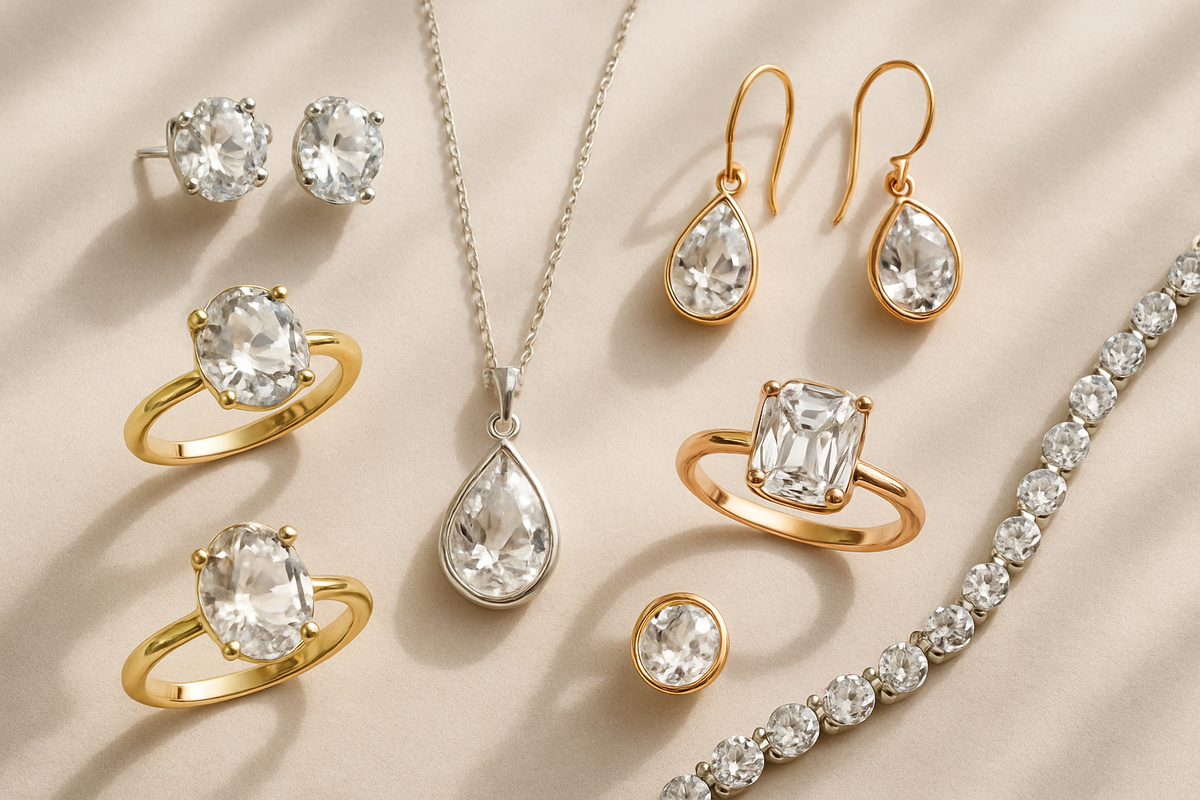
CZ is durable enough for daily wear but it does need a bit more attention than diamond to keep its shine. A few habits go a long way:
Cubic zirconia looks good against almost any metal, but the pairing changes the mood of the piece. Set in sterling silver or platinum, CZ reads cool and modern. Set in yellow or rose gold, it takes on a warmer, softer glow that suits vintage-inspired designs. If you are deciding between silver-toned metals for a CZ piece, it helps to know the real differences first, since a side-by-side look at silver vs white gold can save you from buying something that tarnishes faster than expected.
Placement matters too. A CZ stud earring needs a secure, comfortable back, and knowing the different types of earring backs available helps you pick one that will not pinch or slip out during the day. If you are eyeing a CZ ring, think about which finger you plan to wear it on, since the meaning of rings on each finger can shape how the piece reads to other people, and a bold CZ statement ring sends a different message depending on where you put it.
For bracelets set with cubic zirconia, an accurate fit matters more than with a plain band, since a loose bracelet swings the stones against hard surfaces and speeds up wear. Checking a bracelet size chart before buying keeps the piece sitting flat on your wrist instead of sliding around.
No, cubic zirconia is not a diamond. It is a completely different mineral made of zirconium dioxide grown in a lab, while a diamond is crystallized carbon formed naturally under intense heat and pressure or produced in a lab from carbon. They can look similar to the untrained eye, but they are chemically unrelated.
Well-made cubic zirconia does not turn green, though lower-quality or older costume pieces with a thin metal coating underneath can sometimes discolor skin if that coating wears off. The stone itself stays clear, but it can pick up a slightly cloudy or scratched look after years of daily wear against harder surfaces.
Cubic zirconia is noticeably heavier than a diamond of the same size, so a simple weight comparison can be a clue if you have both stones on hand. Diamonds also disperse light in a more balanced way, while CZ often throws more colorful, rainbow-heavy flashes, and a jeweler can confirm the difference in seconds using a thermal or electrical conductivity tester.
For everyday jewelry, travel pieces, or anyone who wants the look of a diamond without the cost or insurance concerns, cubic zirconia is a practical and attractive choice. It is not an investment piece and will not hold resale value the way a diamond might, so it makes the most sense for people buying jewelry to wear and enjoy rather than to pass down or sell later.
Though women’s underwear belongs to the sphere of comfort and fashion, it also shows more profound causes related to body confiden…
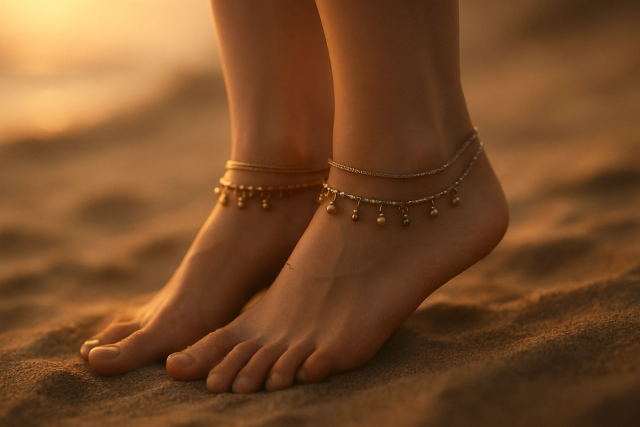
What does an anklet really mean? Explore its history, spiritual symbolism, dream meaning, and the truth behind the 'single vs. tak…
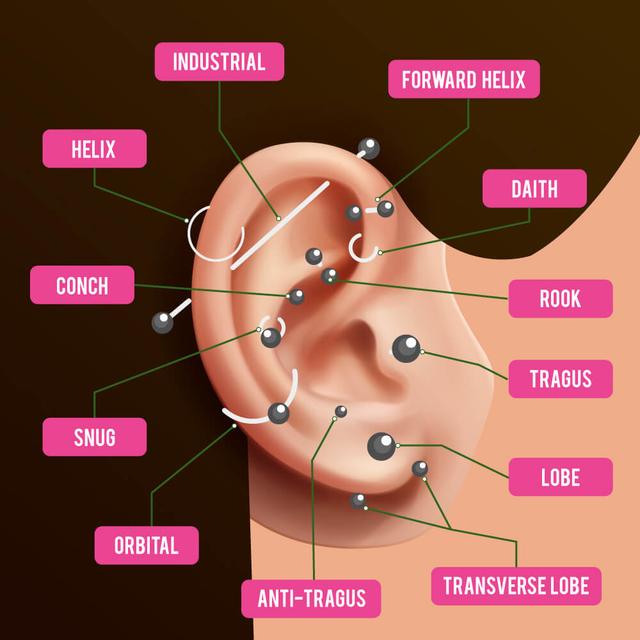
Are you ready to set out for an ear-resistible journey into the ever-changing trends of piercings? So, get ready to turn heads, se…