Jewelry & Fashion
What Is Cubic Zirconia? A Complete Guide
Cubic zirconia explained: what it's made of, how it compares to diamonds, its real history, and how to buy and care for it with co…
 KnowMastery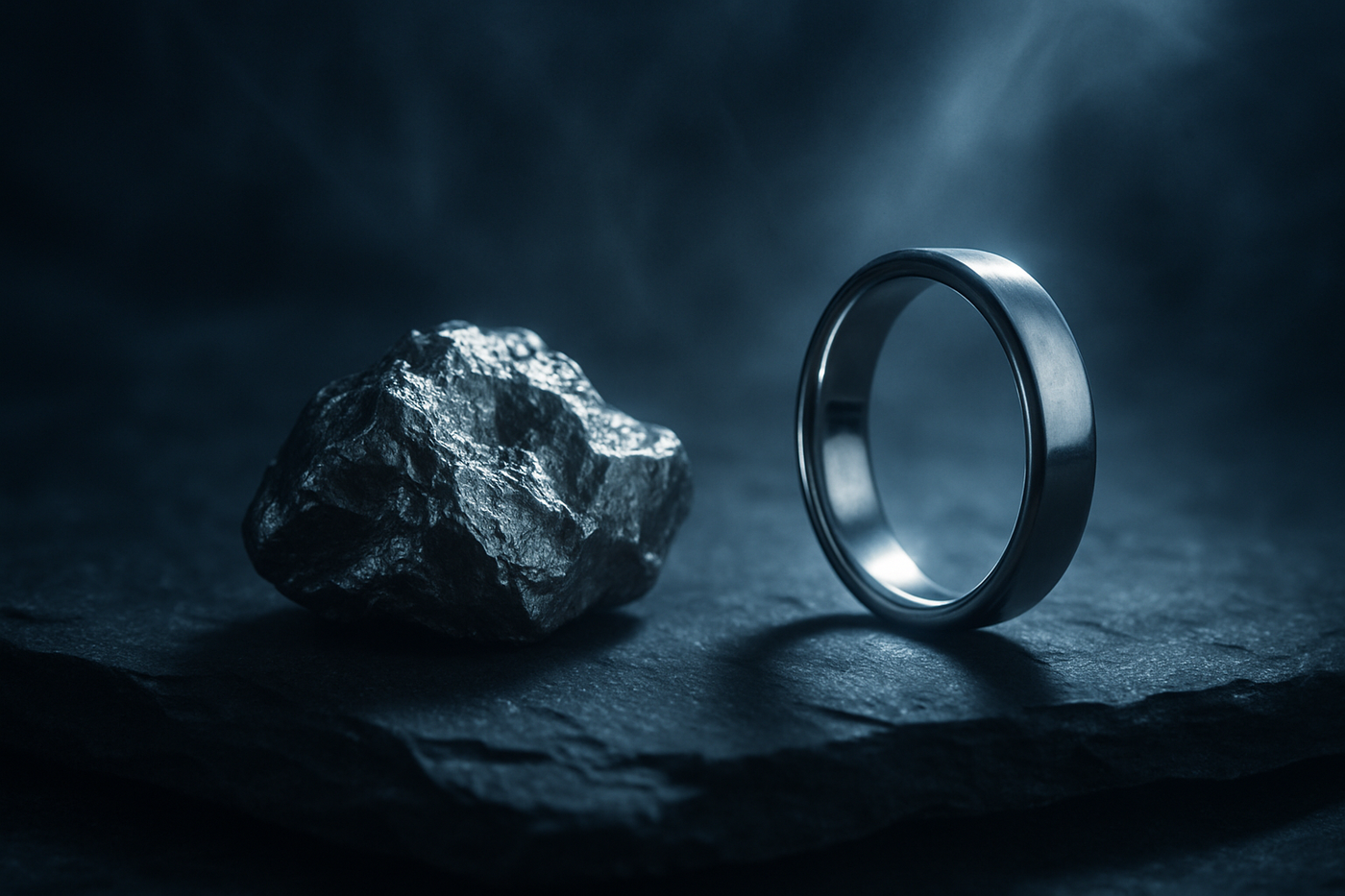
Platinum is a naturally white, exceptionally rare precious metal (chemical symbol Pt, atomic number 78) valued in fine jewelry for its density, purity, and hypoallergenic strength. Unlike white gold, platinum is white all the way through and never needs rhodium replating to keep its color. It's roughly 30 times rarer than gold, typically alloyed at 95% purity in jewelry, and naturally resistant to tarnish and corrosion - the reasons it remains the preferred metal for engagement rings, wedding bands, and heirloom watches meant to survive generations of daily wear.
There is something quietly magnetic about a metal that refuses to fade. Platinum doesn't chase trends or seasonal color palettes - it simply endures, cool and silvery, on the hands of grandmothers and brides alike.
Maybe that's why, when someone slides a platinum band onto a finger, the moment feels different. It isn't flashy. It's a promise carved into something the earth spent a billion years perfecting.
Platinum is a chemical element, part of the platinum group metals (PGMs) that also includes palladium, rhodium, ruthenium, iridium, and osmium. It is a transition metal known for being extraordinarily dense, malleable, and resistant to corrosion and oxidation. A single ounce of platinum can be stretched into a wire over a mile long without breaking. With a melting point of 1,768°C (3,214°F) - nearly 300 degrees higher than gold - platinum requires specialized furnaces simply to cast, which is one reason skilled platinum jewelers are harder to find than gold jewelers.
Most jewelry-grade platinum is stamped 950Pt or Plat950, meaning it's 95% pure platinum alloyed with 5% other metals (usually iridium or ruthenium) for added strength. Compare that to 18k gold, which is only 75% pure gold, or 14k gold at just 58.5% pure.
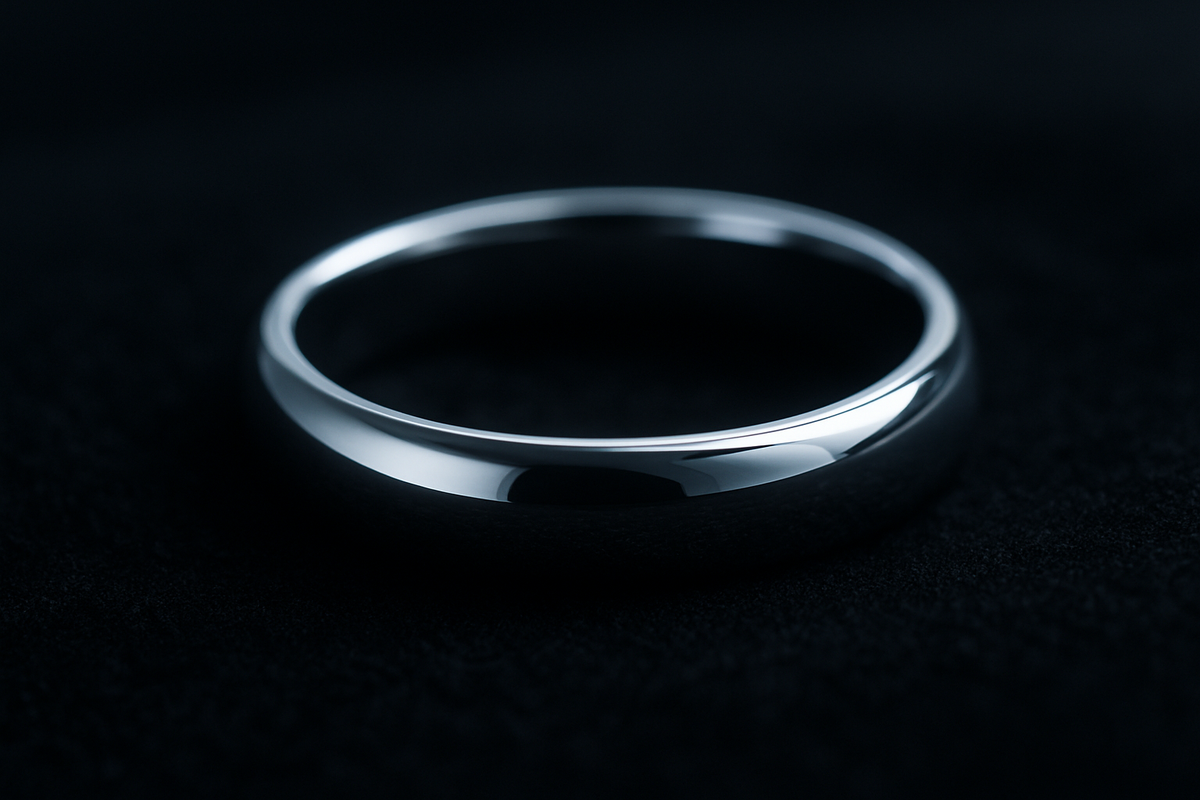
Shoppers frequently confuse platinum with white gold or sterling silver because all three appear silvery-white at a glance. The differences, however, are significant - especially for anyone comparing engagement rings or heirloom pieces. For a deeper breakdown, see our guide on silver vs white gold.
| Property | Platinum | White Gold | Sterling Silver |
|---|---|---|---|
| Purity | 95% pure | 75% gold + rhodium plating | 92.5% silver |
| Color | Naturally white/gray | Yellowish until plated | Bright white |
| Tarnish Resistance | Excellent | Plating wears off | Tarnishes over time |
| Density/Weight | Very heavy | Moderate | Light |
| Hypoallergenic | Yes | Sometimes (nickel alloys) | Usually |
| Average Price | Highest | Mid-range | Most affordable |
Platinum's price begins underground. Roughly 70% of the world's mined platinum comes from South Africa's Bushveld Igneous Complex, a geological formation so vast it's visible in satellite imagery, while most of the remainder is extracted from Russia's Norilsk-Talnakh deposits in Siberia. Compare that concentration to gold, which is commercially mined in more than 40 countries. Because platinum ore often contains only a few grams of metal per ton of rock, a single ring's worth of platinum can represent several tons of mined and processed earth - one reason mining companies consider it among the most labor- and energy-intensive metals to produce.
Beyond the scarcity of supply, several other factors keep platinum priced above nearly every other jewelry metal:
Long before Europeans encountered platinum, the indigenous peoples of what is now Ecuador and Colombia - including the La Tolita culture - were already working the metal into ceremonial ornaments, fusing platinum grains with gold using early sintering techniques centuries before Europe developed the technology to melt it.
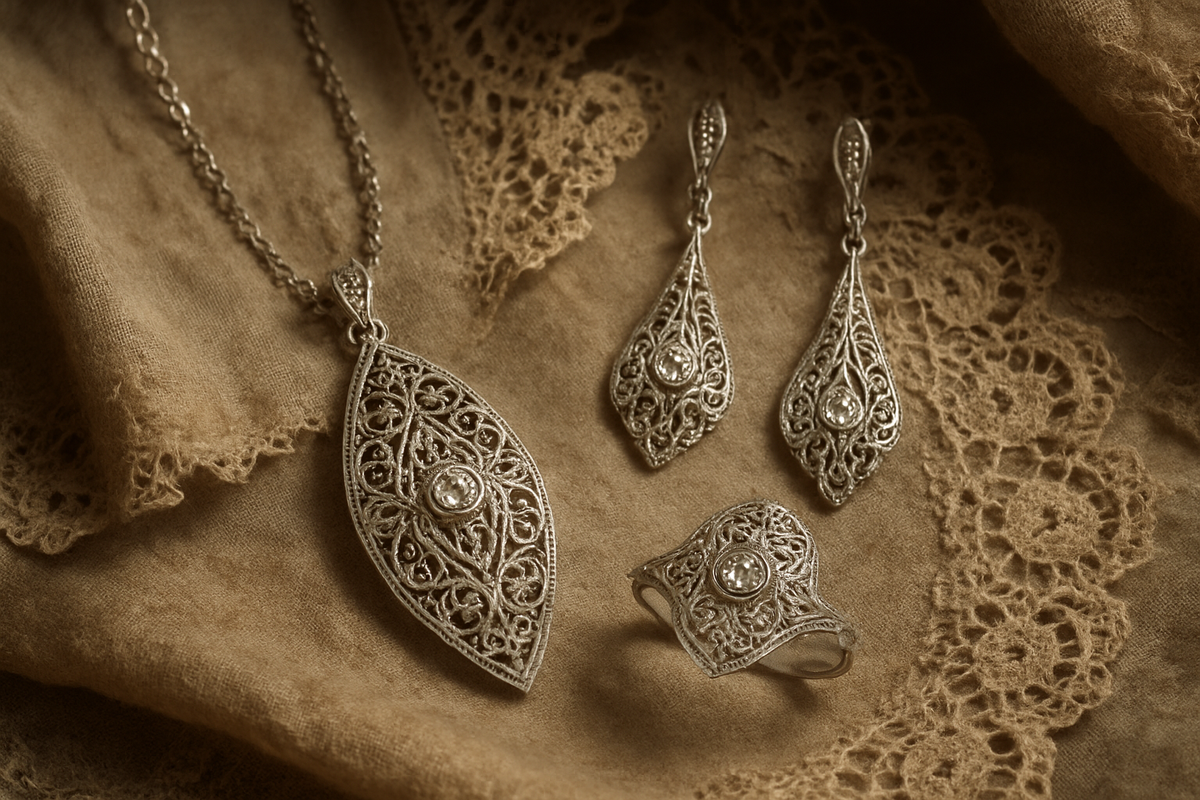
Spanish conquistadors dismissed platinum as "platina," meaning "little silver," considering it a nuisance that contaminated silver ore. It wasn't until the 18th century that French chemists recognized it as a distinct element. By the early 1900s, jewelers like Cartier embraced platinum for its strength, which allowed for the delicate, lace-like settings of the Edwardian era - a style impossible to achieve with softer metals.
During World War II, platinum was declared a strategic metal in the United States and banned from non-military use, cementing its reputation as something almost sacred - reserved, once peace returned, for the most significant jewelry: engagement rings, wedding bands, and museum-grade watches.
Nowhere is platinum's cultural weight more visible today than in Japan, where the majority of wedding rings sold are platinum, according to Japanese jewelry trade associations - far higher than in the United States. The preference took hold in the late 20th century, when platinum's association with purity matched a cultural emphasis on lifelong marital commitment. Japanese jewelers also pioneered ultra-fine platinum mokume-gane techniques, layering platinum with gold and silver to create rippling, wood-grain patterns unique to the craft.
Platinum has come to represent endurance, incorruptibility, and unconditional commitment. Because it doesn't oxidize or fade, many couples choose it specifically to symbolize a love meant to outlast time itself. It's also associated with fifth-decade milestones - the 70th wedding anniversary is traditionally called the "Platinum Anniversary," reserved for the rarest of long marriages.
In numerology and metaphysical circles, platinum is sometimes linked to clarity, spiritual alignment, and higher purpose, thanks to its cool, reflective luster that mirrors moonlight rather than the warm glow associated with gold's solar symbolism.
Dreaming of platinum - a ring, a bar, or simply the color - is often interpreted in popular dream symbolism as a sign of untapped self-worth or an approaching commitment that proves more solid than it first appears. Some dream dictionaries connect platinum's incorruptible nature to a dreamer's own resilience, suggesting a season of life where compromises give way to lasting decisions.
If you're choosing platinum for a symbolic piece, it pairs meaningfully with rings that already carry emotional weight - explore the meaning of rings on each finger or the layered history behind the Claddagh ring for additional inspiration.
Platinum is remarkably low-maintenance compared to other precious metals, but it does develop a soft matte surface called a "patina" over years of wear. Many owners love this warm, brushed look; others prefer to restore the original mirror shine.
Platinum's weight and durability also make it a favorite for stackable bracelets and bangles. If you're building a collection, our bracelet size chart can help you get the fit exactly right before investing.
For engagement rings, heirloom pieces, and watches meant to be passed down, platinum's durability often justifies its higher upfront cost - it won't need replating like white gold and resists warping better than silver. For everyday fashion pieces or trend-driven styles, gold alternatives like rose gold may offer better value since they're lighter and less expensive per gram.
Consider platinum if you want a piece that will realistically be worn daily for decades - or one intended to become a family heirloom. Consider alternatives if you prioritize variety, budget flexibility, or seasonal style changes.
Platinum is generally rarer than gold, and jewelry-grade platinum alloys are purer (95%) than typical gold alloys. However, market price fluctuates - gold has occasionally traded higher than platinum in recent years due to shifting industrial demand and mining output.
No. Platinum is hypoallergenic and doesn't oxidize or react with skin, so it never causes the greenish discoloration sometimes associated with lower-karat gold or copper-alloyed metals. This makes it ideal for people with sensitive skin or metal allergies.
Platinum develops a natural surface texture called a patina from everyday micro-scratches, which gives it a soft, brushed appearance rather than true dullness. This patina doesn't mean the metal is wearing away significantly - it can be buffed back to a bright polish by a jeweler anytime.
Yes, but it requires a jeweler experienced specifically with platinum, since its high melting point and density require specialized tools and techniques compared to gold resizing. It's generally more expensive to resize than gold, but just as reliable when done correctly.
Cubic zirconia explained: what it's made of, how it compares to diamonds, its real history, and how to buy and care for it with co…

Introduction to Hoodies The humble hoodie, often associated with youth, comfort, and urban style, has a history that’s richer and …
EdP has 15-20% fragrance oil for richer, longer-lasting scent; EdT has 5-15% for a lighter, daytime feel. Compare concentration, l…