
Jewelry & Fashion
30 Types of Heels: The Complete Guide (Stiletto to Wedge)
30 heel types explained: stiletto, kitten, block, wedge & more. See heel heights, styling tips, and how to choose the right pair f…
 KnowMastery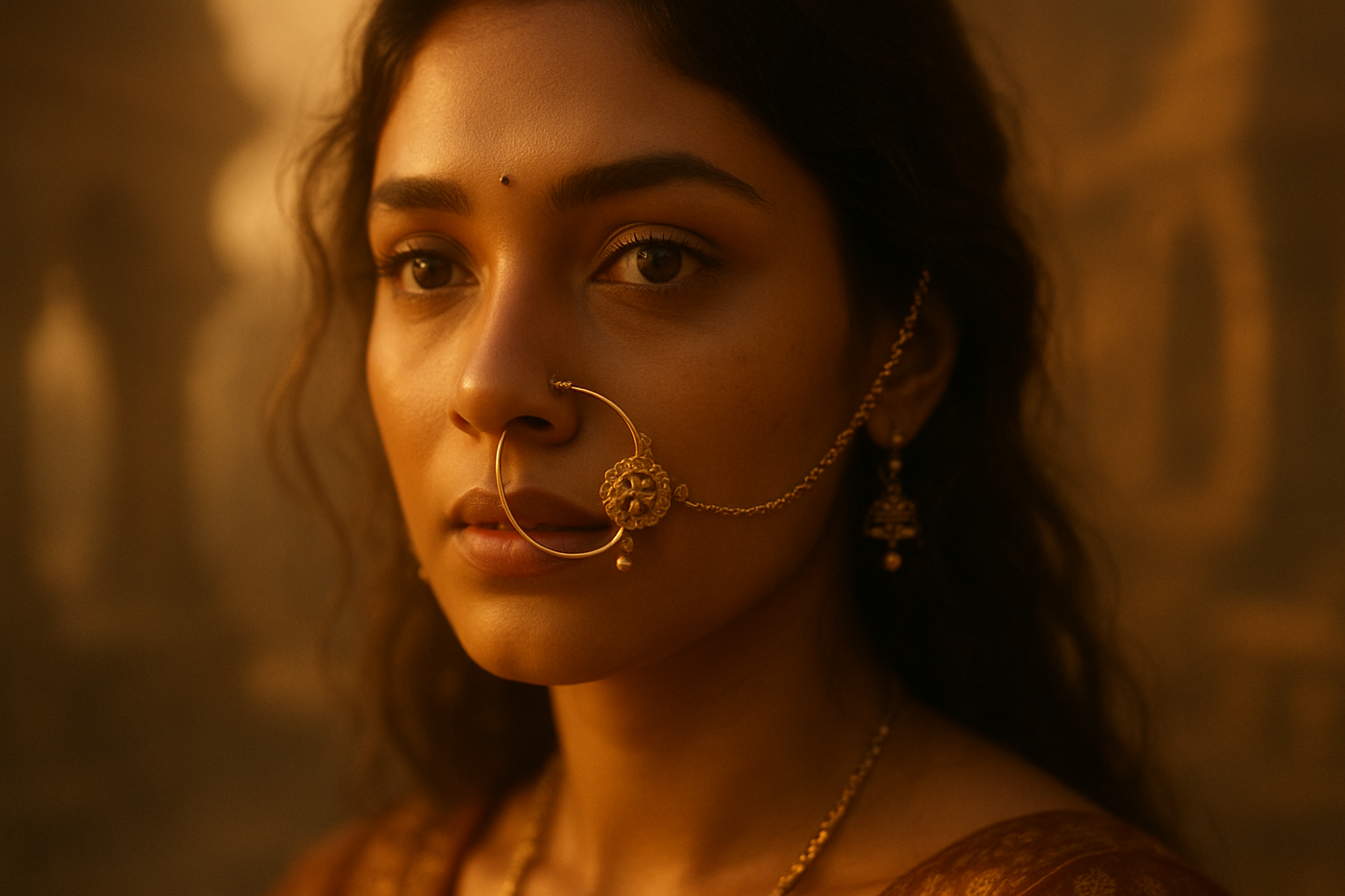
A nose ring is jewelry worn through a pierced nostril or septum, and what it signals depends entirely on where you are. In India it has long marked marriage, fertility and family status. In parts of the Middle East it once served as visible proof of a bride's dowry. Among the Aztec, the Kuna people of Panama and communities in Papua New Guinea, nose ornaments marked rank, warrior status or the passage into adulthood. In Western fashion today it usually reads as a personal style choice, though the older meanings behind it never fully went away.
Picture a girl in Rajasthan the week before her wedding. Her mother holds her hand steady while a goldsmith pushes a fine needle through cartilage that has never been pierced before. The pain lasts a second. The ring she wears afterward will mark her as a married woman for the rest of her life.
Now picture a teenager in a basement club in 1977 London, getting the same piercing done with a sewing needle and a lighter. No wedding, no family blessing, just a small act of rebellion pressed into skin.
Same piercing, two completely different stories. That contrast sums up the whole history of the nose ring, and it is worth knowing before you get one, buy one, or try to figure out why one keeps showing up in your dreams.
A nose ring sits on the face, which is why it is hard to hide the way you could hide a bracelet or a ring on a finger. That visibility is exactly why nearly every culture that adopted the practice attached it to something serious: marriage, status, spiritual devotion or coming of age. It is jewelry, but it also works as a public announcement about the wearer's life stage.
In Ayurvedic medicine, the left nostril was pierced because it was believed to connect to the female reproductive organs, and piercing it was thought to ease childbirth and menstrual pain. Whether or not that belief has any real physiological basis, it shaped centuries of tradition in India and is still repeated by older generations in northern Indian households today.
The small stud or hoop called a nath, the style most people picture when they hear "nose ring," arrived in India around the 16th century through Mughal influence, though nose piercing itself existed earlier among tribal communities. By the time the British colonized India, the nose ring was firmly tied to marital status in most regions, especially Maharashtra, Rajasthan and Gujarat. A large, elaborate nath connected by a chain to the hair was, and still is, part of many bridal outfits.
In South India, though, the nose ring carries much less of that marital weight. It is often worn simply as an ornament, which shows how much the same piece of jewelry can shift meaning even within one country.
Nose rings appear in the Hebrew Bible. In Genesis 24:22, Abraham's servant gives Rebekah a gold nose ring as part of a betrothal gift, a detail that lines up with the practice among Bedouin communities of using nose jewelry as a visible measure of a bride's dowry. The heavier and more ornate the ring, the wealthier the family arranging the marriage.
India and the Middle East developed this tradition independently, thousands of miles apart, yet landed on the same idea: the nose ring became shorthand for a woman's marriage and her family's economic standing, not just decoration.
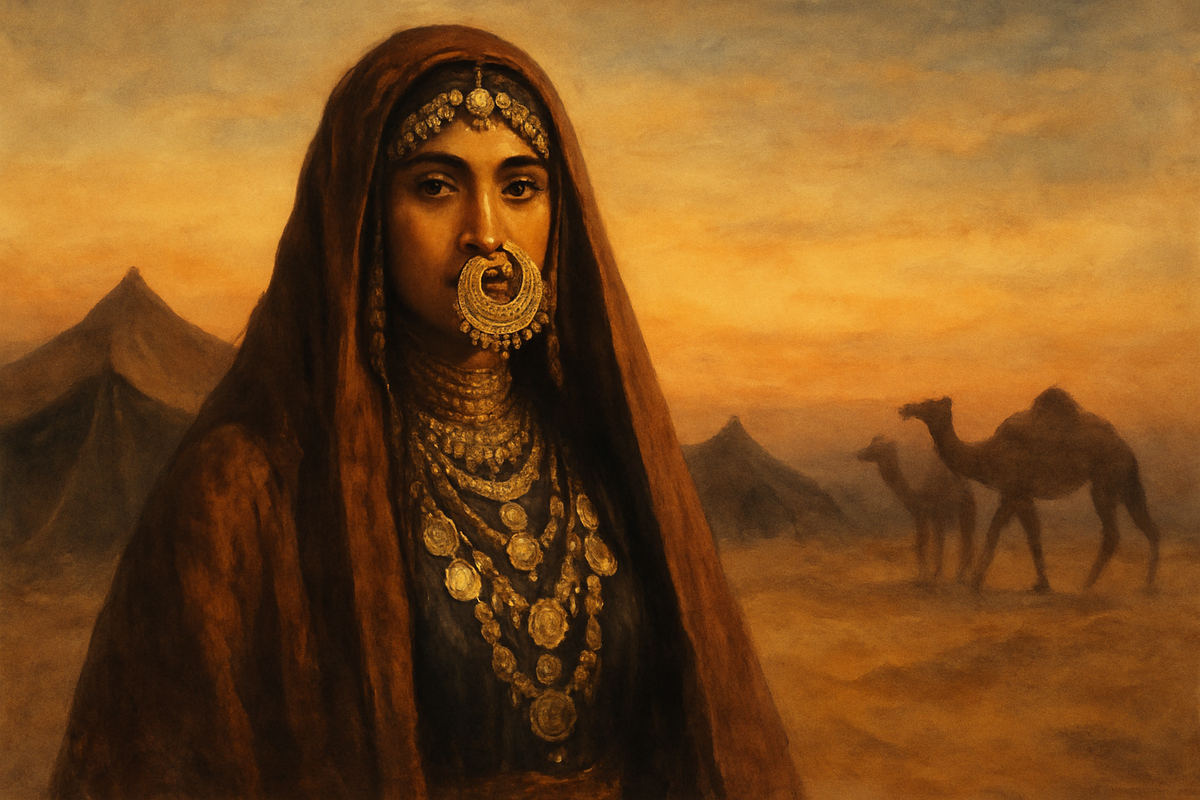
Among the Aztec and other Mesoamerican societies, nose ornaments made of gold or jade were reserved for warriors, priests and nobility. Wearing one meant you had earned a certain rank, not that you were born into it automatically. In parts of Papua New Guinea, a pierced septum fitted with a bone or boar tusk marked a boy's initiation into manhood, a single milestone rather than an ongoing status like marriage.
The Kuna people of Panama wore gold nose rings as part of everyday dress for women, closer in spirit to how a Claddagh ring works in Irish tradition: an everyday piece of jewelry that still tells you something specific about the wearer's place in the community.
Beyond marriage and rank, nose piercing carries a few recurring spiritual threads across traditions.
Where a nose ring sits, and which side, has never been random. The table below breaks down the main placements and the meanings historically attached to them.
| Placement | Common Name | Cultural Origin | Traditional Meaning |
|---|---|---|---|
| Left nostril | Nath | North and West India | Marriage, fertility, connection to reproductive health in Ayurveda |
| Right nostril | No fixed traditional name | Western fashion, some South Indian regions | Personal style, less tied to marital status |
| Septum | Bull ring or septum ring | Aztec nobility, Papua New Guinea, Kuna people | Rank, warrior status, coming-of-age initiation |
| Both nostrils | Double nose ring | Bedouin and Yemeni traditions | Displayed wealth and dowry value |
Dreaming about a nose ring usually circles back to identity and how you present yourself to others. Dreaming of getting one pierced can point to a decision about commitment, romantic or otherwise, since the piercing itself is permanent and visible once healed. Dreaming that a nose ring falls out or breaks often reflects worry about a relationship or status slipping away, especially if the ring was tied to a wedding in the dream.
A dream where you admire someone else's elaborate nose ring can simply point to envy of a life stage or a confidence you feel you have not reached yet. And a dream about choosing a nose ring in a shop, unable to pick one, often shows up during periods when you are genuinely undecided about how you want to be seen.
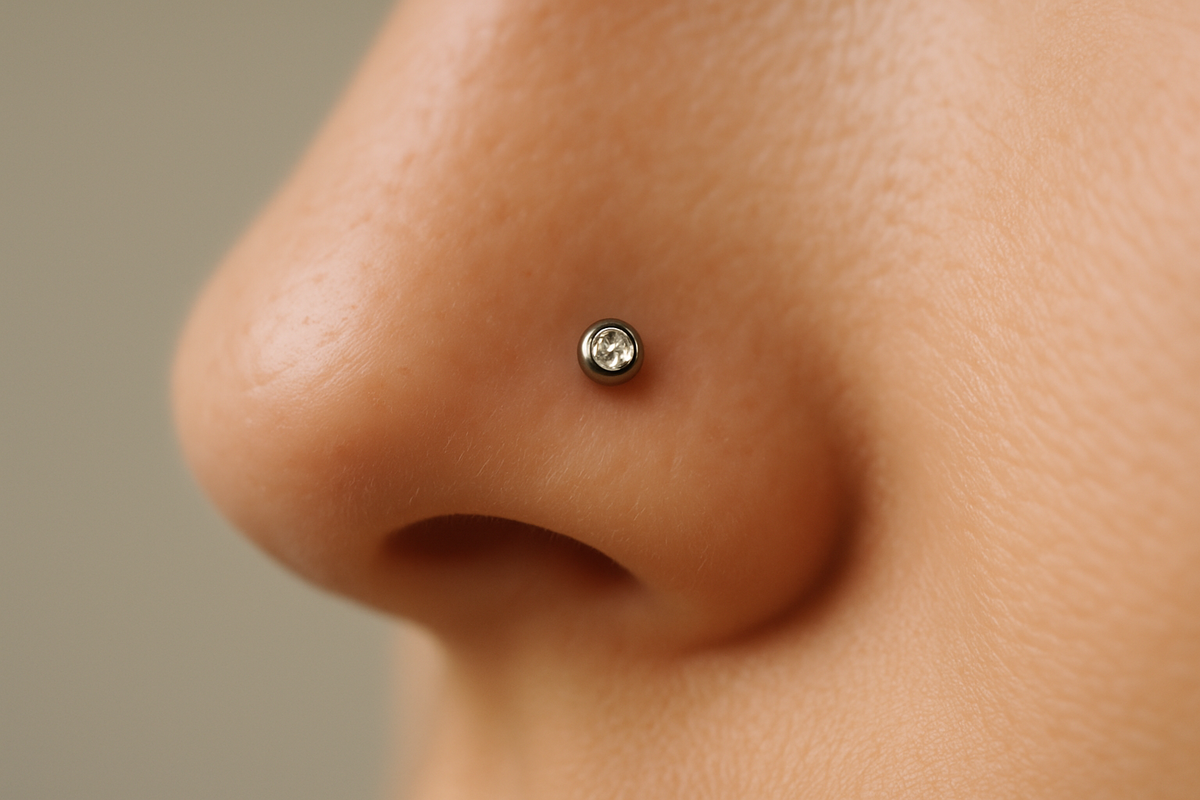
If you are getting a nose piercing for style rather than tradition, it helps to think through the hardware the way you would research earring back types before committing to a piece. A few practical points are worth knowing before you book an appointment:
If you are drawn to the symbolism as much as the look, choose the piercing the way you would choose a pinky ring to represent independence or a specific milestone. Pick the side, the metal and the style because it means something to you, not because it photographs well.
Traditionally in India, the left nostril was pierced because of its link to fertility and reproductive health in Ayurvedic belief. In Western fashion there is no fixed rule, so the choice usually comes down to personal preference or which side suits your face.
Historically, septum piercings among the Aztec, the Kuna and various Papua New Guinea communities signaled rank, warrior status or the completion of an initiation into adulthood. Today it is worn more often for style, but the association with strength and independence still shapes why many people choose one.
Yes, in Genesis 24:22, Abraham's servant gives Rebekah a gold nose ring as part of a betrothal gift before she marries Isaac. This matches historical Middle Eastern customs of nose jewelry marking a woman's dowry and family wealth.
Dreams about nose rings usually connect to identity, commitment or how you present yourself publicly. Getting one pierced in a dream often signals a decision you are weighing, while a broken or lost nose ring can reflect worry about a relationship or status change.
30 heel types explained: stiletto, kitten, block, wedge & more. See heel heights, styling tips, and how to choose the right pair f…

Discover every type of pearl—Akoya, Tahitian, South Sea, freshwater and more—plus their meanings, history, and how to choose the r…
Cubic zirconia explained: what it's made of, how it compares to diamonds, its real history, and how to buy and care for it with co…