Jewelry & Fashion
50 Best Hairstyles for Women: The Complete 2025 Style Guide
Discover 50 iconic hairstyles for women, from bob cuts to beachy waves. See origins, celebrity looks, and tips to find your perfec…
 KnowMastery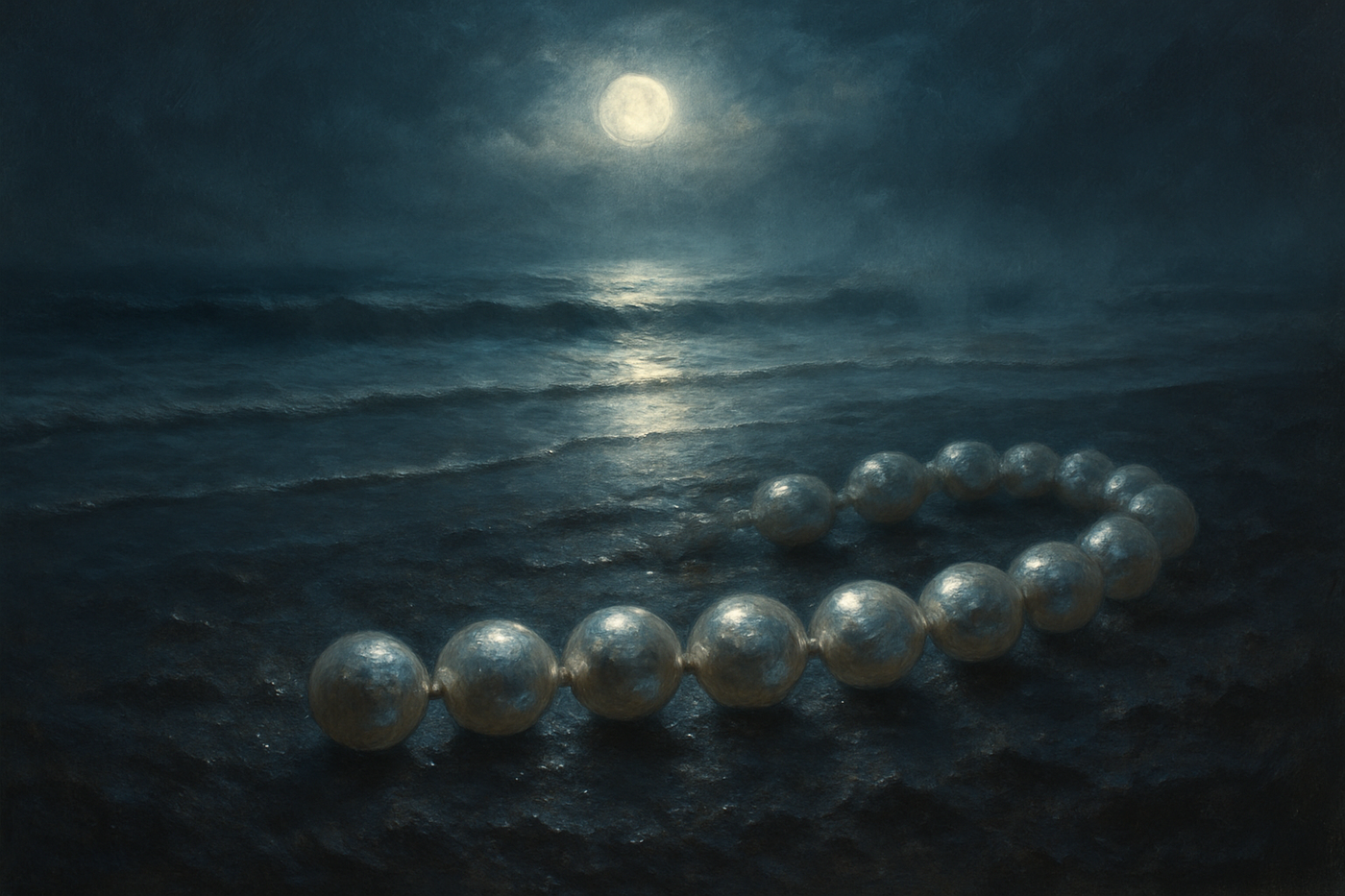
There are five main types of pearls: Akoya, South Sea, Tahitian, freshwater, and natural (wild) pearls. Each is classified by the mollusk that produces it, the body of water it grows in, and whether human intervention (culturing) triggered its formation. Akoya pearls are prized for their mirror-like shine, South Sea pearls for their size and buttery luster, Tahitian pearls for their exotic dark colors, and freshwater pearls for their affordability and shape variety.
There is something almost impossible about a pearl. A grain of sand, a parasite, a wound — and from that irritation, an oyster builds something luminous, layer by layer, in total darkness, for years. No cutting. No polishing. No human hand until the very end. It is one of the only gems on earth born entirely from a living creature's patience.
Maybe that's why pearls have always felt different from diamonds or emeralds. They don't sparkle with fire; they glow with something quieter — moonlight, tears, the inside of a shell held up to the ear. For thousands of years, people have risked everything chasing that glow: divers held their breath until they blacked out, empires taxed and hoarded them, and entire coastal economies rose and fell on their backs. Somewhere between vanity and reverence, pearls became one of humanity's oldest obsessions.
A pearl forms when a mollusk — an oyster or a mussel — detects an irritant inside its shell and coats it, again and again, with layers of nacre (mother-of-pearl). Over months or years, those microscopic layers build up into the smooth, iridescent sphere we recognize as a pearl. This is true whether the pearl formed entirely by accident in the wild, or whether a technician deliberately inserted a bead or tissue graft to start the process, which is how nearly all pearls sold today are made.
Natural pearls form without any human interference — pure chance, which is why they are exceedingly rare and expensive today; most natural pearls on the market are historic pieces, often traced back to the Persian Gulf pearling fleets that dominated the trade before the 1930s. Cultured pearls, pioneered by Japanese entrepreneur Kokichi Mikimoto in the late 19th century, are grown with human assistance but through the same biological process — the oyster still does all the real work. Roughly 99% of pearls sold today are cultured.
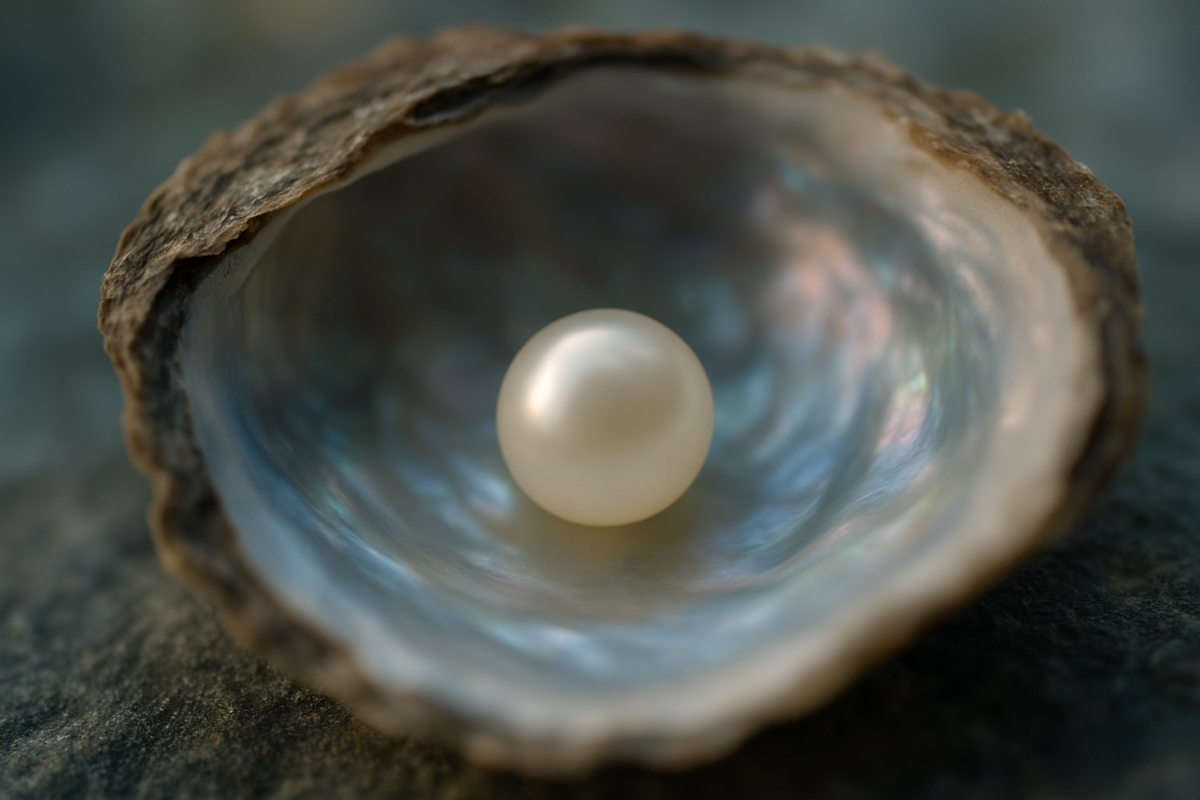
Grown primarily in Japan and China in the Pinctada fucata oyster, Akoya pearls are the classic "pearl necklace" pearl — round, white or cream, with an intense mirror-like shine. They're typically smaller (2–9mm), making them a favorite for classic strands and stud earrings.
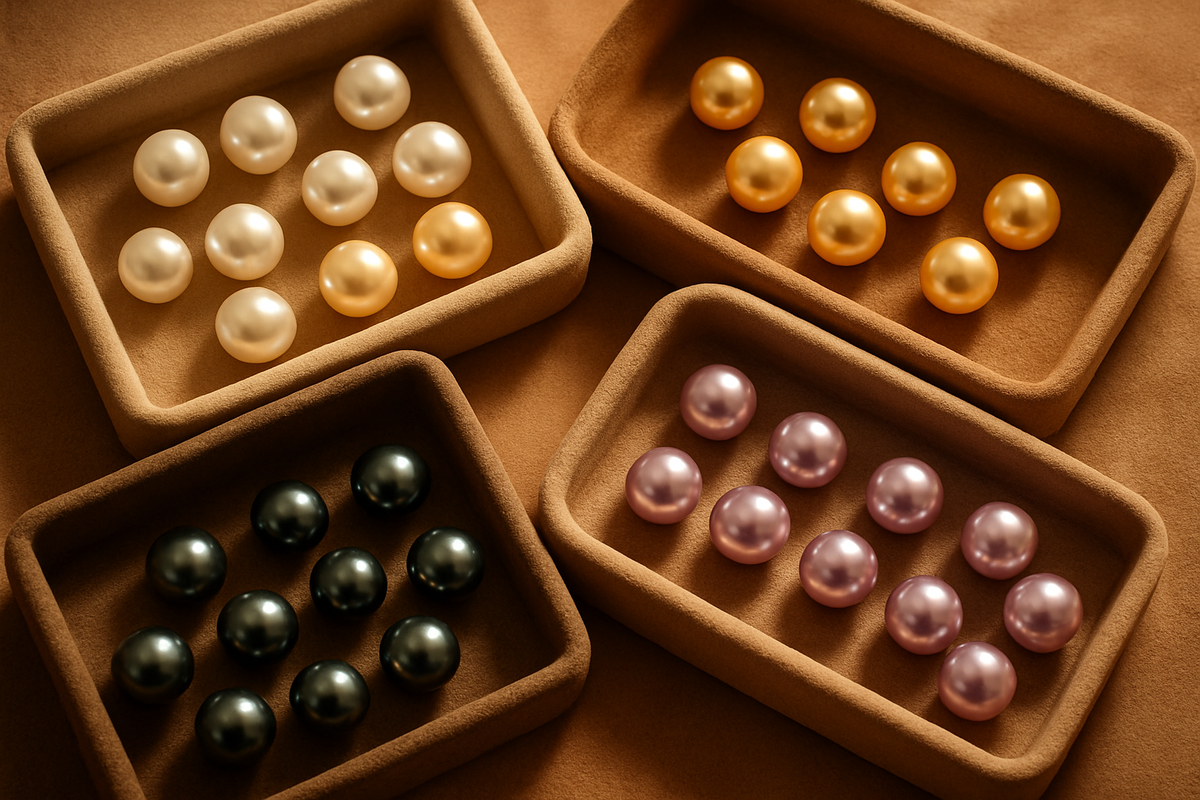
Cultivated in the warm waters off Australia, Indonesia, and the Philippines using the large Pinctada maxima oyster, South Sea pearls are the largest and among the most valuable cultured pearls, often reaching 9–20mm. Their colors range from white and silver to a rich golden hue, with a soft, satiny luster rather than a sharp shine.
Often called "black pearls," Tahitian pearls come from the black-lipped oyster (Pinctada margaritifera) in the lagoons of French Polynesia. They're rarely truly black — expect shades of charcoal, peacock green, aubergine, and steel blue, sometimes with a rainbow overtone called "orient."
Grown mainly in Chinese lakes and rivers using freshwater mussels, these pearls are the most affordable and versatile. A single mussel can produce dozens of pearls at once, and shapes range from perfectly round to rice-shaped, coin, and baroque. Historic Biwa pearls, once farmed in Japan's Lake Biwa, are the ancestor of today's freshwater pearl industry.
These are "accidental" pearls that form as a byproduct of culturing other pearls, when the oyster rejects the implanted nucleus but keeps producing nacre anyway. Because they're all nacre with no bead center, Keshi pearls often have extraordinary luster despite their irregular, freeform shapes.
Not technically "true" pearls in the nacre sense, these come from the queen conch (Caribbean) and the melo melo sea snail (Southeast Asia). They lack nacre entirely, showing a distinctive porcelain-like, flame-patterned surface instead, and are prized for their rarity — no culturing method exists for either.
| Pearl Type | Source | Typical Colors | Typical Size | Relative Rarity |
|---|---|---|---|---|
| Akoya | Japan, China | White, cream, silver | 2–9mm | Common |
| South Sea | Australia, Indonesia, Philippines | White, silver, gold | 9–20mm | Rare, high value |
| Tahitian | French Polynesia | Charcoal, peacock, aubergine | 8–16mm | Rare |
| Freshwater | Chinese lakes/rivers | White, pink, lavender | 4–14mm | Very common |
| Keshi | Byproduct of culturing | Varies, high luster | 2–8mm | Uncommon |
| Conch/Melo | Caribbean, Southeast Asia | Pink, orange (no nacre) | 2–10mm | Extremely rare |
In ancient Rome, pearls were the ultimate status symbol — Pliny the Elder wrote that Julius Caesar passed a law restricting who could wear them, reserving pearls for the elite. Cleopatra's legendary act of dissolving a pearl earring in vinegar to win a bet with Mark Antony over the most expensive meal ever eaten remains one of history's most quoted (if debated) pearl stories.
In Japan, the ama — female free-divers who have worked the coasts for over 2,000 years, holding their breath for up to a minute at a time — dove for natural pearl oysters long before Kokichi Mikimoto's cultured pearl breakthrough in 1893 transformed the entire global industry and made pearls accessible beyond royalty. Meanwhile, in the Persian Gulf, pearling fleets from Bahrain and Qatar built entire economies around natural pearl diving until the Japanese cultured pearl market collapsed prices in the 1930s.
Native American tribes along the Mississippi River, including the Hopewell culture, used freshwater pearls from river mussels in ceremonial burial jewelry as far back as 200 BCE, proving pearls held spiritual significance on nearly every inhabited continent, independently.
Because a pearl is created through irritation transformed into beauty, it's widely interpreted as a symbol of resilience, patience, and inner transformation — the idea that discomfort, given time, can become something valuable. In many spiritual traditions, pearls are also linked to the moon and water elements, associated with emotional intuition, femininity, and calm. In Hindu tradition, the pearl (moti) is tied to the Moon and is worn in astrology to soothe emotional instability and strengthen intuition. In Islamic tradition, the Quran describes the righteous in paradise as adorned with pearls, reinforcing the gem's long association with purity, reward, and the sacred.
Dreaming of pearls is often interpreted as a sign of hidden wisdom or emotional clarity coming to the surface. Finding pearls in a dream can suggest an unexpected reward for past patience, while a broken strand of pearls is sometimes read as a warning about fragile relationships or scattered energy that needs re-gathering.
When shopping, examine luster first — a high-quality pearl should reflect a sharp, clear image, not a hazy glow. Most retailers grade pearls on an A to AAA scale, with AAA reserved for pearls with near-flawless surfaces and intense luster; Japanese Akoya pearls that meet the strictest standard are sometimes certified as "Hanadama." Beyond the grade, check for surface smoothness, consistent color, and, for strands, matching size and shape across every pearl. If you're building a jewelry collection, pearls pair beautifully with warm metals; if you're deciding between settings, our guide to what rose gold is or the differences covered in silver vs. white gold can help you pick a complementary metal tone.
If pearls are your first move into fine jewelry, it's worth learning proper sizing before buying bracelets or bangles — see our bracelet size chart for measuring wrist size accurately. And if you're pairing a pearl ring with other rings, our guide to the meaning of rings on each finger is a helpful next read. For pearl studs specifically, understanding the different types of earring backs will help you choose a secure setting for a gem this precious.
Natural pearls formed entirely without human intervention are the rarest overall, but among cultured varieties, large South Sea pearls and certain Tahitian colors like peacock green are the most difficult and expensive to produce. Melo and conch pearls, which form without nacre, are also exceptionally rare because no culturing method exists for them.
South Sea pearls, particularly large golden ones from the Philippines, are generally considered the most valuable cultured pearls due to their size, rarity, and luster. Natural pearls with documented history, like those once traded in the Persian Gulf, can fetch even higher prices at auction.
Real pearls typically feel slightly gritty when rubbed gently against your teeth, while fake pearls feel smooth. Genuine pearls also vary slightly in size and shape along a strand, whereas imitation pearls are usually perfectly uniform.
Yes, freshwater pearls are 100% genuine pearls, grown inside freshwater mussels rather than saltwater oysters. They're just as authentic as Akoya, South Sea, or Tahitian pearls — simply more affordable due to how many a single mussel can produce at once.
Discover 50 iconic hairstyles for women, from bob cuts to beachy waves. See origins, celebrity looks, and tips to find your perfec…
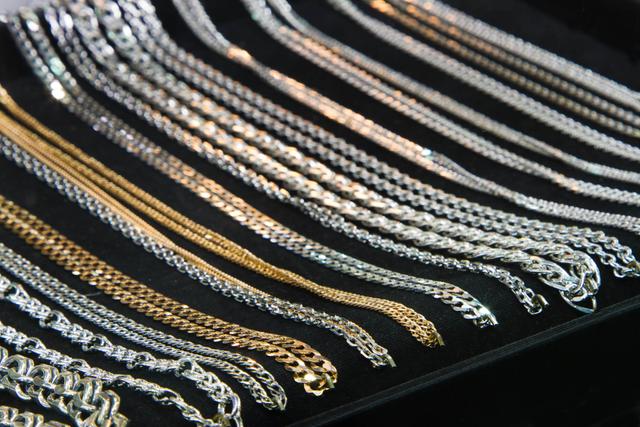
Necklaces have been an integral part of human adornment for the past many centuries that span different time, geography, and cultu…

1. Stiletto 2. Kitten 3. Block 4. Wedge 5. Espadrille 6. Cone 7. Spool 8. Platform 9. Slingback 10. Ankle Strap 11. Mule 12. Peep …