Crystal & Stones
Alexandrite: Meaning, Value & Mystical Powers
Table of Content Introduction to Alexandrite History and Discovery of Alexandrite Geological Properties of Alexandrite Symbolism a…
 KnowMastery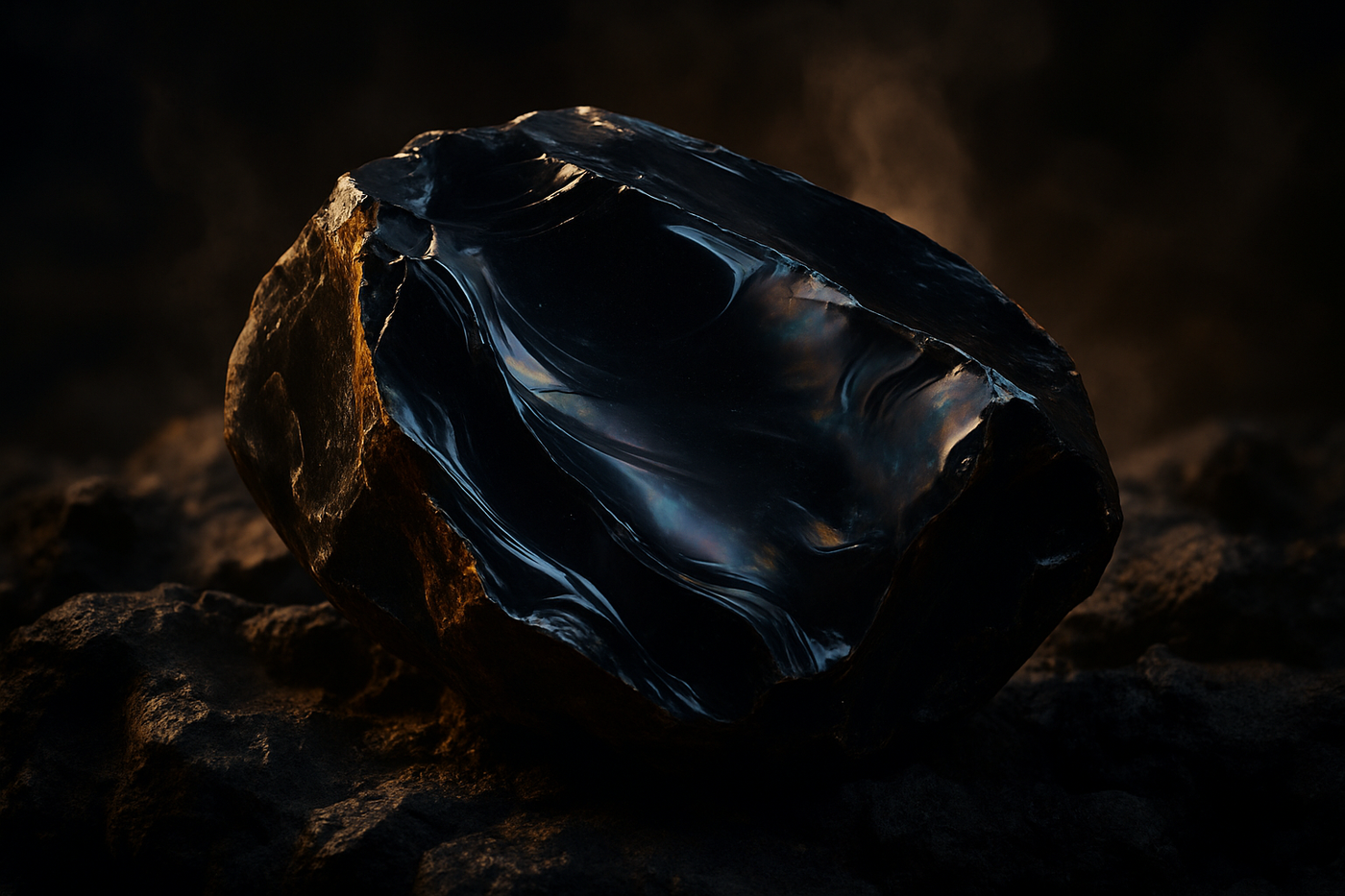
Obsidian is a protective, grounding volcanic glass believed to absorb negative energy, shield against psychic attack, and reveal hidden truths — making it one of the most trusted stones for spiritual protection and emotional healing. Geologically, it forms when silica-rich lava cools so rapidly that no crystals have time to grow, leaving behind a smooth, glassy stone prized for millennia as both a sacred tool and a talisman. Want the full breakdown of what it can do for you energetically? Jump straight to Metaphysical and Healing Properties of Obsidian.
Such a rapid transition from a liquid to a solid state, from burning heat to cold rigidity, underscores the fascinating dual nature of obsidian. While it’s aesthetically captivating, the true essence of obsidian lies in its journey — a journey from turbulent beginnings to a polished end, embodying both nature’s fury and its serenity.
Obsidian at a Glance
From ancient ceremonial tools to modern-day crystal healing kits, obsidian’s multifaceted appeal spans across time and cultures, cementing its place as one of nature’s most enigmatic creations.
Obsidian’s captivating charm isn’t just skin deep. Its formation is a testament to nature’s alchemy, and its geological properties provide insights into its unique composition and characteristics.
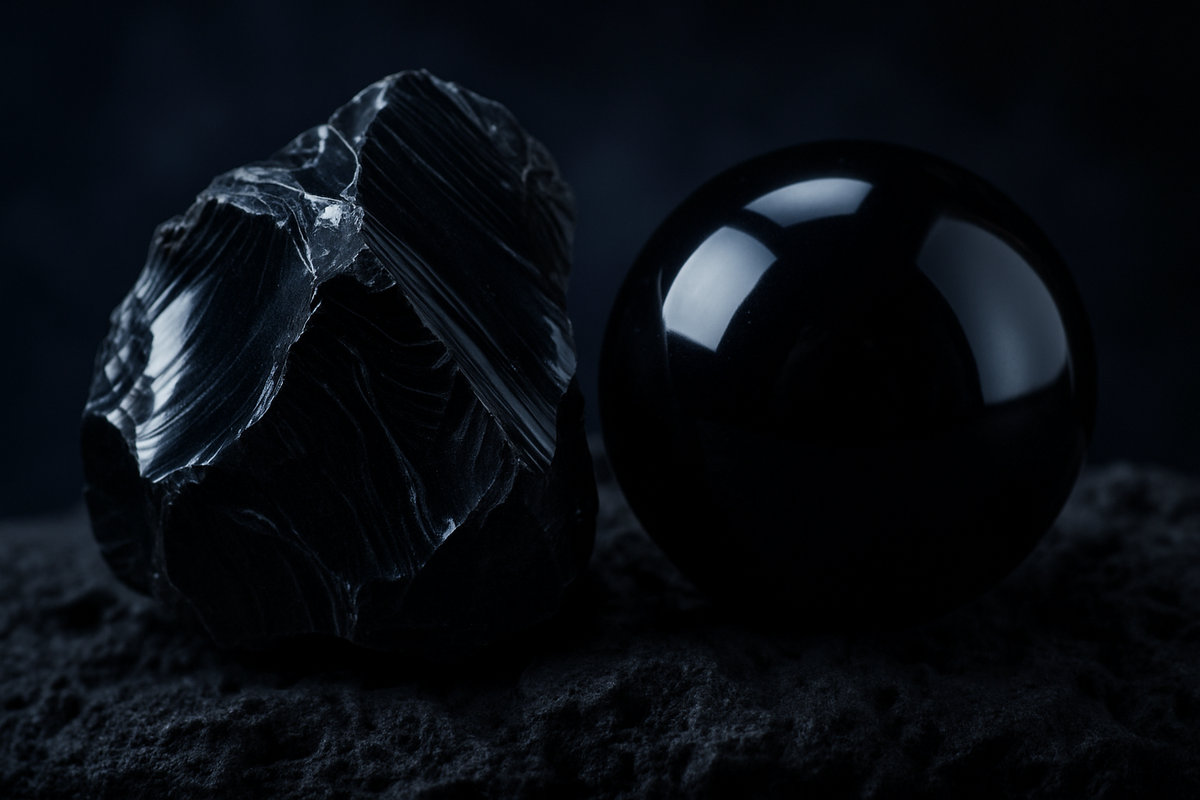
The birth of obsidian starts deep within a volcano. When lava rich in silica experiences a rapid cooling process on the Earth’s surface, it solidifies quickly, giving no time for mineral crystals to grow. This results in the formation of a glassy rock — obsidian.
| Property | Description |
|---|---|
| Color | Typically black, but can also be brown, tan, green, blue, red, or a combination thereof. |
| Texture | Glassy and smooth, often with sharp edges when broken. |
| Composition | Mainly composed of Silicon Dioxide (70% or more). May contain small amounts of other oxides. |
| Transparency | Translucent to opaque, with some varieties showing a sheen or iridescence. |
| Fracture | Conchoidal (shell-like) fracture, which is why it was used for making sharp-edged tools in prehistoric times. |
| Hardness | 5 to 5.5 on the Mohs hardness scale. |
| Specific Gravity | Approximately 2.4, making it less dense than many other volcanic rocks. |
| Luster | Vitreous or glass-like. |
Each property of obsidian, from its color variations to its specific gravity, offers clues about its formation environment and the elements that played a role in its birth. Whether utilized as a gemstone, an archaeological specimen, or simply appreciated for its beauty, understanding these properties can deepen one’s appreciation for this unique volcanic treasure.
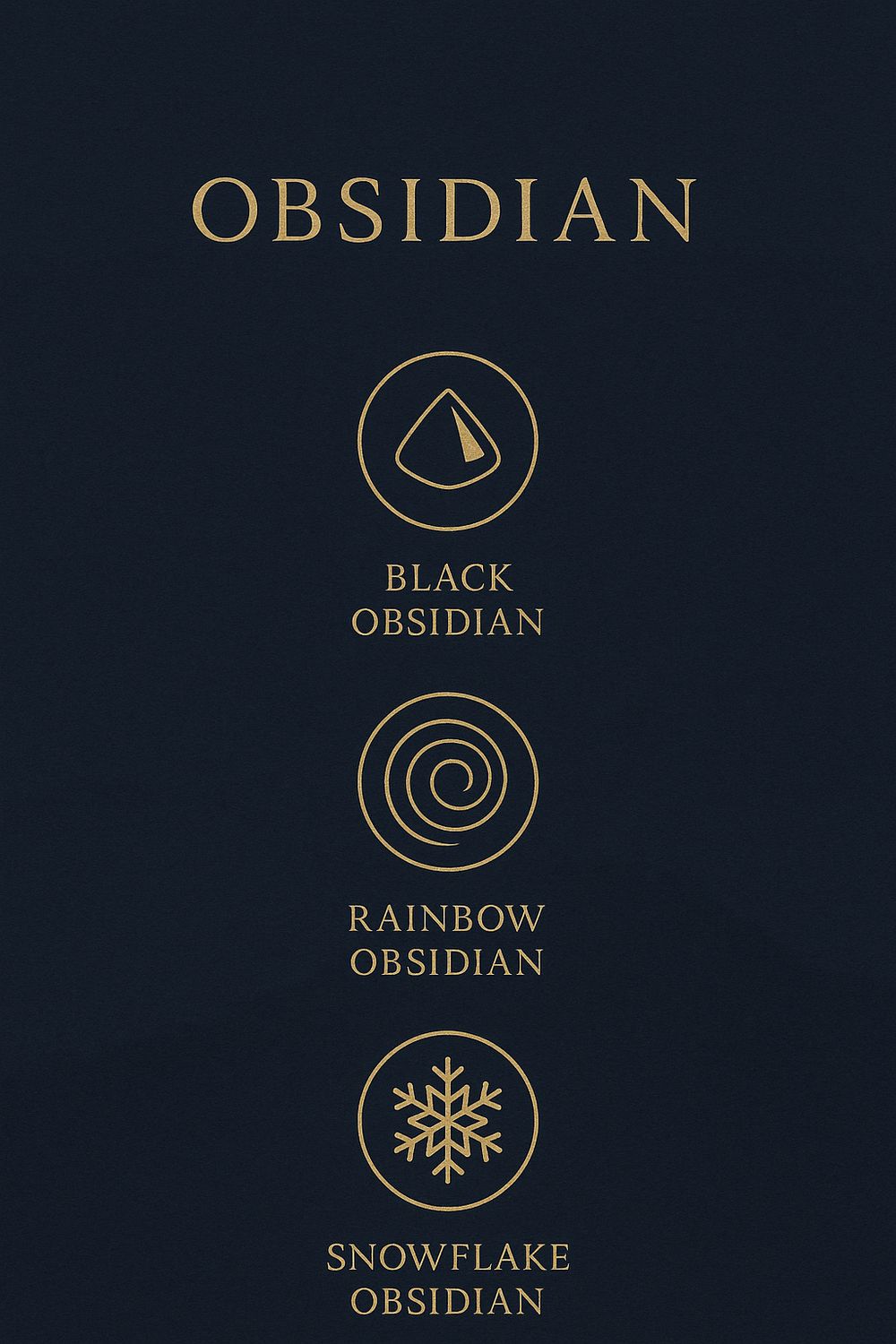
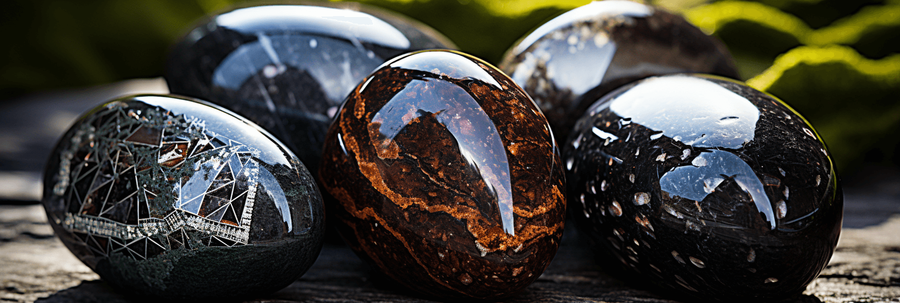
Obsidian’s allure isn’t confined to its standard black sheen. The volcanic glass manifests in a variety of colors and types, each bearing unique patterns and shades due to different environmental conditions and impurities present during formation. From the mystical sheen of rainbow obsidian to the snowflake patterns on snowflake obsidian, each type tells a tale of its volcanic origin.
| Type | Color and Description |
|---|---|
| Black Obsidian | The most common variety, it’s characterized by its pure, glossy black appearance. |
| Rainbow Obsidian | Displays layers of iridescent colors (like rainbows) when viewed under specific lighting conditions, owing to the presence of tiny mineral crystals or inclusions. |
| Snowflake Obsidian | Black with distinct white or grey “snowflake” patterns, formed due to the crystallization of small phenocrysts of cristobalite in the glass. |
| Sheen Obsidian | Presents a golden or silvery sheen, resulting from gas bubbles reflecting light from within the stone. |
| Mahogany Obsidian | Reddish-brown streaks or patches on a black background, giving it a mahogany wood appearance. |
| Apache Tears | Translucent, rounded nodules of obsidian often found embedded within a greyish perlite matrix. |
These variations of obsidian each possess their own beauty and significance. Jewelry makers, collectors, and enthusiasts alike cherish them for their individual characteristics, making obsidian a versatile gemstone with a wide range of aesthetic appeal.
Obsidian, with its sharpness and beauty, has been a significant component in human culture for millennia. Its historical footprint spans from the hands of ancient toolmakers to the workshops of modern artisans.
Long before it was recognized for its ornamental value, obsidian was highly prized for its practical applications:
In contemporary times, while the practical applications of obsidian as a tool have diminished, its cultural and artistic significance has soared:
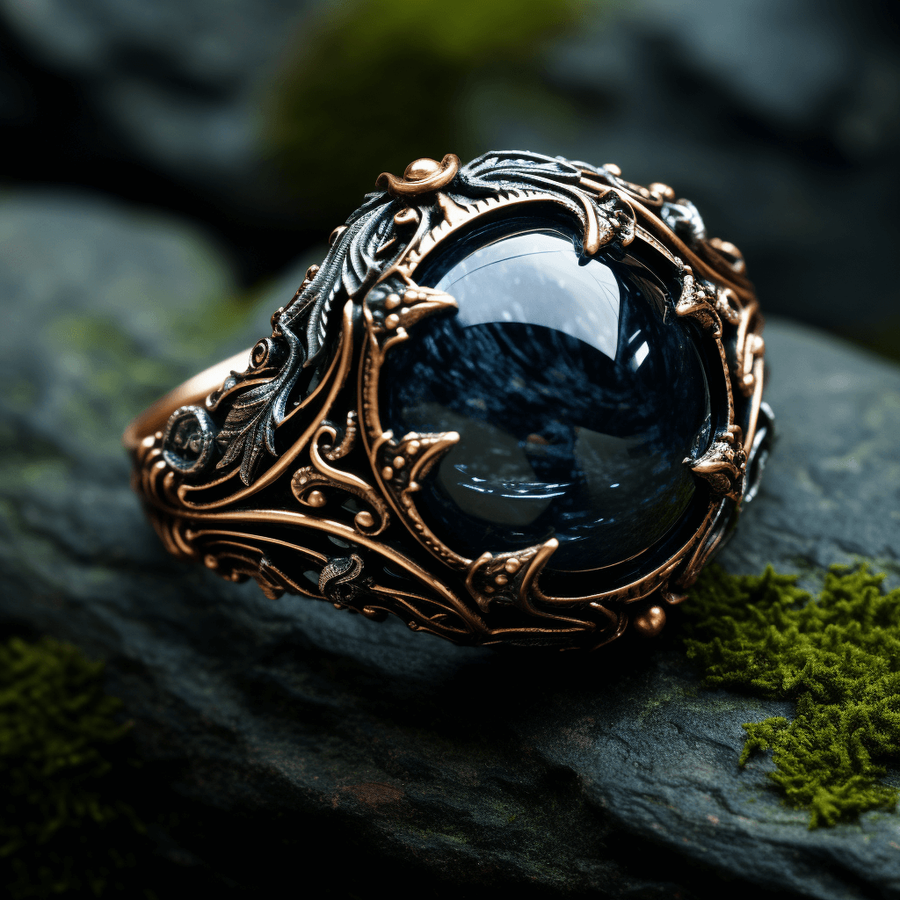
From its primeval origins in the heart of volcanoes to its esteemed place in art galleries, obsidian’s journey through time is a testament to its enduring allure and utility.
Obsidian, beyond its tangible beauty and utility, is revered in metaphysical circles for its purported spiritual and healing properties. This volcanic glass has been integrated into various holistic practices and beliefs throughout different cultures, and it's traditionally connected to the root chakra, the energy center governing safety, stability, and our connection to the earth.
The deep black hue of obsidian is often associated with the power of the void or the unknown, making it a potent tool for spiritual introspection:
If obsidian's grounding, shadow-work energy feels too heavy for daily wear, many practitioners pair it with a lighter, more uplifting stone like amethyst — using obsidian to root and protect while amethyst calms the mind and opens intuition.
Healers and practitioners of alternative medicine have attributed various physical and emotional healing properties to obsidian:
While many swear by the metaphysical benefits of obsidian, it’s essential to note that these beliefs are rooted in spirituality and folk tradition, rather than empirical scientific evidence — no peer-reviewed clinical research confirms crystal healing claims. As such, while obsidian can complement a wellness routine or meditation practice, it shouldn’t replace professional medical or mental health treatment.
Obsidian, with its glassy texture and fragile composition, requires meticulous care when being shaped into jewelry, artifacts, or art pieces. For jewelers and artisans, it’s crucial to understand how to work with this unique material without damaging it. Additionally, once crafted, obsidian objects need proper care to maintain their lustrous beauty.
By adhering to these guidelines, jewelers and artisans can craft exceptional obsidian pieces, and owners can ensure their obsidian items remain stunning for generations.
Obsidian, being a form of volcanic glass, has the unique property of fracturing with very sharp edges. Throughout history, this characteristic has made it a favored material for crafting tools and weapons, particularly blades.
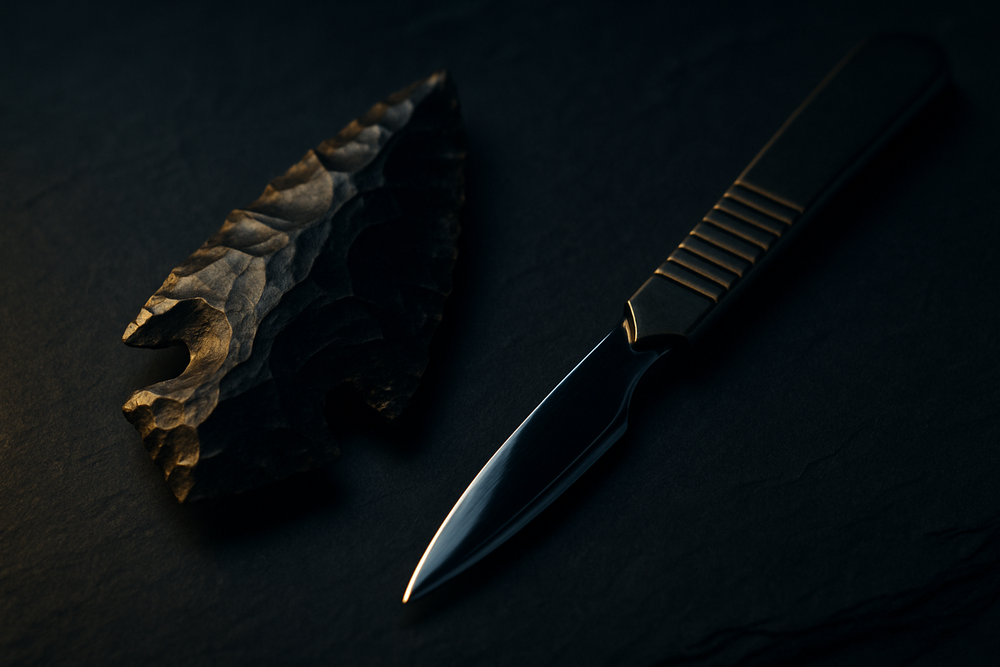
The sharpness of obsidian was recognized by ancient civilizations across the globe. From the indigenous tribes of the Americas to the ancient cultures of Asia and Africa, obsidian blades were highly prized for their cutting prowess.
In the modern era, the extreme sharpness of obsidian has found its way into the medical field. Even with advances in metallurgy and synthetic materials, few things can rival the edge of an obsidian blade.
While the use of obsidian in surgeries isn’t widespread due to regulatory challenges and the brittle nature of the material, its potential benefits in specific surgical scenarios are undeniable.
From its historic role in shaping the tools of ancient civilizations to its modern surgical applications, the exceptional sharpness of obsidian has remained a consistent marvel across the ages.
Obsidian is a unique and intriguing gemstone, with its origins deeply embedded in volcanic activity. While not as rare as some gemstones, its presence is still limited to specific geographical areas with past or current volcanic activity. In this section, we delve into the prime sources of obsidian and its perceived value in the market.
The creation of obsidian requires specific conditions, primarily rapid cooling of lava. Due to this, the regions with abundant obsidian deposits are often areas with historical or current volcanic activity.
| Region | Notable Features |
|---|---|
| North America | Obsidian deposits are scattered across the western USA, with significant sources in California, Oregon, and Idaho. Mexico also boasts rich obsidian deposits, particularly in the states of Hidalgo and Jalisco. |
| South America | Countries with Andean mountain ranges, like Ecuador, Peru, and Chile, have historical and current obsidian mining sites. |
| Asia | Japan, with its volcanic islands, has several obsidian sources, particularly on Hokkaido and Honshu islands. Anatolia in Turkey is another region rich in obsidian. |
| Africa | Kenya and Ethiopia, located in the East African Rift region, have significant obsidian deposits. |
| Europe | Italy, especially around the Mount Etna region in Sicily, and certain parts of Greece are known for their obsidian. |
Obsidian’s value doesn’t derive from its rarity but rather its unique aesthetic and historical significance. Being a type of volcanic glass, it’s relatively more abundant than some other gemstones. However, certain variants, like rainbow or snowflake obsidian, might fetch higher prices due to their distinct appearance and demand in the jewelry market.
Furthermore, the value of obsidian artifacts, such as ancient tools or art pieces, often hinges on their historical and cultural importance rather than the material alone. In modern times, as appreciation for natural stones in jewelry and decor has grown, obsidian has seen a resurgence in demand, adding to its value.
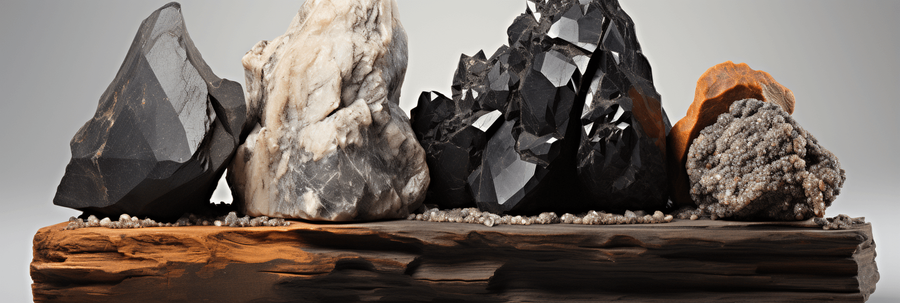
Obsidian, while unique in many respects, shares its volcanic origin with several other stones. By comparing it to other volcanic gemstones, we can better understand its distinct properties and how it stands out in the vast realm of geological wonders.
| Stone | Composition | Appearance | Uses |
|---|---|---|---|
| Obsidian | Volcanic glass formed from rapid cooling of felsic lava | Typically black, but can vary to include green, brown, or even rainbow patterns | Jewelry, tools, art pieces, and certain surgical instruments |
| Pumice | Volcanic rock that forms when frothy lava solidifies | Light-colored and porous | Exfoliating tools, construction material, and landscaping |
| Basalt | Fine-grained volcanic rock formed from rapid cooling of mafic lava | Usually gray to black | Construction material, statues, and as a source for basalt fiber |
| Perlite | Obsidian that has undergone hydration over time | White, porous, and granular | Soil additive, construction insulation, and filter aid |
| Rhyolite | Volcanic rock with high silica content, similar composition to granite | Varies widely in color, often displays bands or spots | Ornamental uses and occasionally in jewelry |
Each volcanic stone has its unique set of properties and uses. The table above illustrates a mere glimpse of the variety and richness of Earth’s geological treasures. While obsidian is renowned for its glassy sheen and sharpness when fractured, other volcanic stones have their distinct features, setting each apart in the world of geology. For a striking contrast, look at the opposite end of the spectrum with mother of pearl — a pale, luminous, ocean-born material often prized for gentle, nurturing energy versus obsidian's dark, protective intensity.
Obsidian has played a significant role in the world of archaeology. This glass-like volcanic stone has often been the key to unlocking secrets of ancient civilizations, offering invaluable insights into their daily lives, trade routes, and technological advancements.
The sharpness and durability of obsidian made it an ideal material for tools and weapons in ancient times. As such, the discovery of obsidian artifacts often indicates the presence of an ancient settlement or trade route.
One of the most intriguing aspects of obsidian in archaeology is its use as a marker for ancient trade routes. Because obsidian sources are relatively rare and specific to certain geographic regions, the presence of obsidian artifacts far from their source indicates extensive trade networks. By tracing the origins of these artifacts, archaeologists can map out ancient trade routes and understand the vast reach of early civilizations.
The craftsmanship displayed in obsidian tools and weapons reflects the technological prowess of ancient artisans. The precision and skill required to fashion obsidian into intricate tools demonstrate advanced knowledge and techniques, revealing much about the capabilities of ancient civilizations.
Beyond its physical uses, obsidian has also served as a dating tool for archaeologists. The method, known as obsidian hydration dating, involves measuring the thin hydration layer that forms on the surface of obsidian over time when exposed to the atmosphere. This method has helped date various archaeological sites, furthering our understanding of ancient timelines.
In various cultures, obsidian was not just a utilitarian material but held spiritual significance. Archaeologists have unearthed ceremonial obsidian knives and mirrors, suggesting its use in rituals and as symbols of power and divinity.
In conclusion, the multifaceted role of obsidian in archaeology serves as a testament to its importance throughout history. From revealing ancient trade routes to dating archaeological sites, obsidian remains a vital tool in understanding our past.
Historically, obsidian was used to create sharp-edged tools and weapons because of its glass-like texture. Today, it’s also used in jewelry, ornamental objects, and some therapeutic practices for its perceived healing and protective properties.
Spiritually, obsidian is often regarded as a protective stone, believed to shield the wearer from negative energies and help in grounding, emotional healing, and revealing hidden truths.
No, obsidian is not technically a crystal. It’s a naturally occurring volcanic glass (an amorphous solid) formed when felsic lava cools too rapidly for mineral crystals to grow — though it's still widely used and sold in the crystal-healing world.
Obsidian is relatively common in areas with volcanic activity. However, certain types or colors of obsidian, such as rainbow or snowflake obsidian, may be rarer than the typical black variety.
Black obsidian is believed to be a powerful cleanser of negative energies, emotional blockages, and past traumas. It’s also used in some therapeutic practices and spiritual rituals for grounding and protection.
While many believe in the benefits of obsidian, some metaphysical practitioners suggest that individuals with very high energy or those prone to anxiety might find obsidian’s intense energy overwhelming. It’s always recommended to consult a knowledgeable practitioner or do personal research before using any stone therapeutically.
Obsidian is most often associated with the zodiac signs Scorpio and Sagittarius, whose intensity and adventurous spirit pair well with its grounding, protective energy. Earth and air signs looking for a gentler match may prefer stones tied to their own sign instead, such as those featured in our guides to crystals and stones for Virgo and crystals and stones for Libra.
Many spiritual practitioners believe that black obsidian acts as a protective shield against negative energies, psychic attacks, and harmful intentions. While there’s no scientific evidence to support this, many individuals wear or carry obsidian for this purpose.
While obsidian is primarily known for protection and grounding, some believe it can help heal emotional wounds and thus open the heart to attract love. However, stones like rose quartz are more traditionally associated with attracting romantic love.
According to metaphysical beliefs, obsidian doesn’t just absorb energy — it's said to transmute negative energy into positive. This is why it’s often recommended for clearing negative vibrations from a person’s aura or an environment.
Obsidian is most commonly linked to the root chakra, the energy center at the base of the spine associated with safety, stability, and a strong connection to the earth. Practitioners often place obsidian at the base of the spine or hold it during meditation to help ground scattered or anxious energy.
Obsidian can be cleansed with smoke (such as sage or palo santo), placed near a selenite charging plate, or buried briefly in soil, since it’s a stone tied closely to the earth element. Avoid prolonged water exposure or salt, as these can dull its glassy polish over time, and recharge it under moonlight rather than harsh direct sunlight.
Genuine obsidian has a natural conchoidal (shell-like) fracture, subtle color variation, and often tiny internal inclusions or flow lines, while man-made glass imitations tend to look uniformly perfect and may contain visible air bubbles. Real obsidian also feels cool to the touch initially and has a hardness of 5 to 5.5 on the Mohs scale, so it will scratch glass but can itself be scratched by a steel knife.
Table of Content Introduction to Alexandrite History and Discovery of Alexandrite Geological Properties of Alexandrite Symbolism a…
Aventurine, sunstone, and sunflower stone look alike but aren't the same. Here's what separates these sparkling crystals and what …
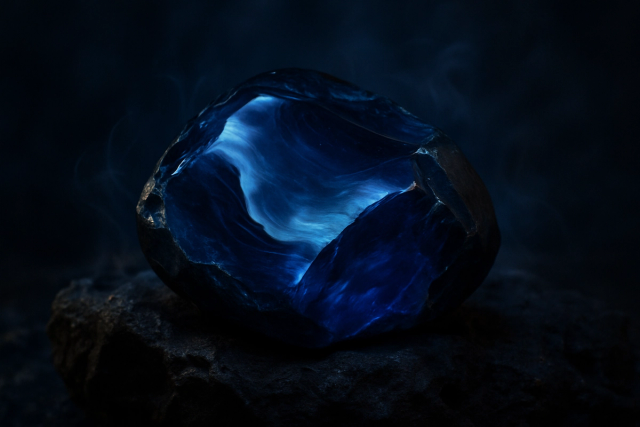
What is Blue Obsidian? Blue Obsidian, a variant of Obsidian, is a volcanic glass stone primarily known for its protective and ther…