Jewelry & Fashion
30 Types of Heels: The Complete Guide (Stiletto to Wedge)
30 heel types explained: stiletto, kitten, block, wedge & more. See heel heights, styling tips, and how to choose the right pair f…
 KnowMastery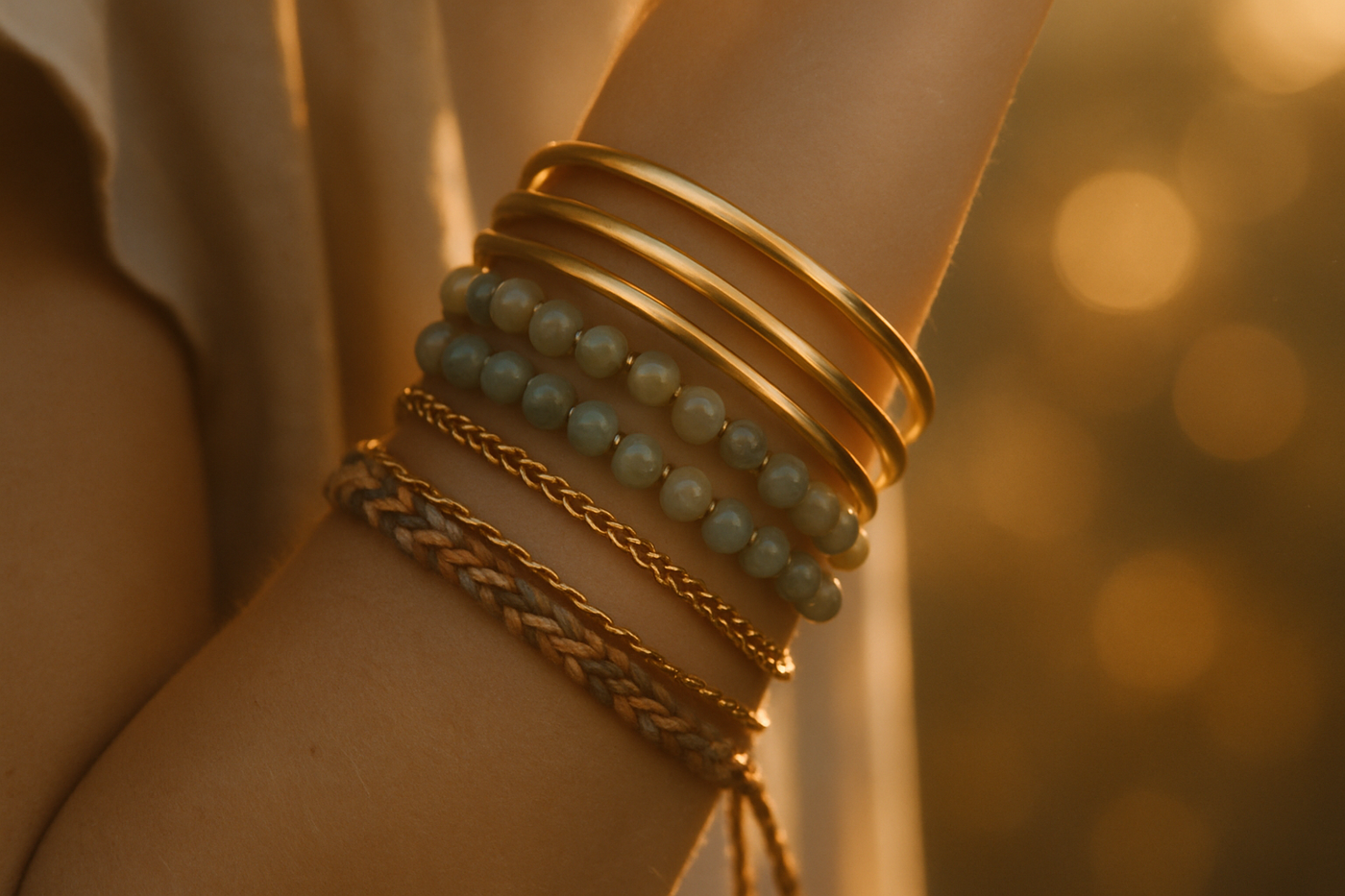
The main types of bracelets include bangles, cuffs, chain-link bracelets, charm bracelets, tennis bracelets, beaded bracelets, wrap bracelets, and friendship bracelets. Each style differs in construction, material, and how it sits on the wrist — bangles are rigid circles, cuffs are open-ended and adjustable, chain-link and tennis bracelets use connected metal or gemstone links, while beaded and friendship bracelets are strung or knotted from cord, thread, or beads. Choosing the right type depends on your wrist size, personal style, and the occasion you're dressing for.
There's something quietly intimate about a bracelet. Unlike a ring tucked between fingers or an earring hidden in your hair, a bracelet sits in plain view every time you gesture, wave, or reach for someone's hand. It becomes part of how you move through the world.
Maybe you inherited a slim gold bangle from your grandmother, its surface worn smooth by decades of her wrist. Maybe you tied on a friendship bracelet as a teenager and never fully forgot the person who made it. Bracelets carry memory in a way few other accessories do — they're touched, twisted, and lived in.
This guide walks through every major bracelet style, where it came from, what it symbolizes, and how to wear it well — so you can choose pieces that actually mean something to you.
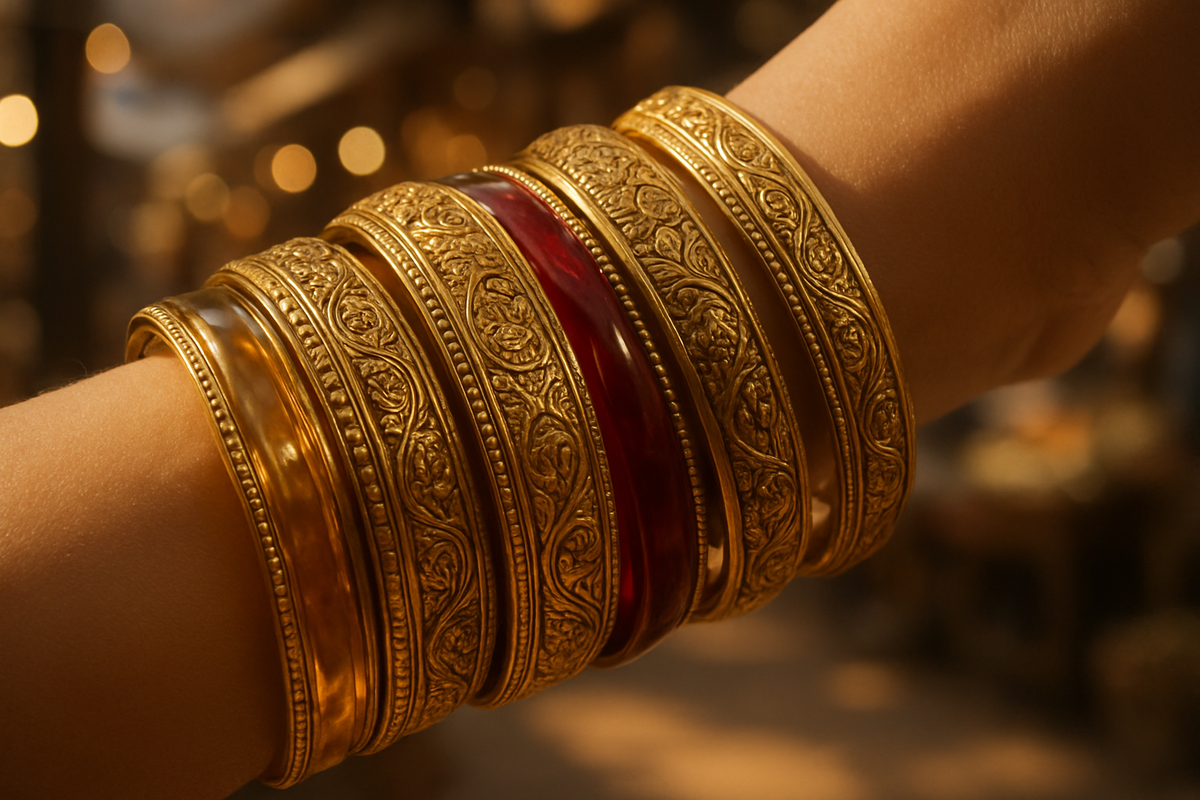
Bangles are rigid, circular bracelets — usually metal, wood, glass, or resin — that slide over the hand rather than clasp shut. Bangles have some of the earliest surviving evidence from the Indus Valley Civilization, where copper and shell bangles have been found at Mohenjo-daro dating to around 2600 BCE, though similar arm ornaments appear in other ancient cultures around the same period. In South Asian cultures today, bangles remain central to bridal tradition; a Punjabi bride's chura (red and white bangle set) is worn for weeks after her wedding as a symbol of marital status and fertility. Getting the fit right matters enormously here — too tight and they won't pass over the knuckles, too loose and they slide off, so measuring your wrist before buying is worth the extra minute.
Cuffs are open-ended, semi-rigid bracelets with a gap that lets you slide them on from the side rather than over the hand. Tutankhamun's tomb contained gold bracelets set with lapis lazuli and carnelian, including a massive gold-and-carnelian bracelet found on the king's forearm. Persian and Scythian warriors also wore metal cuffs, sometimes shaped like coiled animals, believed to channel the strength of the depicted creature. Modern cuffs range from minimalist sterling silver bands to statement pieces studded with stones, and they're especially forgiving for wrists that fall between standard sizes.
Chain-link bracelets are made of connected metal links — curb, box, figaro, and rope chains are among the most popular patterns. These have roots in both military and maritime traditions; naval identification chains and Cuban-link chains popularized in 1970s Miami hip-hop culture both trace back to functional chain-making techniques developed for anchors and tools. Chain bracelets are often compared by metal type, and if you're deciding between finishes, our comparison of silver vs white gold covers durability and tone differences that apply just as well to bracelets as to rings.
A charm bracelet is a chain base onto which small decorative pendants — charms — are attached over time. In Victorian Britain, Queen Victoria's own mourning practices after Prince Albert's death helped popularize mourning jewelry - including bracelets and lockets containing hair or portraits - a tradition often credited with paving the way for the modern charm bracelet. Ancient Egyptians wore protective amulet charms even earlier, believing symbols like the scarab or the Eye of Horus warded off misfortune. Today's charm bracelets function almost like a wearable diary — travel charms, birthstones, and milestone symbols added one by one.
Tennis bracelets are thin, flexible lines of individually set gemstones — almost always diamonds — connected in a continuous row. The term 'tennis bracelet' is said to have originated when Chris Evert stopped a U.S. Open match to search for a diamond bracelet that had fallen off her wrist, an incident that sources date variously to 1978 or 1987. The style existed before that moment, but the incident permanently renamed it. Tennis bracelets are prized for their understated sparkle and are often chosen as anniversary or milestone gifts.
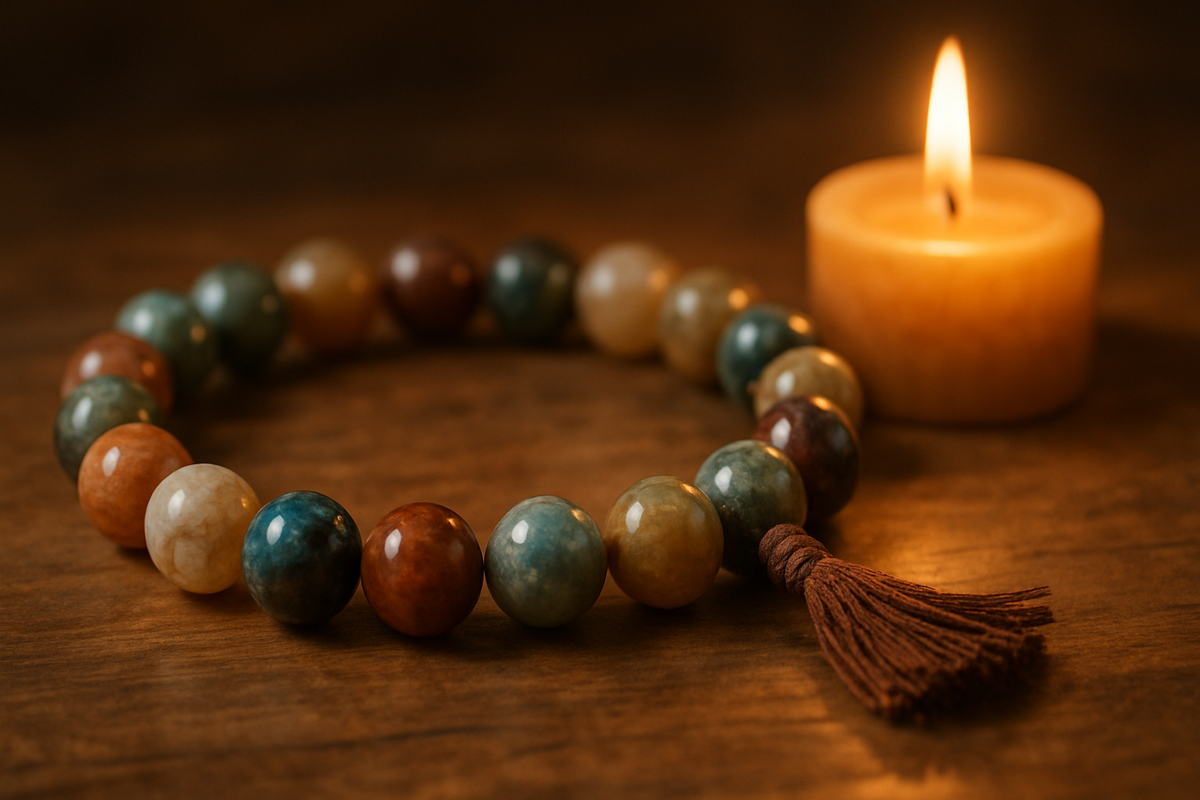
Beaded bracelets are strung from materials like gemstones, wood, glass, seeds, or shell. Buddhist mala bracelets often have 27 beads - a quarter of the traditional 108-bead mala - used for counting mantras, a shorter form most closely associated with Pure Land Buddhist practice rather than exclusively Tibetan tradition. In West Africa, Yoruba beadwork uses specific color combinations to signal status, age, and spiritual affiliation — certain colors are reserved for priests of particular deities, or orisha. Crystal beaded bracelets have also surged in popularity for their perceived metaphysical properties, from rose quartz for emotional healing to black tourmaline for protection.
Wrap bracelets use a long cord, leather strap, or beaded strand that coils around the wrist multiple times before fastening. Bohemian and surf-inspired brands popularized leather wrap bracelets in the 2000s, but the layered-wrap look also echoes older traditions — Buddhist monks in Southeast Asia wear multiple thin string bracelets, each tied on during a blessing ceremony, that are meant to be left on until they naturally fall off.
Friendship bracelets are handmade from knotted embroidery thread, often in bright color patterns. Friendship bracelets are believed to trace back to Central American Indigenous traditions, particularly in Guatemala, and became a global schoolyard trend after their modern popularity took off in the 1980s. The custom holds that you should never remove your own friendship bracelet — it should wear off naturally, or the friendship is said to fade.
Slap bracelets — flat strips of flexible metal covered in fabric that curl around the wrist when struck against it — were a 1990s novelty trend. Elastic beaded bracelets, stretchy and clasp-free, are their more enduring cousin, favored for their easy on-and-off fit and popularity in stacking looks.
Beyond fashion, many bracelet styles carry symbolic weight depending on material, color, and cultural context.
Dream interpreters generally read bracelets as symbols of connection, commitment, or self-worth. A dream about receiving a bracelet is often interpreted as a sign of a new bond forming or someone offering loyalty. Losing a bracelet in a dream can suggest anxiety about a weakening relationship or a fear of losing status, while a broken bracelet may point to a commitment that feels strained. These interpretations are folkloric rather than clinical, but they echo the same theme running through bracelet history: this is jewelry about attachment.
Before falling for a style, get an accurate wrist measurement — a bracelet that's technically beautiful but constantly sliding off or digging in won't get worn. Our bracelet size chart guide explains how to measure your wrist correctly with a tape measure or piece of string, which is especially important for rigid styles like bangles and cuffs.
If you already wear rings or earrings in a particular metal, matching your bracelet keeps your look cohesive. If you're torn between warm and cool tones, our breakdown of what rose gold is and how it pairs with skin tones can help you decide, especially for chain-link and tennis bracelets where metal color is the dominant visual feature.
Beaded, wrap, and thin chain bracelets are the most stackable styles — mixing two or three textures (metal, stone, cord) creates a curated, collected-over-time look rather than a matched set. Cuffs and tennis bracelets, by contrast, are usually statement pieces meant to be worn alone or as an anchor piece with slimmer bracelets layered beside them.
Save tennis bracelets and gold bangles for formal or celebratory settings, keep beaded and friendship bracelets for everyday wear, and reserve wide cuffs for statement outfits where the bracelet is meant to be the focal point.
| Bracelet Type | Typical Material | Best For | Symbolic Association |
|---|---|---|---|
| Bangle | Metal, glass, resin | Stacking, cultural/bridal wear | Prosperity, marital status |
| Cuff | Metal | Statement looks | Power, strength |
| Chain-link | Gold, silver | Everyday and formal wear | Status, heritage |
| Charm | Metal chain + charms | Sentimental collections | Memory, milestones |
| Tennis | Diamonds/gemstones + metal | Formal occasions | Celebration, luxury |
| Beaded | Gemstone, wood, glass | Everyday, spiritual practice | Intention, protection |
| Wrap | Leather, cord, beads | Casual, bohemian style | Blessing, journey |
| Friendship | Embroidery thread | Gifting, casual wear | Loyalty, connection |
Bracelets are rarely just accessories — they're small, wearable stories about who gave them to you, what they're meant to protect you from, or what you were hoping for when you tied them on. Whether your style leans toward a stack of beaded intentions or a single statement cuff, understanding the history behind each type makes the choice feel a little more personal. And if you're building out the rest of your jewelry story, our guides on the meaning of rings on each finger and types of earring backs are natural next reads.
Chain-link and beaded bracelets are currently the most widely worn types globally, thanks to their versatility, affordability, and stacking potential. Bangles remain dominant in South Asian markets, while tennis bracelets stay popular for formal and gifting occasions.
A bangle is a specific type of bracelet — it's rigid and circular, sliding over the hand rather than clasping shut. "Bracelet" is the broader category that includes bangles, cuffs, chains, and every other wrist-worn style.
Many traditions, including Kabbalistic red-string customs, recommend the left wrist for protective or lucky bracelets, since it's considered the "receiving" side of the body. Ultimately, though, wrist choice is largely personal and cultural rather than fixed by strict rule.
Measure around your wrist bone with a soft tape measure or a piece of string, then add half an inch for comfortable movement — bangles and cuffs need especially precise sizing since they don't adjust. See the wrist-measuring steps above for a full walkthrough by bracelet style.
30 heel types explained: stiletto, kitten, block, wedge & more. See heel heights, styling tips, and how to choose the right pair f…

Discover every type of pearl—Akoya, Tahitian, South Sea, freshwater and more—plus their meanings, history, and how to choose the r…
Cubic zirconia explained: what it's made of, how it compares to diamonds, its real history, and how to buy and care for it with co…