
Jewelry & Fashion
Lab-Grown vs Natural Diamonds: Full Comparison
Lab-grown vs natural diamonds compared: origin, price, resale value, ethics, and meaning — choose the right stone with confidence.
 KnowMastery
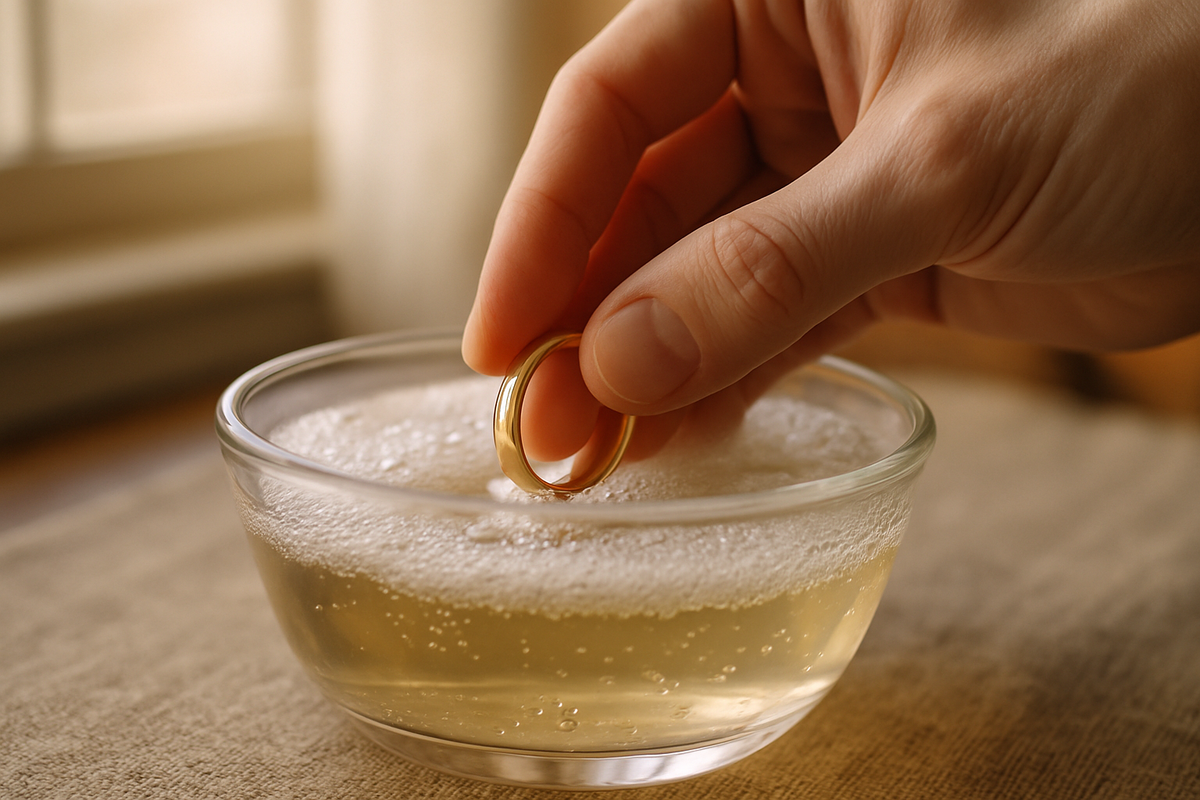
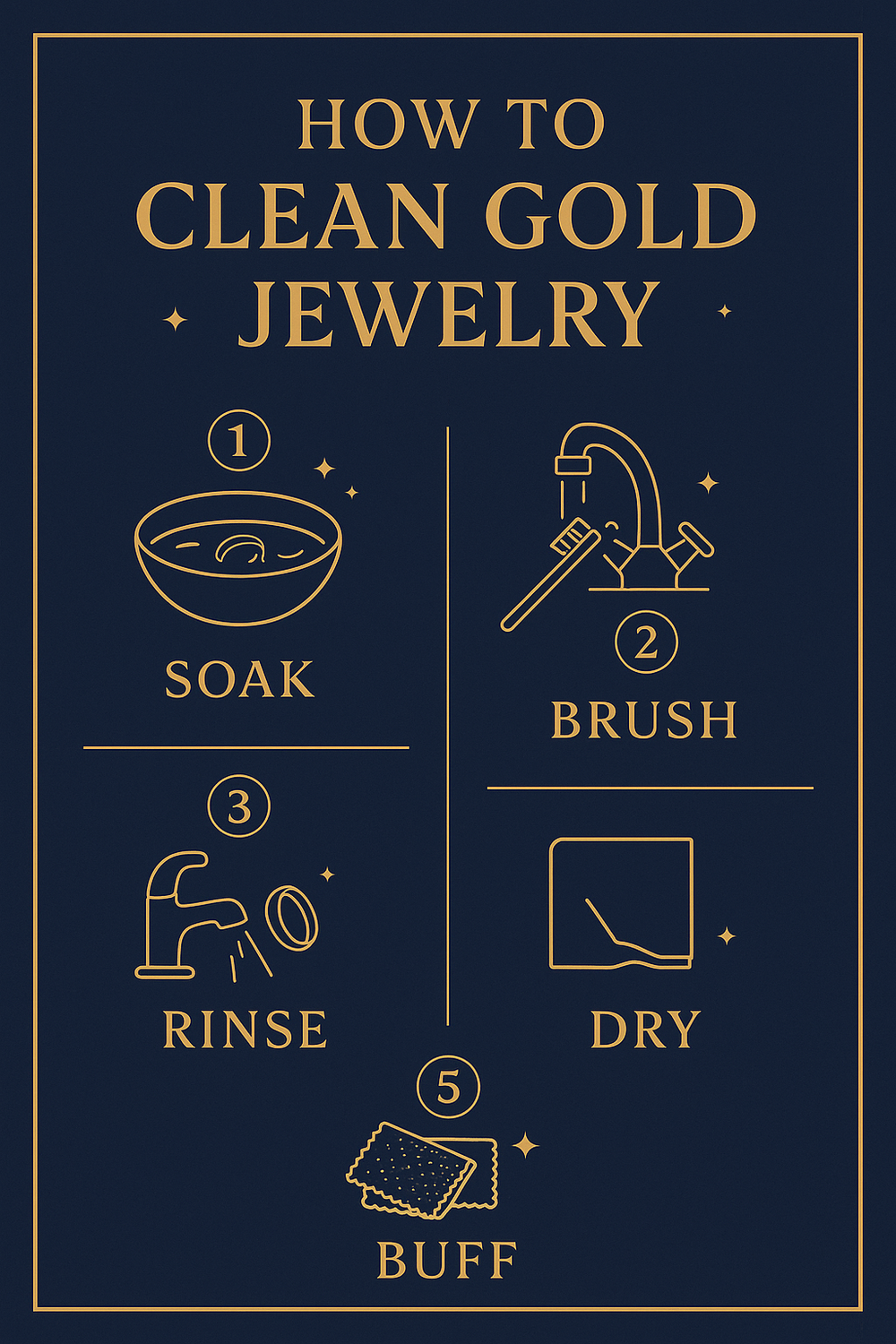
To clean gold jewelry at home, soak it for 15–20 minutes in warm water with a few drops of mild dish soap, scrub gently with a soft-bristled toothbrush, rinse under warm running water, and buff dry with a lint-free cloth. This method works for solid gold, gold-filled, and most gold-plated pieces, though gemstone settings and delicate plating require extra caution. Avoid harsh chemicals like bleach or ammonia-based cleaners, which can strip plating or loosen prongs holding stones in place.
There's a particular kind of heartbreak in opening a jewelry box and finding your favorite gold pieces dulled by time, lotion residue, and everyday grime. Maybe it's a locket passed down from your grandmother, or the chain you never take off—the one that's absorbed years of perfume, sweat, and quiet moments. Gold doesn't tarnish the way silver does, but it still collects the invisible film of daily life. Cultures around the world have treated the act of restoring that shine as more than housekeeping—for centuries, cleaning gold has carried ritual meaning tied to renewal and good fortune, a tradition we explore further below.
The good news is that restoring that warm, buttery glow doesn't require a trip to the jeweler or expensive commercial cleaners. With a few household items and about twenty minutes, you can bring that shine back yourself—safely, gently, and without risking damage to metals or stones you love.
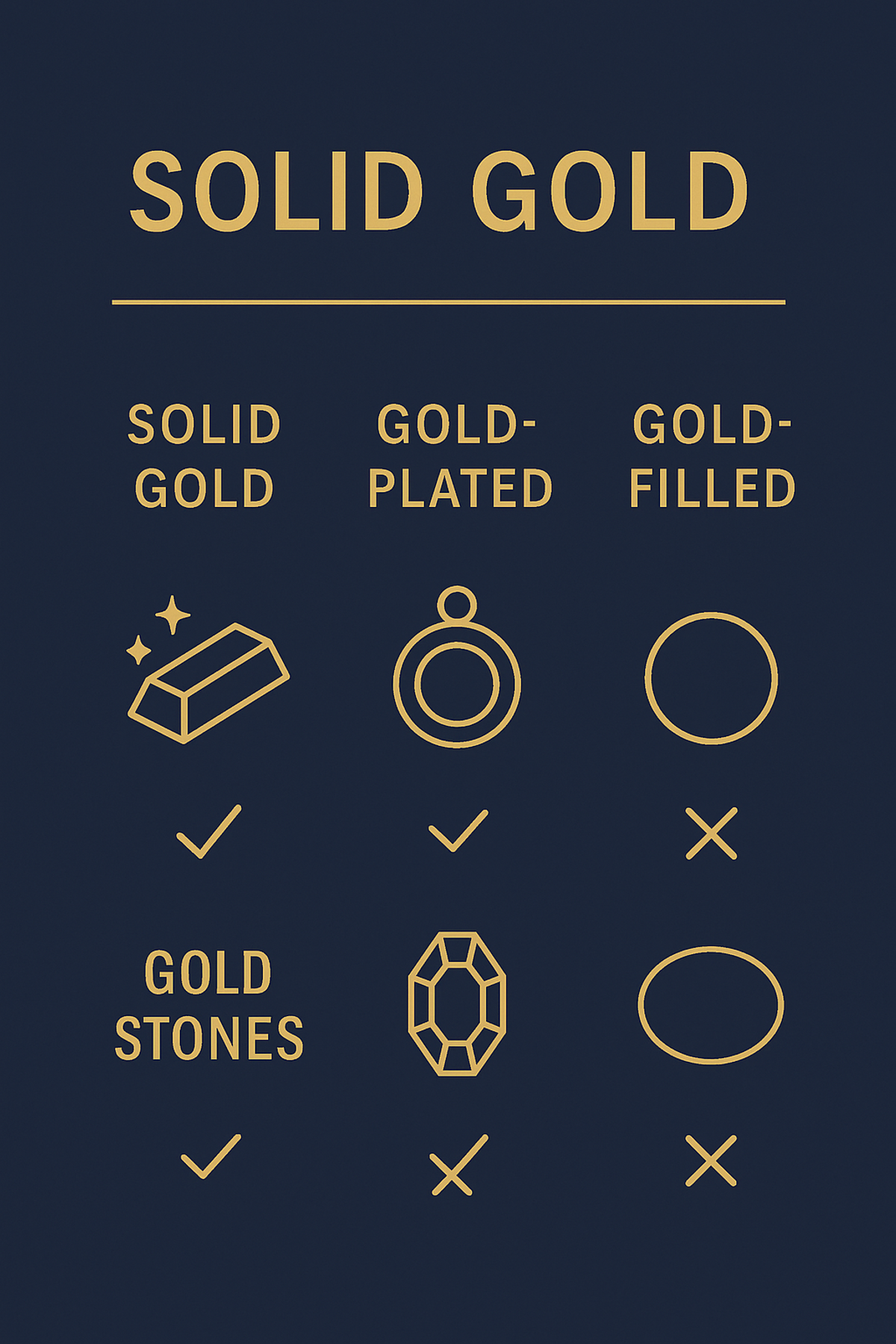
Before diving into the full method, it helps to know which approach fits your specific piece. Solid gold tolerates soaking and gentle brushing; gold-plated jewelry does not tolerate soaking at all; gemstone settings need targeted care around the stone rather than full immersion; and gold-filled pieces sit somewhere in between, preferring a quick wipe over a long soak. The full comparison table further down covers each type in detail.
Pure gold is one of the most chemically stable metals on earth, which is why ancient Egyptian burial jewelry still gleams after thousands of years. But most gold jewelry isn't pure—it's alloyed with metals like copper, silver, or zinc to increase durability, and those alloys react with skin oils, cosmetics, and air pollutants. This creates a thin film that mutes gold's natural luster.
Lower-karat gold (like 10K or 14K) contains more alloy metal and therefore dulls faster than 18K or 22K pieces. Everyday culprits include hand lotion, sunscreen, hairspray, chlorine from pools, and even sulfur compounds in some foods, which can cause a subtle darkening over time.
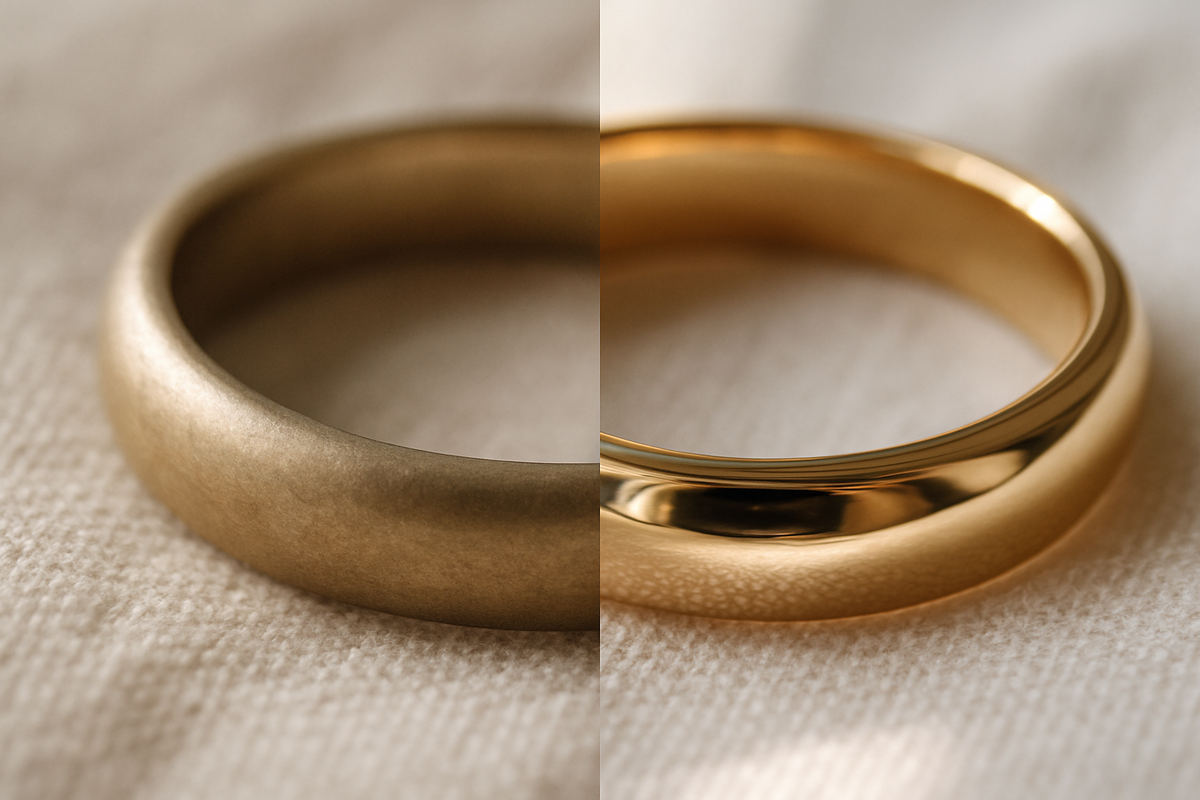
Yes, white vinegar can safely clean solid gold jewelry that doesn't contain plating or porous gemstones. Its mild acidity helps break down oxidation and cuts through oily buildup that plain soap sometimes leaves behind, which is why it's such a popular home remedy for pieces that have gone from dull to noticeably grimy.
To use it, mix equal parts white vinegar and warm water in a small bowl and submerge the piece for 10 to 15 minutes—longer soaks aren't necessary and can be harsher than intended. Rinse thoroughly under warm water afterward, since leftover vinegar residue can leave a faint film once it dries. Gently brush with a soft toothbrush if any buildup remains, then dry and buff as usual.
Vinegar is not a good match for every piece, though. Skip it entirely on gold-plated jewelry, since the acidity can wear away the thin plating layer faster than plain water would. It's also unsafe for porous or delicate gemstones like pearls, opals, turquoise, or coral, which can absorb the liquid or lose their finish. When in doubt, a plain warm soapy soak is the safer default.
Not all gold jewelry should be cleaned the same way. Karat purity, plating, and gemstone content all affect which method is safest.
| Gold Type | Best Cleaning Method | What to Avoid |
|---|---|---|
| Solid gold (18K-24K) | Warm soapy water soak, soft brush, or a diluted white vinegar soak | Ultrasonic cleaners on antique pieces |
| Gold-filled | Quick soapy wipe, minimal soaking | Prolonged soaking, abrasive cloths, vinegar |
| Gold-plated | Damp soft cloth only, no soaking | Any scrubbing, baking soda, vinegar |
| Gold with gemstones | Soft brush around stones, avoid soaking porous stones (pearl, opal, turquoise) | Ultrasonic and steam cleaners, vinegar on porous stones |
| Rose gold | Same as solid gold; copper alloy may need occasional polish | Chlorine exposure, which accelerates tarnish |
Mix baking soda with a few drops of water into a paste, apply with a soft cloth, and rub gently before rinsing. This works well for solid gold without stones but is too abrasive for plated pieces or soft gemstones like opal, pearl, or emerald.
A highly diluted mix—one part ammonia to six parts water—can be used for a quick dip (under one minute) on plain solid gold pieces without stones. Never use this on gold-plated jewelry, pearls, or porous gemstones, as it can strip finishes and damage surfaces permanently.
Rings collect the most residue because they're constantly exposed to hand lotion, soap, and cooking oils. If you regularly wear stacked rings, check our guide to the meaning of rings on each finger and clean each piece individually to avoid trapping soap between bands. Chains, especially fine ones, benefit from being laid flat in a mesh strainer during rinsing so links don't slip down the drain.
For gold bangles, sizing matters just as much as cleaning—an ill-fitting bangle collects more skin oil at contact points. If you're unsure about proper fit, KnowMastery's bangle size chart can help you choose pieces that sit comfortably without excess friction against skin, and our bracelet size chart is a useful companion if you're mixing bangles with fitted bracelets.
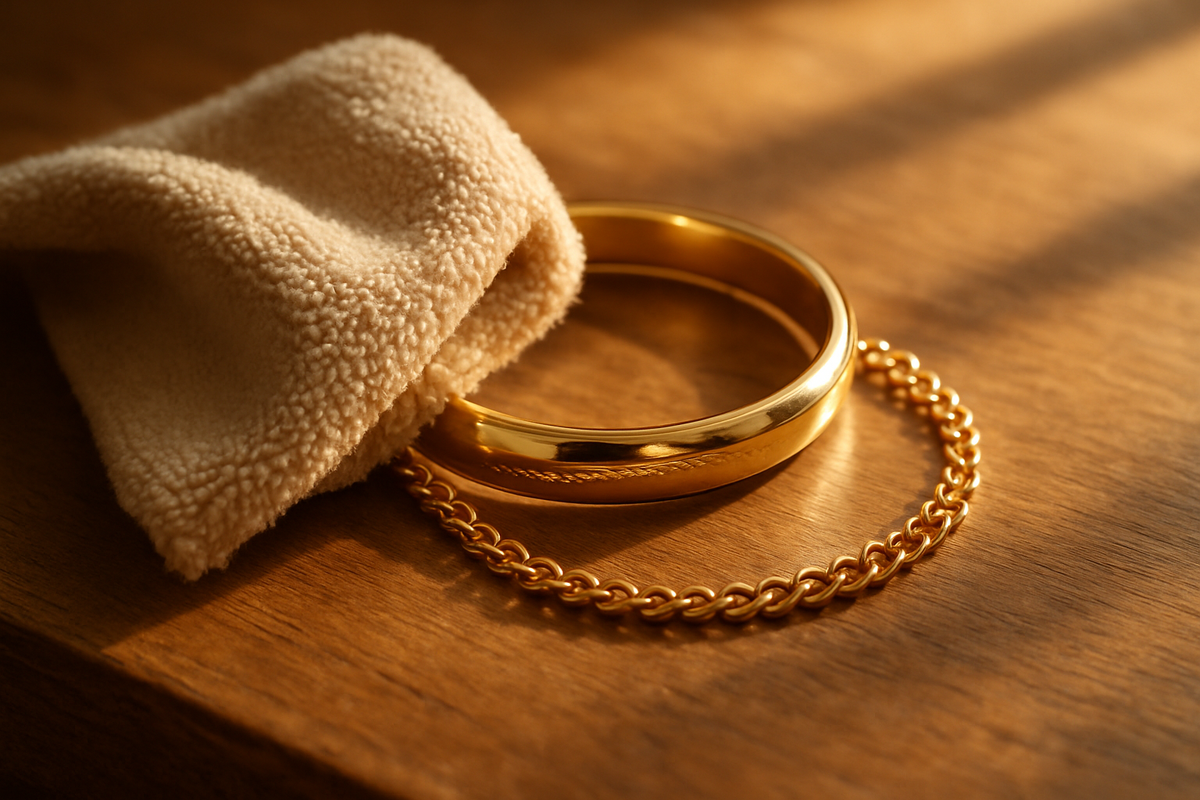
Jewelry worn daily—wedding bands, everyday chains, hoop earrings—should be cleaned every two to three weeks. Occasional-wear pieces, like heirloom brooches or formal earrings, only need cleaning every few months or before special occasions. Pieces with sentimental or historical value, such as a Claddagh ring passed through generations, deserve gentler, less frequent cleaning to preserve any natural patina collectors value.
Gold's resistance to tarnish made it precious across civilizations, and different cultures developed their own preservation rituals long before modern cleaning products existed. In many traditions, the act of cleaning gold carries symbolic weight beyond hygiene—it's treated as a small ritual of renewal, meant to clear away not just grime but stagnant energy. These customs offer a richer way to think about the habit of caring for gold, beyond simply keeping it shiny.
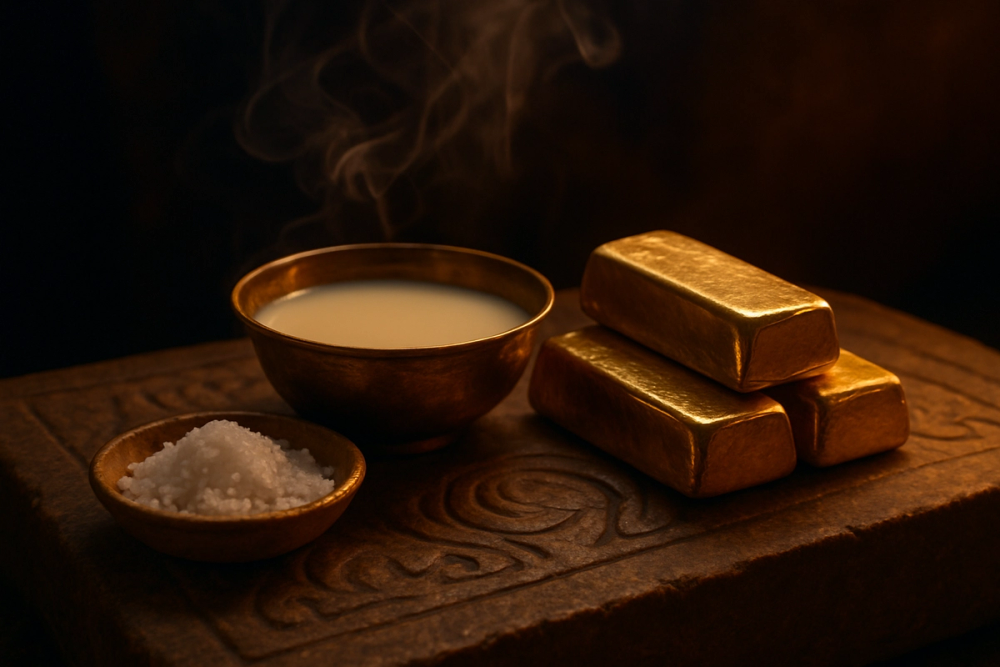
Egyptian goldsmiths are not documented to have used natron to polish gold jewelry, though natron — a natural mineral salt — was famously used to desiccate and preserve bodies during mummification. Items from Tutankhamun's tomb remained lustrous after more than 3,000 years, a testament mainly to gold's natural resistance to tarnish and corrosion rather than any special polishing treatment.
In some Indian households, a home-remedy tradition holds that bridal gold jewelry can be cleaned with raw milk, mild soap, and sunlight drying before weddings and Diwali, though this is a folk practice rather than a documented conservation method. The ritual cleaning often precedes the jewelry being worn at auspicious moments, reinforcing the idea that a bright, unblemished piece carries better fortune into a new chapter.
Cai Shen is recognized in Chinese tradition as the god of wealth, and in folk custom some households polish their gold jewelry before Lunar New Year as part of the broader belief that a clean, shining home and adornments help welcome this deity and good fortune. Wearing freshly cleaned gold on New Year's Day is considered a way to invite good fortune for the year ahead, while wearing tarnished or dirty gold is thought to symbolically carry over bad luck.
Whether or not you subscribe to any particular tradition, there's something worth borrowing from all of them: treating the cleaning process as intentional rather than rushed. Taking twenty quiet minutes to soak, brush, and buff a piece you love mirrors what cultures worldwide have practiced for millennia—care as a form of respect for the object and what it represents.
These small habits matter especially for pieces worn daily, like a pinky ring carrying personal meaning, where scratches or dullness can feel more noticeable over time.
Gold turning black or developing dark, greasy-looking streaks usually points to a chemical reaction rather than actual tarnish, since pure gold itself doesn't oxidize. The most common cause is sulfur exposure—from certain lotions, hair products, rubber, or even sulfur-containing foods and polluted air—which reacts with the alloy metals mixed into your gold and leaves a dark residue behind.
Cosmetics are another frequent culprit. Foundation, sunscreen, and some perfumes contain compounds that build up in tiny grooves and settings, drying into a dark film that can look almost like soot after a few weeks of wear. This is especially common on ring undersides and clasp areas that sit close to skin all day.
Low-karat gold is more prone to this than high-karat gold simply because it contains more copper, nickel, or zinc in its alloy mix, and those metals are far more reactive than gold itself. If darkening reappears quickly after cleaning, it's often a sign the piece is lower-karat or that it's being regularly exposed to a specific product—switching that product, or cleaning slightly more often, usually solves it.
If your gold jewelry has intricate filigree, antique settings, loose stones, or visible scratches beneath the surface film, a professional jeweler can safely deep-clean and polish it using controlled equipment. Home cleaning is ideal for maintenance, but structural repairs or heavy tarnish removal on valuable heirlooms are best left to trained hands.
It's best to avoid toothpaste, even though it's a popular home remedy. Most toothpastes contain mild abrasives that can create fine scratches on soft gold surfaces over repeated use, dulling the finish rather than restoring it.
Yes, soaking gold jewelry with diamonds in warm soapy water is generally safe since diamonds are extremely hard and non-porous. However, avoid soaking pieces with softer or porous stones like pearls, opals, or turquoise, which can absorb moisture and become damaged.
Use a barely damp, soft cloth rather than soaking the piece, since prolonged water exposure can wear away thin plating layers over time. Wipe gently, dry immediately, and avoid any abrasive cleaners, baking soda, or ultrasonic devices—and skip vinegar entirely, since its acidity accelerates plating loss.
This usually happens with lower-karat gold, where higher concentrations of copper or other alloy metals react with skin acidity and oils. It's not harmful, but switching to higher-karat gold or applying a thin layer of clear nail polish to the inside of rings can reduce the reaction.
Lab-grown vs natural diamonds compared: origin, price, resale value, ethics, and meaning — choose the right stone with confidence.

Necklaces being timeless jewelry pieces have been adoring human necks since, in fact, thousands of years. Necklaces happen to be a…
Rose gold and yellow gold compared by color, durability, cost, and meaning, so you can pick the right metal for your next piece of…